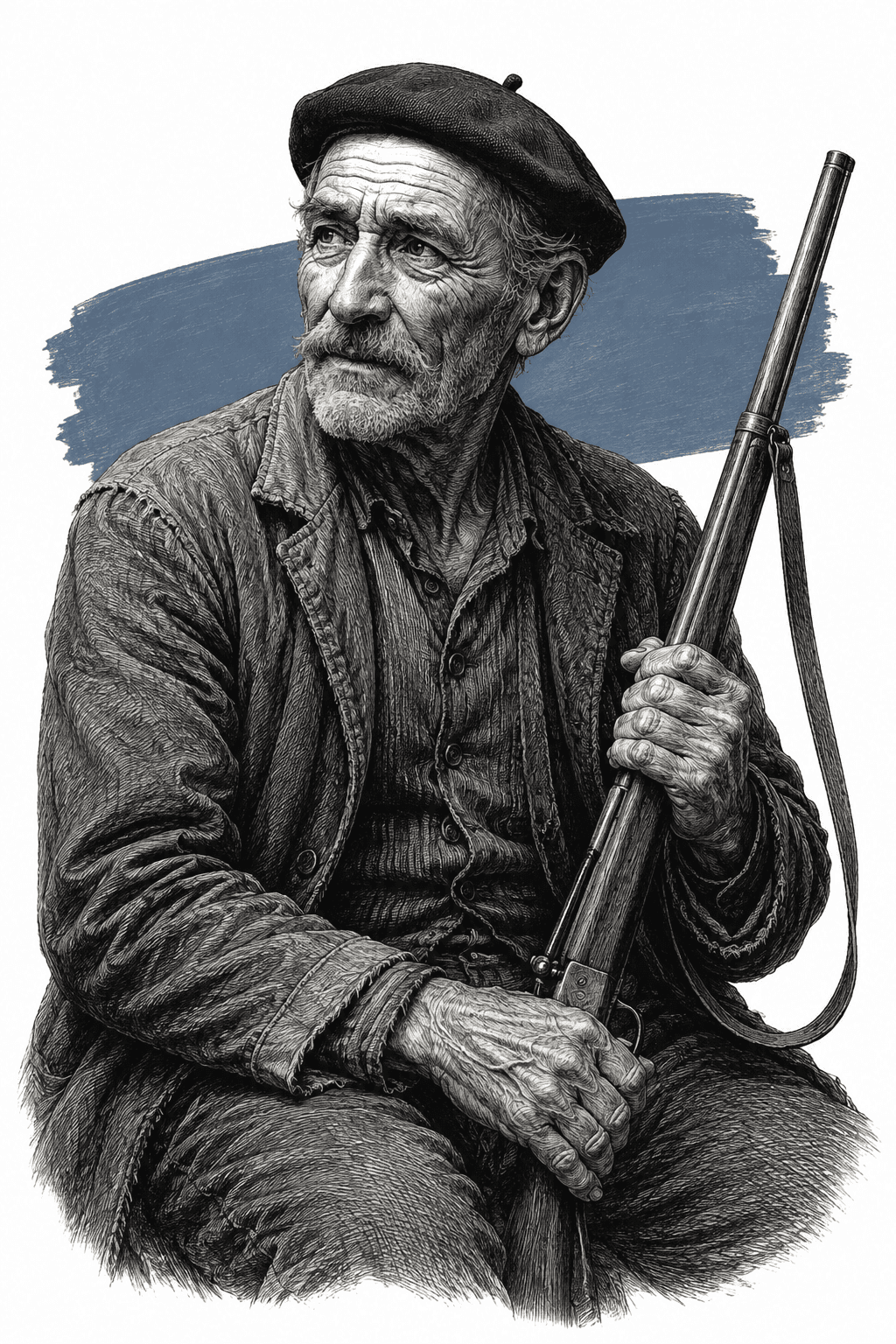
Anselmo
The sixty-eight-year-old hunter who guides Robert Jordan in and stays with him to the end. He believes killing a man is a sin, and does it when he is told to.
To do what is needed without becoming the kind of man who enjoys it. He says he will kill whenever necessary and hopes that afterwards there will be some way for everyone to be cleansed of it.
The book

At a glance
- Anselmo — the old man who guides Robert Jordan in and works with him at the bridge
- Sixty-eight in the month of July
- Hunter. He killed a bear whose paw was nailed to the church door, and took pleasure in seeing it there for years
- That killing a man is a sin, with God or without one
- To hold the wire and pull it when he is told
- Trusted in everything except judgement, which had not yet been tested
Who they are in the book
Spoiler-freeAnselmo is an old man who has spent his life hunting in the mountains north of Madrid, and who is now fighting for the Spanish Republic in them. He brings Robert Jordan — an American sent behind the fascist lines to blow a bridge — over the passes in the dark on the first morning, carrying one of the two packs of explosive, and Robert Jordan works out within an hour that the old man could walk him into the ground.
He is the only member of the guerrilla band Robert Jordan trusts completely, and almost the only one who believes in the Republic without qualification. He is also the one person in the book who treats killing as a problem rather than a job, and who keeps arriving at the same answer: that it is necessary, that it is a sin anyway, and that both of those are true at once.
What he is given to do in the novel is mostly waiting. He counts what passes on the road, and he holds things, and he stays where he is put.
How Anselmo Is Portrayed
- Sixty-eight, and fasterJordan walks well and knows it, and spends the first morning realising he is being outclassed by a man forty years older. Anselmo notices him noticing: "Thou art more wolf than me and I am sixty-eight years old." He will be sixty-eight in the month of July, and adds that they may not see that month.
- "I do not like to kill men"Waiting above the bridge, Jordan says he does not like killing animals. Anselmo answers: "With me it is the opposite," the old man said. "I do not like to kill men." Pressed on it he goes further, and refuses the gypsies' idea that men and animals are brothers: "No. I am against all killing of men."
- The penanceAlone in the snow he works out what should happen when the war is over. If there is no religion left, there will have to be some civic equivalent. "The killing is necessary, I know, but still the doing of it is very bad for a man and I think that, after all this is over and we have won the war, there must be a penance of some kind for the cleansing of us all."
- Still thereJordan posts him to watch the road and tells him not to leave. A blizzard comes down. Anselmo stands against a tree stamping his feet for hours, gets so lonely he tries to remember prayers he has given up saying, and is still there when Jordan comes back for him. "I'm glad to see you, hear? You don't know what it means to find somebody in this country in the same place they were left."
- The one thing nobody can takeThe loneliness in the dark is the worst part for him, and he settles it the same way each time. "But one thing I have that no man nor any God can take from me and that is that I have worked well for the Republic. I have worked hard for the good that we will all share later."
- He cries when he killsAt the bridge he shoots the far sentry, then has to walk over and shoot him again. He runs back to Jordan reporting it in two languages: "Sin novedad," he shouted. "There's nothing wrong. Tuve que rematarlo. I had to finish him." Kneeling over the packs, Jordan sees that tears are running down the old man's cheeks.
Crouched behind the white marker stone with the wire looped round his fist, waiting for Jordan to finish under the bridge, he is the calmest person in the operation and keeps telling Pilar to be patient because the Inglés is doing scientific work. The book gives him one of its few moments of undivided feeling:
If you like For Whom the Bell Tolls


If you like Ernest Hemingway
Explore authors with a similar voice, perspective, and influence.

Louis-Ferdinand Céline
The other great stylist the Great War produced — where Hemingway cut the language down, Céline set it on fire. The same wound, opposite treatments.
View author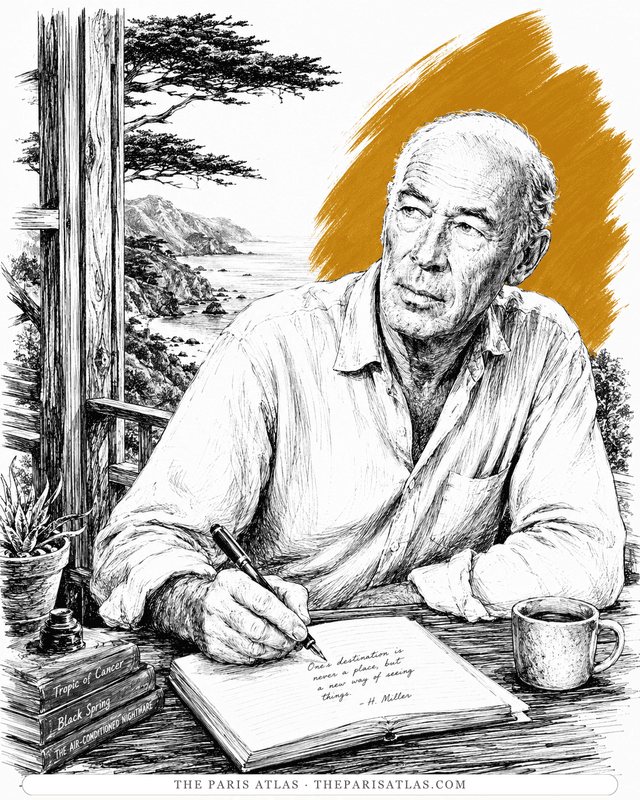
Henry Miller
Paris on no money a decade later, with the restraint removed. Miller called Hemingway's Paris a tourist's Paris; readers get to referee.
View author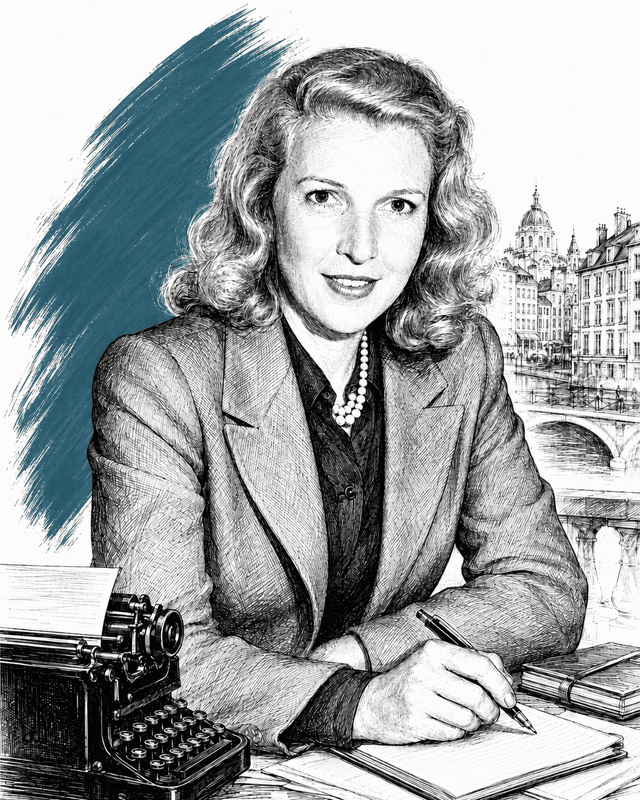
Martha Gellhorn
War correspondent who covered the Spanish Civil War, D-Day, and conflicts across five more decades; Hemingway's third wife, 1940–1945.
View author