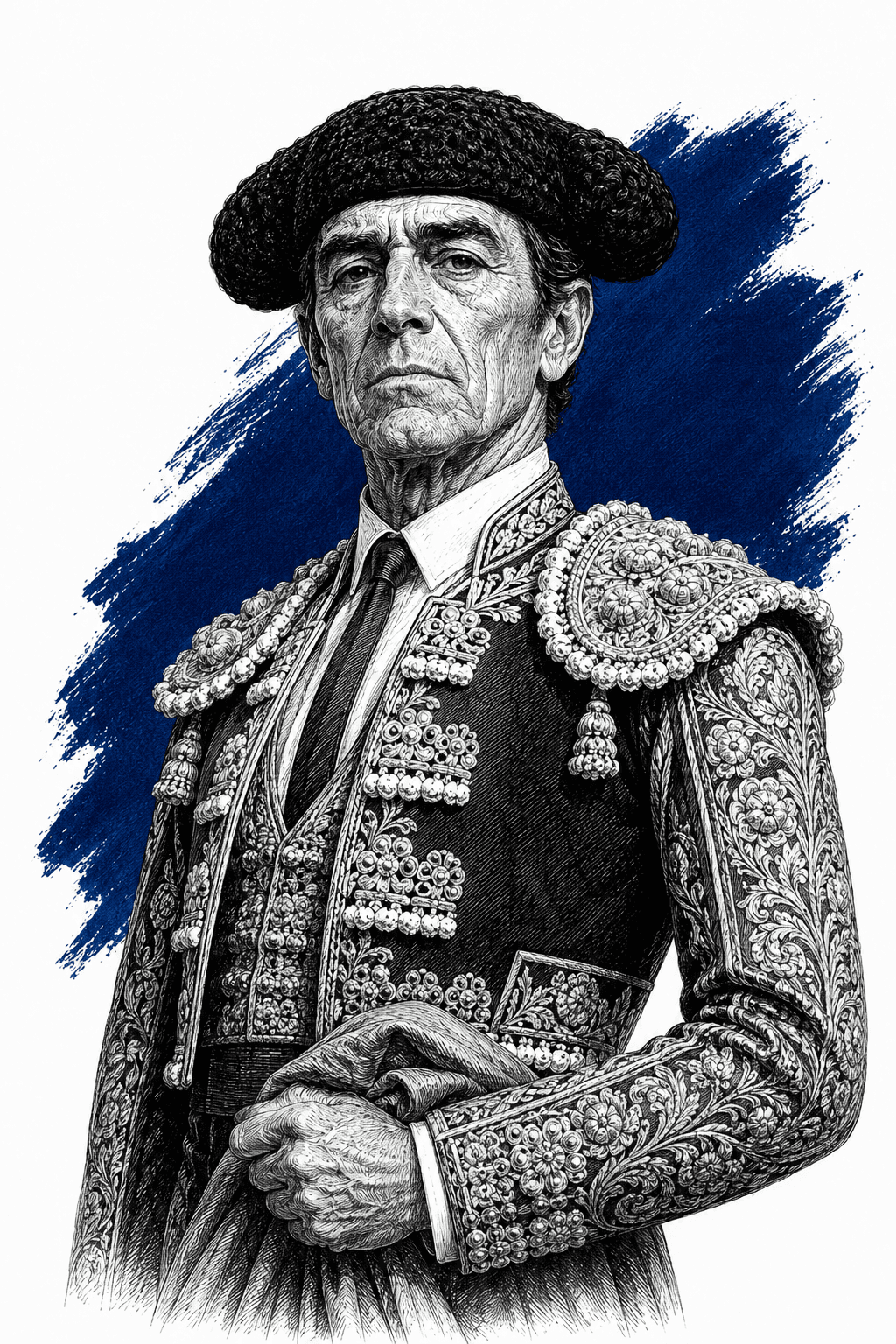
Manuel Garcia
An aging Spanish bullfighter, just out of hospital, who takes the cheapest job in Madrid because it is the only one on offer. From 'The Undefeated'.
To go on fighting bulls, and to be told he is still good at it. Offered other work, he answers that he does not want to work because he is a bull-fighter. What he asks of everyone else is smaller. “All I want is an even break,” he tells Retana, and asks for one good picador.
The book

At a glance
- A Spanish matador past his prime, fighting a night programme in Madrid
- Manuel Garcia; Manolo to the promoter Retana and to the picador Zurito
- Hospital, after a goring; he says the leg got all right
- Three hundred pesetas, fifty of it in advance
- Antonio Garcia, a junior bullfighter killed by a bull in April 1909
- Corto y derecho — short and straight, in over the horns
Who they are in the book
Spoiler-freeManuel Garcia is the central character of 'The Undefeated', the first of the fourteen stories in Men Without Women, the 1927 collection by the American writer Ernest Hemingway. He is a Spanish matador, the bullfighter who works the bull on foot and kills it with a sword, and he is past his best. The story opens with him carrying his suitcase up the stairs to the Madrid office of a promoter named Retana to ask for work. He has fought once all year and has just come out of hospital after a goring.
What Retana offers is a nocturnal: a cheap night programme, on after a comic bullfighting act, using whatever animals the daytime inspectors would not pass. The fee is three hundred pesetas, out of which Manuel must pay for a good picador himself if he wants one. He takes it. Most of the story is that single fight, described almost minute by minute, and the last few pages take place in the bullring's infirmary.
How Manuel Garcia Is Portrayed
- The pigtail that says he is still a bullfighterManuel wears a coleta, the small braid of hair a Spanish bullfighter grows at the back of his head. He keeps it pinned forward so it will not show under his cap, and when he takes the cap off in the promoter's office his face changes: pale, and strange-looking. Cutting off the coleta is how a bullfighter announces he has retired, and two people in the story want to cut Manuel's.
- The stuffed bull that killed his brotherA bull's head, stuffed by a Madrid taxidermist, hangs over the promoter's desk. Manuel has seen it many times and feels a family interest in it, because it killed his brother about nine years earlier. He cannot read the brass plate underneath, though the reader can: it names the bull Mariposa, of the Duke of Veragua, and records the death of Antonio Garcia, novillero, on 27 April 1909. A novillero is a junior bullfighter, not yet a full matador.
- Three hundred pesetas, and no picador with itRetana offers two hundred and fifty pesetas, having privately thought of five hundred. Manuel asks for three hundred, gets it, and takes fifty in advance. He points out that Retana pays another matador, Villalta, seven thousand, and is told that he is not Villalta. When he says he must have one good picador — the mounted man who lances the bull's shoulder muscles early on to bring its head down — Retana tells him to go and get one, and not out of the fee.
- He thinks in the words of his tradeHemingway writes Manuel's mind in bullfighting slang. He knows bulls without having to think about them; his eyes notice things and his body does what is needed. When the particular piece of slang for a thought will not come, he cannot finish the thought. Going in to kill, the only words in his head are corto y derecho, short and straight.
- The pass that brings the bull to its kneesIn the last third of a bullfight the matador works the bull with a muleta, a small red cloth spread on a stick, in a sequence of passes called a faena. Manuel kneels in front of the bull, raises the muleta in both hands, and brings the animal round in a half-circle onto its knees. The applause comes down out of the dark. At the barrier, Retana's man says that fellow is a great bull-fighter, and Zurito, the picador, answers: “No, he’s not,” and says it without hesitating
- The cushions and the champagne bottleThe sword goes wrong four times. The first time the bull throws him and he lies kicking at its muzzle; the second time there is no chance to kick and it drives his face into the sand; twice more the blade buckles and flies out of his hand, the last time end over end into the crowd. Then the seat cushions start coming down out of the dark, one hits him in the face, and someone throws an empty champagne bottle that hits his foot. His own sword is thrown back at him. He straightens it over his knee and says thank you to the crowd.
- How he talks to the other matadorHernandez, the young matador sharing the programme, tells him cheerfully that he has drawn the worst bulls of the night. Manuel answers: “The bigger they are, the more meat for the poor.” Hernandez grins and asks where he got that one. Manuel says it is an old one.
The fifth attempt works. Manuel jams the point of the muleta into the bull's muzzle to make it charge, is caught and horned in the side, and gets up coughing. Then he puts the sword in to the hilt, feels the blood hot on his knuckles, and watches the bull go over. He is carried across the sand to the infirmary, where a doctor cuts his shirt away and he can no longer hear his own voice.
Zurito comes up in his picador clothes, asks Retana for a pair of scissors, and holds them up to cut off the coleta. Manuel sits up on the table. “You couldn't do a thing like that, Manos,” he says, and hears Zurito's answer clearly: “That's all right. I won't do it. I was joking.” Manuel's own account of the evening is two sentences: “I didn't have any luck. That was all.” Then he asks for the one thing he has wanted all night. “Wasn't I going good, Manos?” “Sure,” says Zurito. “You were going great.” The story ends with the anaesthetic cone going over Manuel's face and does not say whether he lives.
If you like Men Without Women


If you like Ernest Hemingway
Explore authors with a similar voice, perspective, and influence.
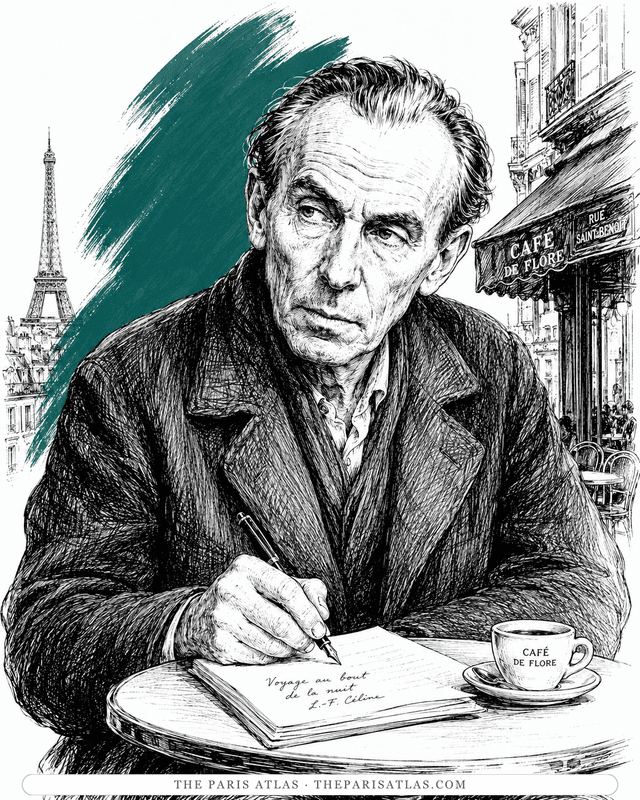
Louis-Ferdinand Céline
The other great stylist the Great War produced — where Hemingway cut the language down, Céline set it on fire. The same wound, opposite treatments.
View author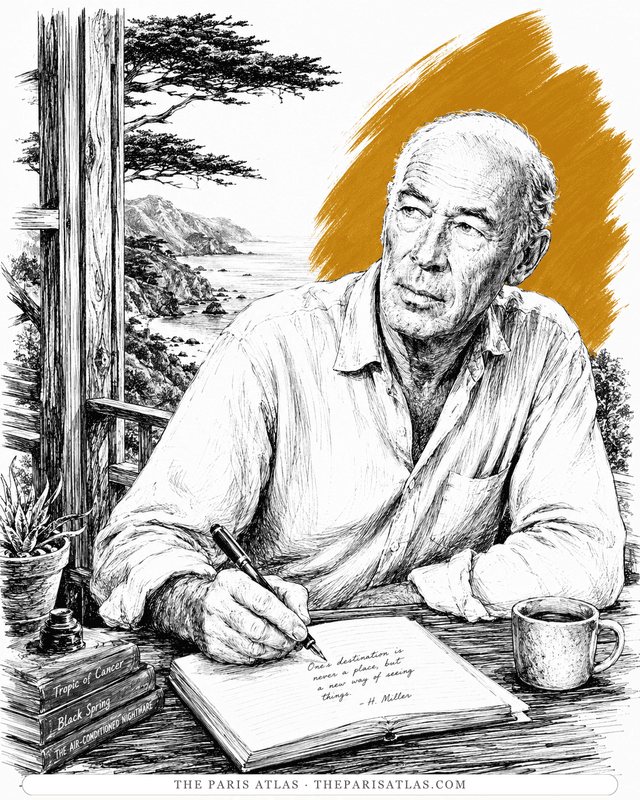
Henry Miller
Paris on no money a decade later, with the restraint removed. Miller called Hemingway's Paris a tourist's Paris; readers get to referee.
View author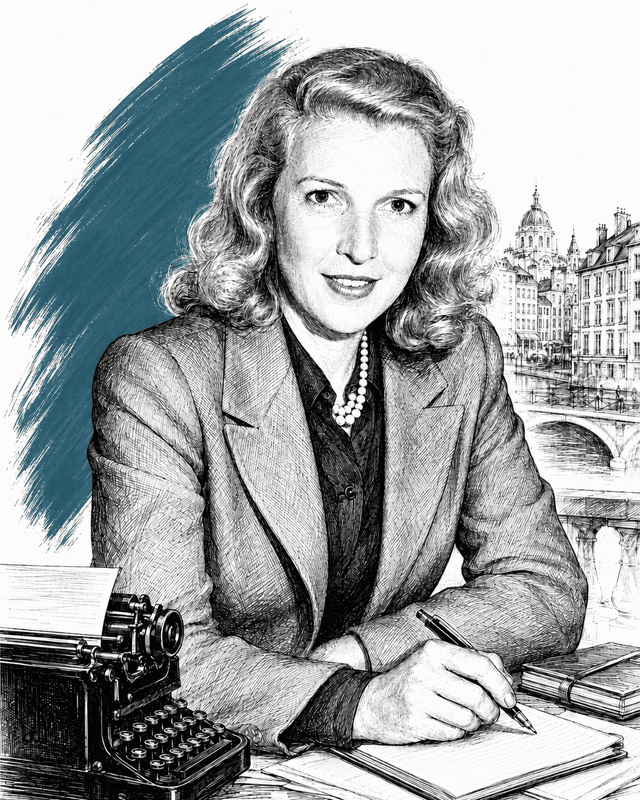
Martha Gellhorn
War correspondent who covered the Spanish Civil War, D-Day, and conflicts across five more decades; Hemingway's third wife, 1940–1945.
View author