Max
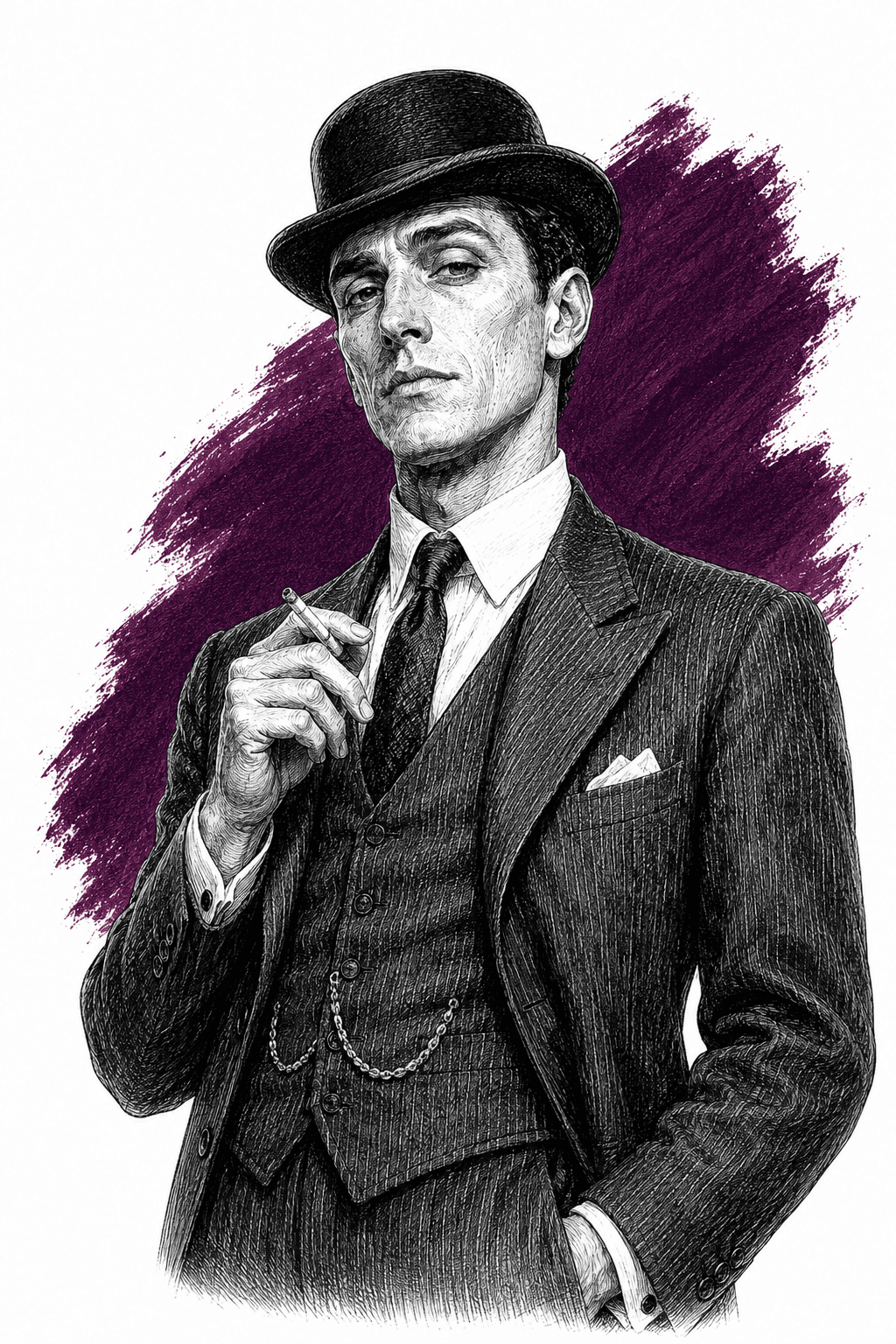
The other gunman in 'The Killers' — he sits at the counter, watches the mirror, and explains what they have come to do.
To be entertained while he waits. “Well, I got to keep bright boy amused,” he says when his partner tells him to shut up, and he says the same thing again on the way out.
The book

At a glance
- One of two gunmen; about Al's size and dressed identically
- At the counter opposite George, watching the mirror
- He orders bacon and eggs and takes the ham and eggs, with his gloves on
- Ole Andreson, from five o'clock until five past seven
- Bright boy
Who they are in the book
Spoiler-freeMax is one of the two gunmen in 'The Killers', one of the fourteen stories in Men Without Women, the 1927 collection by the American writer Ernest Hemingway. While his partner Al waits in the kitchen with a shotgun, Max sits at the counter of Henry's lunch-room opposite George, the counterman, and talks for two hours.
He is about Al's size and dressed the same, in a derby hat and an overcoat too tight for him, and he eats with his gloves on. He does not look at George while he talks. He looks into the long mirror behind the counter, in a room that had been made over from a saloon into a lunch-counter.
How Max Is Portrayed
- The name he calls everyoneMax calls George bright boy from his second sentence to his last, and Al picks it up from him. When Al turns the name on Nick Adams as well, Max's comment is that the town's full of bright boys.
- He tells them exactly what is happening“We're going to kill a Swede,” he says. “Do you know a big Swede named Ole Andreson?” Asked what the man did to them: “He never had a chance to do anything to us. He never even seen us.” Asked why, then: “We're killing him for a friend. Just to oblige a friend, bright boy.” Al shouts from the kitchen that he talks too much.
- He watches the mirror instead of the roomThe whole time he is talking he is looking into the mirror that runs behind the counter, and it is the mirror and the clock he keeps checking rather than the door.
- What he will not sayGeorge asks what they are going to do with him and the others afterwards. “That'll depend,” Max says. “That's one of those things you never know at the time.”
- The story he gives the customersHe tells George what to say if anyone comes in: that the cook is off, and if they keep after it, that George will go back and cook himself. George does it twice, and Max tells him he is a regular little gentleman.
- He decides he likes the countermanAl puts George's good behaviour down to the shotgun. Max says that isn't it, that bright boy is nice, that he is a nice boy, and that he likes him. His last words in the story are a piece of advice: “You ought to play the races, bright boy.”
The man they came for never arrives. Max gives him ten minutes, then five more at Al's insistence, then calls it off at five past seven. The two of them walk out under the arc-light and out of the story, and the reader never learns who the friend was, what Andreson did, or whether they came back.
If you like Men Without Women


If you like Ernest Hemingway
Explore authors with a similar voice, perspective, and influence.
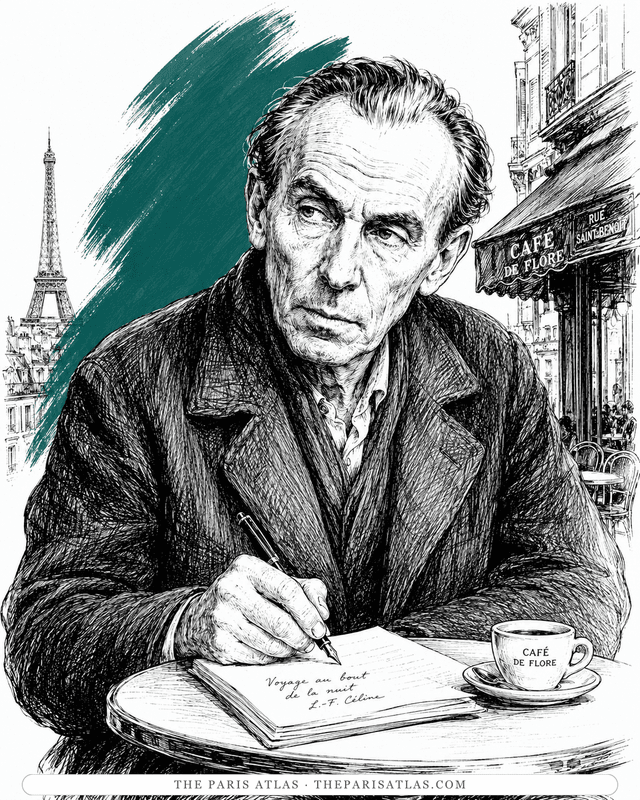
Louis-Ferdinand Céline
The other great stylist the Great War produced — where Hemingway cut the language down, Céline set it on fire. The same wound, opposite treatments.
View author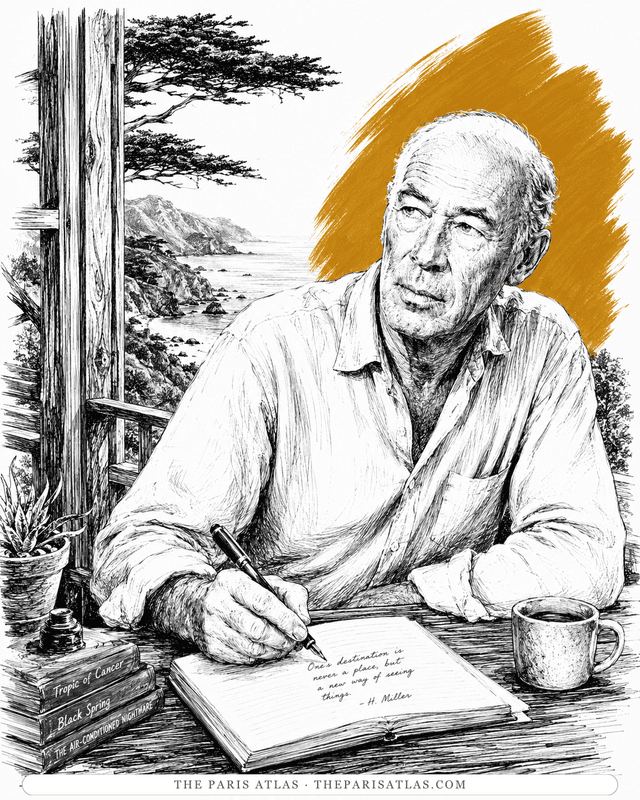
Henry Miller
Paris on no money a decade later, with the restraint removed. Miller called Hemingway's Paris a tourist's Paris; readers get to referee.
View author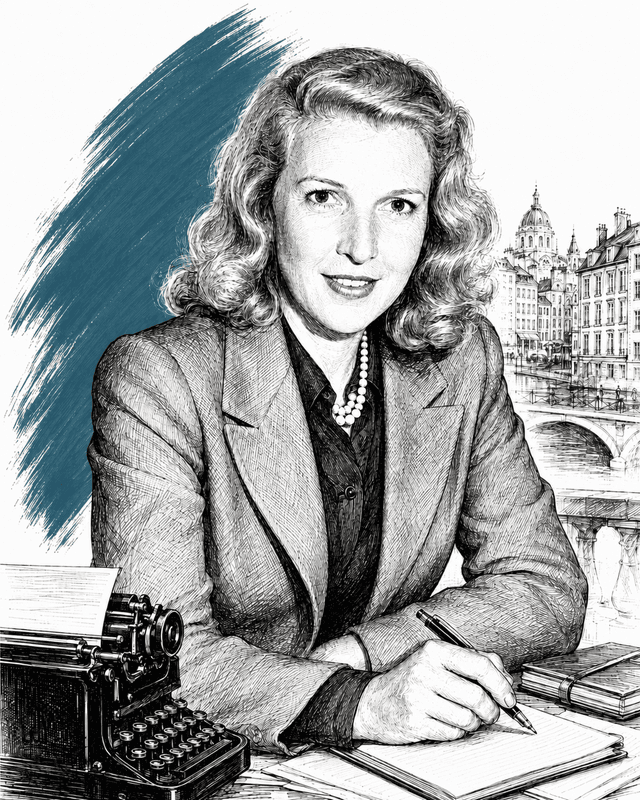
Martha Gellhorn
War correspondent who covered the Spanish Civil War, D-Day, and conflicts across five more decades; Hemingway's third wife, 1940–1945.
View author