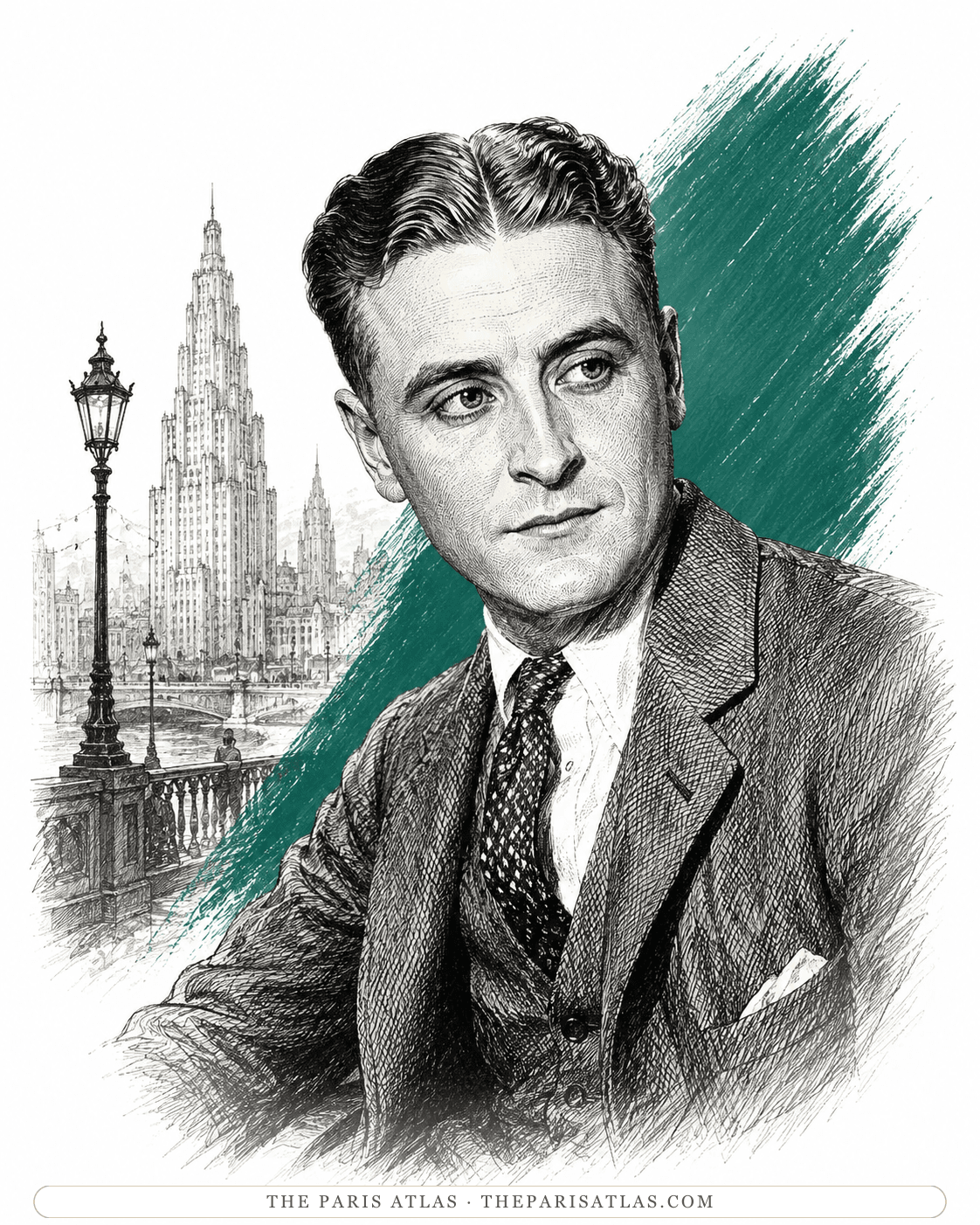
The Paris AtlasCharting the artists, works, and places worth returning to.
  • Author
  • Playwright
· American · 1900–1938

Thomas Wolfe

The American novelist who wrote Look Homeward, Angel — the third of Maxwell Perkins's great authors, and the one who came to resent what his editor had done for him.

Details

Lived
1900–1938
Born
3 October 1900
Birthplace
Asheville, North Carolina
Died
15 September 1938 · aged 37
Place of death
Baltimore, Maryland
Nationality
American
Roles
AuthorPlaywright
Also known as
Thomas Clayton Wolfe

About Thomas Wolfe

Thomas Wolfe wrote four novels, all of them enormous and all of them about himself. The first, Look Homeward, Angel (1929), drew on his childhood in Asheville, North Carolina so closely that the town recognised itself in it and did not forgive him for years. He died in 1938 at thirty-seven, leaving two more books in manuscript.

He belongs in these pages through his editor. Maxwell Perkins at Charles Scribner's Sons cut some sixty thousand words from the manuscript that became Look Homeward, Angel, then spent two years arguing the sequel down to a publishable length. The work made both men famous and finally set them against each other: in 1936 a critic wrote that the novels had been shaped into books by Perkins, and Wolfe left Scribner's to prove he did not need him.

He reached Paris once that matters. A Guggenheim fellowship took him to Europe in 1930, and in June that year, in Paris, Perkins's two best-known authors met for the first time. Wolfe called on F. Scott Fitzgerald, and the two of them spent the afternoon talking and drinking.

Asheville

Thomas Clayton Wolfe was born in Asheville, North Carolina on 3 October 1900, the youngest child of William Oliver Wolfe and Julia Westall Wolfe. His father carved stone and ran a gravestone business. His mother took in boarders and bought property, and in 1906 she acquired a boarding house on Spruce Street called the Old Kentucky Home.

He grew up in it, among lodgers, and it is the house the first novel is set in. It stands today as the Thomas Wolfe Memorial, a North Carolina state historic site.

He meant to write plays

Wolfe entered the University of North Carolina at Chapel Hill in 1916, aged fifteen, and graduated in June 1920. He had started writing for the stage there with Frederick Koch's Carolina Playmakers. From Chapel Hill he went to Harvard to study playwriting under George Pierce Baker, whose 47 Workshop staged two versions of his play The Mountains in 1921. He took a master's degree in 1922, the year his father died.

No producer wanted the plays, which were long and hard to stage. In February 1924 he began teaching English at New York University, a job he came back to for most of the next seven years, and started writing prose instead.

Aline Bernstein

In 1925, on the ship bringing him home from a year in Europe, Wolfe met Aline Bernstein. She was a New York stage designer, born in 1880 and so twenty years older than he was, and she was married. The affair began that October and lasted five years. She supported him financially while he wrote the manuscript that made his name, and pushed him toward novels and away from the theatre.

Look Homeward, Angel is dedicated to "A. B."

O Lost, and what Perkins did to it

The manuscript that reached Charles Scribner's Sons was called O Lost, and before that The Building of a Wall. Maxwell Perkins took it on and cut roughly sixty thousand words. It was published in October 1929 as Look Homeward, Angel, weeks before the Wall Street crash.

Asheville read it as a directory. Neighbours, boarders, and relatives identified themselves in it, the public library banned it, and Wolfe stayed away from home for years afterwards. The Thomas Wolfe Memorial describes what followed as an eight-year self-imposed exile.

Paris, June 1930

The novel won him a Guggenheim fellowship, and he sailed for Europe in May 1930 to spend it. He was in Paris that June, keeping up with news from home through Perkins's letters, when he met F. Scott Fitzgerald. Their shared editor had encouraged the introduction. Fitzgerald asked him to lunch; the afternoon ran on into drinking and talk, and Wolfe wrote to Perkins about it a few days later.

The two men kept writing to each other through the 1930s. They disagreed about almost everything to do with how a novel should be built, which is the argument Wolfe spent the rest of his life having with everybody.

Of Time and the River, and the accusation

The second novel took years. Wolfe kept adding pages and Perkins kept trying to hold a line on the length; the book that came out of it, Of Time and the River, appeared in 1935 and sold better than the first.

In 1936 Wolfe published The Story of a Novel, his own account of how the book had been made. Reviewing it in the Saturday Review, the critic Bernard DeVoto wrote that Look Homeward, Angel had been "hacked and shaped and compressed into something resembling a novel by Mr. Perkins." It was the charge Wolfe could least afford, because he had described the process himself. He left Scribner's in 1937, persuaded by the editor Edward Aswell, and signed with Harper & Brothers.

Germany

Wolfe sold well in Germany, liked the country, and went back to it repeatedly. He was in Berlin for the 1936 Olympic Games. What he saw being done to Jews there changed his view of the government, and he wrote about it in a story, "I Have a Thing to Tell You," published in The New Republic in 1937. Germany banned his books.

The last summer

He travelled west in the summer of 1938 and fell ill with pneumonia in Seattle in July, spending three weeks in hospital there. On 12 August, writing from his room and against his doctors' instructions, he sent a letter to Perkins. It was the last thing he wrote to him, and the two had barely spoken since the break.

I've made a long voyage and been to a strange country.

Thomas Wolfe to Maxwell Perkins, 12 August 1938

The tuberculosis in his lung had reactivated and spread. On 6 September he was moved to Johns Hopkins Hospital in Baltimore, where the surgeon Walter Dandy operated and found miliary tuberculosis of the brain. Wolfe died there on 15 September 1938, eighteen days short of his thirty-eighth birthday. He is buried in Riverside Cemetery in Asheville.

Before he went west he had left Edward Aswell a manuscript running to thousands of pages. Aswell cut two novels out of it and published them after Wolfe's death. The question of how much of a Thomas Wolfe novel is Thomas Wolfe therefore outlived him, and has never been settled.

The four novels

  • Look Homeward, Angel (Charles Scribner's Sons, October 1929). Cut by Maxwell Perkins from the manuscript called O Lost. Asheville, thinly disguised, from birth to leaving home.
  • Of Time and the River (Charles Scribner's Sons, 1935). Two years in the editing. Eugene Gant from Harvard to Europe.
  • The Web and the Rock (Harper & Brothers, 1939). Posthumous, assembled by Edward Aswell.
  • You Can't Go Home Again (Harper & Brothers, 1940). The second book Aswell made from the same manuscript; its title has outlasted its readership.

He also published a story collection, From Death to Morning (1935), and The Story of a Novel (1936), the account of his own working method that started the argument about his editor.

Life events

  1. 1900

    Born 3 October in Asheville, North Carolina, to a stone carver and a boardinghouse keeper.

  2. 1906

    His mother buys the Old Kentucky Home, a boarding house on Spruce Street. He grows up in it.

  3. 1916

    Enters the University of North Carolina at Chapel Hill, aged fifteen.

  4. 1920

    Graduates in June and goes to Harvard to study playwriting under George Pierce Baker.

  5. 1921

    Baker's 47 Workshop stages two versions of his play The Mountains.

  6. 1922

    Takes a master's degree at Harvard. His father, William Oliver Wolfe, dies.

  7. 1924

    Begins teaching English at New York University in February, and sails for Europe in October.

  8. 1925

    Meets Aline Bernstein on the crossing home. The affair begins in October and runs five years.

  9. 1929

    Look Homeward, Angel is published in October by Charles Scribner's Sons, cut by some sixty thousand words from a manuscript called O Lost. Asheville's public library bans it.

  10. 1930

    A Guggenheim fellowship takes him to Europe. In Paris in June he meets F. Scott Fitzgerald.

  11. 1935

    Of Time and the River is published after two years of editing with Maxwell Perkins.

  12. 1936

    Bernard DeVoto writes in the Saturday Review that the novels were shaped into books by Perkins. Wolfe is in Berlin for the Olympic Games.

  13. 1937

    Leaves Scribner's for Harper & Brothers. "I Have a Thing to Tell You" appears in The New Republic and Germany bans his books.

  14. 1938

    Falls ill in Seattle in July. Writes his last letter to Perkins on 12 August, and dies of miliary tuberculosis at Johns Hopkins on 15 September, aged thirty-seven.

  15. 1939–40

    Edward Aswell edits The Web and the Rock and You Can't Go Home Again out of the manuscript Wolfe left behind.

People they knew

Documented connections — every one carries its source.

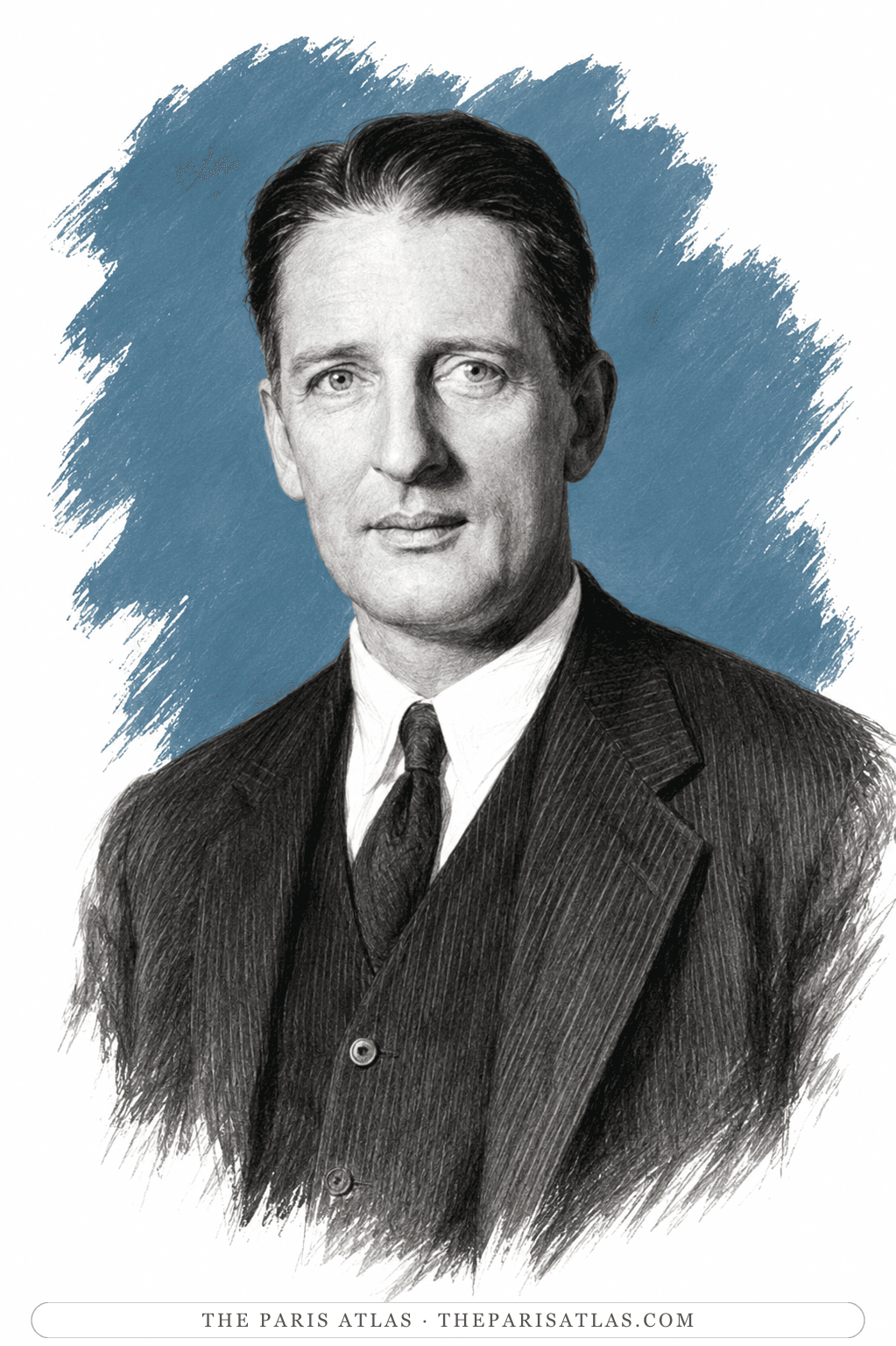
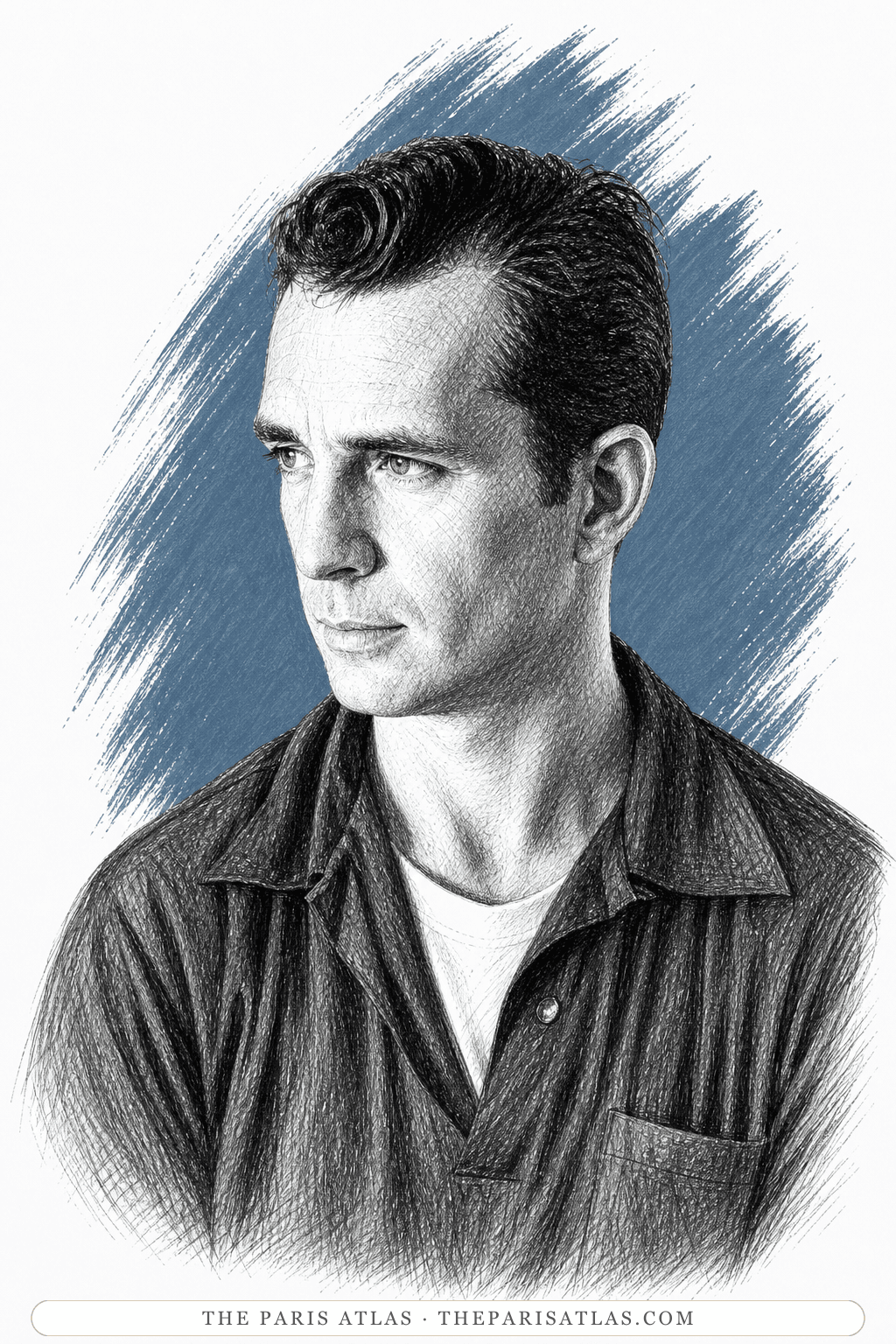
Illustrated portrait of F. Scott Fitzgerald

F. Scott Fitzgerald

  • Author

Met · 1930

Their shared editor, Maxwell Perkins, encouraged the introduction. Wolfe was in Europe on a Guggenheim fellowship and called on Fitzgerald in Paris in June 1930; the lunch became an afternoon of talking and drinking, and Wolfe wrote to Perkins about it days later. The two corresponded through the 1930s and disagreed steadily about how much a novelist should cut.
Asheville Archives: Thomas Wolfe befriends F. Scott Fitzgerald; Wikipedia — Thomas Wolfe

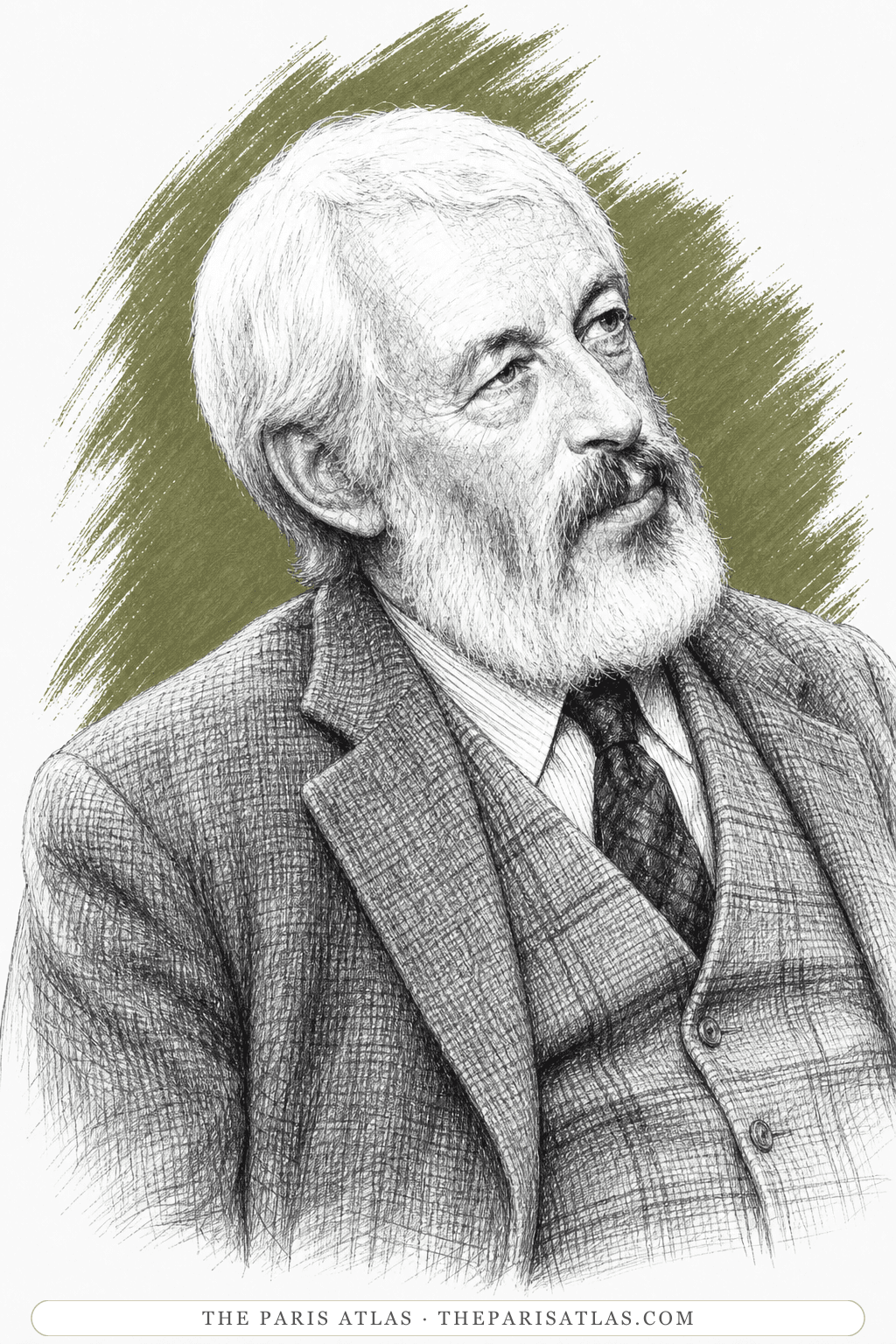
Illustrated portrait of Maxwell Perkins

Maxwell Perkins

  • Editor

Collaborated with · 1928–1937

Perkins cut roughly sixty thousand words from the manuscript called O Lost and published it as Look Homeward, Angel in 1929, then spent two years shaping Of Time and the River. In 1936 Bernard DeVoto wrote in the Saturday Review that the first novel had been made into a book by its editor; Wolfe left Scribner's for Harper & Brothers in 1937. His last letter, written from a Seattle hospital on 12 August 1938, was to Perkins.

A. Scott Berg, Max Perkins: Editor of Genius (1978); Wikipedia — Thomas Wolfe; Biography of Thomas Wolfe — Thomas Wolfe Memorial; Thomas Wolfe (1900–1938), Look Homeward, Angel and its reception in Asheville

Questions about Thomas Wolfe

Who was Thomas Wolfe?

An American novelist, born in Asheville, North Carolina in 1900 and dead at thirty-seven in 1938. He wrote four very long autobiographical novels, of which Look Homeward, Angel (1929) is the best known, and he was the third of the three great authors Maxwell Perkins edited at Charles Scribner's Sons, after F. Scott Fitzgerald and Ernest Hemingway.

Why was Asheville angry about Look Homeward, Angel?

Because the town could identify itself in it. Wolfe set the novel in a version of Asheville and drew its people, including his own family and his mother's lodgers, closely enough that readers matched the characters to their neighbours. The public library banned the book, and Wolfe did not go home for years.

Did Maxwell Perkins write Thomas Wolfe's novels?

No, but the question was asked seriously in his lifetime and it wounded him. Perkins cut about sixty thousand words from the manuscript of Look Homeward, Angel and worked for two years on the shape and length of Of Time and the River. In 1936 Bernard DeVoto wrote in the Saturday Review that the first novel had been "hacked and shaped and compressed into something resembling a novel by Mr. Perkins." Wolfe wrote the sentences; how much of the structure was his is a real argument, and his own account of the process, The Story of a Novel, is what gave DeVoto the opening.

Why did Thomas Wolfe leave Scribner's?

To prove he could publish without Perkins. The DeVoto review in 1936 made the editing public, and Wolfe left in 1937 for Harper & Brothers, where Edward Aswell had been courting him. The two men were barely in touch afterwards, and Wolfe's last letter, written from a Seattle hospital a month before he died, was to Perkins.

Did Thomas Wolfe meet F. Scott Fitzgerald?

Yes, in Paris in June 1930, while Wolfe was in Europe on a Guggenheim fellowship. Perkins edited them both and encouraged the introduction. Fitzgerald invited him to lunch and the afternoon turned into a long session of talking and drinking; Wolfe wrote to Perkins about it days later. They corresponded through the 1930s and disagreed steadily about how much a novelist should cut.

How did Thomas Wolfe die?

Of tuberculosis, on 15 September 1938, eighteen days before his thirty-eighth birthday. He caught pneumonia in Seattle in July 1938 and spent three weeks in hospital there; the tuberculosis already in his lung spread through his bloodstream to his brain. He was moved to Johns Hopkins Hospital in Baltimore on 6 September, where the surgeon Walter Dandy operated and found miliary tuberculosis of the brain. He is buried in Riverside Cemetery in Asheville.

Is Thomas Wolfe the same person as Tom Wolfe?

No, and they are not related. Tom Wolfe (1930–2018) was the journalist and novelist who wrote The Right Stuff and The Bonfire of the Vanities, and who wore white suits. Thomas Wolfe died in 1938, eight years after the other was born.

Sourced claims

Every connection the graph holds for Thomas, with the evidence behind it.

Met · 1930

F. Scott Fitzgerald

Their shared editor, Maxwell Perkins, encouraged the introduction. Wolfe was in Europe on a Guggenheim fellowship and called on Fitzgerald in Paris in June 1930; the lunch became an afternoon of talking and drinking, and Wolfe wrote to Perkins about it days later. The two corresponded through the 1930s and disagreed steadily about how much a novelist should cut.
Asheville Archives: Thomas Wolfe befriends F. Scott Fitzgerald; Wikipedia — Thomas Wolfe

Collaborated with · 1928–1937

Maxwell Perkins

Perkins cut roughly sixty thousand words from the manuscript called O Lost and published it as Look Homeward, Angel in 1929, then spent two years shaping Of Time and the River. In 1936 Bernard DeVoto wrote in the Saturday Review that the first novel had been made into a book by its editor; Wolfe left Scribner's for Harper & Brothers in 1937. His last letter, written from a Seattle hospital on 12 August 1938, was to Perkins.

A. Scott Berg, Max Perkins: Editor of Genius (1978); Wikipedia — Thomas Wolfe; Biography of Thomas Wolfe — Thomas Wolfe Memorial; Thomas Wolfe (1900–1938), Look Homeward, Angel and its reception in Asheville

Browse all authors