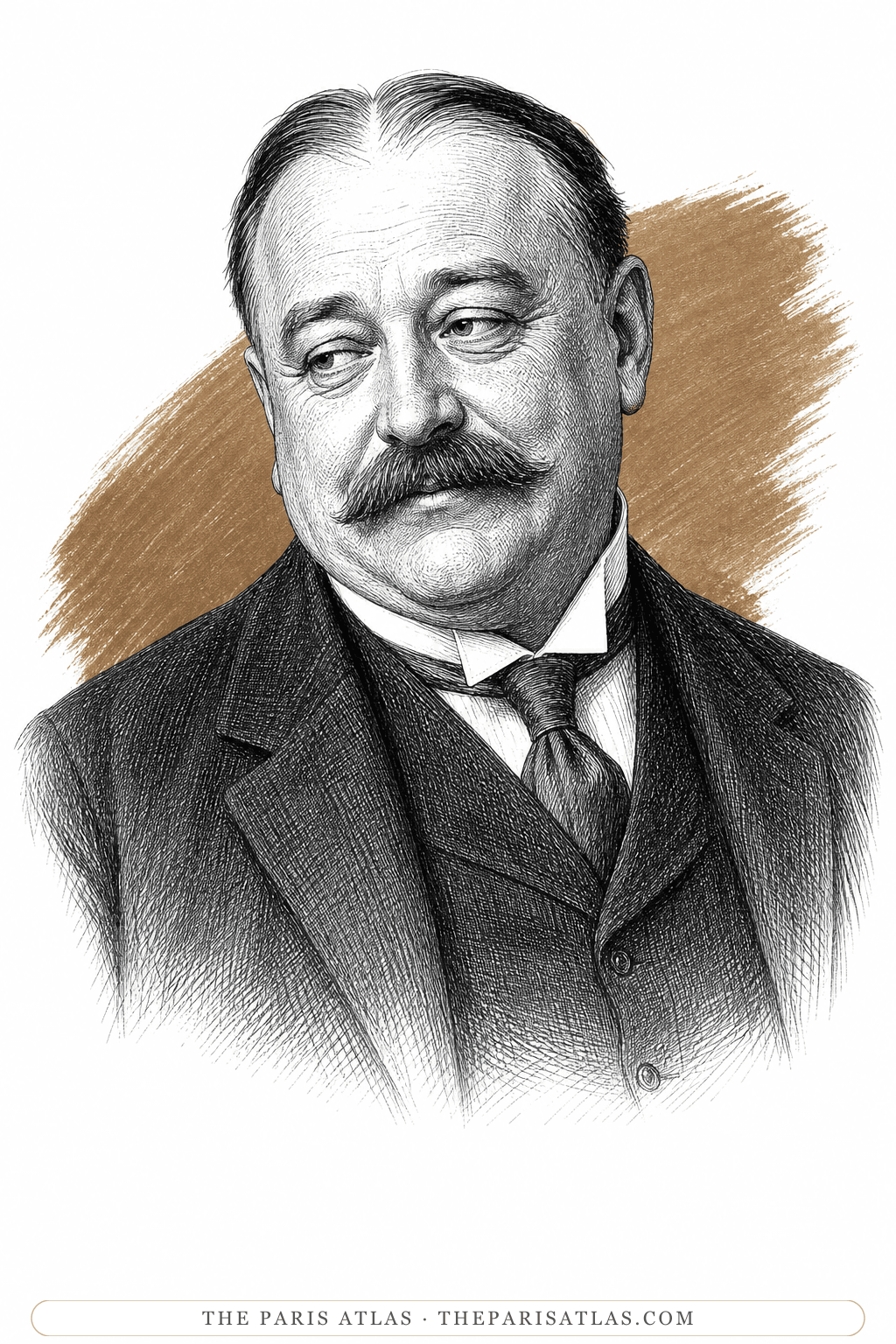
The narrator's father
A New York merchant tailor, called "the old man" on nearly every page. He drinks with his customers, cannot collect his bills, and employs his son in the shop. Miller's own father.
Heinrich Miller — books, places, and lifeThe book

At a glance
- "The old man" — the narrator's father, and his employer
- Merchant tailor, in a shop on a side street below the Waldorf hotel in New York
- Father and son, with the narrator's mother holding the money
- "The Tailor Shop" mainly, with glimpses in "The Fourteenth Ward" and the dream piece "Into the Night Life"
Who they are in the book
Spoiler-freeBlack Spring, published in 1936, is a book of ten separate prose pieces by the American writer Henry Miller. The longest of them is called "The Tailor Shop", and it is about the years the narrator spent working for his father in a New York tailoring business. The book never gives the father a name. He is "the old man" almost every time he appears.
The shop sits on a side street below the Waldorf hotel, facing a hotel called the Olcott. Miller writes that they were Fifth Avenue tailors even though they were not on the Avenue, and describes the business in one line: "A joint corporation of father and son, with mother holding the boodle." The customers are elderly rich men who complain that nothing fits and who settle their accounts late or not at all. The son's job is to walk to their offices and ask for money without giving offence.
The old man's own answer to the same problem is different. He drinks with the customers, runs up their hotel accounts, and treats the shop as a place to be got away from at about ten in the morning. The narrator is hard on him and fond of him at once. Of the drinkers his father kept company with, Miller writes: "The men my father loved were weak and lovable."
Black Spring is autobiography with most of the names changed, and the tailor shop was real. Miller worked in his father's shop in New York before he left for Paris.
This profile is drawn from the Grove Press text of 1963, read in the Internet Archive's scan.
How The narrator's father Is Portrayed
- Ten o'clock, and the first nipAround ten each morning he goes down to the bar across the street. If he is over there when an old customer arrives at the shop, the narrator says, the whole day comes apart.
- Eating a customer's unpaid billTom Moffatt manages the hotel opposite, orders clothes in every season, never queries the price and never pays. The old man's revenge is to charge bar rounds and long lunches to Moffatt's hotel account and invite his friends along, on the reasoning that if the man will not pay for his clothes they will eat them instead. By the time Moffatt orders a pair of flannel trousers, the old man has eaten them the next day.
- Sending his son out to collectThe working day begins with an instruction: ask so-and-so for a little something on account, but don't insult him. The son walks into the Woolworth Building and the American Express Building with a card, is thanked for calling, and watches the card go into the waste basket.
- Peacock Alley the night beforeThe son's walk to work runs north from the Delancey Street station under the elevated line to the shop below the Waldorf, past the hotel where the old man had spent the previous evening lounging about in Peacock Alley with a friend.
- The night with Tom JordanHe comes home too drunk to manage and takes his friend Tom Jordan into his bed. The parents end up wrestling on the floor with a broomstick flying. In the morning Tom Jordan is on his knees asking to be forgiven, and is not forgiven.
- The basket of fishIn the childhood piece "The Fourteenth Ward", the narrator remembers almost nothing of his father's fishing trips except the boozy breath when he came home in the evening and tipped a big green basket of live fish out onto the floor.
- Stropping the razorThe image the son keeps of him: bright German steel laid against the strop at the window while the coffee is poured. In the dream piece "Into the Night Life" the son goes to him for help and finds him at the same window with a rusted blade, not listening, asking for worms so they can go fishing.
If you like Black Spring


If you like Henry Miller
Explore authors with a similar voice, perspective, and influence.
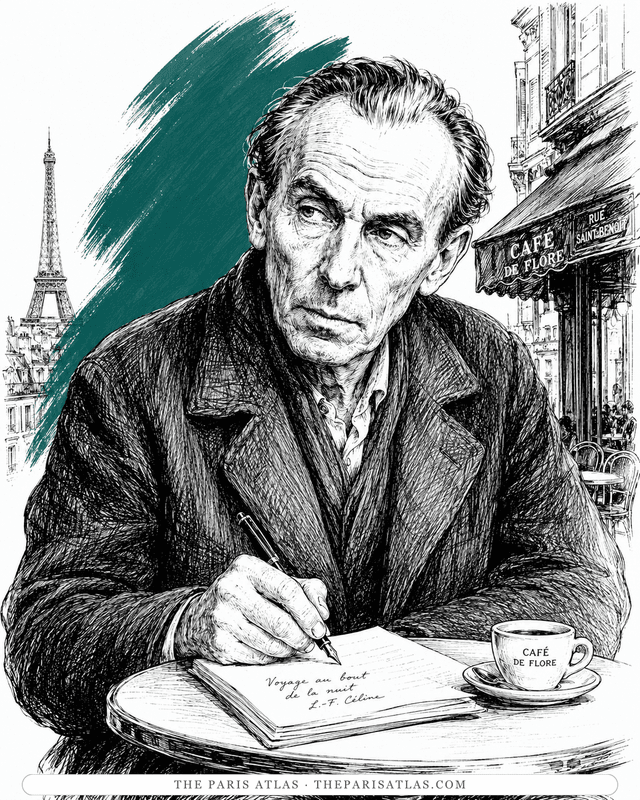
Louis-Ferdinand Céline
Miller's acknowledged master at making literature out of the gutter. Journey gave him permission; Cancer is what he did with it.
View author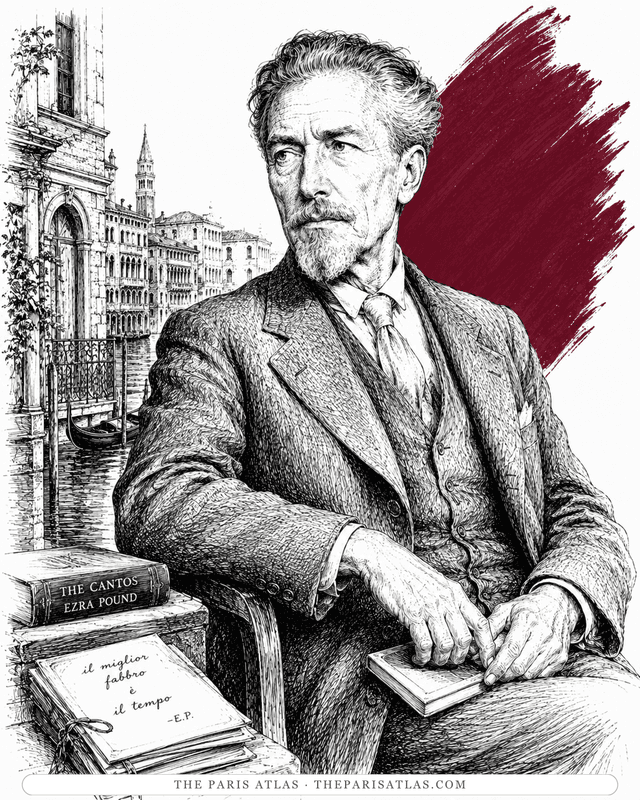
Ezra Pound
Pound read Cancer and sent Miller a famously backhanded postcard. Both believed literature's job was to wake the reader by any means necessary.
View author
Simone de Beauvoir
French writer and philosopher whose novels, memoirs, and social analysis examined freedom, gender, responsibility, aging, and the material conditions that shape a life.
View author