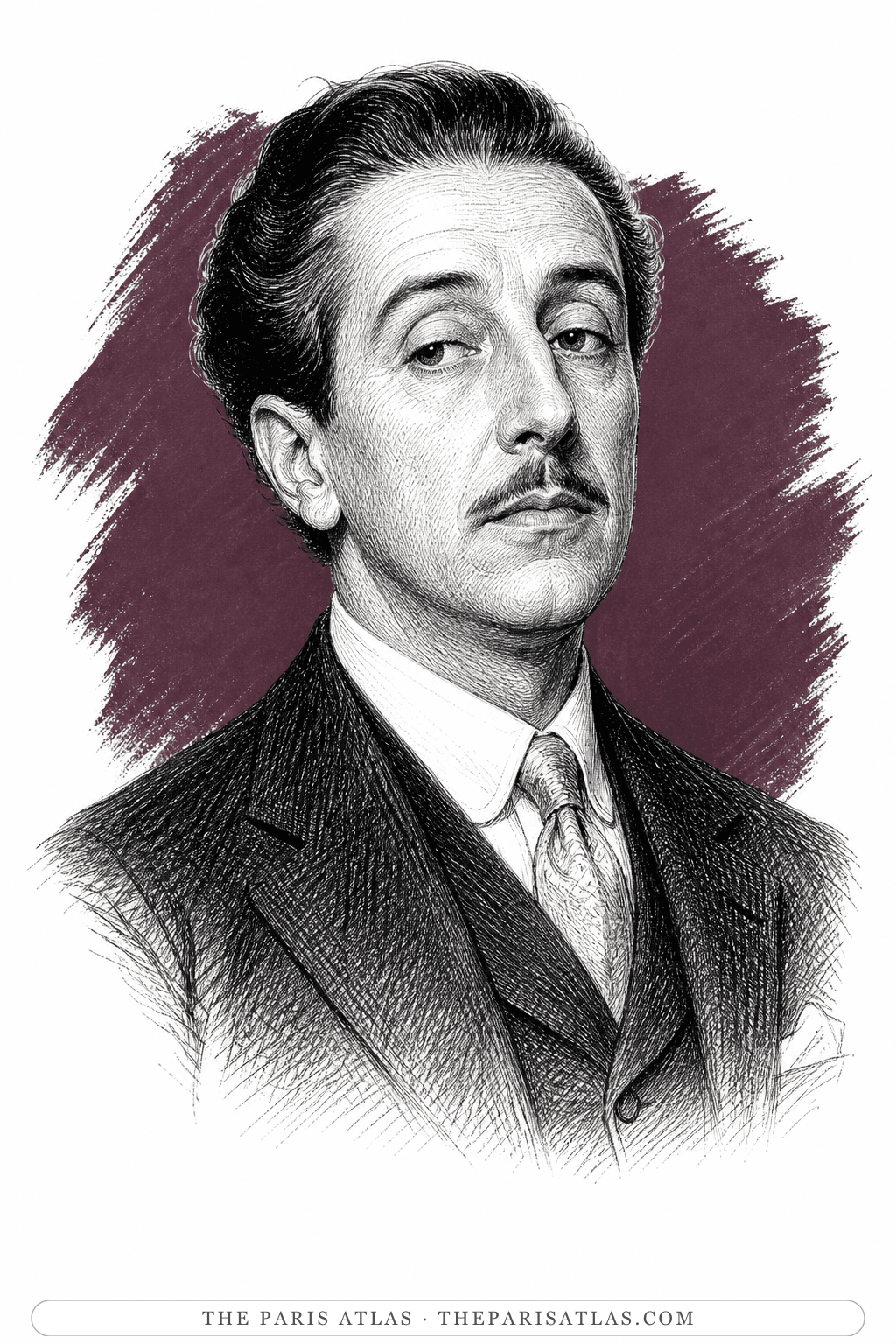
Joaquín Nin
Her father, a Spanish composer and concert pianist, who left the family when she was a child. He comes back in 1933, and the reunion runs through the second half of the book.
To be recognised by his daughter as her equal and her double.
The book

At a glance
- 'my father' — a Spanish composer and concert pianist; his son carries the same first name
- In the childhood passages throughout, then in person from 1933 to the end
- Maruca, a former piano pupil, whom he married after leaving the family
- "Your life is all fireworks" (page 343)
- Joaquín Nin y Castellanos · 1879–1949 · Havana
Who they are in the book
Spoiler-freeJoaquín Nin was a Spanish composer and concert pianist who played Bach for salons across Europe. He left his wife and their three children at Arcachon, on the French coast, when Anaïs Nin was a girl. She clung to his coat and asked him not to go and had to be pulled away. She began her diary soon afterwards, on the ship to America, as a letter to him that was never sent.
He comes back twenty years later, married to a former piano pupil named Maruca and living well. What follows is not a reconciliation but a long, wary courtship between two people who keep telling each other they are the same person. He paces the studio firing questions about religion, politics and morals and is delighted when her answers match his. They meet at Valescure on the Riviera. He says in front of a room of people that nobody has ever given him the feeling she gives him.
It falls apart over the one thing they had promised each other, which was not to lie. She works out that he is inventing for her exactly as he invents for everyone else, and in the final scene she stops arguing with him and hears her mother's voice coming out of her own mouth. He takes to his bed and goes back on tour.
How Joaquín Nin Is Portrayed
- The arrivalThe gate bell rings like a cowbell, the maid swings the big green gate open, and the American car he had wanted all his life rolls up the gravel. He is carrying so many flowers they hide his face, and a box with a Lalique vase in it (page 219).
- The dandyAs children, his cologne and his luxurious shirts mattered more in the house than toys for them or clothes for their mother. At the hotel in Valescure the hairdresser tells her he has his hair tinted so the grey will not show (pages 218, 245).
- The ordering of everythingHe arrives stiff with lumbago and will not let her unpack his bag. He orders special fruit, special biscuits, special drinking water, a special room and a special bed, and has the waiter go round with the Flytox, because one fly can keep him awake (page 245).
- The house she grew up inMusic and quartets behind a closed study door, and war everywhere else: at mealtimes, over their heads at night, in the next room. One quarrel frightened her so much that she screamed until both parents stopped (page 227).
- The questionsPacing the long red-tiled floor of the studio, he fires questions at her like a parlour game — favourite flower, favourite piece of music, then religion, politics, morals — and is exultant because she answers them as he wants (page 219).
- The lie she caughtHe reads her a whole paragraph of affectionate messages to her from his wife's letter. She rereads the letter later and finds the paragraph is not there; the line about her is a conventional one (page 252).
- Dressing for PaderewskiInvited to dinner by the pianist in a half-empty summer hotel, he insists they dress formally. Paderewski's doctor and secretary turn up in Riviera open shirts and are furious. She records it as characteristic (page 259).
- The illness he takes refuge inAfter their scene he receives her in bed with his wife at his side, his voice weak, and announces to the room that his daughter thinks he is running off with a virgin violinist of seventeen (page 329).
The reunion does not last the volume.
If you like The Diary of Anaïs Nin, 1931–1934


If you like Anaïs Nin
Explore authors with a similar voice, perspective, and influence.
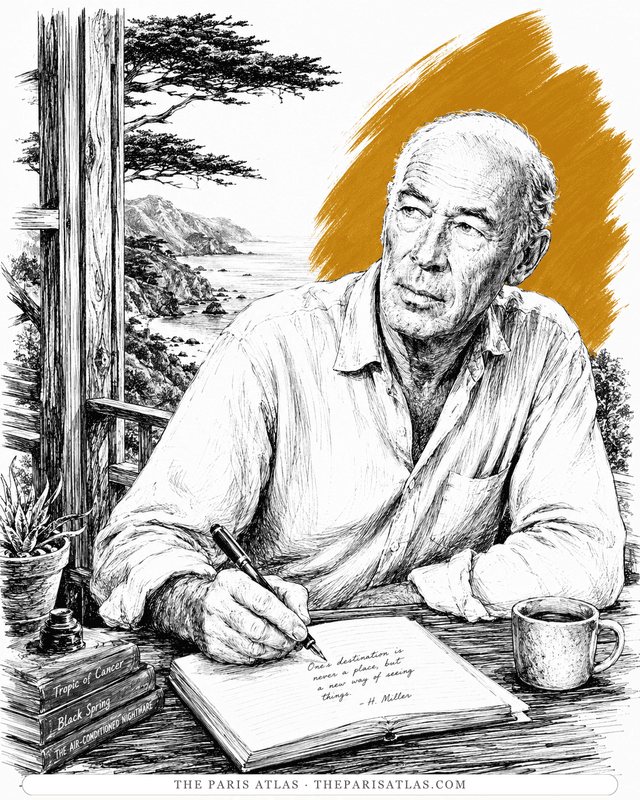
Henry Miller
The entangled careers of the Villa Seurat: she financed and prefaced his scandal, he detonated her prose — and each wrote the other into the century's record.
View author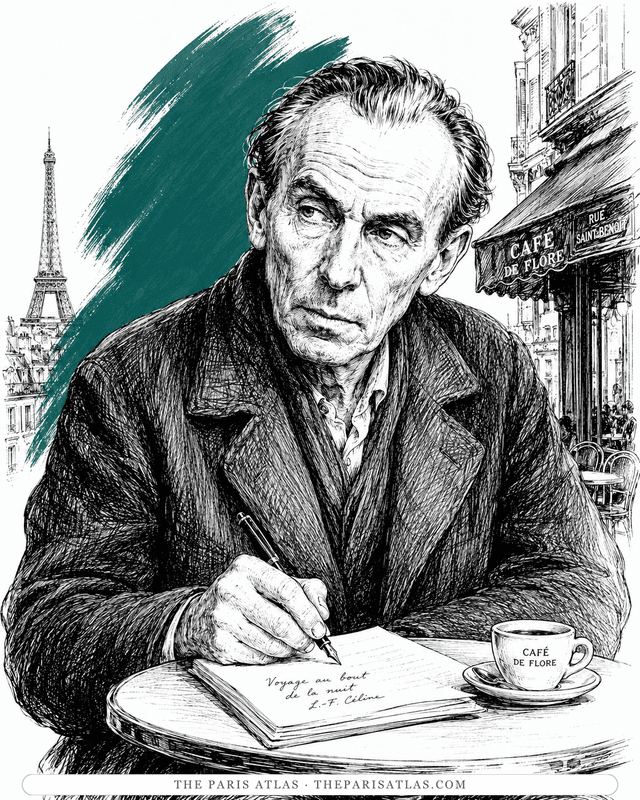
Louis-Ferdinand Céline
The doctor of the Paris slums who wrote the century's blackest, funniest novel — and changed the sound of French prose.
View author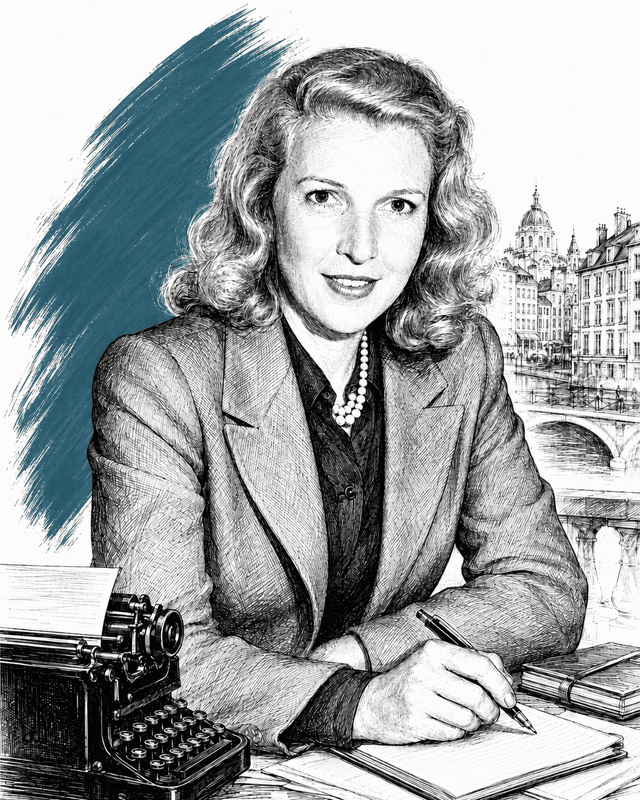
Martha Gellhorn
War correspondent who covered the Spanish Civil War, D-Day, and conflicts across five more decades; Hemingway's third wife, 1940–1945.
View author