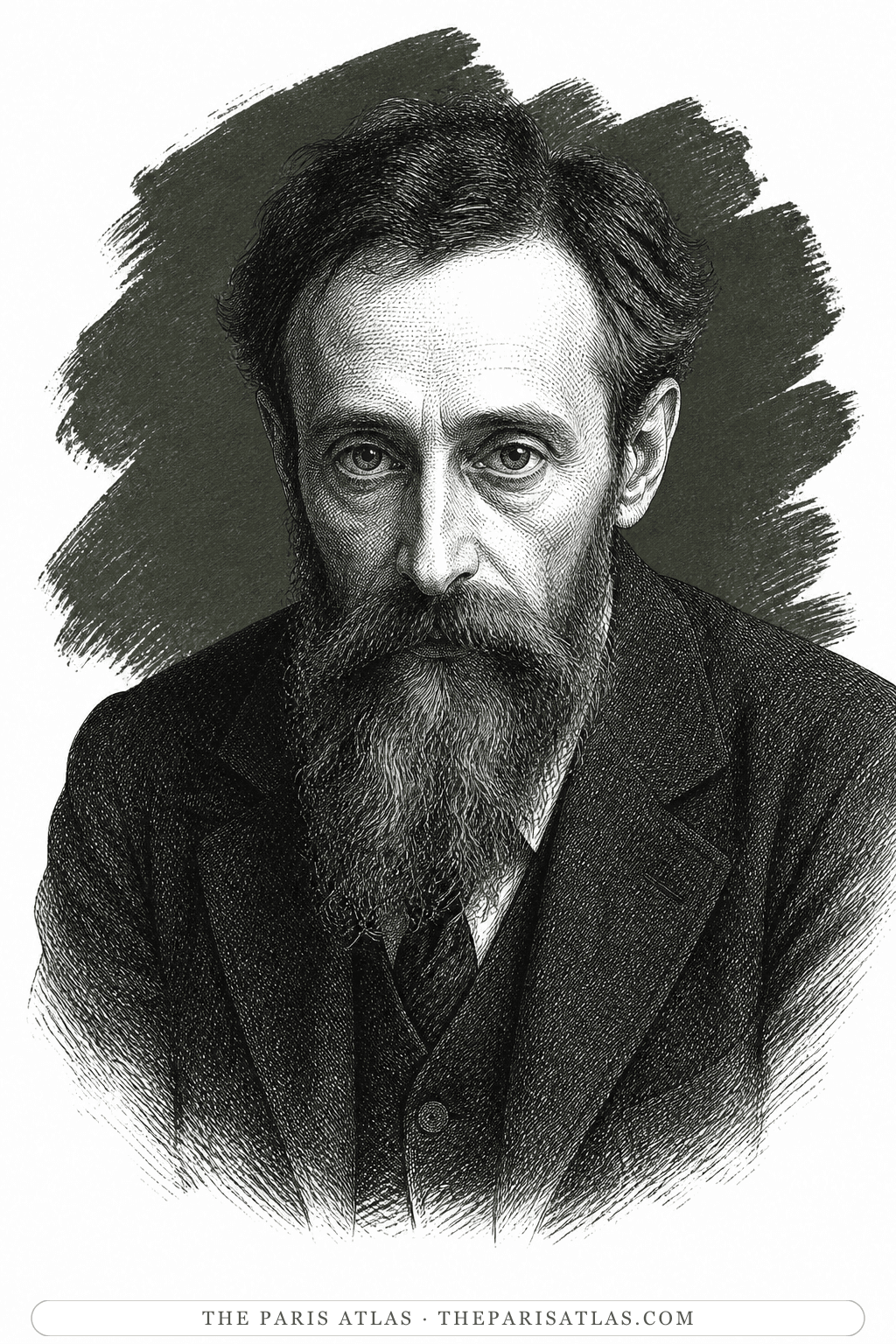
René Allendy
Her first analyst, a Paris doctor who also wrote on astrology and alchemy. He treated her for a year and then stopped being able to stay objective about her.
To move her out of the artists' world and into a settled one.
The book

At a glance
- 'Dr Allendy' — a Paris doctor and analyst, and the analyst of Antonin Artaud
- 1932 to 1933, the middle of the volume
- Half his fee in money and the rest in library research and rewriting
- René Allendy · 1889–1942 · Paris
Who they are in the book
Spoiler-freeRené Allendy was a French doctor and one of the founders of psychoanalysis in Paris. He wrote on destiny, on alchemy and on the occult, ran a lecture series on new ideas at the Sorbonne, and was Antonin Artaud's analyst. Nin went to him in 1932 on the urging of Marguerite S., the young translator who was typing her diary and who was already his patient.
The sessions are set down almost as a script, with his questions and her answers written out in turn: her father's beatings, her fear of cruelty, the reasons she gave up dancing, her conviction that no man would want a woman built as she is. He is patient, and often right, and she notices all through that she is performing for him anyway.
It comes apart because he starts trying to move her out of the life she has chosen. He calls Henry Miller a monster, tells her she needs rescuing from that milieu, and asks her to stop seeing the Millers altogether. She goes on seeing them, brings an obedient version of herself to his office instead, and eventually leaves him for Otto Rank.
How René Allendy Is Portrayed
- The officeA room soundproofed by a heavy black Chinese curtain embroidered in gold thread. He slides the door open and lifts the curtain and stands there, very tall and bearded, the eyes the most alive part of his face (page 82).
- How he workedShe sits in an armchair facing the window with a small ashtray on the arm. He sits behind her, where nothing gives him away but the rustle of paper and the sound of his pencil (page 88).
- The feeWhen she tells him she can only afford one visit a week, he halves his fee and offers to let her pay the rest in work — library research for a book he is writing, and rewriting his articles (page 98).
- What he believedHis book argues that destiny is driven from the inside, by unconscious patterns people prefer to blame on outside forces, and that a man can control it to the extent that he becomes aware of them (page 81).
- Losing his objectivityHe begins passing judgement on Henry Miller, tells her that seeing the Millers is a symptom of her neurosis, and looks severe every time Miller is mentioned. She notes it as the moment the transfer ended (pages 138–139, 170).
- On the platformSeen from the back of a Sorbonne lecture hall for the first time, he stoops like a scholar bent too long over books and looks more timid than he does in his office. He is dissecting poetry, and she writes that it has become a cadaver (page 167).
- What Marguerite told herA hotel room done up in Pompadour blue, a whip taken out of his pocket, and a line about screaming that Marguerite recognised from the cheap novels sold on the quays. She laughed out loud and acted the rest of it (pages 204–205).
- The warnings about ArtaudHe tells her Artaud is a drug addict and a homosexual, and that she must not play with him because he is too miserable and too poor. He also says Artaud is like a son to him and that he cannot help him (pages 202, 224).
If you like The Diary of Anaïs Nin, 1931–1934


If you like Anaïs Nin
Explore authors with a similar voice, perspective, and influence.
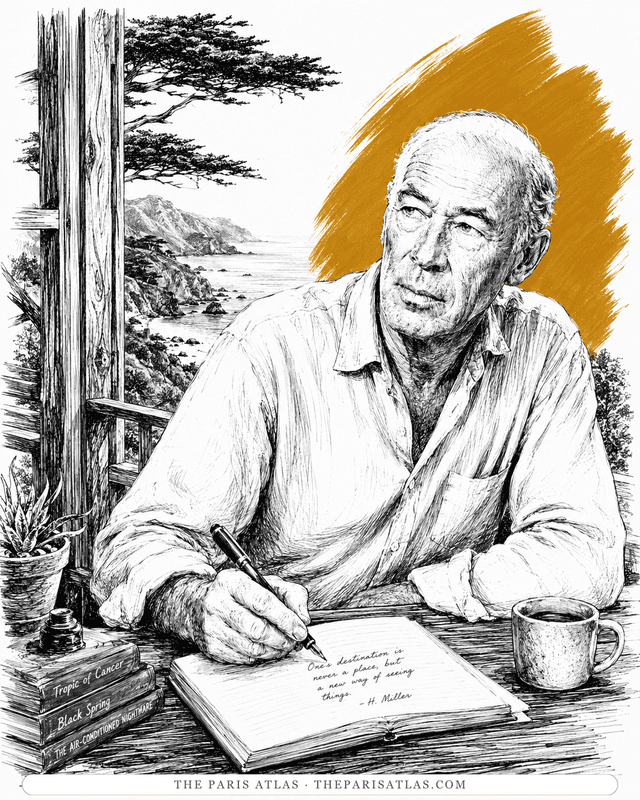
Henry Miller
The entangled careers of the Villa Seurat: she financed and prefaced his scandal, he detonated her prose — and each wrote the other into the century's record.
View author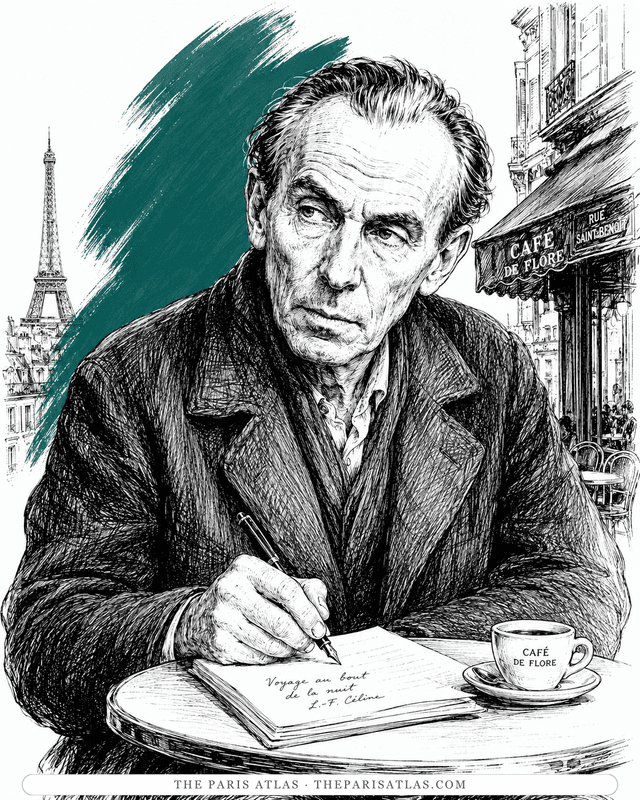
Louis-Ferdinand Céline
The doctor of the Paris slums who wrote the century's blackest, funniest novel — and changed the sound of French prose.
View author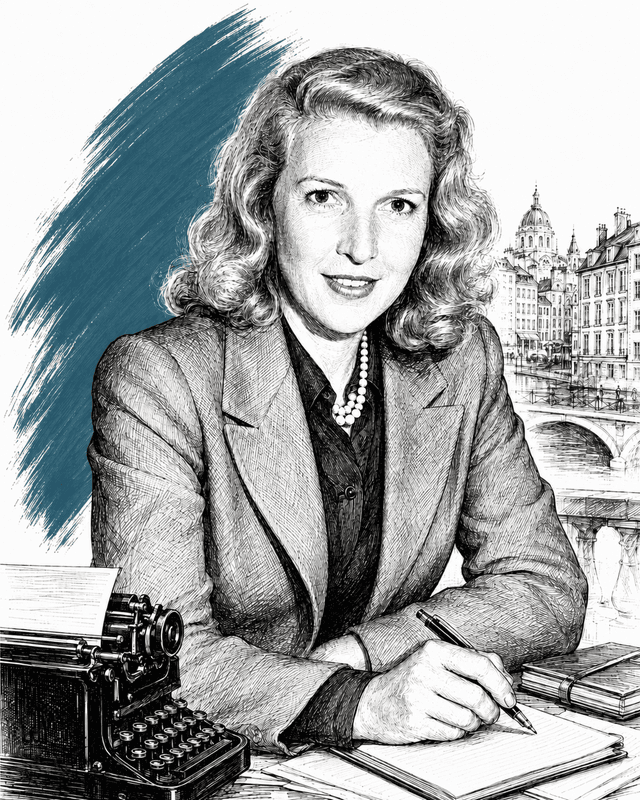
Martha Gellhorn
War correspondent who covered the Spanish Civil War, D-Day, and conflicts across five more decades; Hemingway's third wife, 1940–1945.
View author