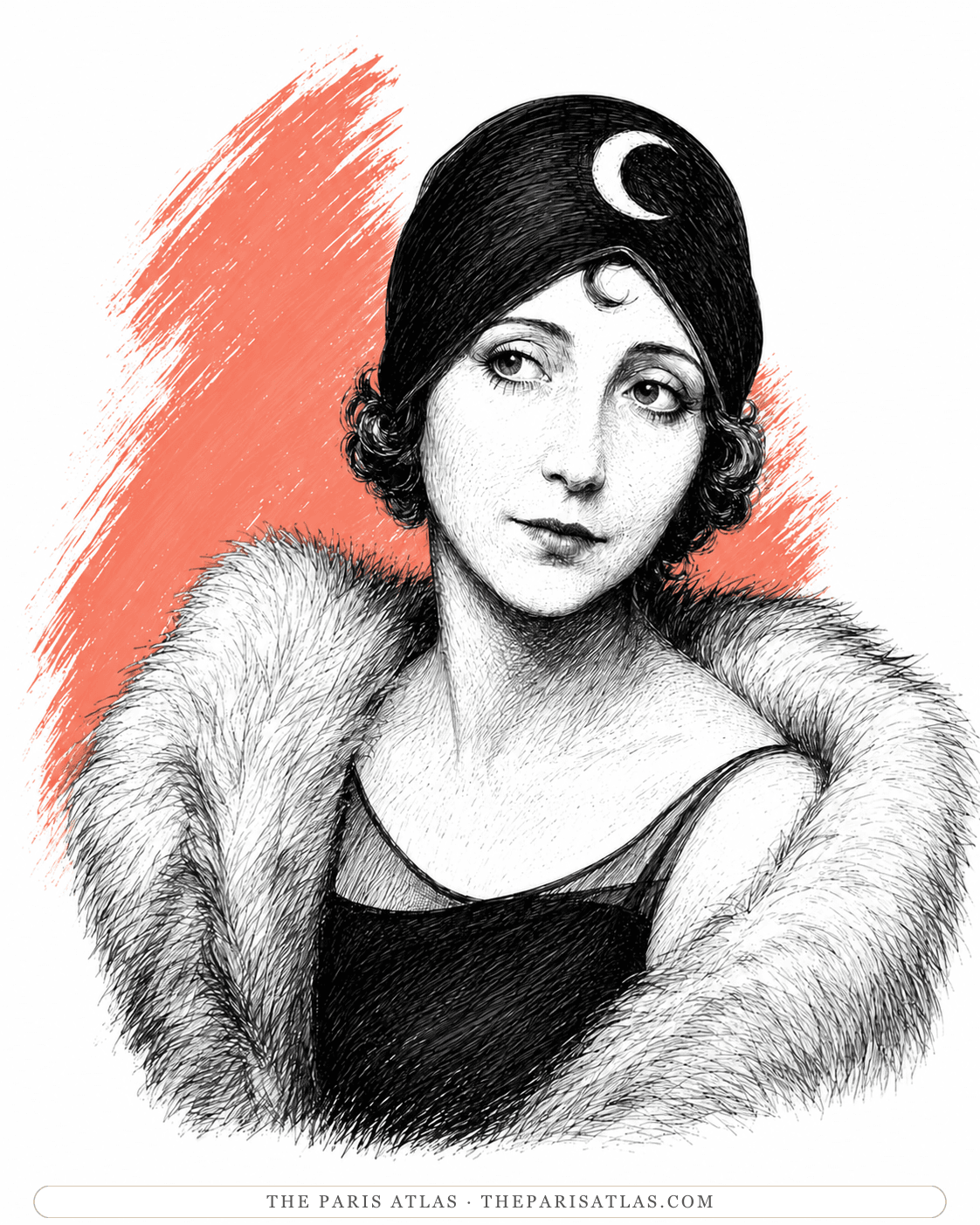

The Diary of Anaïs Nin, 1955–1966
The long approach — this volume is the arrival its last page promised.
Read our take
by Anaïs Nin
The famous years: lecture halls, honors, a new generation of readers — and the diarist watching her own arrival with a lifetime's practiced eye.
The last volume of the great journal covers the years everything changed: the Diary published to acclaim in 1966, the campuses claiming her, the lecture tours and honors, a generation of readers — young women above all — arriving with questions she had been answering privately for fifty years. Assembled from her final journals and published in 1980, three years after her death, it closes the sixty-year project where it belongs: with the watcher watching the world finally watch back. (A diary — the closing pages wait behind the reveal.)
The irony the whole sequence built toward: the writer of the century's most private book became one of its most public figures. The volume records the machinery of late fame — the tours, the interviews, the mail in sacks, honorary degrees, election to the National Institute of Arts and Letters — and Nin's complicated pleasure in it, gratitude and exhaustion keeping close company. The young readers are the volume's warmest presence: the diary had waited two generations for its audience, and when it arrived, it arrived asking her to explain their own lives to them.
Because Nin died in January 1977 with the last years still unedited, the seventh volume is a posthumous assembly: Gunther Stuhlmann shaped it from the final journals, ending it in 1974 — before the illness that filled her actual last diaries, which she had wanted kept separate. Read against Volume One it completes one of literature's longest single arcs: the eleven-year-old writing an unsent letter to a vanished father, and the woman in the lecture hall sixty years later, asked by strangers how to live.
1966–1974: publication and its explosion; the tours — New York, Paris, London, campuses across America; the correspondence and the pilgrims; the succeeding Diary volumes appearing every few years to compounding fame; friendships old and new attending the late seasons; and the diary's own strange new condition — a private practice continued in public, its keeper now describing rooms full of people who had read her descriptions of empty ones.
The volume — and the sixty-year project — closes in 1974 on a crest: honors accepted, the last volumes in motion, the life's work visibly complete and still being written. The editing spared readers the hospital diaries that followed (Nin kept her final illness in separate journals, by design), so the published sequence ends not with decline but with arrival — the century's most patient writer, paid in full, notebook still open. She died in Los Angeles in January 1977; the diary's public life was just beginning.
The opening lecture begins with an unexpectedly basic request: Nin must teach her audience how to pronounce her name. Readers' intimacy with the diary has not made its author fully familiar. Her comparison of favorable reviews to a sudden silence on a battlefield similarly makes recognition feel uncertain rather than inevitable. At the television rehearsal, her quiet delivery seems at odds with the display she thinks others expect. These small mismatches complicate the success story: gaining an audience also means negotiating the distance between a written self and a public performance.
The Bali sequence ends by interrupting its celebration of beauty. After observing a homesick visitor, Nin takes the same barstool and wonders whether she will return; her own illness enters the prospect of departure. The wish that follows turns toward another life, but it arises from uncertainty, not the disappearance of fear. This is Nin's symbolic response to what she has witnessed, not an account of what all Balinese people believe. An editorial epilogue then follows with selections from her late notebooks: Bali concludes the journey, not the volume's final printed words.
From the unsent letter of 1914 to the lecture halls of the seventies — the longest self-portrait in modern letters gets its final panel.
Nin turns the diary's analytic habits on celebrity itself — her own — with the old precision intact.
The young women arriving with the Diary in hand are the volume's real event, and Nin knows it.
1966
The first Diary volume appears; the volume opens on the fame the previous one only promised.
1966–1974
Lecture tours, honors, and the succeeding volumes — the diary continued in public.
1977
Nin dies in Los Angeles in January, the final years still unedited.
1980
Gunther Stuhlmann's posthumous assembly closes the seven-volume sequence.
The long approach — this volume is the arrival its last page promised.
Read our take
Where the published sequence began: Louveciennes, 1931, and the fame recorded here still unimaginable.
Read our take
The other posthumous publication — in press as she died, and her biggest seller of all.
Read our take1966 to 1974 — from the Diary's publication and sudden fame through the lecture tours, honors, and the arrival of a new generation of readers.
1980, three years after Nin's death — Gunther Stuhlmann assembled it from her final journals for Harcourt Brace Jovanovich.
By design. Nin kept her last illness in separate journals and the published sequence ends before them — at the height of the late fame rather than in the hospital years.
It is the seventh and final volume of the main sequence. The four Early Diary volumes and the unexpurgated books like Henry & June cover other stretches of the same lifelong journal.
On 14 January 1977, in Los Angeles, after a long illness with cancer. Delta of Venus was in press when she died; this volume followed in 1980.
Explore authors with a similar voice, perspective, and influence.
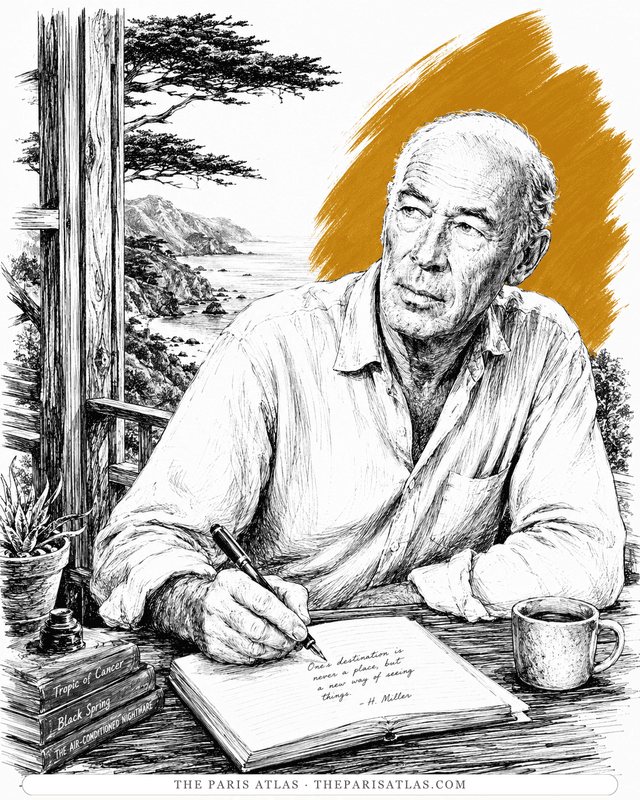
The entangled careers of the Villa Seurat: she financed and prefaced his scandal, he detonated her prose — and each wrote the other into the century's record.
View author
The doctor of the Paris slums who wrote the century's blackest, funniest novel — and changed the sound of French prose.
View author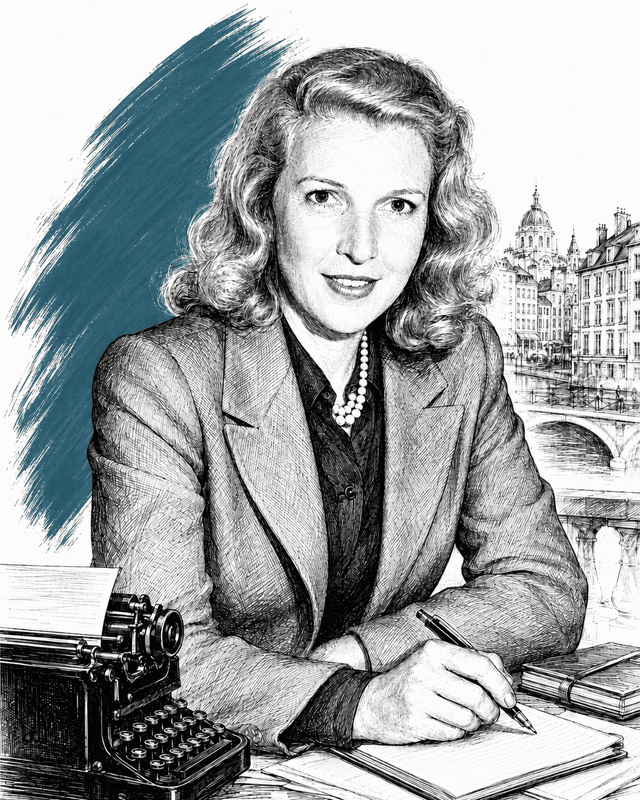
War correspondent who covered the Spanish Civil War, D-Day, and conflicts across five more decades; Hemingway's third wife, 1940–1945.
View authorThe sources below include the primary text, editions, scholarship, archival materials, and other records that informed this page. They document The Diary of Anaïs Nin, 1966–1974, its publication, and its place in literary history.

The primary text represented by this page, used for descriptions of the work’s contents and for any quoted passages shown here.
Used to verify The Diary of Anaïs Nin, 1966–1974's bibliographic context and its place within Anaïs Nin's published work.

Used for independent archival, institutional, or historical context surrounding Anaïs Nin and The Diary of Anaïs Nin, 1966–1974.
Used to cross-check chronology, publication history, and the circumstances in which The Diary of Anaïs Nin, 1966–1974 appeared.
Used for an additional scholarly or biographical perspective on The Diary of Anaïs Nin, 1966–1974 and Anaïs Nin's wider career.
Uses the Summer 1966 lecture, soldier comparison and television rehearsal, not the complete volume or independent verification of its cultural generalizations.
Uses the final Bali barstool passage and opening Epilogue note in a third-party public HTML transcription. Its title and copyright identify the 1980 volume; no original page-image or full-volume collation is claimed.
The primary text is the baseline reference for every book page. Additional references document publication history, interpretation, and historical context where that evidence is available.
 Explore more resources