
A Woman Speaks
The public voice of the same years — these letters are its private counterpart.
Read our take
by Anaïs Nin
The fame years by airmail: Nin's letters to the Australian bookseller David Pepperell, 1968 to 1974.
A small, warm collection from the far edge of Nin's correspondence: the letters she wrote from 1968 to 1974 to David Pepperell, an Australian bookseller and publisher who had written to her as an admirer and became a regular correspondent. Published in 1992, the letters catch the famous Nin in her generous register — encouraging, book-recommending, reporting the tours and the work — to a reader she never needed anything from. (Letters — nothing to spoil.)
The Diary's success buried Nin in mail, and her answering habits became part of the legend: she replied, seriously, to strangers. The Pepperell correspondence shows what could grow from that habit — a bookseller in Melbourne writing to an author in Los Angeles, and six years of letters following: literary talk, career advice, the texture of the lecture years, and the practical warmth Nin reserved for the young people building lives around books.
Published in Australia in 1992, the collection is one of the smallest Nin volumes and one of the most liked by readers who find it: the public figure of the seventies with the performance off, writing to someone simply because he had written to her.
Six years of letters, 1968–1974: replies that became a correspondence; talk of books, publishing, and the Australian literary scene from a distance; reports from the tours and honors of the fame years; and the steady encouragement of a young bookman's projects — the whole in the direct, generous register of Nin's late correspondence.
A publicly quoted letter dated 2 July 1969 responds to Pepperell’s description of Nin’s letters in his own diary as ‘talismans.’ Nin does not leave herself in the flattering role of a mystic dispensing them. She sets that part of herself beside a woman of passion and says she was able to live both. In this brief passage, the correspondent becomes a reader of her reader: his diary gives her an image of herself to revise. That reciprocity is more specific than a famous author simply sending encouragement to an admirer.
A detailed copy description says the volume prints thirty letters from Nin dated 1968–74, followed by a 19 December 1976 note from James Leo Herlihy explaining that she was too weak to write. The change of sender matters: the exchange begun by Nin’s habit of answering a reader reaches a point where someone else must send the reply. That documented shape complicates an uncomplicated story of endless generosity. It does not tell us the contents of the other twenty-nine Nin letters, her feelings about Pepperell at the end, or the precise language of Herlihy’s note.
The seventies icon writing with nothing at stake — the late voice at its most natural.
What it was actually like to write to Anaïs Nin and be answered — the fame years from the mailbox.
Small printing, far from the usual channels — among the scarcer corners of the shelf.
1968
Pepperell's fan letter reaches Nin; her reply begins the correspondence.
1968–1974
Six years of letters across the Pacific, through the height of the fame years.
1992
The collection is published in Australia.
The public voice of the same years — these letters are its private counterpart.
Read our take
The fame years the letters report from, in the diary's telling.
Read our take
The other fan-turned-correspondent volume — the same habit, another continent.
Read our takeA small collection of Anaïs Nin's letters, written from 1968 to 1974 to the Australian bookseller and publisher David Pepperell, published in 1992.
A Melbourne bookseller and publisher who wrote to Nin as an admirer in 1968; her replies grew into a six-year correspondence.
The friendship was conducted by post — the letters themselves are the relationship, which is much of the collection's charm.
Books and publishing, encouragement of Pepperell's projects, and news from the lecture tours and honors of Nin's famous years.
No — it is a specialist's pleasure. Start with the Diary; come here for the late voice with the performance off.
Explore authors with a similar voice, perspective, and influence.
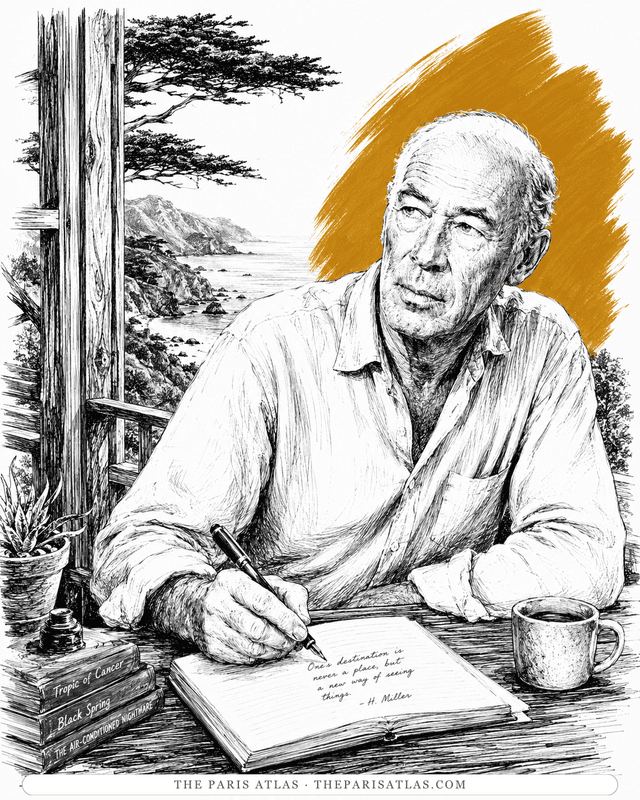
The entangled careers of the Villa Seurat: she financed and prefaced his scandal, he detonated her prose — and each wrote the other into the century's record.
View author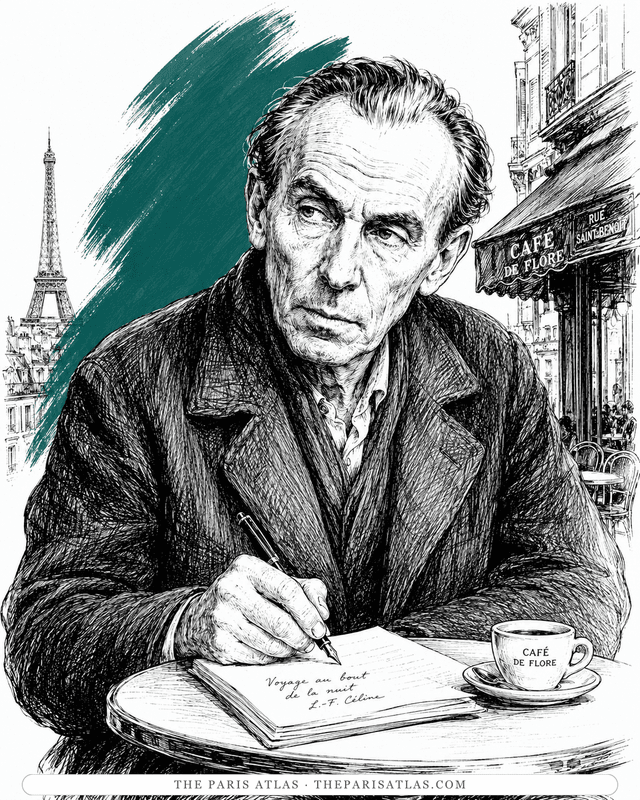
The doctor of the Paris slums who wrote the century's blackest, funniest novel — and changed the sound of French prose.
View author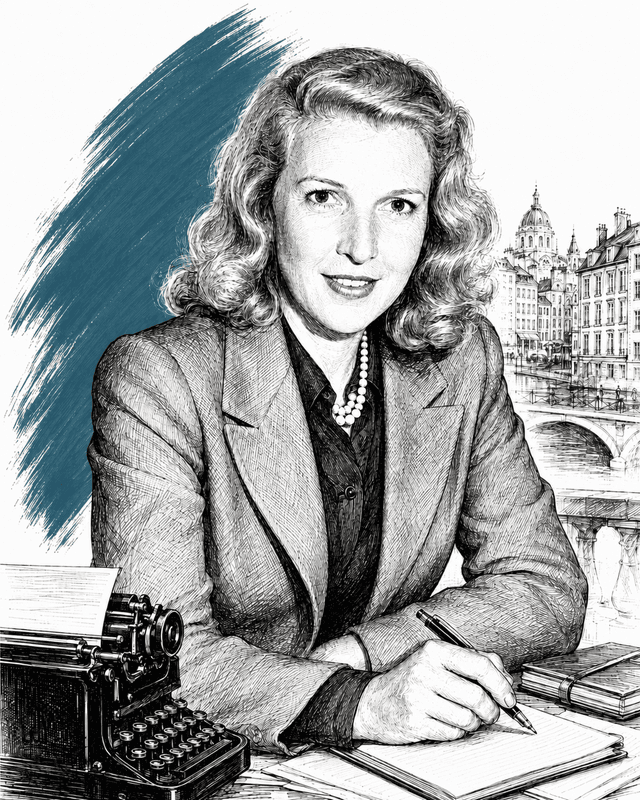
War correspondent who covered the Spanish Civil War, D-Day, and conflicts across five more decades; Hemingway's third wife, 1940–1945.
View authorThe sources below include the primary text, editions, scholarship, archival materials, and other records that informed this page. They document Letters to a Friend in Australia, its publication, and its place in literary history.

The primary text represented by this page, used for descriptions of the work’s contents and for any quoted passages shown here.
A reader quotes a single 2 July 1969 Nin letter to Pepperell. The quotation has not been collated against the 1992 printing and supports only the limited passage reading, not claims about the other letters.
A first-edition bookseller’s copy description identifies thirty Nin letters dated 1968–74 and a final 19 December 1976 note from James Leo Herlihy; the volume itself was not available for collation.
Used to verify Letters to a Friend in Australia's bibliographic context and its place within Anaïs Nin's published work.

Used for independent archival, institutional, or historical context surrounding Anaïs Nin and Letters to a Friend in Australia.
Used to cross-check chronology, publication history, and the circumstances in which Letters to a Friend in Australia appeared.
Used for an additional scholarly or biographical perspective on Letters to a Friend in Australia and Anaïs Nin's wider career.
The primary text is the baseline reference for every book page. Additional references document publication history, interpretation, and historical context where that evidence is available.
 Explore more resources