The Sun Also Rises
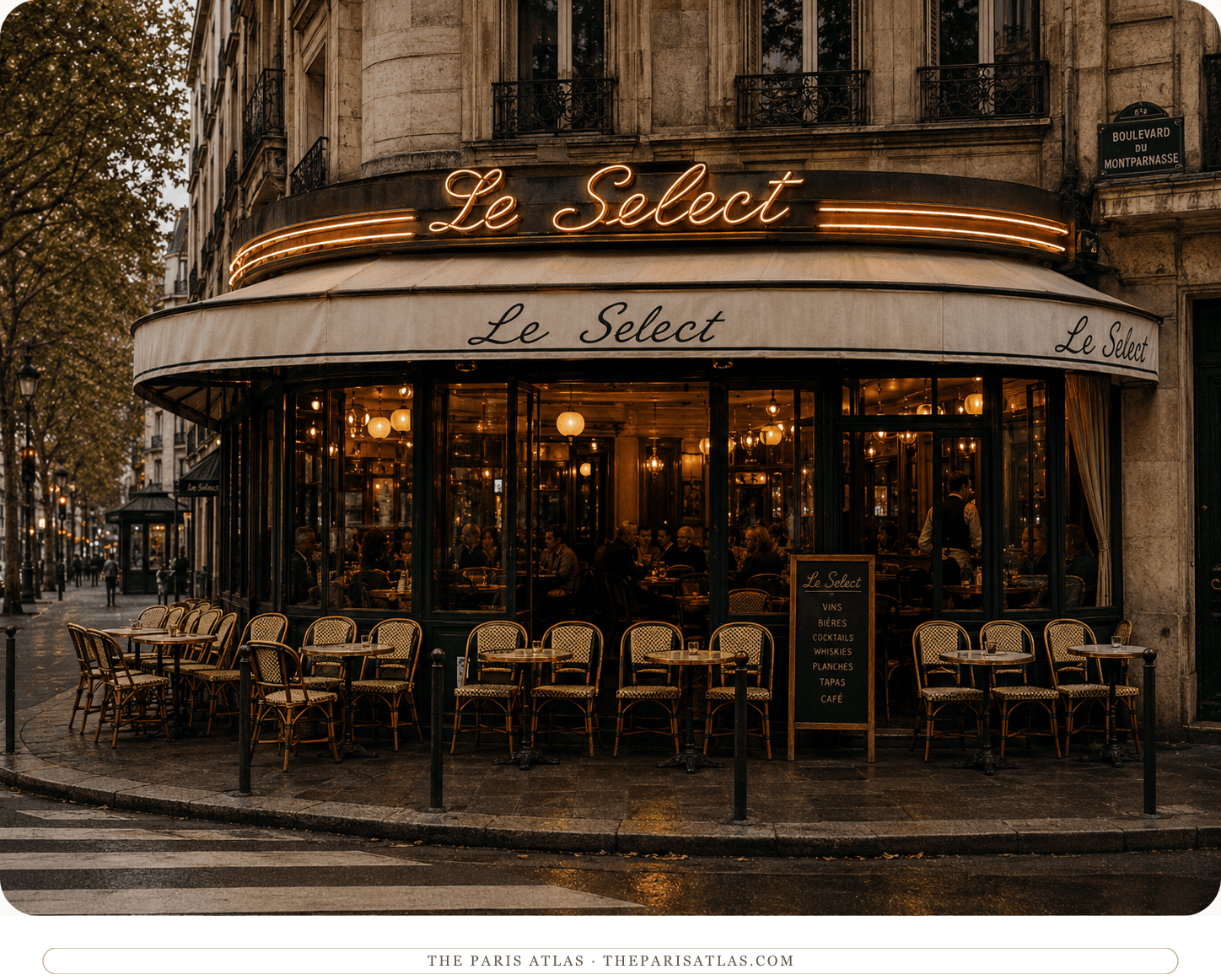
How Harold appears in its pages: Found at the Select, unshaven and broke, days past his last meal — the expatriate literary life with the varnish burned off.
Read the character guideEditor of the 1922 symposium that sent a generation to France — then Montparnasse's great cautionary tale at the Select, Hemingway's Harvey Stone, and finally his own unsparing chronicler.
Harold Stearns came out of Harvard and the Greenwich Village magazines as the young critic most certain that American life was starving its artists — and the most organized about proving it. Civilization in the United States (1922), the symposium he conceived and edited, assembled thirty specialists — Mencken on politics, Van Wyck Brooks on the literary life, Lewis Mumford on the city — into a single devastating audit of the national culture; Stearns kept the essay on the intellectual life for himself, and the finished book became the semi-official manifesto of the expatriate exodus.[1]
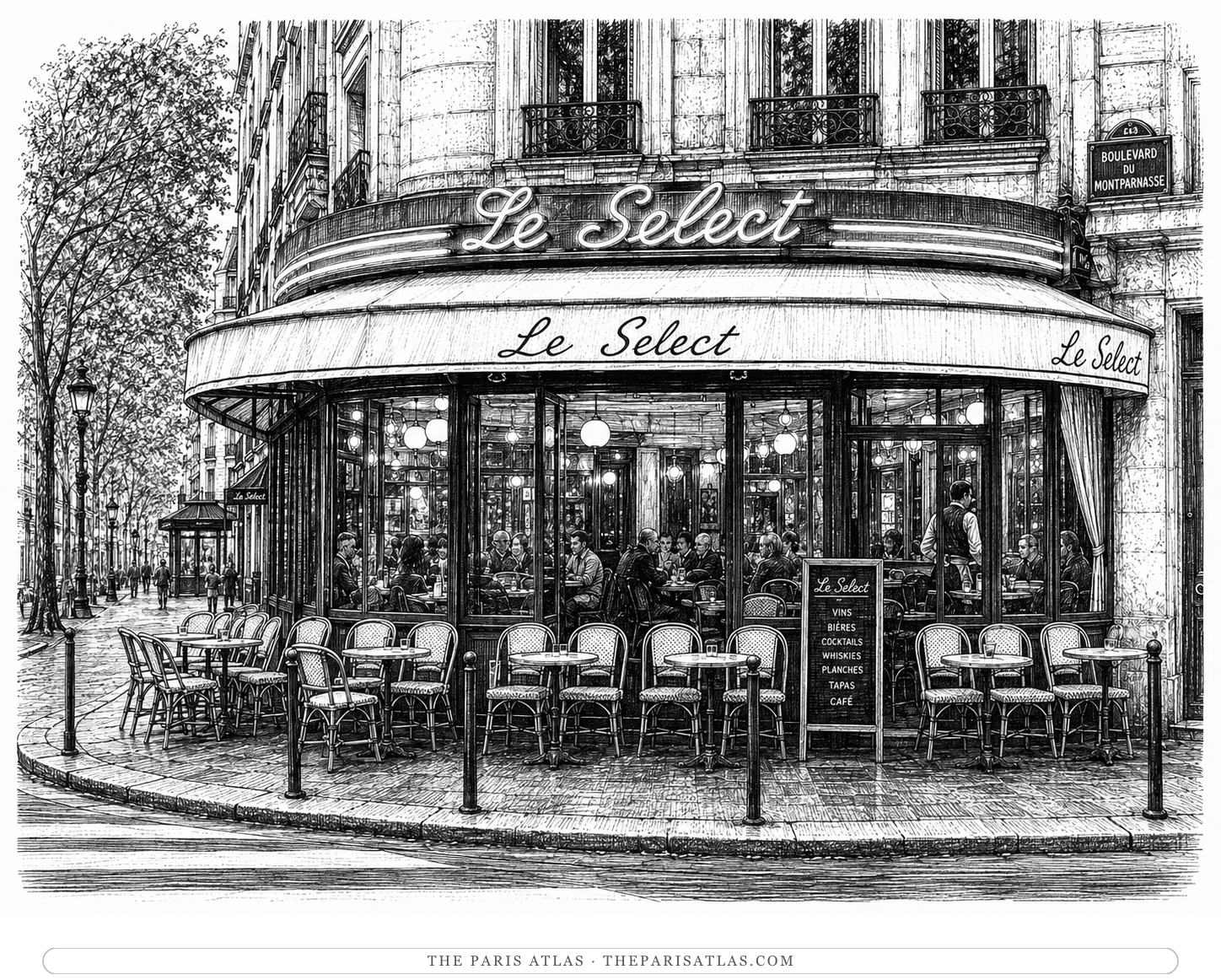
He obeyed his own conclusion with famous literalness: manuscript delivered, he sailed for France — the legend says on the Fourth of July — and became, across the next decade, Montparnasse's walking cautionary tale. The prophet of the exodus wrote almost nothing in Paris. He handicapped horses for the Chicago Tribune's Paris edition under the byline 'Peter Pickem,' held down a corner of the Select through a rotation of borrowed francs, and was studied across the saucers by a young novelist who filed him away for The Sun Also Rises as Harvey Stone — the book's hungriest and sharpest-tongued wreck.[1]
The third act redeemed the arc. Repatriated broke and nearly blind in 1932, he recovered, reconsidered, and wrote The Street I Know (1935), an unsparing memoir of the whole round trip; then reran the great symposium as America Now (1938), thirty-six contributors and the anger notably cooled. He died in 1943. Few careers state the era's thesis and its refutation so completely in a single life: the argument for leaving America, the cost of the leaving, and the honest accounting afterward.[2]
Born at Barre, Massachusetts.
Harvard, then the New York magazines — the Village's most insistent young critic of the national culture.
Delivers the Civilization in the United States manuscript and sails for France — the legend says on the Fourth of July.
The symposium appears: thirty Americans, one facet of national life apiece, and a verdict a generation read as a boarding pass.
The Select decade — 'Peter Pickem' of the Paris Tribune's racing page, prophet of the exodus, writing almost nothing.
Repatriated — broke, nearly blind, and done with the experiment.
The Street I Know — the whole arc told against himself, and better written than anyone expected.
America Now reruns the inquiry with thirty-six contributors and the temperature notably lowered.
Dies at Locust Valley, Long Island, aged fifty-two.
How Harold appears in its pages: Found at the Select, unshaven and broke, days past his last meal — the expatriate literary life with the varnish burned off.
Read the character guide
Met
Fellow fixtures of the Quarter's café and racing crowds — acquainted well enough that Hemingway could file him into The Sun Also Rises as Harvey Stone, portrait and verdict in a single chapter.
Literary generation · c. 1921–1929
The exodus's own pamphleteer: edited the 1922 symposium whose verdict sent the generation abroad, sailed on it himself, and spent the decade at the Select — where the crowd's novelist found Harvey Stone. His memoir is the expatriation's most honest invoice.

The life is the argument: the memoir covers the manifesto, the Select decade, and the reckoning in one book — and it's the best-written thing he did.

The 1922 symposium that put American civilization on trial — and sent the jury to Paris.
The prophet of the exodus tells his own story — the manifesto, the Select's saucers, the blindness, and the trip home.

Sixteen years later, Stearns reruns the great inquiry — thirty-six Americans, and a country he no longer wants to flee.
An American critic and editor (1891–1943) who edited the 1922 symposium that helped send a generation of intellectuals to Europe, then became a Montparnasse fixture and the expatriation's own cautionary tale.
Editing Civilization in the United States (1922), a collective indictment of American life whose verdict pushed many writers abroad — and, later, his unsparing memoir The Street I Know (1935).
Yes. Hemingway drew him as Harvey Stone in The Sun Also Rises — the down-and-out expatriate at the café, portrait and verdict in a single chapter.
Having urged others to leave for France, he spent the decade broke at the Café du Select, betting on horses. His memoir is the expatriation's most honest invoice.
Yes — they were fellow fixtures of the Quarter's café and racing crowds, acquainted well enough for Hemingway to file him into The Sun Also Rises.
Associated with · 1921–1932
The exodus's own pamphleteer: edited the 1922 symposium whose verdict sent the generation abroad, sailed on it himself, and spent the decade at the Select — where the crowd's novelist found Harvey Stone. His memoir is the expatriation's most honest invoice.
Met
Fellow fixtures of the Quarter's café and racing crowds — acquainted well enough that Hemingway could file him into The Sun Also Rises as Harvey Stone, portrait and verdict in a single chapter.
The sources below include biographies, scholarly essays, interviews, and primary materials that informed this page. They reflect both the historical record and ongoing critical conversations about Harold Stearns and their work.


Archival evidence used to document the historical record connected to Harold Stearns.

Primary text included as part of the documented record for Harold Stearns.
Biographical evidence used to verify chronology, relationships, and historical context connected to Harold Stearns.
These references anchor the page in the documented record and in the scholarly conversations around Harold Stearns. Every claim on this page traces back to one or more of the works listed here.
 Explore more resources