
The Street I Know
The editor's own life as the experiment's results — the memoir of where the boarding pass actually led.
Read our take
The 1922 symposium that put American civilization on trial — and sent the jury to Paris.
Thirty American intellectuals, one question: is civilization possible in the United States? Harold Stearns's 1922 symposium assembled the era's sharpest critics — Mencken, Van Wyck Brooks, Lewis Mumford among them — and their collective no became the semi-official manifesto of the expatriate exodus. A generation read it and packed for Paris. (Nonfiction — nothing here to spoil.)
Stearns was a Harvard-educated critic in the Greenwich Village orbit, and by 1921 he'd become the loudest voice arguing that American life was starving its artists. Civilization in the United States (1922) was his great production: a symposium — 'an inquiry by thirty Americans' — where he assigned each contributor one facet of national life: politics (H. L. Mencken), the literary life (Van Wyck Brooks), the city (Lewis Mumford), poetry, music, the press, education, sex, and so on. Stearns wrote the essay on the intellectual life himself.
The collective verdict was devastating and deliberately so: America was puritan, commercial, conformist, emotionally thin — a country where material machinery ran superbly and everything that makes life worth living was suspect. Art was treated as effeminate, thinking as unprofitable. The conclusion practically wrote itself, and Stearns lived it as publicity stunt and sincere act at once: he delivered the manuscript, then sailed for France — the legend says on the Fourth of July — and the book became the semi-official manifesto of the expat exodus. Thousands of young Americans effectively read it as a boarding pass.
The bitter joke, which nobody savored more than Hemingway, is what Paris then did with the prophet: Stearns wrote almost nothing for a decade. He installed himself at the Select and handicapped horses as 'Peter Pickem' for the Paris Tribune, borrowed francs, and became the walking cautionary tale Hemingway put into The Sun Also Rises as Harvey Stone. But his third act redeems him: shipped home broke and half-blind in 1932, he dried out, reappraised, and wrote The Street I Know (1935) — a genuinely good, unsparing memoir of the whole arc — and even edited a sequel symposium, America Now (1938), in which the thirty-essay experiment was rerun with the anger considerably cooled. He died in 1943.
Thirty essays, one per province of American life: politics, the city, the press, education, business, the law, the family, sex, poetry, music, the theater, science, medicine, and on down the roster — each assigned to a specialist critic and each arriving, by its own route, at the same verdict. Mencken handles politics with a flamethrower; Van Wyck Brooks diagnoses the literary life; Lewis Mumford reads the American city as a failure of imagination; Stearns himself takes the intellectual life, the province he was about to abandon in person.
The whole is designed to be read as a single argument: that American civilization ran superb material machinery over an emotional and aesthetic void — that the preaching and the practice had split, and that art and thought were treated as unmanly luxuries. Read it now as the twenties' founding indictment, the text that turned a mood into a movement; the browsing is half the fun, since every chapter is a period expert dismantling one American institution in twenty pages.
Stearns presents the symposium's unity as something made through discussion, not simply discovered in thirty independent verdicts. His preface describes fortnightly meetings, collective selection of contributors and editorial efforts to prevent repetition or clarify disagreement. Individual freedom of opinion survives within an organized project. That combination gives the book its force, but also defines its limits: these are deliberately assembled, like-minded critics, not a neutral sample of the country. The imagined roundtable can therefore stand for a method of criticism as much as a judgment. Its authority depends on coordination without making the individual voices interchangeable.
The departure pictured here should be read beside the unexpected hope at the end of Stearns's own essay. In the closing pages of “The Intellectual Life,” he regards expatriation as one troubled response to conformity, then imagines rebellious young people combining their energies to transform America itself. His view of the illuminated city and the country's unrealized possibilities turns cultural dissatisfaction into an argument for renewal. The tension matters: rejection of prevailing standards need not mean rejection of every attachment to home. Exile is one possible trajectory through the book's discontent, not the only future its editor can imagine.
Every memoir and novel on our Paris shelves is the effect; this book is the cause — the reasoned case, in thirty essays, for why a generation of American artists concluded they had to leave.
The symposium form makes it browsable: open to any institution — the press, the university, the small town — and watch a period expert take it apart in twenty pages.
Commercial culture, conformity, distrust of the press and the intellectual — the complaints of 1922 have a disquieting way of reading like the morning's feed.
Its editor followed his own advice all the way to the Select — where a decade of not-writing turned Harold Stearns into Harvey Stone, the broke prophet at the saucer-stacked table of The Sun Also Rises.
1922
Harcourt, Brace publishes Stearns’s symposium, bringing together thirty American critics to examine the country’s cultural life.
1938
Stearns returns to the question with the sequel symposium America Now.
2022
Project Gutenberg releases a free digital edition, making the complete original symposium available to new readers.
The editor's own life as the experiment's results — the memoir of where the boarding pass actually led.
Read our take
The 1938 sequel: the same inquiry rerun with thirty-six contributors and the anger cooled.
Read our take
Where the argument's author ended up in fiction — at the Select, as Harvey Stone, five days past his last meal.
Read our take
What the emigrants found on arrival, reported from the café tables the symposium sent them to.
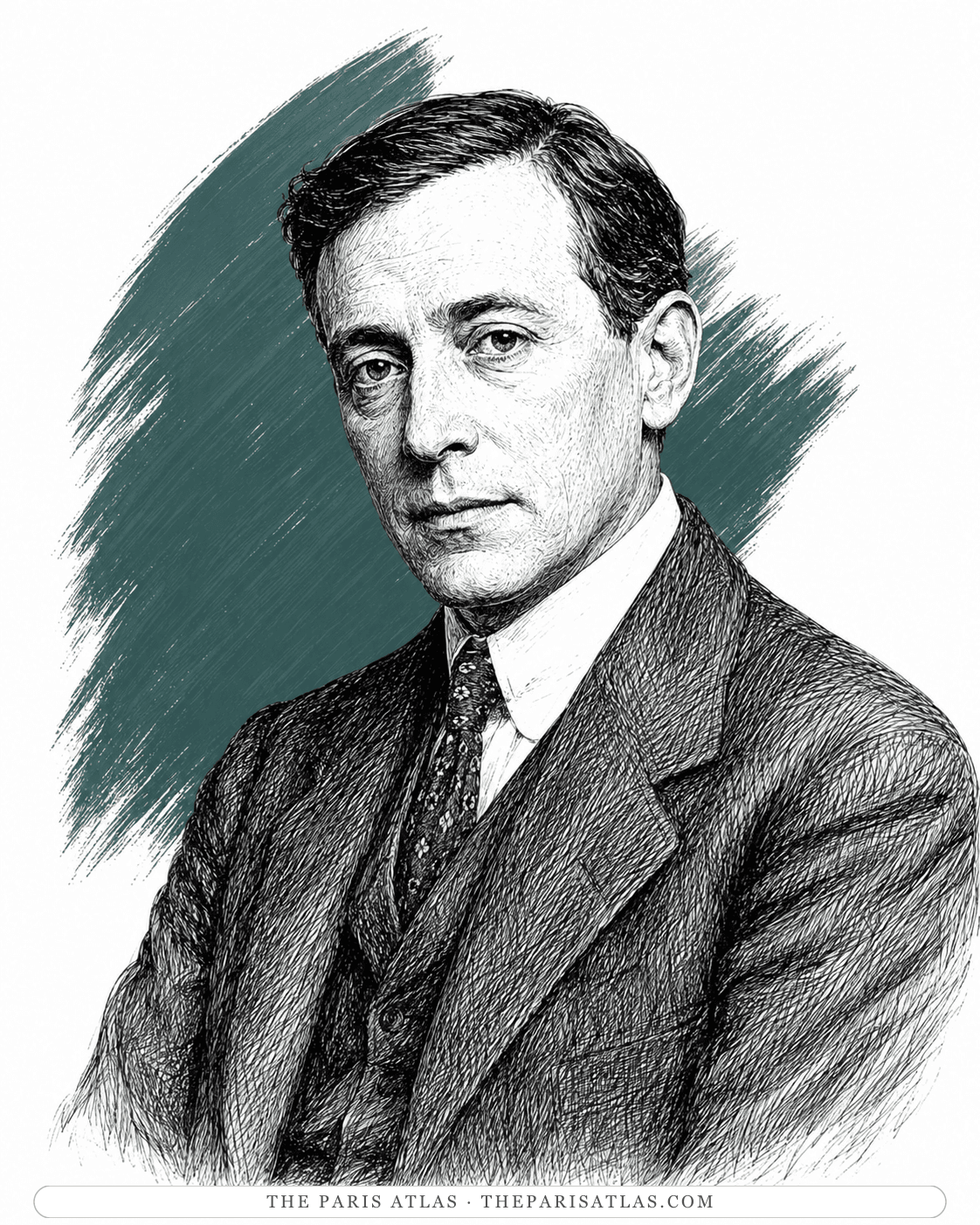
Read our takeHarold Stearns. His 1922 symposium gathered thirty American intellectuals around a single question.
A collective inquiry into whether civilization was possible in the United States, with essays by H. L. Mencken, Van Wyck Brooks, Lewis Mumford, and others. Their collective answer was, roughly, no.
It became the semi-official manifesto of the expatriate exodus. A generation of intellectuals read it and packed for Paris.
Thirty of the era's sharpest critics, each taking a different facet of American life — the arts, journalism, politics, business, and more.
Its verdict helped send the writers of the Lost Generation abroad — and Stearns himself sailed on its logic, becoming a Montparnasse fixture.
Explore authors with a similar voice, perspective, and influence.
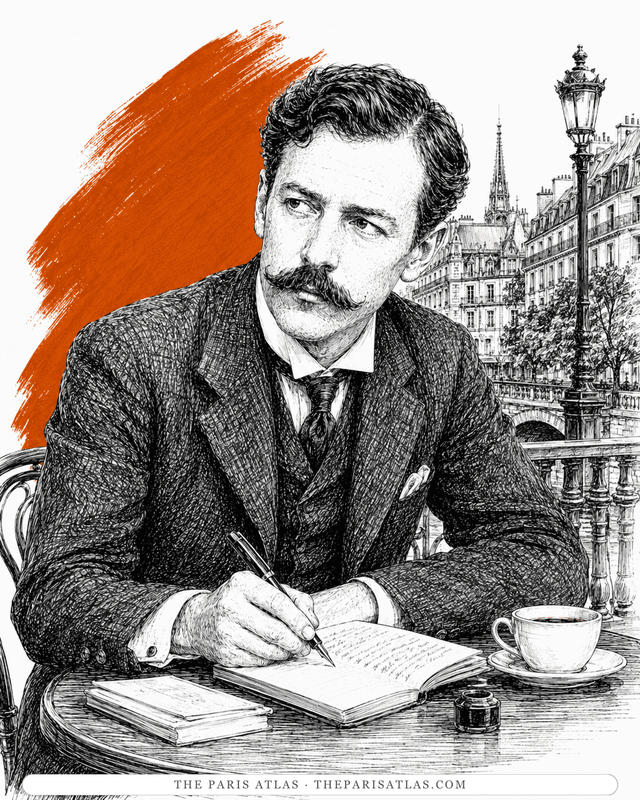
The shelf's other nonfiction witness — Huddleston wrote the café world from the winning table, Stearns from the losing one.
View author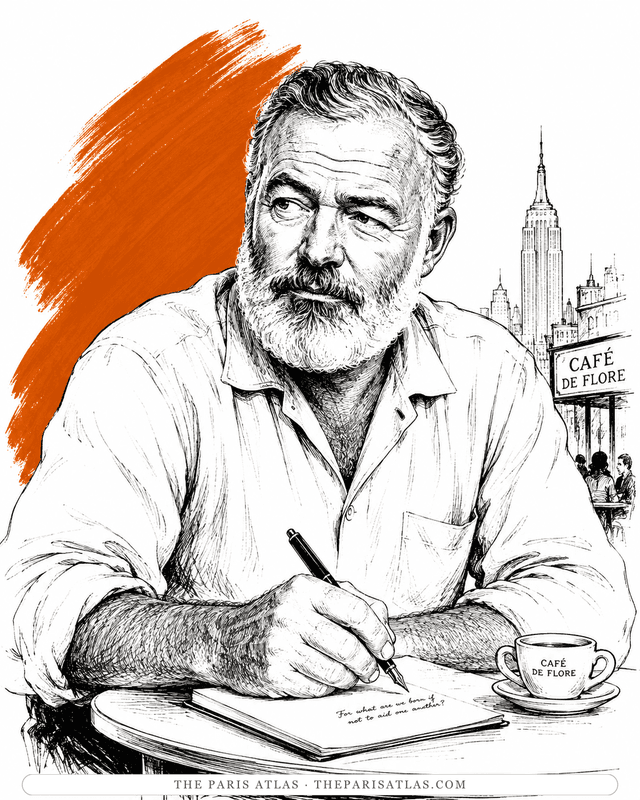
Watched Stearns across the Select's saucers and fixed him in fiction as Harvey Stone; the novel and the memoir answer each other across a decade.
View author
The doctor of the Paris slums who wrote the century's blackest, funniest novel — and changed the sound of French prose.
View authorThe sources below include the primary text, editions, scholarship, archival materials, and other records that informed this page. They document Civilization in the United States, its publication, and its place in literary history.


Used to verify Civilization in the United States's bibliographic context and its place within Harold Stearns's published work.
Used for independent archival, institutional, or historical context surrounding Harold Stearns and Civilization in the United States.
Used to cross-check chronology, publication history, and the circumstances in which Civilization in the United States appeared.
Used for an additional scholarly or biographical perspective on Civilization in the United States and Harold Stearns's wider career.

Web source consulted for documented facts and historical context presented on the Civilization in the United States page.
Published analysis and historical context used in preparing the Civilization in the United States page.
The primary text is the baseline reference for every book page. Additional references document publication history, interpretation, and historical context where that evidence is available.
 Explore more resources