

The Sun Also Rises
The novel that caught him mid-decline, under his own name — read the fiesta chapters, then hear the man himself.
Read our take
The matador who invented modern bullfighting tells his life to Spain's greatest reporter — night swims, secret capework in the dark, and the melancholy of surviving the golden age.
Juan Belmonte's life in his own voice: the poor kid from Triana who swam the Guadalquivir at night to fight bulls in secret, stood still when every expert said to run, and remade an art form — dictated to the journalist Manuel Chaves Nogales, whose prose makes it read like a novel. Widely called the best book ever written about bullfighting, and one of the best as-told-to books about anything. (A life story — its endings wait behind the reveal.)
This one is a genuine hidden classic. It's an as-told-to autobiography: the great Spanish journalist Manuel Chaves Nogales sat with Belmonte and wrote his life in the first person (Juan Belmonte, matador de toros, 1935; the English translation — done, wonderfully, by Leslie Charteris, the creator of The Saint — appeared in 1937 as Juan Belmonte, Killer of Bulls).
The material is almost implausibly good. Belmonte grew up poor in Triana, the flamenco quarter across the river from Seville, and learned to fight as a teenager by swimming the Guadalquivir at night with his friends to trespass on bull-breeding ranches — fighting the animals naked in the dark, because clothes would be evidence and moonlight was the only arena lighting they had. From there it follows him into the invention of modern bullfighting: Belmonte was ungainly, weak-legged, physically wrong for the job, so instead of dancing away from the bull he stood still and made the bull move around him — which experts initially called suicide and then called the revolution. The rivalry with Joselito, the golden age they shared until Joselito died in the ring in 1920, the fame, the strange melancholy of surviving — all of it is told with a dry, fatalistic Sevillian wit that reads like a novel.
Its reputation among people who know it: the best book ever written about bullfighting, and one of the best 'as-told-to' books ever written about anything — Chaves Nogales was a superb liberal journalist (exiled by the Civil War, died in London in 1944, hugely rediscovered in Spain in the 2000s), and his prose is why the book outlives its subject's sport. It pairs eerily with The Sun Also Rises, too: the aging Belmonte that Hemingway sketches at the 1925 feria is the same man who, ten years later, sat down and out-narrated everyone.
It begins across the river. Triana, Seville's flamenco quarter, the 1890s: Juan Belmonte is the small, sickly son of a shopkeeper, wrong in every physical particular for the only ambition available to a poor Andalusian boy. The famous early chapters follow him and his gang swimming the Guadalquivir at night to trespass on the bull-breeding ranches — capework by moonlight, naked because clothes left evidence — an apprenticeship conducted entirely in the dark, against the law, with animals that could kill them.
The revolution follows from the body he was stuck with. Too weak-legged to dance away from the bull like the classical masters, Belmonte stood his ground and made the bull do the moving — breaking the sport's oldest safety rule, working inside the animal's terrain, and turning what the experts called suicide into the foundation of modern bullfighting. One fights as one is, runs his famous aphorism, and the book is that sentence enacted: the deficiencies becoming the style, the style becoming the age. Fame arrives like weather — the alternativa, the mobbed seasons, the rivalry with the god-like Joselito that split Spain into two congregations and burned both men through a hundred corridas a year.
The golden age ends in one afternoon: May 1920, at Talavera de la Reina, when Joselito — the complete matador, the one built for the job as Belmonte never was — is caught and killed in the ring at twenty-five. Belmonte inherits the summit alone, and the book's last movement is the strange melancholy of surviving: the retirements and comebacks, the fortune, the fame that outlived the joy of the thing itself, told with the dry Sevillian fatalism that makes the whole memoir feel like a novel. It closes in 1935 with its subject mid-life, master of an art he had permanently changed — and everything after, including the afternoon Hemingway caught at Pamplona in 1925 and the end at his own hand in 1962, lies outside its pages.
The childhood adventures make danger immediate before fame can turn it into legend. In passages discussed by Álvaro Pérez Álvarez, the boys cross a fence, move through concealing vegetation and hear an animal's bell interrupt the night. These details make the reader follow uncertain movements rather than contemplate a finished hero. Pérez Álvarez connects such episodes with the picaresque: the first-person adventures of a poor, unsettled protagonist. Read this way, Belmonte's early life establishes a voice practiced in recounting precarious situations, not simply a list of achievements waiting to happen.
The stillness associated with Belmonte's style should not be confused with an absence of feeling. Pérez Álvarez reproduces passages in which Belmonte locates his art in inner emotion rather than physical strength, insisting that an emotionally moved performer can communicate that feeling to the audience. Alongside the memoir's acknowledgment of fear, this makes composure a complicated achievement rather than proof of natural invulnerability. The autobiographical voice gives the reader access to what the public pose conceals: the difference between appearing controlled and feeling secure, and the emotional labor joining performer and spectator.
The as-told-to form at its absolute peak: Belmonte's dry, fatalistic Sevillian wit, caught by a reporter good enough to disappear into it.
The novel catches Belmonte old, sick, and jeered; the memoir gives him the last word — and it turns out the matador could out-narrate the novelists.
Spain from the 1890s to 1935, one life wide — poverty, fame, and a country's golden age — by the reporter whose Civil War stories later made him a rediscovered classic.
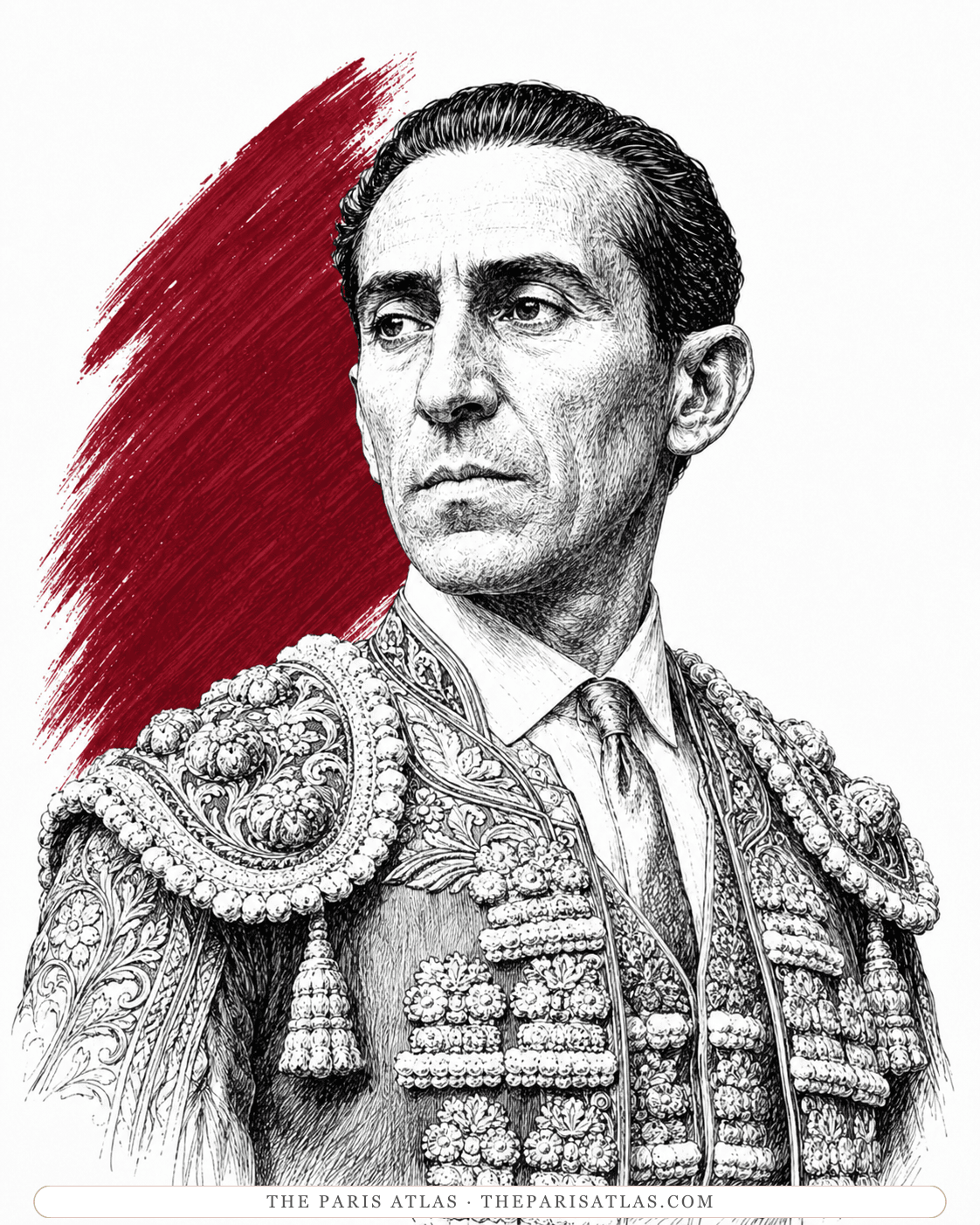
The subject and the voice — the matador telling his own life, from the moonlit river to the top of the golden age.
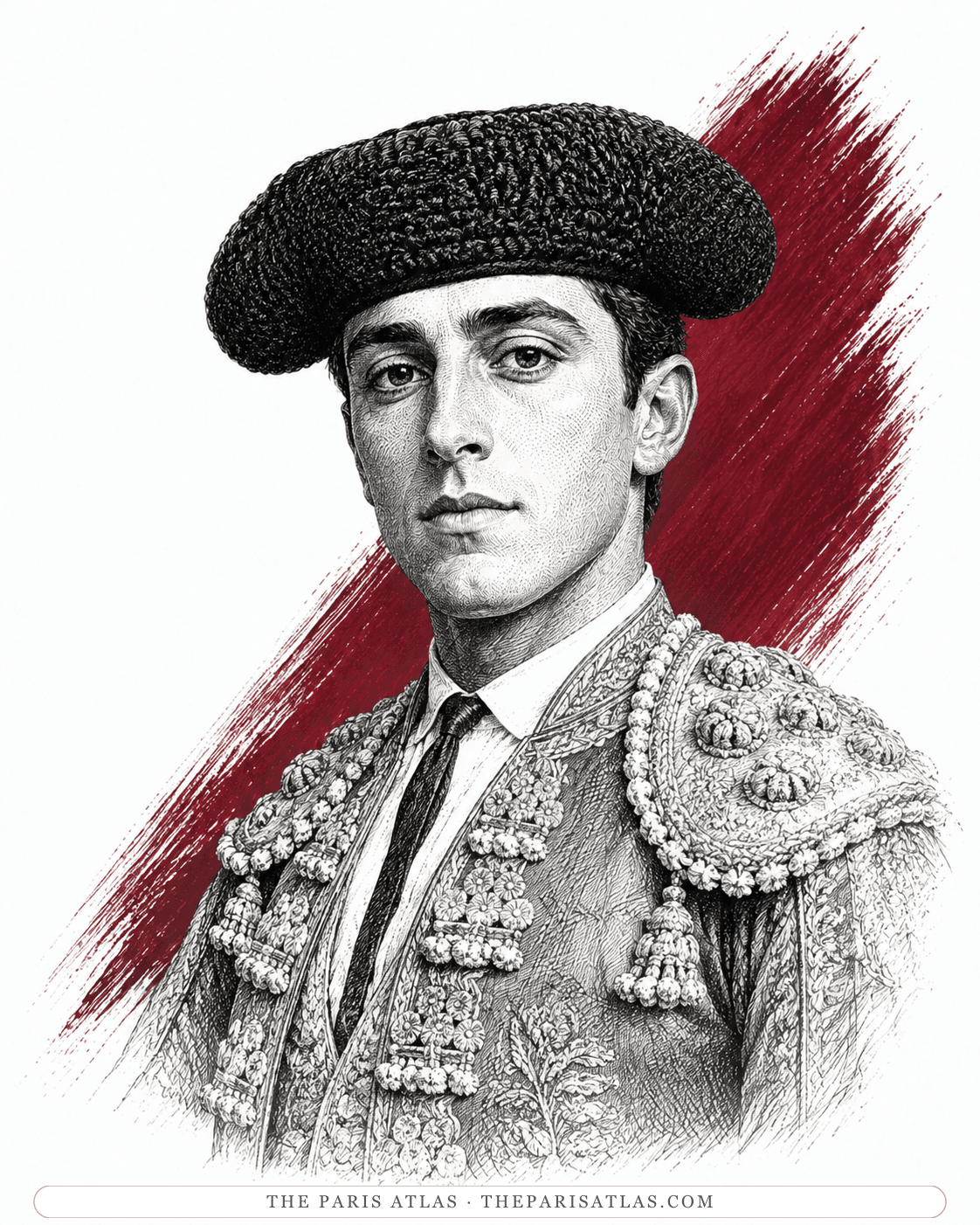
The rival — a born matador from a great bullfighting dynasty, effortless where Belmonte was desperate. Between the two of them, they made the golden age.
1935
Manuel Chaves Nogales sets down the matador Juan Belmonte's life in the first person, published as Juan Belmonte, matador de toros.
1937
Leslie Charteris, creator of The Saint, translates it into English as Juan Belmonte, Killer of Bulls.
2000s
After half a century's neglect, Chaves Nogales is rediscovered in Spain, and the book now stands as a classic in both languages.
The novel that caught him mid-decline, under his own name — read the fiesta chapters, then hear the man himself.
Read our take
The other great book about a master, an animal, and the arithmetic of aging at a craft that kills.
Read our takeThe Spanish journalist Manuel Chaves Nogales, who set down the matador Juan Belmonte's life in the first person. It was published in 1935.
The life of Juan Belmonte — the poor boy from Triana who swam the Guadalquivir at night to fight bulls in secret, stood his ground where every expert said to run, and remade the art of bullfighting.
It is an "as-told-to" autobiography. Chaves Nogales sat with Belmonte and wrote his life in the matador's own voice, in prose that reads like a novel.
It is widely called the best book ever written about bullfighting, and one of the finest as-told-to books about anything.
Belmonte is the matador the expatriates watched at Pamplona; he appears in Hemingway's The Sun Also Rises under his own name. This book is that world telling its story in its own voice.
Explore authors with a similar voice, perspective, and influence.
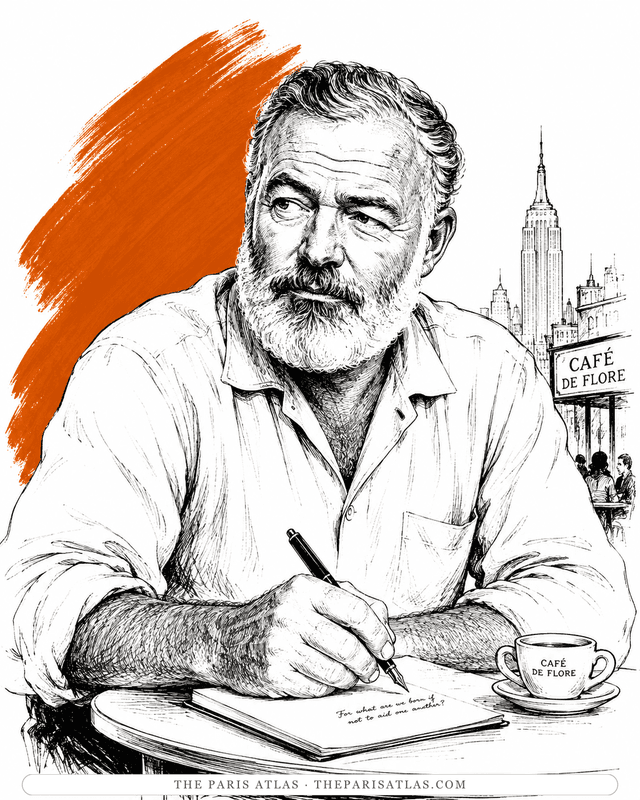
The two great writers of the corrida, from opposite seats — Hemingway from the barrera at Pamplona, Chaves Nogales from inside Belmonte's own memory.
View author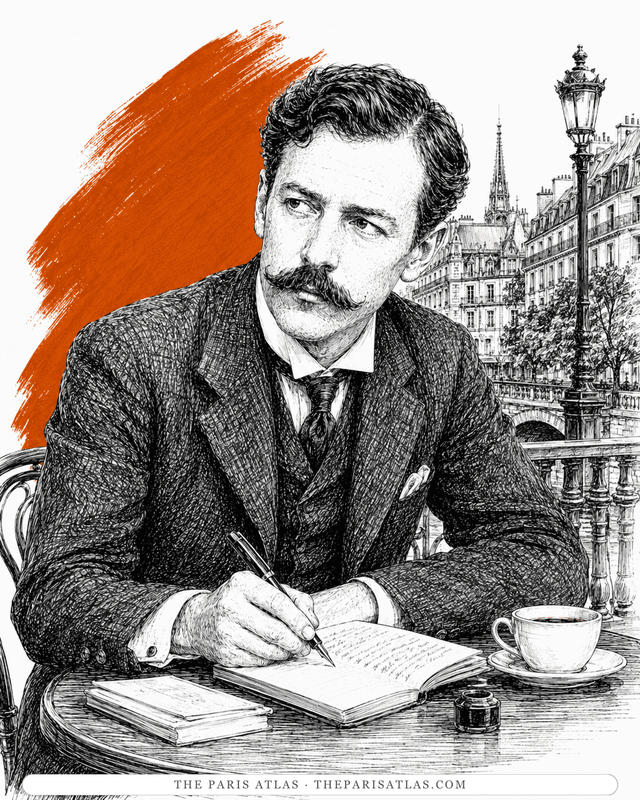
Fellow newspapermen who turned reporting into testimony — Huddleston on literary Paris, Chaves Nogales on a Spain about to devour itself.
View author
The Brooklyn dropout who arrived in Paris broke at thirty-eight and wrote the exuberant, banned books that ended American censorship.
View authorThe sources below include the primary text, editions, scholarship, archival materials, and other records that informed this page. They document Juan Belmonte, Killer of Bulls, its publication, and its place in literary history.


The primary text represented by this page, used for descriptions of the work’s contents and for any quoted passages shown here.

A work-specific scholarly study of Chaves Nogales's serial publication, first-person method, journalistic technique, and construction of Belmonte's public legend.
The library catalogue record used to verify the 1937 English-language edition, publisher, and bibliographic identity of the translated book.
The Spanish national library's author profile identifies Juan Belmonte as one of Chaves Nogales's major books and dates its original publication.
The BNE's work authority record documents the Spanish title, editions, contributors and continuing bibliographic history.
The primary text is the baseline reference for every book page. Additional references document publication history, interpretation, and historical context where that evidence is available.
 Explore more resources