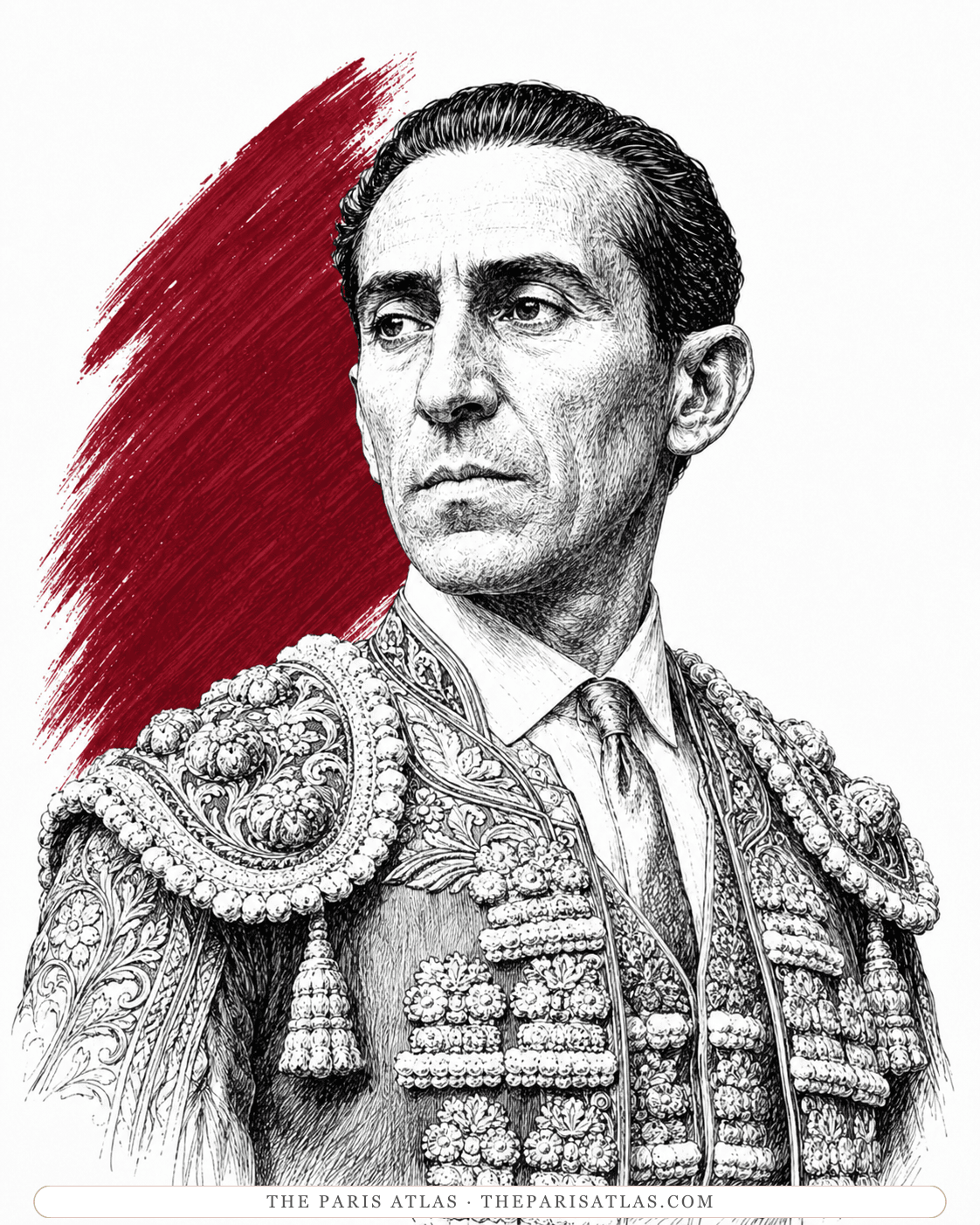
Juan Belmonte
The subject and the voice — the matador telling his own life, from the moonlit river to the top of the golden age.
Juan Belmonte — books, places, and lifeThe book

At a glance
- Subject and narrator — his life, first person, as told to Chaves Nogales
- Every page
- Juan Belmonte García · 1892–1962 · Triana, Seville
Who they are in the book
Spoiler-freeThe Belmonte of the memoir is the arena legend at ease: mid-forties, rich, retired and un-retired several times over, looking back at his own impossible arc with the dry fatalism of a man who long ago made peace with the joke of it. He narrates in the first person — Chaves Nogales's great act of ventriloquism — and the voice is the book's miracle: unsentimental about poverty, unimpressed by fame, wry about danger, and quietly amazed, still, that any of it happened to him.
He presents himself as the least likely matador who ever lived: small, weak-legged, physically wrong for the job by every classical measure, a Triana shopkeeper's son who learned capework by moonlight on other men's bulls. The style that revolutionized the art — standing still and making the bull move — was, he insists, not genius but necessity: he fought the only way his body allowed. One fights as one is; the memoir is that sentence, book length.
How Juan Belmonte Is Portrayed
- The voiceDry, fatalistic, Sevillian — danger discussed like weather, fame like an administrative error. The book's whole reputation rests on it.
- The wrong bodySmall, frail, weak in the legs — every account of his own physique is a comedian's setup for the punchline of what he did with it.
- The intellectuals' matadorThe illiterate-poor kid from Triana ended up keeping company with Spain's writers and painters — the tertulia's favorite bullfighter, at home among people whose books he'd never read.
The memoir closes in 1935 with Belmonte on top; life kept going. He retired for good to his ranch near Seville, bred fighting bulls, rode horses, and lived three more decades as the art's presiding monument — including the strange cameo history gave him in between: the 1925 Pamplona feria, where a young American novelist watched his pained comeback afternoon and fixed it, under his own name, into The Sun Also Rises. In 1962, aged sixty-nine — reportedly after doctors ordered him to give up riding, wine, and the other pleasures he considered the point of living — he shot himself at the ranch. A year earlier, the novelist who had jeered him in fiction had made the same exit.
If you like Juan Belmonte, Killer of Bulls


If you like Manuel Chaves Nogales
Explore authors with a similar voice, perspective, and influence.
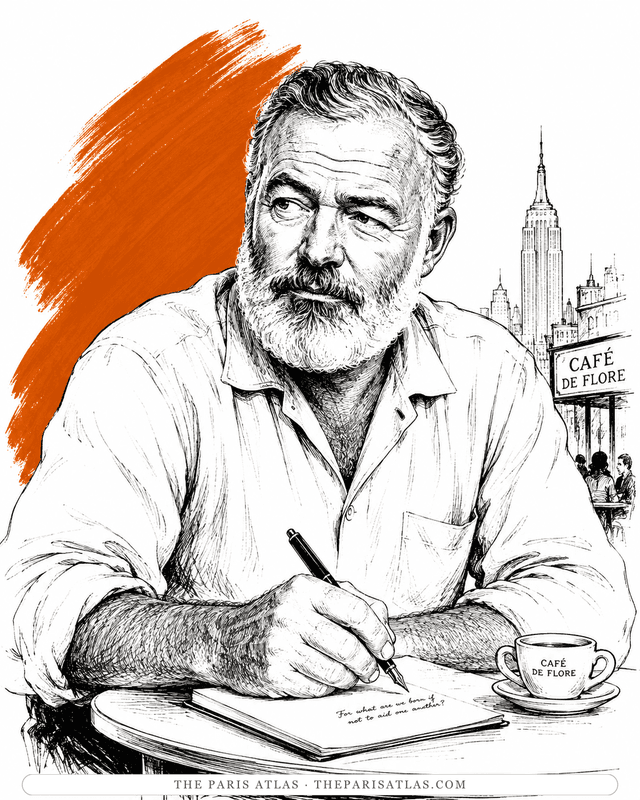
Ernest Hemingway
The two great writers of the corrida, from opposite seats — Hemingway from the barrera at Pamplona, Chaves Nogales from inside Belmonte's own memory.
View author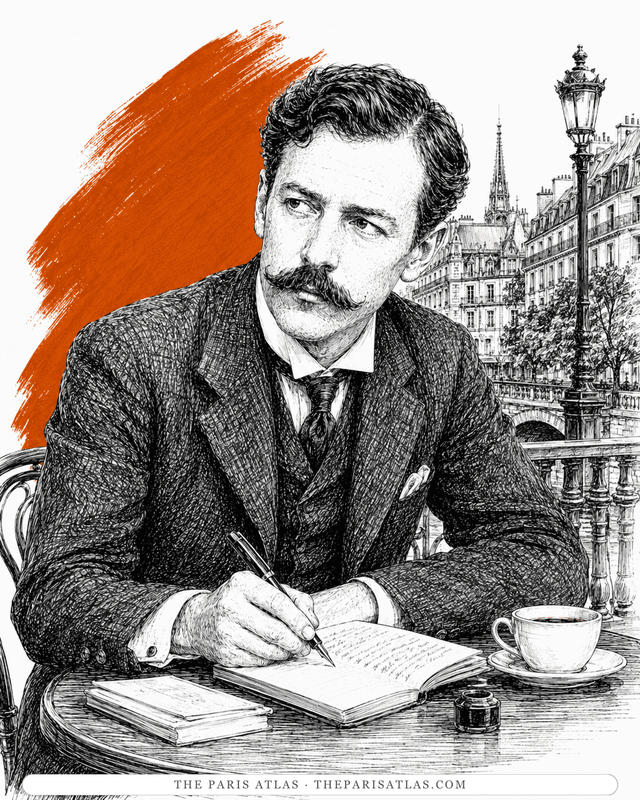
Sisley Huddleston
Fellow newspapermen who turned reporting into testimony — Huddleston on literary Paris, Chaves Nogales on a Spain about to devour itself.
View author
Henry Miller
The Brooklyn dropout who arrived in Paris broke at thirty-eight and wrote the exuberant, banned books that ended American censorship.
View author