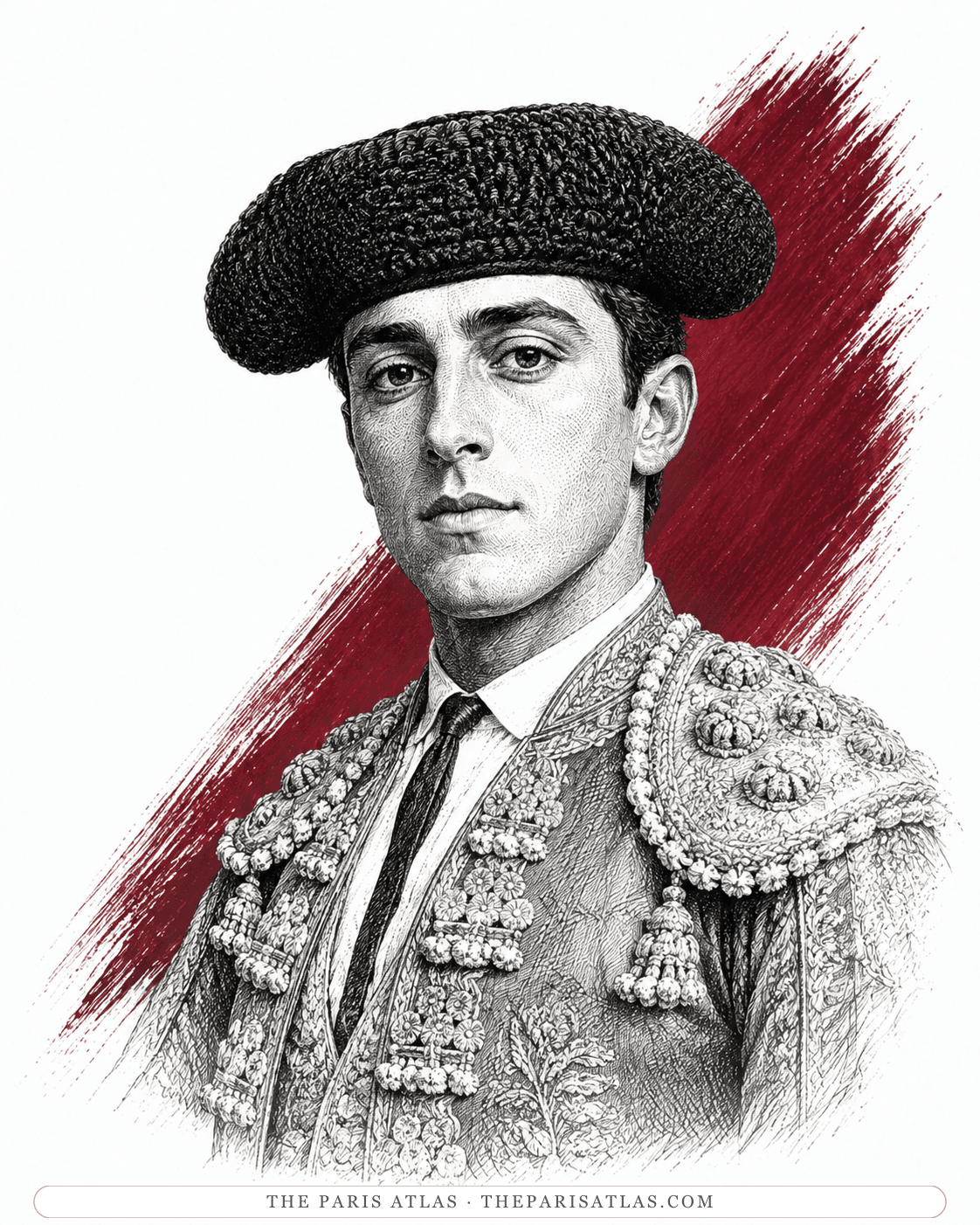
Joselito
The rival — a born matador from a great bullfighting dynasty, effortless where Belmonte was desperate. Between the two of them, they made the golden age.
The book

At a glance
- The rival and co-monarch of the golden age, 1914–1920
- The central seasons — and over everything after
- José Gómez Ortega · 1895–1920 · Gelves, Seville
Who they are in the book
Spoiler-freeJosé Gómez Ortega — 'Joselito,' also 'Gallito' — was everything Belmonte was not: born into a bullfighting dynasty, physically perfect for the work, technically complete before he was out of his teens, a prodigy who took his alternativa at seventeen and was immediately the best in Spain. Where Belmonte's art was tragic necessity, Joselito's was mastery without visible effort — he could do everything, with every kind of bull, and the aficion split into churches over which of the two was the truth of the art.
The memoir treats him with the complicated tenderness of the surviving rival: competitor, standard, occasional partner on the same cartels a hundred afternoons a year through the seasons Spain still calls the golden age. Between them they burned bullfighting to its highest temperature — and the book knows, as the reader knows, which of them paid for it.
How Joselito Is Portrayed
- The born matadorEverything by inheritance and nature — the dynasty, the physique, the completeness. The book sets him up as the measuring stick the art had always imagined.
- The rivalryNot hatred — an arms race. Each man's seasons forced the other's; the public's two churches filled the plazas; and the pair fought side by side through a hundred corridas a year.
Joselito died in the ring at Talavera de la Reina on May 16, 1920, gored by the bull Bailaor — twenty-five years old, the complete matador killed at the job he was born perfect for. His death ends the golden age inside the memoir and hangs over everything after it: Belmonte inherits the summit alone, and the book's late chapters carry the survivor's strange grief — the rivalry had been the meaning, and winning it by outliving turned out to be no victory at all.
If you like Juan Belmonte, Killer of Bulls


If you like Manuel Chaves Nogales
Explore authors with a similar voice, perspective, and influence.
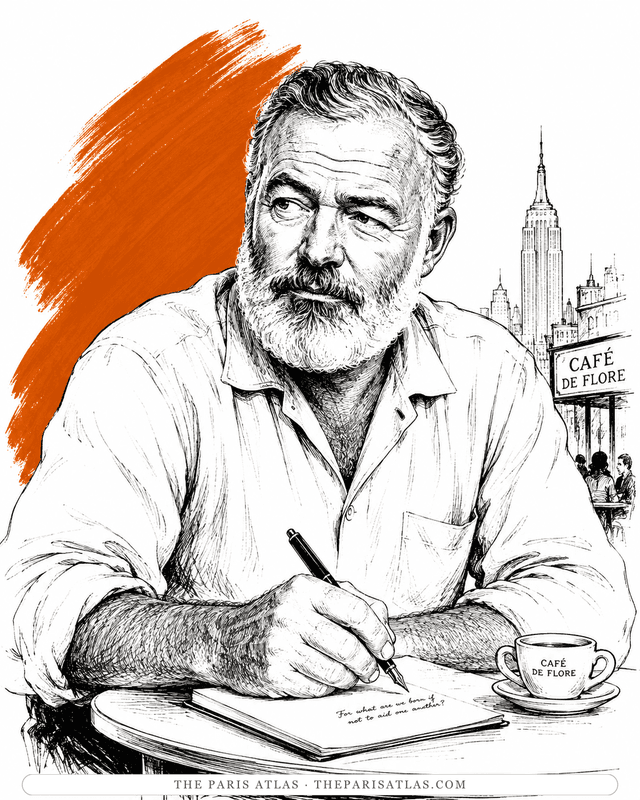
Ernest Hemingway
The two great writers of the corrida, from opposite seats — Hemingway from the barrera at Pamplona, Chaves Nogales from inside Belmonte's own memory.
View author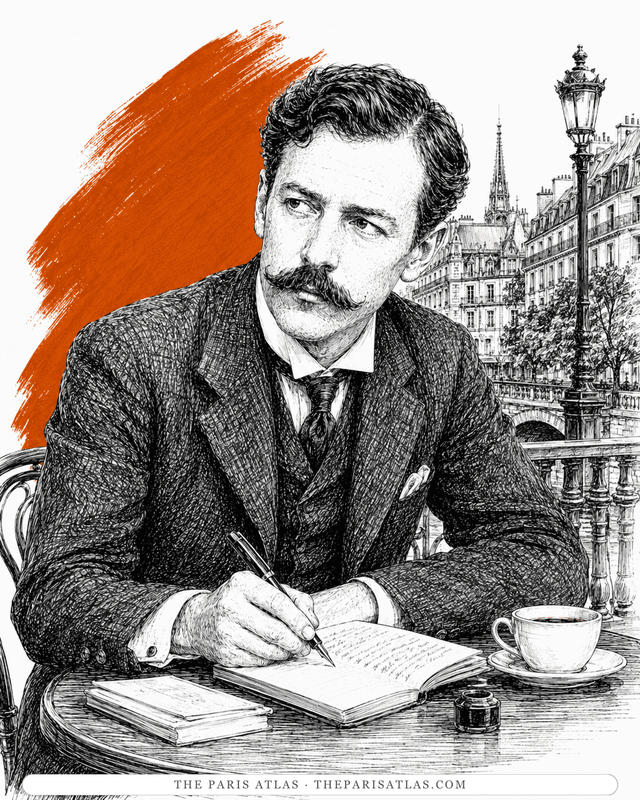
Sisley Huddleston
Fellow newspapermen who turned reporting into testimony — Huddleston on literary Paris, Chaves Nogales on a Spain about to devour itself.
View author
Henry Miller
The Brooklyn dropout who arrived in Paris broke at thirty-eight and wrote the exuberant, banned books that ended American censorship.
View author