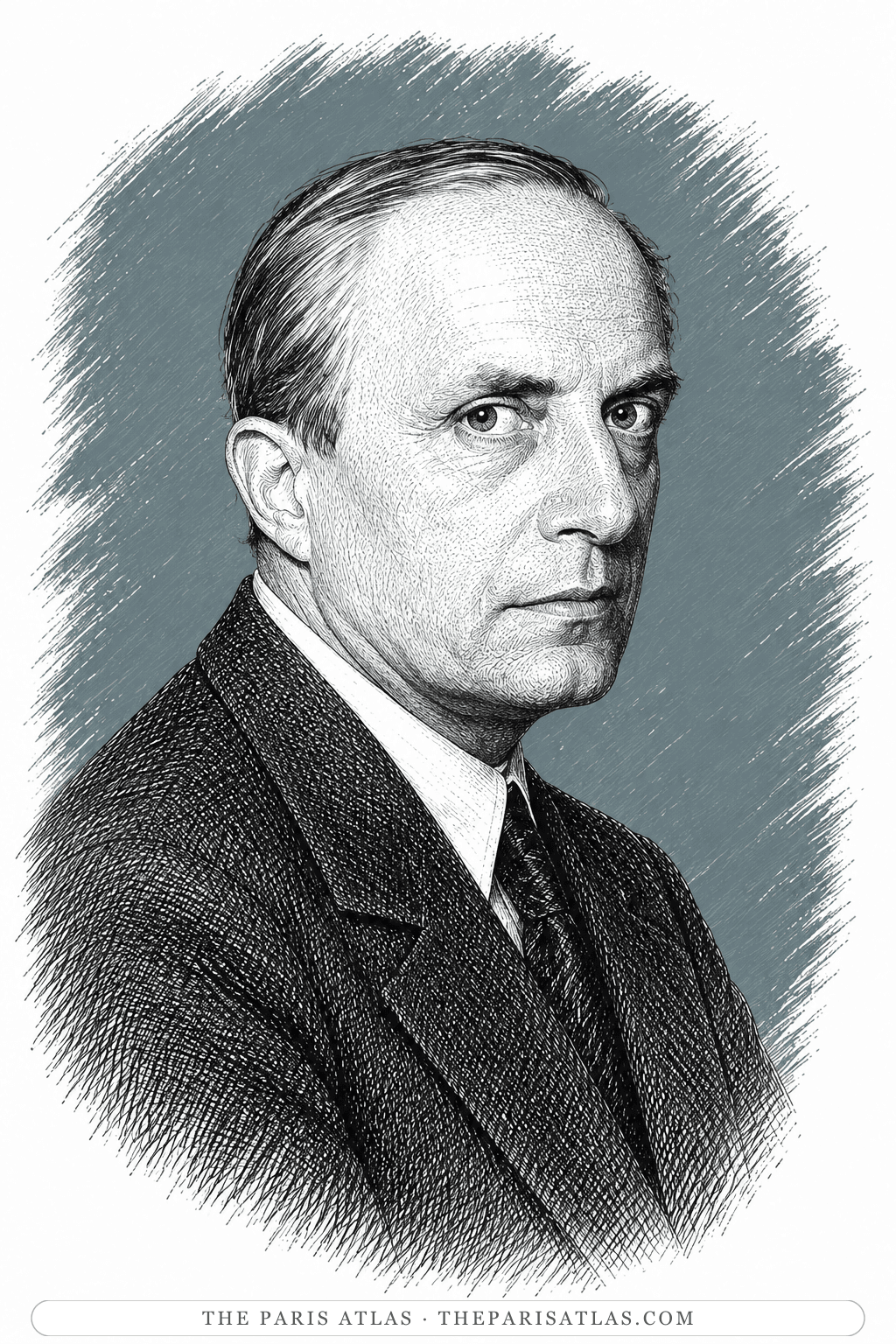
Ludvík Kundera
- Pianist
- Educator
Child of
Kundera’s father was the pianist and musicologist Ludvík Kundera. Music was part of Milan’s upbringing and remained central to his thinking about literary composition.
From communist Czechoslovakia to a new life in France, Milan Kundera turned love, memory and exile into novels where comedy meets philosophy. Paris became his home as he defended the novel’s freedom to question every certainty.
Milan Kundera (1929–2023) brought philosophical reflection into the novel without abandoning the pleasures of storytelling, comedy or intrigue. In The Joke, a careless message acquires consequences its author cannot control; in The Book of Laughter and Forgetting, private memories become inseparable from the rewriting of public history. The Unbearable Lightness of Being, his best-known novel, examines the relationship between freedom and responsibility through the intersecting lives of lovers caught in the upheavals of twentieth-century Czechoslovakia. These books established a distinctive literary method in which intimate experience and historical change continually illuminate one another.
His career developed between two countries and, eventually, two literary languages. Born in Brno, he became an important participant in the cultural life of communist Czechoslovakia before the suppression of the Prague Spring brought censorship and professional exclusion. He moved to France in 1975, became a French citizen in 1981 and later began writing his fiction in French. His international reputation consequently crossed boundaries that his own life had made difficult to maintain: between Czech and French literature, between political witness and imaginative invention, and between the experience of exile and the creation of a new home.
Kundera resisted being treated simply as a dissident whose novels illustrated a political position. His former assistant Christian Salmon described the increasing distance between the writer’s work and the public image imposed upon him after his international success. Kundera’s withdrawal from interviews was partly an attempt to preserve that distinction. Politics remained important to his writing, but he wanted novels to be read as independent works of art rather than as evidence in a continuing investigation of their author.
Milan Kundera was born in Brno on 1 April 1929, in what was then Czechoslovakia. His father, Ludvík Kundera, was a pianist and musicologist, and music formed an important part of his early education. Before establishing himself as a writer, the younger Kundera studied musical composition as well as literature. This background remained visible in his attention to the arrangement of separate parts within a larger work and in his sustained interest in the relationship between music and narrative. His eventual literary career did not replace that education so much as redirect it into another medium.
Kundera continued his education in Prague, studying at the Film and TV School of the Academy of Performing Arts, generally known as FAMU. He subsequently taught world literature there, remaining on the faculty until 1970. The institution’s own account of his career identifies him as both a former student of dramaturgy and a teacher whose reputation extended beyond the boundaries of film. His early professional environment therefore brought together literature, performance and cinema rather than separating them into distinct artistic fields.
Kundera’s relationship with communism began with commitment rather than opposition. He joined the Communist Party as a young man in the late 1940s, was expelled in 1950, readmitted in 1956 and expelled again in 1970. These changes complicate the later image of an author who had always stood outside the political system he criticized. His intellectual development took place partly within the institutions and expectations of communist cultural life, and his eventual skepticism emerged from experience of that world rather than from an entirely external position.
The distinction matters when reading his treatment of ideological enthusiasm. His fiction repeatedly considers the attraction of collective belonging, the desire to participate in history and the ease with which personal insecurity can acquire a political vocabulary. The young poet in Life Is Elsewhere, for example, approaches revolutionary commitment through the same hunger for recognition that shapes his literary and erotic ambitions. The novel investigates the emotional needs that can sustain an ideology, not simply the arguments used to justify it.
Kundera first became known through poetry. His early collections included Man: A Wide Garden in 1953, The Last May in 1955 and Monologues in 1957. He also wrote for the stage, including The Owners of the Keys, first performed in 1962. These works belong to a period that his later presentation of his career tended to diminish, but they remain part of the history of his emergence as a writer.
His subsequent rejection of much of his early poetry also became an important intellectual turning point. As the literary scholar Jan Čulík has emphasized, Kundera’s development into a critic of lyricism followed his own substantial investment in lyrical writing. His mature suspicion concerned the elevation of private emotion into unquestionable truth, particularly when poetic self-belief joined political certainty. That change should therefore be understood as a revision of his earlier commitments rather than as an attitude he possessed from the beginning.
The stories eventually collected as Laughable Loves, published in successive Czech collections during the 1960s, helped establish the form for which Kundera became internationally known. Their plots turn on seduction, vanity, impersonation and misunderstandings that become more consequential than the characters expect. In “The Hitchhiking Game,” a couple pretend to be strangers and discover that the roles they invent can unsettle the relationship they believed they understood. Erotic comedy becomes a means of examining how little control people possess over their own identities.
Kundera’s first novel, The Joke, appeared in 1967, during the period of cultural liberalization preceding the Prague Spring. That year he also delivered an influential address to the Czechoslovak Writers’ Congress, defending the importance of artistic freedom and the cultural survival of a small nation. His prominence as a novelist thus developed alongside a public role in debates about the relationship between literature and political authority.
The Soviet-led invasion of Czechoslovakia in August 1968 ended the reform movement’s possibilities. During the subsequent period of political repression, Kundera lost his teaching position and his books were removed from normal circulation. The contrast between his growing reputation abroad and his exclusion at home became one of the defining circumstances of his career. His experience also gave particular force to the problem already central to The Joke: the power of institutions to assign an official meaning to words and actions, regardless of the individual’s intentions.
Censorship did not prevent Kundera’s work from reaching readers outside Czechoslovakia. Life Is Elsewhere appeared in French in 1973 and received the Prix Médicis étranger, strengthening his reputation in the country that would soon become his home. The novel’s publication also demonstrated the importance of translation to his survival as a working author. A book unavailable through the ordinary publishing institutions of his own country could acquire an influential readership abroad, even as its author remained professionally restricted at home.
Kundera married Věra Hrabánková in 1967. She had worked in theatre and television, and her own professional life was disrupted after the Prague Spring. In 1975 she left Czechoslovakia with him, sharing the practical uncertainties of emigration as well as the later circumstances of his international success. Their partnership lasted for the remainder of his life.
Věra became an essential intermediary between Kundera and the publishing world. She managed correspondence with publishers and agents, handled matters relating to copyright and helped protect the conditions in which he worked. Her contribution also extended to the preservation of his literary legacy, particularly the transfer of their library and related materials to Brno. The familiar image of a private writer withdrawing from public life therefore depended partly on a sustained partnership through which the demands of publication, translation and administration continued to be met.
Milan and Věra Kundera moved to Rennes in 1975, where he taught at the university. France initially offered a place to work rather than an immediate replacement for the country and language he had left. Rennes 2’s account of these years emphasizes the connection between his teaching and the development of his thinking about Europe, aesthetics and the relationship of literature to history. Emigration created professional possibilities while also making displacement a continuing subject of reflection.
Drawing provided another means of responding to the new circumstances. An exhibition organized by Rennes 2 recounts that one of his first drawings there was made to brighten the couple’s sparsely furnished apartment and comfort Věra. His drawings remained less familiar than his fiction, but they reveal an aspect of the domestic and creative life that accompanied his literary work. The move to France involved practical improvisation as well as the larger questions of exile later associated with his novels.
In 1979, the Czechoslovak authorities deprived Kundera of his citizenship. He became a French citizen in 1981, establishing a legal attachment to the country in which he had rebuilt his working life. Czech citizenship was restored to him in 2019, four decades after its removal. These events marked different stages in a relationship with his birthplace that remained more complicated than either a permanent rejection of it or an uncomplicated return.
His literary identity cannot be reduced to a change of passport. The novels that made him internationally famous continued to draw on Czech language and experience, while his later fiction was composed in French. The two parts of his career form one developing body of work, written in different circumstances.
The publication of The Unbearable Lightness of Being in 1984 brought Kundera an especially broad international readership. Its combination of a love story, philosophical reflection and the historical experience of the Prague Spring made it his most widely recognized work. The novel was written in Czech, despite appearing during his French years; living in France and writing fiction in French were separate developments in his career.
Philip Kaufman’s 1988 film adaptation, with Daniel Day-Lewis, Juliette Binoche and Lena Olin, extended the story’s visibility beyond its literary readership. Kaufman and Jean-Claude Carrière wrote the screenplay. The adaptation made the lovers and the political setting familiar to another audience, while necessarily presenting them through a medium different from the novel’s combination of narrated action and extended reflection.
Immortality, first published in 1990, was Kundera’s last novel written in Czech. His first French-language novel, Slowness, appeared in 1995, followed by Identity, Ignorance and The Festival of Insignificance. The change occurred after many years in France, not at the moment of his emigration. He had also been publishing literary essays in French before making it the language of his new fiction.
The later novels are generally shorter and more concentrated than the expansive works of his middle career. They retain his interest in desire, misunderstanding and the instability of the self, but often develop these concerns through compact situations rather than large historical narratives. The movement from the château of Slowness to the returning emigrants of Ignorance shows continuity as well as change: a different language and scale did not mean abandoning the questions that had shaped his earlier work.
In 2008, the Czech magazine Respekt published an allegation, based on a police report dated 1950, that Kundera had informed on Miroslav Dvořáček, an anticommunist agent who was subsequently imprisoned. Kundera categorically denied the accusation. The report became the subject of extensive public argument over its reliability, the absence of Kundera’s signature and the difficulty of reconstructing the circumstances from incomplete surviving evidence.
The episode remains a disputed part of his biography. Subsequent examinations raised questions about how the police document had been interpreted and whether it could establish Kundera’s personal involvement. The resulting controversy did not produce an uncontested reconstruction of the events, and the allegation cannot be treated as an established fact about his conduct.
Kundera’s standing in French literary culture received notable recognition when his work entered Gallimard’s Bibliothèque de la Pléiade in 2011. The edition followed his wish to foreground the writing rather than surround it with an extensive biographical apparatus. He received the Prix de la BnF in 2012, another acknowledgment of a career that had become central to French as well as Czech literary history.
The Milan Kundera Library opened in Brno on 1 April 2023, his ninety-fourth birthday. Established through the couple’s donation, it brought together editions of his work and materials associated with its international circulation. The collection’s importance extends beyond the preservation of manuscripts or personal memorabilia: it records the many languages and publishing cultures through which his writing reached readers.
Milan Kundera died in Paris on 11 July 2023, aged ninety-four. Věra died in September 2024. Their ashes were laid to rest together in the Circle of Honour at Brno’s Central Cemetery on 18 June 2026, completing a posthumous return to the city of his birth. This final connection with Brno did not erase the significance of France, where he had spent nearly half a century and produced much of the work on which his reputation rests.
Kundera’s admiration for Denis Diderot found a particularly direct expression in Jacques and His Master, written in the aftermath of the invasion of Czechoslovakia. Rather than treating Diderot’s Jacques the Fatalist as a text to reproduce faithfully, he created a theatrical variation on its characters, stories and relationship between servant and master. The work represents a literary friendship across centuries, grounded in a shared enjoyment of narrative freedom and the refusal to let a story proceed only along its expected route.
Philip Roth was an important interlocutor in Kundera’s international literary life. Their published conversation in 1980 considered exile, the relation between public and private experience, and the possibilities of the novel. Kundera described fiction as capable of bringing together historical material, invented characters, essayistic reflection and fantasy without surrendering its unity. The exchange situates him within a wider conversation among novelists rather than confining him to the role of a representative of his country’s political suffering.
Music remained a major point of reference in Kundera’s criticism. His interest in Leoš Janáček involved both admiration for the composer and a concern with how the work of an artist from a small nation is received internationally. In Testaments Betrayed, Janáček appears alongside writers and musicians whose work has been shaped, explained or altered by interpreters. Musical history thus provided another setting for his examination of artistic misunderstanding.
Kundera regarded the novel as a form of inquiry rather than a vehicle for delivering predetermined answers. In his conversation with Roth, he distinguished the novelist’s activity from the assertion of certainty: stories place different experiences beside one another and test the meanings that emerge from their encounter. This helps explain why his books so often allow a position to seem persuasive before introducing a character or circumstance that complicates it. Their reflections are inseparable from the situations through which those reflections are tested.
The organization of Kundera’s novels is often thematic as well as chronological. In The Book of Laughter and Forgetting, separate narratives return to related questions without becoming parts of a single continuous plot. Repetition does not merely repeat information; it alters the significance of an idea by placing it in another life or setting. Memory can appear as political resistance in one passage, private grief in another and deliberate self-deception in a third. The book’s unity consequently depends on the relationships among its variations.
Kundera’s comic situations frequently begin with a person attempting to control how another person will understand an action. A joke, disguise or act of revenge then develops a meaning different from the one intended. In The Joke, Ludvík’s effort to settle an old account draws other people into a design whose supposed clarity proves misleading. The comedy is therefore not simply an ornament added to serious material. It is a way of exposing the distance between the stories people tell themselves and the lives in which those stories must operate.
For Kundera, memory is neither a perfectly reliable archive nor an unqualified moral good. His characters need it to maintain a connection with the people they have loved, but they also revise it to make themselves more acceptable to themselves. The Book of Laughter and Forgetting places the suppression of public history beside such intimate acts of selection. Ignorance approaches a related problem through return: people who appear to share a past may discover that they remember entirely different events, or that an experience central to one life has almost disappeared from another.
Kitsch became one of Kundera’s most influential critical concepts. His concern extended beyond bad taste to the sentimental images through which people congratulate themselves on sharing the proper feelings. As John Bayley observed in discussing The Unbearable Lightness of Being, the danger lies partly in the movement from an immediate emotion to satisfaction at belonging to a community that feels the same way. Such satisfaction makes emotion available to political propaganda and commercial persuasion, while discouraging responses that disturb the comforting image.
The criticism was not restricted to communist society. In the novel, Sabina objects when an exhibition catalogue turns her into an exemplary suffering émigré rather than attending to her painting. Western sympathy can impose a simplifying identity just as political authority can. This episode connects Kundera’s critique of sentimentality with his resistance to being understood primarily as a dissident author.
Kundera’s concern with translation was sharpened by the publication history of The Joke. An early English edition shortened and rearranged parts of the novel, leading to a dispute that became public in literary journals. In a 1970 letter, the translator and editor Oliver Stallybrass acknowledged changes while explaining the circumstances in which they had been made. For Kundera, such alterations affected more than surface wording: rearranging a work could change its design and therefore its meaning.
His scrutiny of editions and translations belonged to a broader defense of artistic autonomy. In Testaments Betrayed, he considered how friends, editors, biographers and admirers can distort the work they claim to preserve. His insistence on authorial control followed that argument, while raising questions about an author’s authority over a work’s subsequent interpretation.
Kundera’s treatment of women has been a persistent source of disagreement. Critics, including Joan Smith, have objected to the recurrence of sexual humiliation and to the ways female characters can appear subordinated to male desire or intellectual argument. Other readers emphasize the complexity of figures such as Tereza and Sabina and distinguish the novel’s examination of a character’s attitudes from an endorsement of them. The disagreement concerns both representation and method: whether narrative irony creates sufficient distance from the inequalities the fiction depicts, and whether women receive the same imaginative freedom as men. These questions remain significant to his reception rather than incidental objections to an otherwise settled reputation.
These stories established many of Kundera’s enduring concerns before his first novel appeared. Seduction is repeatedly entangled with playacting, wounded pride and the desire to control another person’s image of the self. The collection’s humor depends on the instability of those arrangements: a role adopted for pleasure can expose an unwelcome possibility, while an apparent conquest can reveal the emptiness of the ambition behind it. The stories are important both as independent works and as an early testing ground for the comic situations of the novels.
Kundera’s first novel follows Ludvík, whose irreverent postcard leads to political punishment and the disruption of his future. Years later, he returns seeking revenge on a former associate. The novel moves beyond its initial account of repression by allowing several voices to interpret overlapping events, revealing how differently a life can appear from another person’s position. Its treatment of Moravian cultural traditions also places political rupture within a longer problem of historical continuity and loss.
The book is not simply a demonstration that an authoritarian system cannot tolerate humor. Ludvík’s later attempt to impose a definitive meaning on his own suffering reproduces, in a private form, the desire for control that damaged his life. The structure makes revenge a further source of misunderstanding rather than a reliable means of restoring justice.
The novel follows Jaromil, a young poet whose sense of exceptional destiny is encouraged by his mother. Literary ambition, sexual insecurity and enthusiasm for revolution become closely connected. Kundera examines the attraction of the lyrical self: a person who experiences private feeling as evidence of a special relationship with truth or history. Jaromil’s aspirations allow the novel to ask how innocence, vanity and cruelty can coexist, and how artistic ambition can become entangled with the desire for political approval.
Set over five days in a spa town, Farewell Waltz organizes its plot around a nurse’s claim that a visiting musician has made her pregnant. Husbands, wives, lovers, a doctor and a man preparing to emigrate become involved in an increasingly complicated sequence of interventions. The novel uses the machinery of farce to investigate questions that are not themselves trivial, including parenthood, jealousy, responsibility and the power one person can exercise over another’s future. Its tightly coordinated action offers a contrast to Kundera’s more openly digressive works.
This seven-part work joins fiction, personal reflection, political history and fantasy in a structure of variations. Its central concerns include the disappearance of people from public memory and the effort to preserve a private connection with the dead. Tamina, an émigré trying to recover the traces of her life with her husband, gives the problem of forgetting an especially intimate form. The book asks what remains of a person when the experiences that sustained that identity can no longer be recovered.
Rather than presenting laughter as consistently liberating, Kundera explores different forms of it, including laughter that unsettles certainty and laughter that accompanies collective belonging. The book’s shifts of tone make its political questions inseparable from its experiments with narrative form. It is among the clearest examples of his refusal to choose between imaginative play and historical seriousness.
Kundera’s best-known novel follows Tomáš, Tereza, Sabina and Franz, whose relationships unfold across political upheaval, emigration and conflicting understandings of fidelity. Tomáš’s attachment to Tereza exists alongside his pursuit of sexual independence, while Sabina’s resistance to fixed identities unsettles Franz’s more idealized understanding of love. The characters do not merely illustrate abstract positions; their encounters reveal the emotional costs of commitments that can seem convincing when considered alone.
The opening reflection on Nietzsche’s idea of eternal return introduces the question behind the title. A life lived only once cannot be tested against a second version of itself, leaving decisions without the certainty that repetition might provide. Yet freedom from weight can also become an absence of significance, while responsibility can be both oppressive and meaningful. The novel develops this tension through its characters rather than resolving it into a simple recommendation to choose either lightness or weight.
Immortality begins with a gesture observed at a swimming pool, from which the narrator develops the character of Agnès. Her family relationships and desire for a less intrusive existence are interwoven with reflections involving historical figures, including Goethe and Hemingway. The book considers not only survival after death but the image of a person that circulates among others, often beyond that person’s control. The creation of a fictional character consequently becomes connected with the making of reputations, memories and public identities.
Kundera’s first novel written in French places an eighteenth-century episode of seduction beside contemporary events at a French château. The juxtaposition examines differences between private pleasure and public performance, and between the time required to experience something and the speed with which it is displayed or forgotten. Its short, interwoven episodes retain the freedom of his earlier fiction while using a more compact form. The novel’s interest in slowness concerns attention and memory as much as the pace of modern life.
This short novel centers on Chantal and Jean-Marc, a couple whose relationship is unsettled by uncertainty about desire and recognition. Reassurance becomes difficult to separate from deception, and attempts to understand another person generate interpretations that can be impossible to verify. As the boundary between ordinary experience and imagined possibility becomes less secure, the novel asks what it means to recognize someone one loves. Its small scale intensifies a problem that appears throughout Kundera’s fiction: intimacy does not guarantee reliable knowledge.
Written in French but first published in Spanish translation in 2000, Ignorance appeared in France in 2003. It follows Irena and Josef, emigrants returning to the Czech lands after the collapse of communism. Their encounter tests the expectation that returning to a birthplace will restore an interrupted life. What matters to those who left does not necessarily matter to those who stayed, and a common setting does not ensure a common memory.
Kundera’s final novel first appeared in Italian in 2013 and in French the following year. It reduces the scale of his fiction further, joining brief encounters, comic inventions and reflections on an age that has difficulty recognizing a joke. The book can be read as an experiment in pursuing serious concerns without adopting a consistently serious manner. Rather than returning to the breadth of his middle-period novels, it brings his interest in play, disproportion and the avoidance of solemnity into a deliberately slight form.
This collection of essays and conversations presents Kundera’s understanding of the novel through the writers and formal problems that mattered most to him. Cervantes, Flaubert, Tolstoy, Kafka and Hermann Broch belong to a history in which fiction discovers possibilities of human experience that cannot be replaced by a political doctrine or philosophical system. The book is both a statement of artistic principles and a record of one novelist’s selective, engaged reading of his predecessors.
In this extended essay, Kundera considers the survival of works of art through interpretation, translation, publication and biography. Writers and composers recur across its sections, allowing questions about Kafka’s legacy to interact with questions about musical performance or the reception of Janáček. The book’s concern with betrayal includes well-intentioned intervention: affection for an artist does not necessarily protect the work from being made to express something the artist did not intend.
The Curtain develops Kundera’s account of the novel’s place within the history of art. Its governing idea is that inherited interpretations stand between people and experience, and that an original novel can break through those assumptions. Literary value therefore depends on discovery rather than simply on the expression of a familiar truth. The essay also argues for reading across national boundaries, where relationships among works become visible that a purely domestic literary history may obscure.
This collection brings together Kundera’s responses to writers, painters and musicians, extending the critical interests expressed in his earlier essays. Its subjects include Francis Bacon and Federico Fellini, and its arguments move between personal attachment and close attention to artistic form. The book shows how widely his aesthetic concerns extended beyond fiction, while maintaining his characteristic insistence that a work should be encountered as an artistic achievement rather than reduced to its maker’s biography or political position.
Paris became the principal setting of Kundera’s later working life. His activities there included a seminar at the École des hautes études en sciences sociales, where Christian Salmon served as his assistant between 1982 and 1988. The teaching placed novels, their construction and their relationships with other works at the center of discussion. Paris therefore mattered not only as the residence of an emigrant author but as a place in which he continued to develop and communicate an understanding of literary form.
Salmon’s introduction to the 1984 Paris Review interview describes Kundera’s apartment near Montparnasse. The small study contained a typewriter and shelves of philosophy and musicology, with photographs of his father and Janáček on the wall. The description brings together several durable features of his life: the musical education associated with Brno, the habits of an exacting writer and the deliberately modest working space of a figure whose books were acquiring an international audience.
The city also entered the fiction. In Immortality, Agnès moves through ordinary Parisian activities while questioning the claims that other people make upon her identity. Such scenes make Paris more than a symbolic refuge from political repression; it becomes a setting in which the pressures of visibility, family life and social expectation can be examined. Kundera’s French career consequently developed through both the institutions that supported his work and the everyday experiences that supplied new situations for it.
Kundera’s essay commonly known in English as “The Tragedy of Central Europe” appeared in French in 1983 and in The New York Review of Books in 1984. He argued that countries such as Czechoslovakia, Poland and Hungary belonged culturally to the West despite having been absorbed into the Soviet political sphere. Their predicament, in his account, exposed a failure of Western Europe to recognize that an important part of its own cultural history had been separated from it.
The essay emphasized the importance of language, literature and collective memory to nations whose continued existence could not be taken for granted. Its influence also generated disagreement about where Central Europe began and ended, and whether its cultural identity could be separated so decisively from Russia and Eastern Europe. The resulting debate is part of the essay’s significance: Kundera offered an influential interpretation of Europe’s divisions rather than a geographically neutral definition.
Kundera’s importance rests in part on the range of materials he made available to the novel. Political upheaval, erotic comedy, musical form, historical reflection and the ordinary misunderstandings of personal life could occupy the same work without being organized around a single authoritative lesson. His criticism defended that freedom by treating the novel as an evolving artistic tradition whose possibilities exceeded any particular period’s expectations. The combination of invention and reflection, rather than either element alone, remains central to his contribution.
His career also makes a single national classification inadequate. Czech experience remained fundamental to his writing, but France became more than a place of asylum: it became a country of citizenship, publication and literary language. The unresolved tensions in his reception—between artistic autonomy and biography, between irony and ethical criticism, and between belonging and displacement—are closely connected with the problems his books examine. His legacy lies not in having removed those difficulties, but in having made them part of the experience of reading a novel.
Milan Kundera is born in Brno, Czechoslovakia.
Joins the Communist Party and continues his education in Prague.
Is expelled from the Communist Party for the first time.
Publishes the poetry collection Man: A Wide Garden.
Publishes The Last May.
Is readmitted to the Communist Party.
Publishes the poetry collection Monologues.
His play The Owners of the Keys is first performed.
Publishes the successive Czech collections from which Laughable Loves develops.
Publishes The Joke and addresses the Czechoslovak Writers’ Congress.
Marries Věra Hrabánková.
The Soviet-led invasion ends the Prague Spring reform movement.
Loses his FAMU teaching position and is expelled from the Communist Party again.
Writes Jacques and His Master, his variation on Diderot.
Life Is Elsewhere appears in French and receives the Prix Médicis étranger.
Moves with Věra to Rennes, France, and teaches at the university.
Farewell Waltz is published in French.
The Book of Laughter and Forgetting appears; Czechoslovak citizenship is withdrawn.
Becomes a French citizen.
Teaches his literary seminar at the EHESS in Paris.
His essay on Central Europe appears in French and then in English.
Publishes The Unbearable Lightness of Being.
Publishes The Art of the Novel.
Philip Kaufman’s film of The Unbearable Lightness of Being is released.
Immortality, his last novel written in Czech, is first published.
Publishes Testaments Betrayed.
Publishes Slowness, his first novel written in French.
Publishes Identity in French.
Ignorance appears in Spanish translation.
The French edition of Ignorance is published.
Publishes The Curtain.
Publicly denies the informing allegation published in Respekt.
Publishes Encounter.
His work enters the Bibliothèque de la Pléiade.
Receives the Prix de la BnF.
The Festival of Insignificance appears first in Italian and then in French.
Czech citizenship is restored.
The Milan Kundera Library opens in Brno on his ninety-fourth birthday.
Dies in Paris, aged ninety-four.
His ashes and Věra’s are buried together at Brno’s Central Cemetery.
Child of
Kundera’s father was the pianist and musicologist Ludvík Kundera. Music was part of Milan’s upbringing and remained central to his thinking about literary composition.
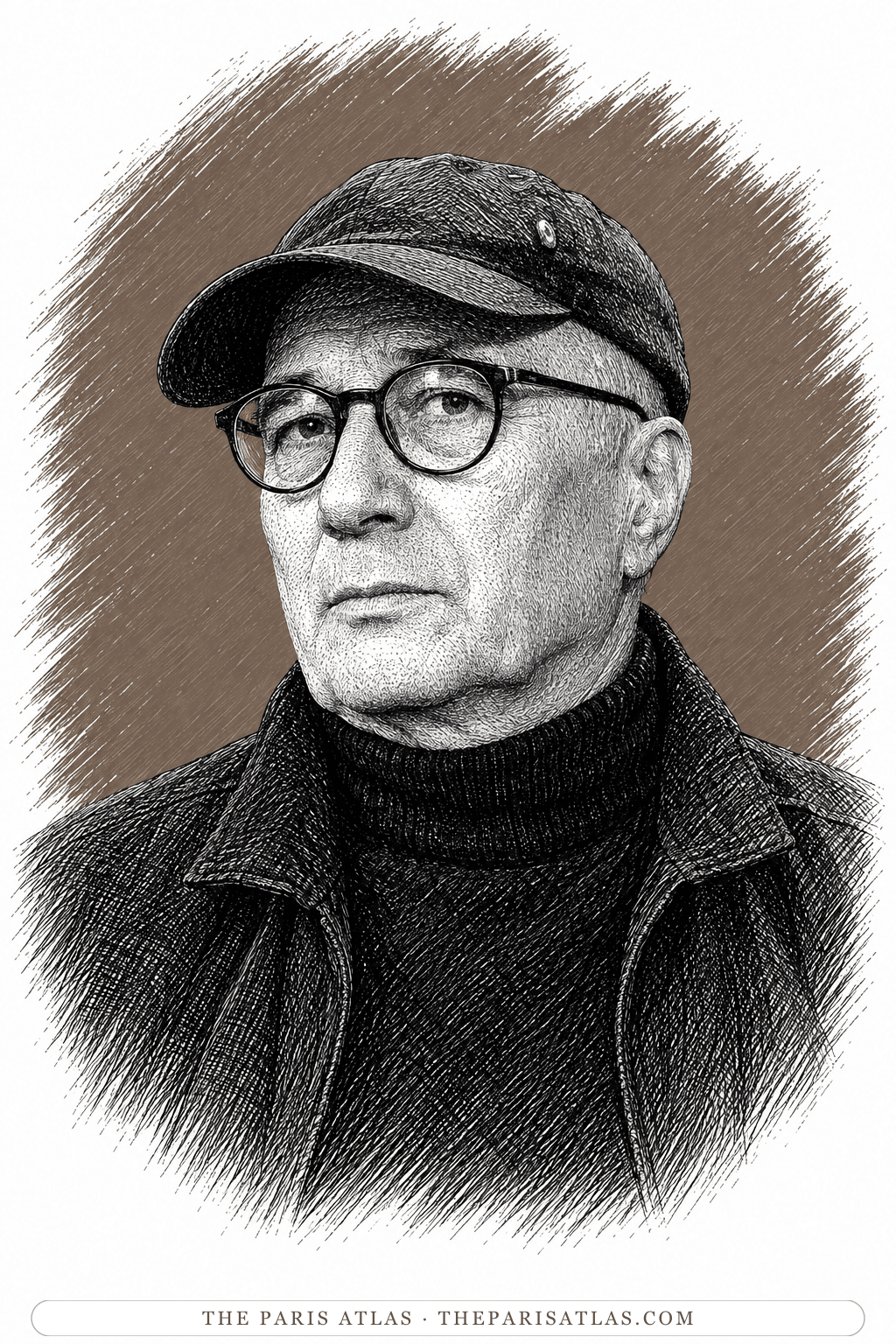
Collaborated with
Christian Salmon worked as Kundera’s assistant at the EHESS in Paris from 1982 to 1988 and conducted his 1984 Paris Review interview on the art of the novel.
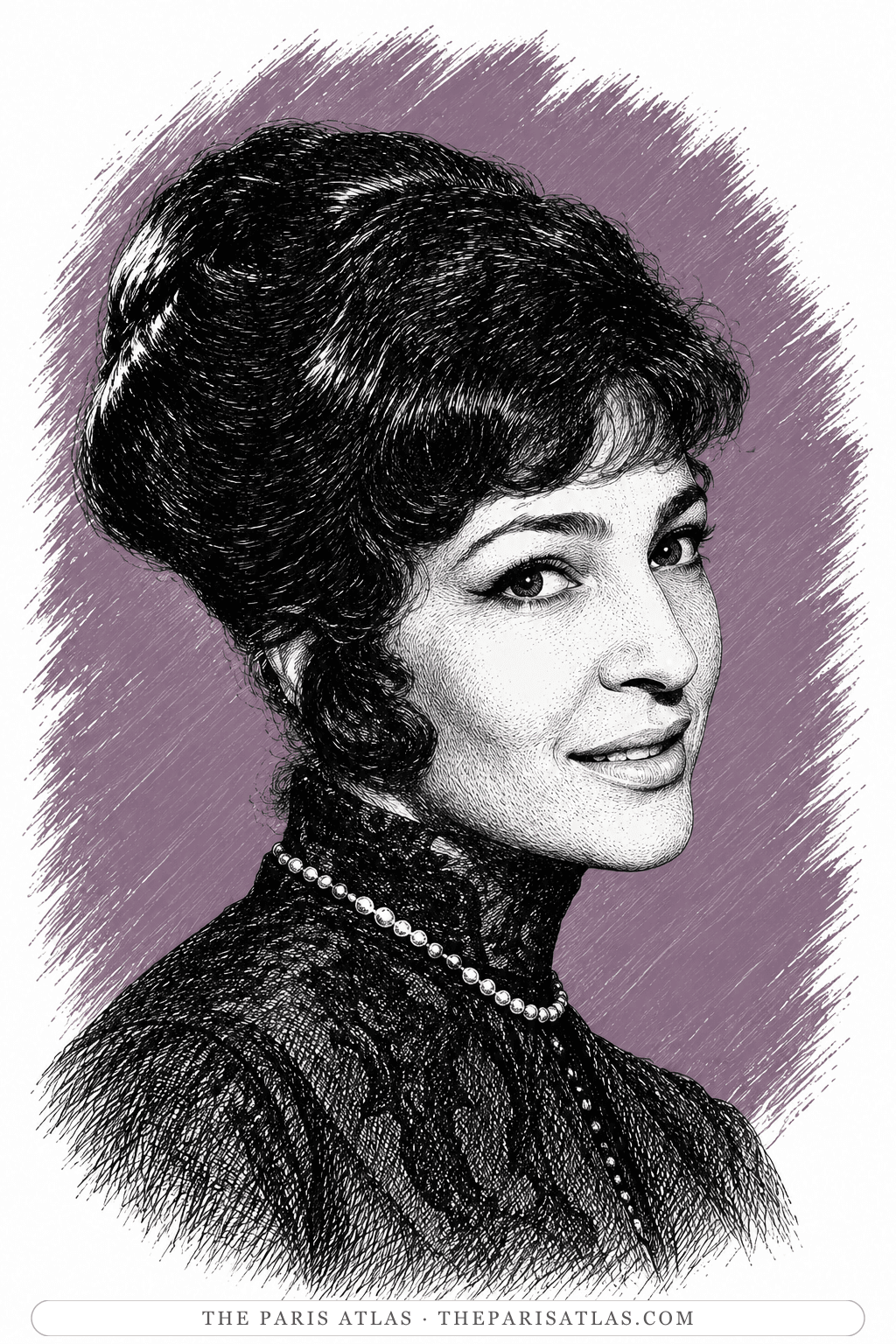
Married to
Kundera married the operetta singer Olga Haasová-Smrčková in 1956. She was his first wife; the marriage ended in divorce.
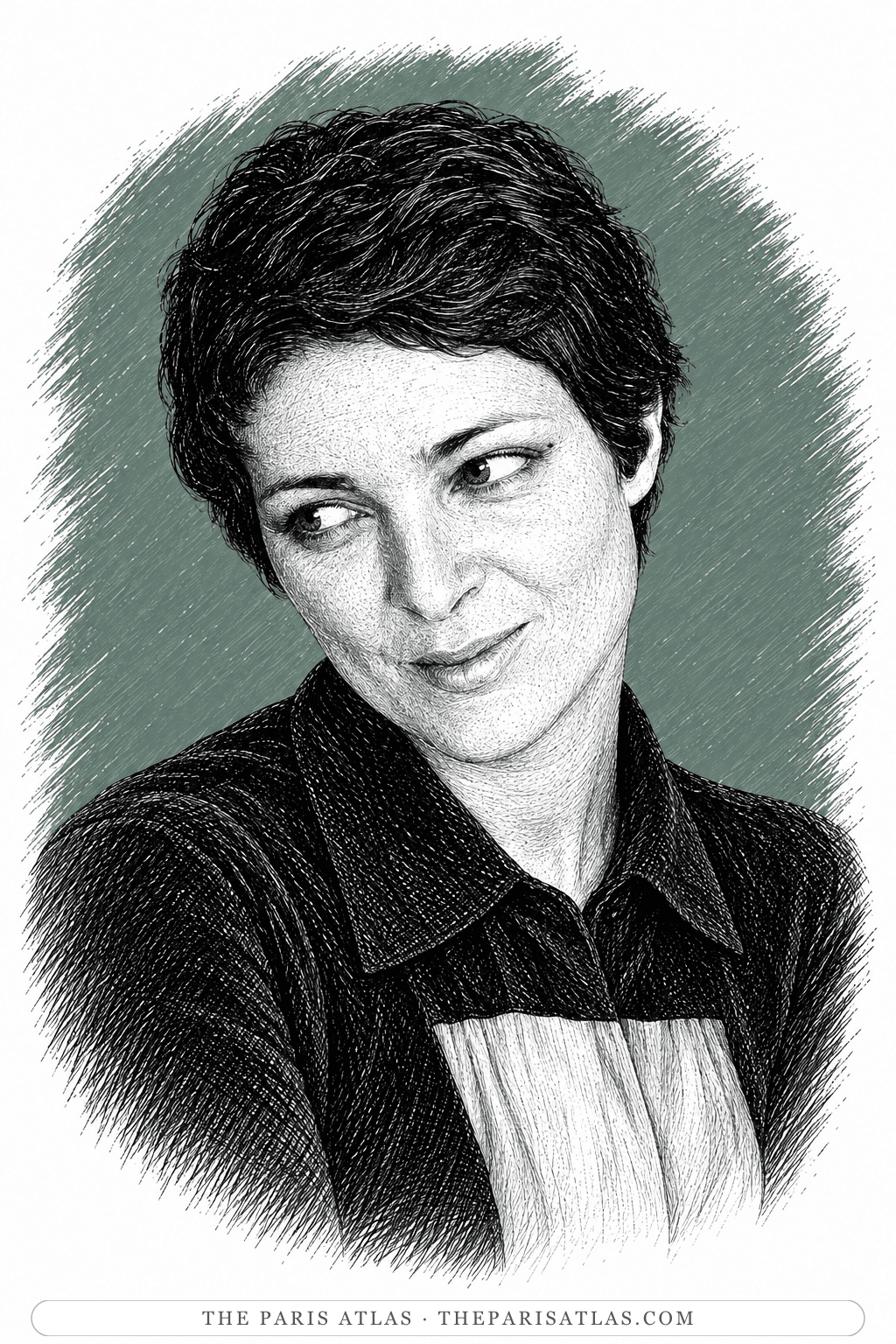
Married to
Věra Kundera shared her husband’s emigration to France and managed correspondence, rights and relationships with publishers. She also helped preserve his library and literary legacy in Brno.
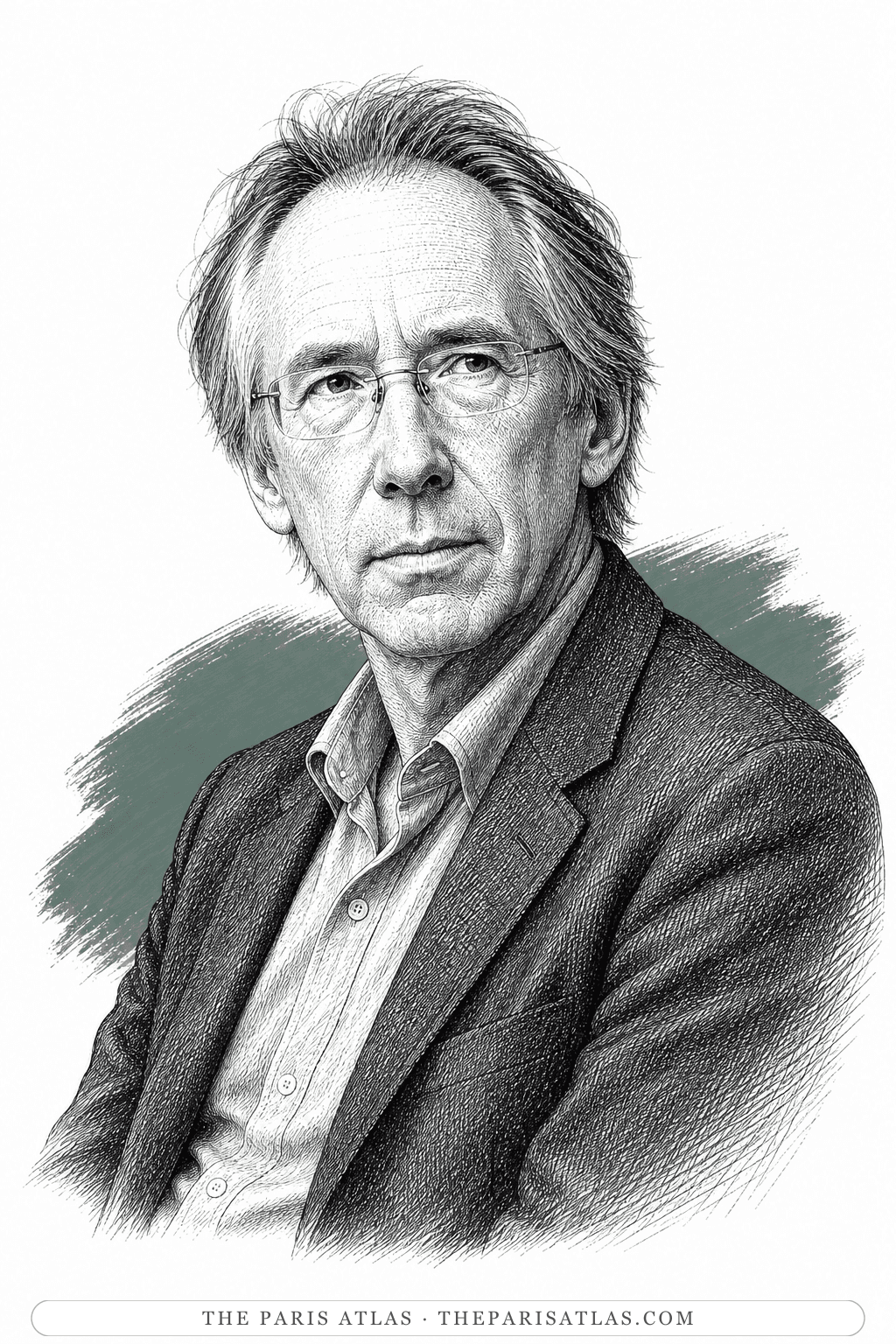
Met
Ian McEwan interviewed Kundera for Granta in 1984. Their conversation explored emigration, political history, laughter and the knowledge a novel can offer.
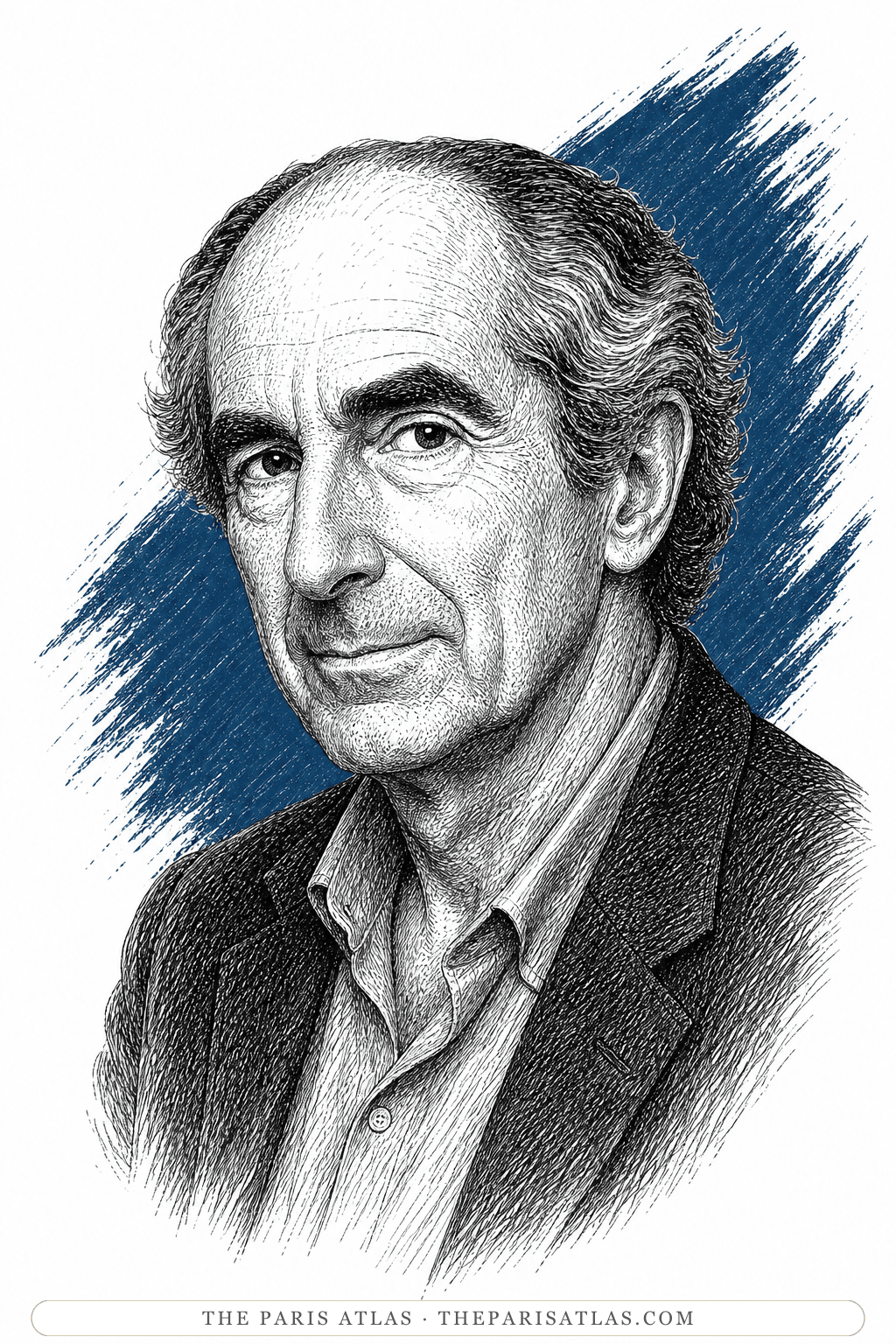
Met
Philip Roth interviewed Kundera in 1980 about exile, memory and the novel. Roth also brought Laughable Loves into his Writers from the Other Europe publishing series.
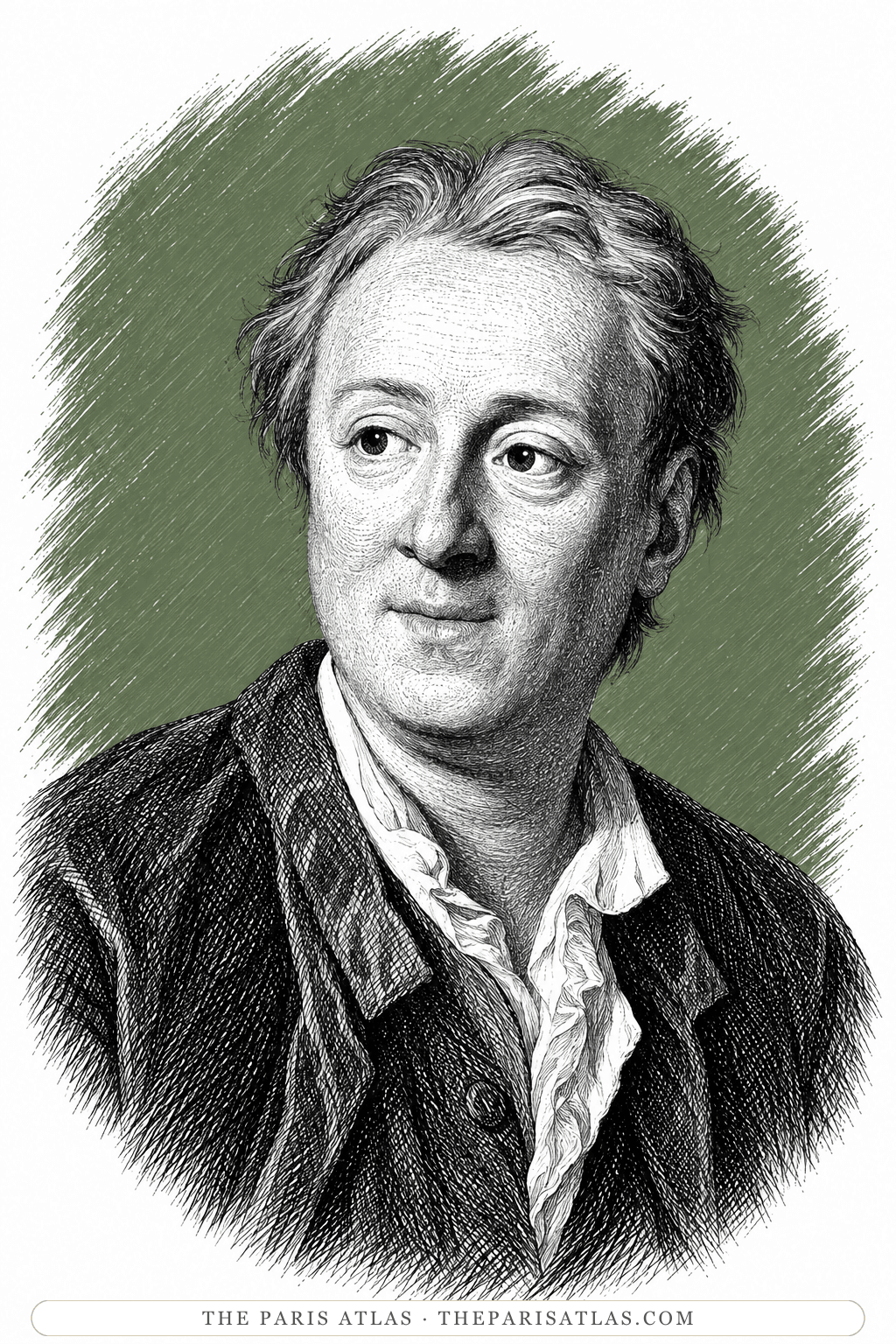
Kundera wrote Jacques and His Master as a theatrical variation on Diderot’s Jacques the Fatalist, preserving its enjoyment of storytelling and narrative freedom.
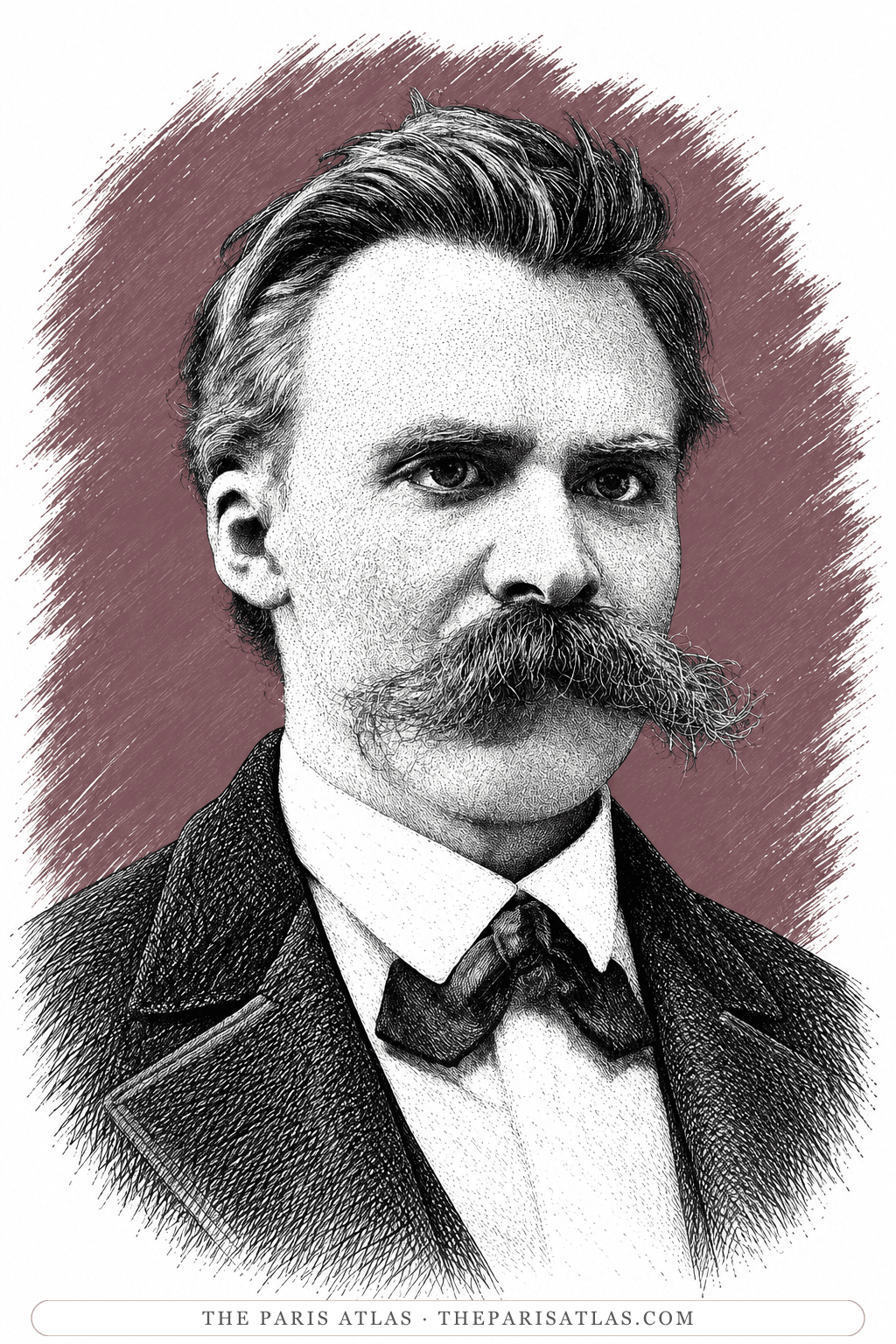
Kundera used Nietzsche’s idea of eternal return to frame The Unbearable Lightness of Being. He explained that these reflections belong to the novel’s own exploration of paradox rather than to a separate philosophical lecture.
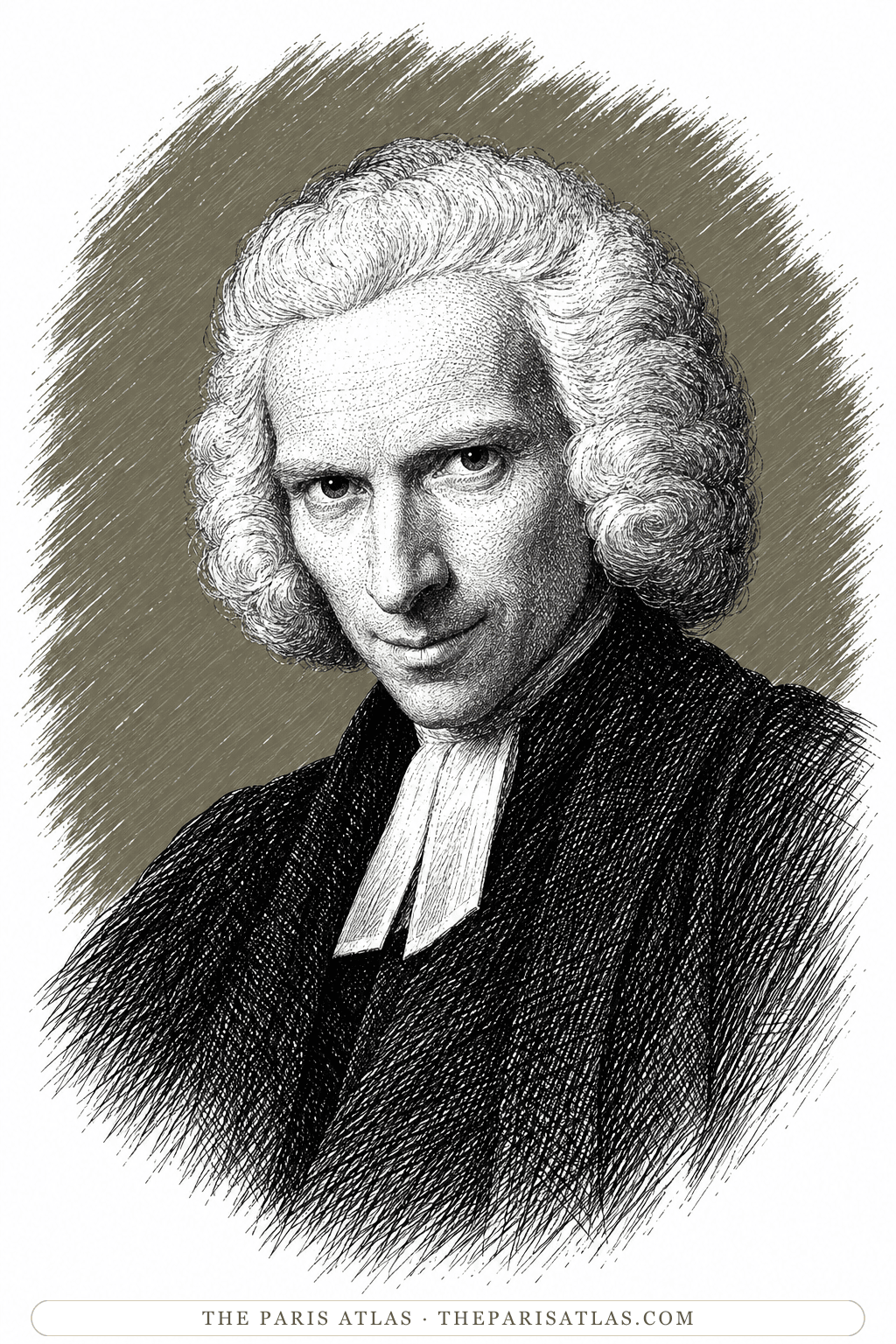
In his conversation with Philip Roth, Kundera singled out Sterne and Diderot for treating the novel as a game and discovering humor in its form. Their experiments suggested possibilities he wanted fiction to recover.
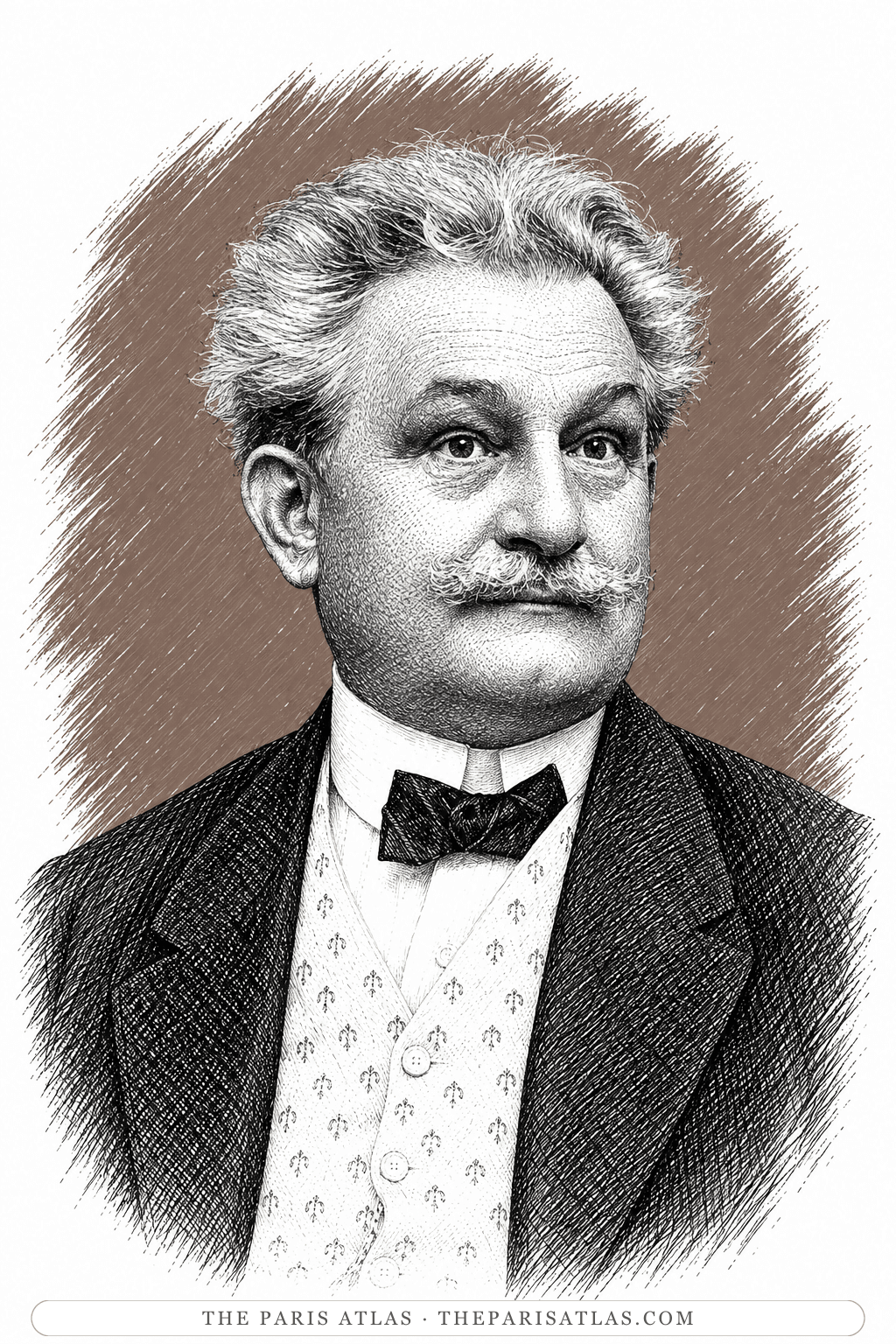
Kundera explicitly compared his method with Janáček’s: both sought to remove routine transitions and keep only what mattered. He described the composer’s concentrated structures as a model for his fiction.
Kundera’s musical upbringing with his pianist father helped shape his attention to rhythm, variation and the arrangement of separate parts within a novel.
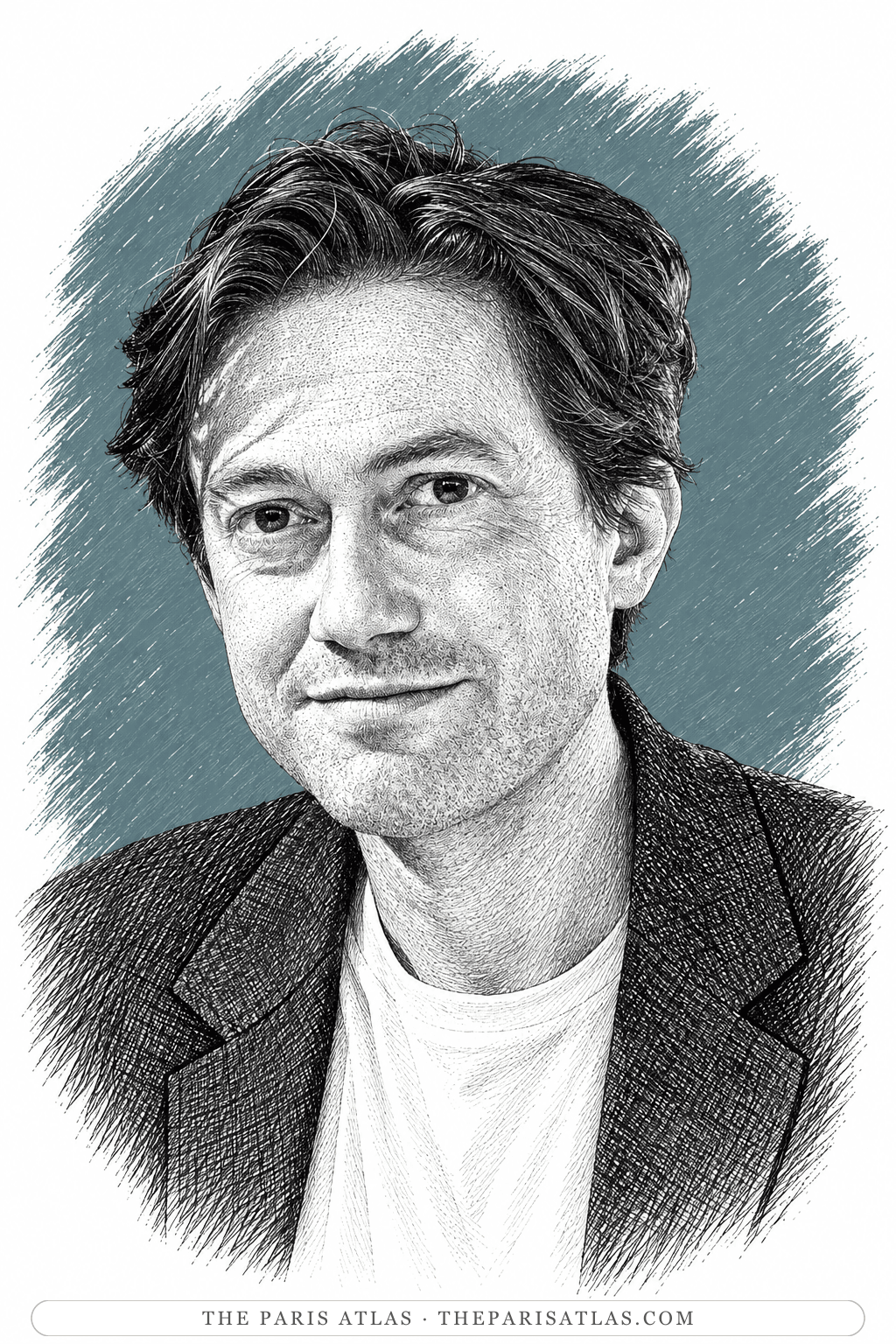
Adam Thirlwell credits reading The Art of the Novel at eighteen with turning him from poetry toward fiction. He also identifies the musical composition, shifts in tempo and formal freedom of Slowness as lasting influences.

Leïla Slimani describes Kundera as an important influence on her life and writing. She connects Adèle with The Unbearable Lightness of Being, especially its treatment of desire, weakness and tenderness toward its characters.
Child of
Kundera’s father was the pianist and musicologist Ludvík Kundera. Music was part of Milan’s upbringing and remained central to his thinking about literary composition.
Collaborated with
Christian Salmon worked as Kundera’s assistant at the EHESS in Paris from 1982 to 1988 and conducted his 1984 Paris Review interview on the art of the novel.
Influenced
Adam Thirlwell credits reading The Art of the Novel at eighteen with turning him from poetry toward fiction. He also identifies the musical composition, shifts in tempo and formal freedom of Slowness as lasting influences.
Influenced
Leïla Slimani describes Kundera as an important influence on her life and writing. She connects Adèle with The Unbearable Lightness of Being, especially its treatment of desire, weakness and tenderness toward its characters.
Married to
Kundera married the operetta singer Olga Haasová-Smrčková in 1956. She was his first wife; the marriage ended in divorce.
Married to
Věra Kundera shared her husband’s emigration to France and managed correspondence, rights and relationships with publishers. She also helped preserve his library and literary legacy in Brno.
Met
Ian McEwan interviewed Kundera for Granta in 1984. Their conversation explored emigration, political history, laughter and the knowledge a novel can offer.
Met
Philip Roth interviewed Kundera in 1980 about exile, memory and the novel. Roth also brought Laughable Loves into his Writers from the Other Europe publishing series.
Influenced by
Kundera wrote Jacques and His Master as a theatrical variation on Diderot’s Jacques the Fatalist, preserving its enjoyment of storytelling and narrative freedom.
Influenced by
Kundera used Nietzsche’s idea of eternal return to frame The Unbearable Lightness of Being. He explained that these reflections belong to the novel’s own exploration of paradox rather than to a separate philosophical lecture.
Influenced by
In his conversation with Philip Roth, Kundera singled out Sterne and Diderot for treating the novel as a game and discovering humor in its form. Their experiments suggested possibilities he wanted fiction to recover.
Influenced by
Kundera explicitly compared his method with Janáček’s: both sought to remove routine transitions and keep only what mattered. He described the composer’s concentrated structures as a model for his fiction.
Influenced by
Kundera’s musical upbringing with his pianist father helped shape his attention to rhythm, variation and the arrangement of separate parts within a novel.
The sources below include biographies, scholarly essays, interviews, and primary materials that informed this page. They reflect both the historical record and ongoing critical conversations about Milan Kundera and their work.

Web source consulted for documented facts and historical context presented on the Milan Kundera page.
Web source consulted for documented facts and historical context presented on the Milan Kundera page.
Web source consulted for documented facts and historical context presented on the Milan Kundera page.
Web source consulted for documented facts and historical context presented on the Milan Kundera page.
Web source consulted for documented facts and historical context presented on the Milan Kundera page.
Web source consulted for documented facts and historical context presented on the Milan Kundera page.
Web source consulted for documented facts and historical context presented on the Milan Kundera page.
Web source consulted for documented facts and historical context presented on the Milan Kundera page.
Web source consulted for documented facts and historical context presented on the Milan Kundera page.
Web source consulted for documented facts and historical context presented on the Milan Kundera page.
Web source consulted for documented facts and historical context presented on the Milan Kundera page.
Web source consulted for documented facts and historical context presented on the Milan Kundera page.
Web source consulted for documented facts and historical context presented on the Milan Kundera page.
Web source consulted for documented facts and historical context presented on the Milan Kundera page.
Web source consulted for documented facts and historical context presented on the Milan Kundera page.
Web source consulted for documented facts and historical context presented on the Milan Kundera page.
Web source consulted for documented facts and historical context presented on the Milan Kundera page.
Web source consulted for documented facts and historical context presented on the Milan Kundera page.
Web source consulted for documented facts and historical context presented on the Milan Kundera page.
Web source consulted for documented facts and historical context presented on the Milan Kundera page.
Web source consulted for documented facts and historical context presented on the Milan Kundera page.
Web source consulted for documented facts and historical context presented on the Milan Kundera page.
Web source consulted for documented facts and historical context presented on the Milan Kundera page.
Web source consulted for documented facts and historical context presented on the Milan Kundera page.
Web source consulted for documented facts and historical context presented on the Milan Kundera page.
Web source consulted for documented facts and historical context presented on the Milan Kundera page.
Web source consulted for documented facts and historical context presented on the Milan Kundera page.
Web source consulted for documented facts and historical context presented on the Milan Kundera page.
Web source consulted for documented facts and historical context presented on the Milan Kundera page.
Web source consulted for documented facts and historical context presented on the Milan Kundera page.
Web source consulted for documented facts and historical context presented on the Milan Kundera page.
Web source consulted for documented facts and historical context presented on the Milan Kundera page.
Web source consulted for documented facts and historical context presented on the Milan Kundera page.
Web source consulted for documented facts and historical context presented on the Milan Kundera page.
Web source consulted for documented facts and historical context presented on the Milan Kundera page.
Web source consulted for documented facts and historical context presented on the Milan Kundera page.
Web source consulted for documented facts and historical context presented on the Milan Kundera page.
Web source consulted for documented facts and historical context presented on the Milan Kundera page.
Web source consulted for documented facts and historical context presented on the Milan Kundera page.
Web source consulted for documented facts and historical context presented on the Milan Kundera page.
Web source consulted for documented facts and historical context presented on the Milan Kundera page.
Web source consulted for documented facts and historical context presented on the Milan Kundera page.
Web source consulted for documented facts and historical context presented on the Milan Kundera page.
Web source consulted for documented facts and historical context presented on the Milan Kundera page.
Web source consulted for documented facts and historical context presented on the Milan Kundera page.
Web source consulted for documented facts and historical context presented on the Milan Kundera page.
Web source consulted for documented facts and historical context presented on the Milan Kundera page.
Web source consulted for documented facts and historical context presented on the Milan Kundera page.
Web source consulted for documented facts and historical context presented on the Milan Kundera page.
Web source consulted for documented facts and historical context presented on the Milan Kundera page.
Web source consulted for documented facts and historical context presented on the Milan Kundera page.
Web source consulted for documented facts and historical context presented on the Milan Kundera page.
Web source consulted for documented facts and historical context presented on the Milan Kundera page.
Web source consulted for documented facts and historical context presented on the Milan Kundera page.
Web source consulted for documented facts and historical context presented on the Milan Kundera page.
Web source consulted for documented facts and historical context presented on the Milan Kundera page.
Web source consulted for documented facts and historical context presented on the Milan Kundera page.
Web source consulted for documented facts and historical context presented on the Milan Kundera page.
Biographical evidence used to verify chronology, relationships, and historical context connected to Milan Kundera.

Contemporary reporting or criticism used to document the historical reception and context of Milan Kundera.
Contemporary reporting or criticism used to document the historical reception and context of Milan Kundera.
Contemporary reporting or criticism used to document the historical reception and context of Milan Kundera.
Contemporary reporting or criticism used to document the historical reception and context of Milan Kundera.
These references anchor the page in the documented record and in the scholarly conversations around Milan Kundera. Every claim on this page traces back to one or more of the works listed here.
 Explore more resources