The Paris AtlasCharting the artists, works, and places worth returning to.
  • Author
· American · 1922–1993

Edie Parker

American memoirist and Jack Kerouac's first wife, whose New York apartment near Columbia was the gathering place where the first Beat circle formed in 1943 and 1944.

Details

Lived
1922–1993
Born
20 September 1922
Birthplace
Detroit, Michigan
Birth name
Frankie Edith Parker
Died
29 October 1993 · aged 71
Place of death
Grosse Pointe, Michigan
Nationality
American
Profession
Memoirist
Major works
You'll Be Okay: My Life with Jack Kerouac
Married
Jack Kerouac · married 1944, separated 1944, annulment filed 1946Michael Dietz · married 1950, divorced 1959Patrick Garvin · married 1959, divorced 1969
Roles
Author
Also known as
Frankie Edie Kerouac-Parker · Edie Kerouac-Parker
In fiction
Judie Smith in The Town and the City (1950)Edna "Johnnie" Palmer in Vanity of Duluoz (1968)Elly in Visions of Cody (1972)Janie in And the Hippos Were Boiled in Their Tanks (written 1945, published 2008)

About Edie Parker

American memoirist, Jack Kerouac's first wife, and host of the New York apartment where the Beat writers first gathered

Edie Parker was an American memoirist, born Frankie Edith Parker in Detroit on 20 September 1922 and raised in Grosse Pointe Park, Michigan. She matters to the history of the Beat Generation for two reasons. The apartment she kept near Columbia University with her friend Joan Vollmer was where Jack Kerouac, Allen Ginsberg, William S. Burroughs and Lucien Carr came together as a circle in 1943 and 1944. Her memoir is the only book-length account of that moment by a woman who was in the room.

She married Kerouac on 22 August 1944, in a civil ceremony he attended under escort from a jail cell. He was being held as a material witness after Lucien Carr stabbed David Kammerer to death in Riverside Park, and Parker's family money paid his bail. They separated within about two months. She filed for annulment in September 1946.

Parker spent most of the rest of her life in Grosse Pointe, married twice more, and worked for decades on a memoir that ran to some 2,200 pages. She died on 29 October 1993, aged 71. City Lights published the edited manuscript in 2007 as You'll Be Okay: My Life with Jack Kerouac, taking the title from the last line of the last letter Kerouac wrote her.

Grosse Pointe and the move to New York, 1922–1940

Frankie Edith Parker was born in Detroit on 20 September 1922 and grew up in Grosse Pointe Park, the wealthy suburb along the lake east of the city. Her parents were Walter Milton Parker Jr. and Charlotte Maire Parker, and they divorced when she was about eight. Her mother controlled the family finances afterwards. Behind that was an inheritance from her grandfather's estate, still unprobated, which becomes important later in her story.

She moved to New York in 1940, at eighteen, to study art. Sources disagree about where: the finding aid to her own papers says she took art classes at Columbia University, while other accounts place her at Barnard College, and several say she studied under the German painter George Grosz. Her grandmother lived at 438 West 116th Street, near the Columbia campus, and it was in that building that she met Henri Cru, a school friend of Jack Kerouac. Cru introduced them. Whether that was in 1940 or 1942 is not settled either.

Parker's own account of the first meeting is one of her set pieces. Cru took the two of them to a New York delicatessen, she sat down and ate six sauerkraut hot dogs, and from that moment, she said, Kerouac was in love with her.

The apartment where the Beats came together, 1943–1944

Parker met Joan Vollmer, a Barnard student, at the West End Bar on Broadway, and the two women set up house together in a series of apartments on the Upper West Side. The best documented is 421 West 118th Street, where they were living in late 1943 and through 1944. Rent was shared with lodgers, among them Hal Chase and John Kingsland, a teenage Columbia student who became Vollmer's lover.

The household is why Parker has a place in literary history. Kerouac was living there with her. Allen Ginsberg was a Columbia undergraduate who knew her well by the summer of 1944. William S. Burroughs, then in his thirties, was visiting by early that year, brought in by Lucien Carr, the student who made most of the introductions. This is the address where those four writers coalesced into a group. Claims about which of them first met which are less reliable than the general fact, because Carr introduced people in several places over several months.

The better-known Beat commune at 419 West 115th Street was Vollmer's apartment and came later, in 1945 and 1946, after Parker had gone back to Michigan. The two addresses are often confused. Parker said she worked on the docks as a longshoreman during the war, and she kept the manuscript of Kerouac's first novel, The Sea Is My Brother, safe for him while he was at sea.

The Kammerer killing and a wedding from a jail cell, August 1944

On the night of 13 to 14 August 1944, after drinking at the West End Bar, Lucien Carr stabbed David Kammerer twice in the heart in Riverside Park. Carr was nineteen and a Columbia student. Kammerer was thirty-three, a former scoutmaster from St. Louis who had followed Carr from city to city for years. Carr weighted the body with rocks and rolled it into the Hudson.

At dawn he went to Burroughs, who told him to get a lawyer and give himself up, and then to Kerouac, who helped him bury Kammerer's glasses in Morningside Park and drop the knife down a drain. The two of them then spent the day at the cinema and the Museum of Modern Art. Carr surrendered on 15 August and was charged with second-degree murder. He pleaded guilty to first-degree manslaughter and served about two years at Elmira Reformatory.

Kerouac was arrested at 421 West 118th Street as a material witness and held in the Bronx jail. His father refused to post bond. Parker's money could, but it was tied up in her grandfather's estate, and by her account the family's lawyer told her it would be released only if Kerouac became her husband. They married on 22 August 1944 at the Manhattan Municipal Building, with Kerouac escorted from custody and two detectives as witnesses, and her money then paid the bail.

The story that the marriage was purely a transaction is a simplification. The couple had reportedly already planned to marry and had taken blood tests before the arrest, so the jail wedding made an existing plan immediate. The date carries its own small puzzle. Most sources give 22 August, but the Allen Ginsberg Project says the 25th, and Kerouac wrote to Ginsberg that their wedding anniversary fell on the day Paris was liberated. Paris was liberated on 25 August.

Two months of marriage, and the annulment

In September 1944 the newlyweds moved into her mother's house in Grosse Pointe. Kerouac took a job at a war-production plant and stayed long enough to repay the family for the bail money. In October he left for New York and the merchant marine. The marriage had lasted about two months, though the couple saw each other again in New York afterwards. In January 1946 Kerouac wrote in his notebook that Edie was gone for good, and she returned to Michigan.

Parker filed for annulment on 18 September 1946. When the marriage formally ended is genuinely unclear: sources variously give 1946, 1948 and 1952, and the Archdiocese of Detroit invalidated it in April 1952, which is a church act rather than a civil one. Her remarriage in 1950 means a civil dissolution had come through by then.

Michigan, and fifty years of writing one book, 1946–1993

Parker spent almost all of the rest of her life in Grosse Pointe. She studied horticulture for a semester at Michigan State University in the autumn of 1948. She married Michael Dietz in 1950 and divorced him in 1959, then married Patrick Garvin in 1959 and divorced him in 1969, and lived alone afterwards.

Kerouac stayed in touch across the decades. Her papers hold letters and a telegram from him dated 1943, 1957 and 1969. She said he sometimes telephoned late at night and once shouted down the line at her second husband. About a month before he died in October 1969 he wrote to her about starting again, and closed the letter with the words that later became her book's title. She went to his funeral in Lowell, Massachusetts, and wrote afterwards about Ginsberg, serving as a pallbearer, turning to smile at her.

In 1982 she appeared at the Jack Kerouac Conference at the Naropa Institute in Boulder, the twenty-fifth-anniversary gathering for On the Road, alongside Ginsberg, Burroughs, Gregory Corso and Lawrence Ferlinghetti. On the women's panel she read from Joan Haverty's then-unpublished memoir. Through the 1980s she made appearances around the United States billed as Frankie Edie Kerouac-Parker, talking about the book she was still writing. She was diagnosed with diabetes in 1991 and died in Grosse Pointe on 29 October 1993, aged 71, after congestive heart failure. She left her papers and her manuscript to her friend Tim Moran.

You'll Be Okay, published fourteen years after her death

The manuscript Parker left behind ran to roughly 2,200 pages. Tim Moran and the Beat historian Bill Morgan cut it to 279 and City Lights published it in September 2007 as You'll Be Okay: My Life with Jack Kerouac, with their essays and photographs from her collection. It covers her Grosse Pointe childhood, wartime New York, the Columbia circle, the Kammerer killing and the brief marriage.

Reviewers were warm about the detail and cooler about the gaps. Rain Taxi praised it as a rare first-hand account by a woman who was there. Kirkus called it an affectionate if unrevealing portrait and thought general readers would do better with On the Road. Writing in Eclectica, Gilbert Wesley Purdy noted how lightly she passes over the separation and the annulment. The book is best used for her point of view rather than for dates, since she was recalling events fifty years later.

Kerouac wrote her into his fiction repeatedly. She is Judie Smith in The Town and the City (1950), Edna "Johnnie" Palmer in Vanity of Duluoz (1968), and Elly in Visions of Cody (1972). She is Janie in And the Hippos Were Boiled in Their Tanks, the novel Kerouac and Burroughs wrote together about the Kammerer killing in 1945 and which was not published until 2008. The 2007 scroll edition of On the Road prints her under her own name. Elizabeth Olsen played her in Kill Your Darlings (2013).

Life events

  1. 1922

    Born Frankie Edith Parker on 20 September in Detroit, Michigan, and raised in Grosse Pointe Park.

    Edie Parker Kerouac and Henri Cru Papers, 1887-2004

  2. 1940

    Moves to New York at eighteen to study art near Columbia University; Henri Cru introduces her to Jack Kerouac.

    Edith Parker Kerouac

  3. 1943

    Sets up house with Joan Vollmer, whom she met at the West End Bar, at 421 West 118th Street.

    421 W. 118th Street

  4. 1944

    Through the spring the apartment becomes the gathering place where Kerouac, Allen Ginsberg, William S. Burroughs and Lucien Carr form a circle.

    Edie Parker

  5. 1944

    On the night of 13 to 14 August, Lucien Carr stabs David Kammerer in Riverside Park and sinks the body in the Hudson.

    The Death of David Kammerer: 80 Years Later

  6. 1944

    Kerouac is arrested at 421 West 118th Street as a material witness after helping Carr dispose of the glasses and the knife.

    Lucien Carr

  7. 1944

    Marries Kerouac on 22 August at the Manhattan Municipal Building, under escort from jail; her family money then posts his bail.

    Jack Kerouac; Edie Parker Kerouac and Henri Cru Papers, 1887-2004

  8. 1944

    The couple move to her mother's house in Grosse Pointe in September; Kerouac leaves for New York in October.

    Edie Parker

  9. 1946

    Returns to Grosse Pointe and files for annulment on 18 September.

    Kerouac and An American Marriage

  10. 1948

    Studies horticulture for one semester at Michigan State University.

    Edie Parker

  11. 1950

    Kerouac's The Town and the City appears with Parker as Judie Smith; she marries Michael Dietz.

    Edie Parker

  12. 1952

    The Archdiocese of Detroit invalidates the Kerouac marriage in April.

    Edie Parker

  13. 1959

    Divorces Michael Dietz and marries Patrick Garvin.

    Edie Parker

  14. 1968

    Vanity of Duluoz publishes Kerouac's own account of 1944, with Parker as Edna "Johnnie" Palmer.

    Edie Parker

  15. 1969

    Divorces Patrick Garvin; Kerouac writes her a last letter ending "You'll be okay" about a month before his death, and she attends his funeral in Lowell.

    Edith Parker Kerouac

  16. 1972

    Visions of Cody is published, with Parker as Elly.

    Edie Parker

  17. 1979

    Reconnects with Henri Cru, the friend who had introduced her to Kerouac.

    Edie Parker Kerouac and Henri Cru Papers, 1887-2004

  18. 1982

    Appears at the Jack Kerouac Conference at the Naropa Institute in Boulder for the twenty-fifth anniversary of On the Road.

    Memories of the 1982 Jack Kerouac Conference by Gerald Nicosia

  19. 1991

    Diagnosed with diabetes.

    Edith Parker Kerouac

  20. 1993

    Dies on 29 October in Grosse Pointe, Michigan, aged 71, after congestive heart failure, leaving her papers and manuscript to Tim Moran.

    Edie Parker; Edie Parker Kerouac and Henri Cru Papers, 1887-2004

  21. 2007

    City Lights publishes You'll Be Okay: My Life with Jack Kerouac, edited by Timothy Moran and Bill Morgan.

    You'll Be Okay: My Life with Jack Kerouac

  22. 2008

    And the Hippos Were Boiled in Their Tanks, written by Kerouac and Burroughs in 1945, is published with Parker as Janie.

    And the Hippos Were Boiled in Their Tanks

  23. 2013

    Elizabeth Olsen plays her in Kill Your Darlings, the film about the Kammerer killing.

    Kill Your Darlings (2013 film)

People they knew

Documented connections — every one carries its source.

Illustrated portrait of Allen Ginsberg

Allen Ginsberg

  • Poet
  • Author
  • Photographer

Met · 1944

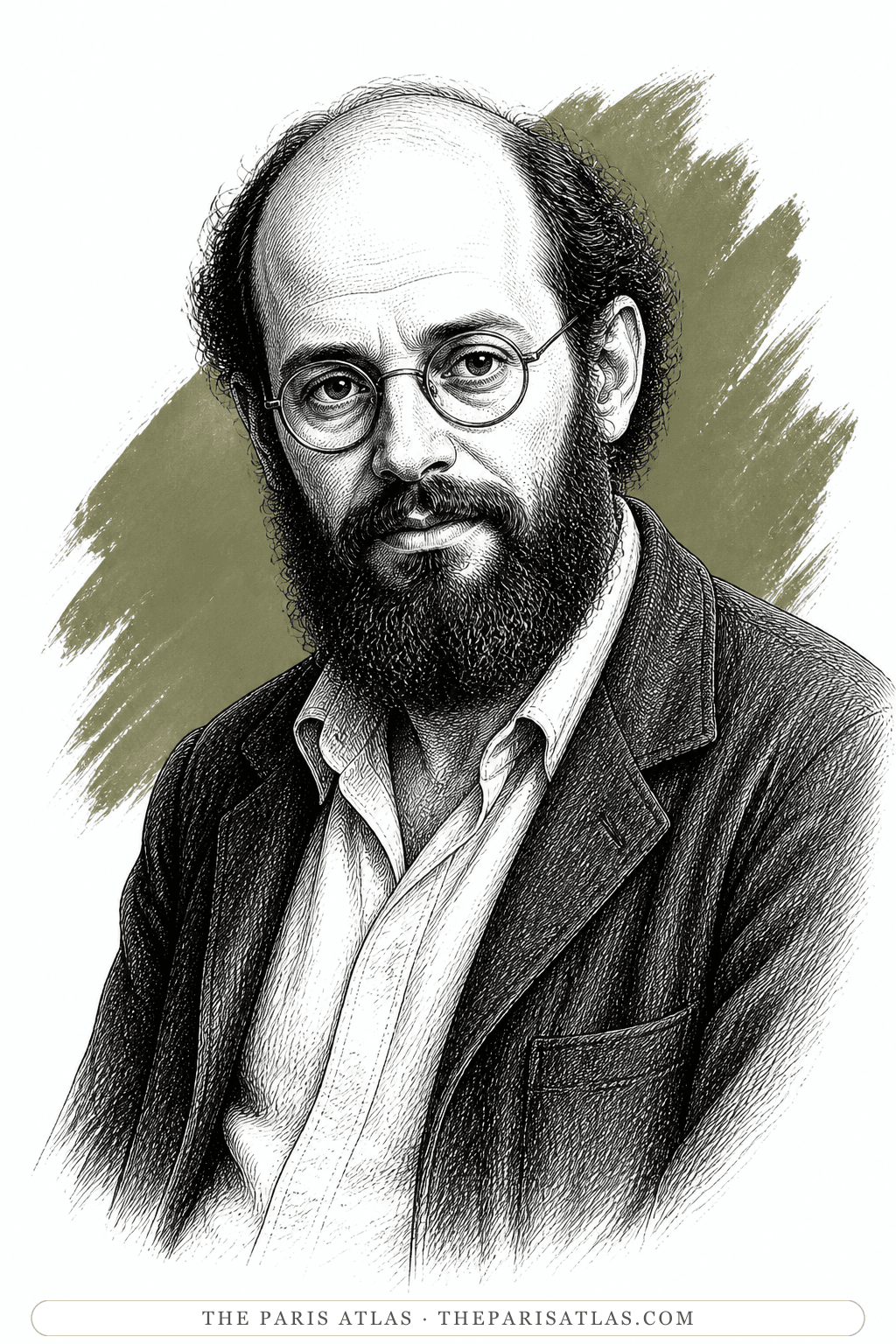
Ginsberg was a Columbia undergraduate who knew Parker well by the summer of 1944, when he was a regular at the apartment she kept with Joan Vollmer at 421 West 118th Street. His letter to Kerouac of 22 August 1944 describes escorting her around New York on the morning of her wedding.
22 August 1944: Allen Ginsberg to Jack Kerouac; Edith Parker Kerouac

Illustrated portrait of Joan Vollmer

Joan Vollmer

  • Author

Met · 1943

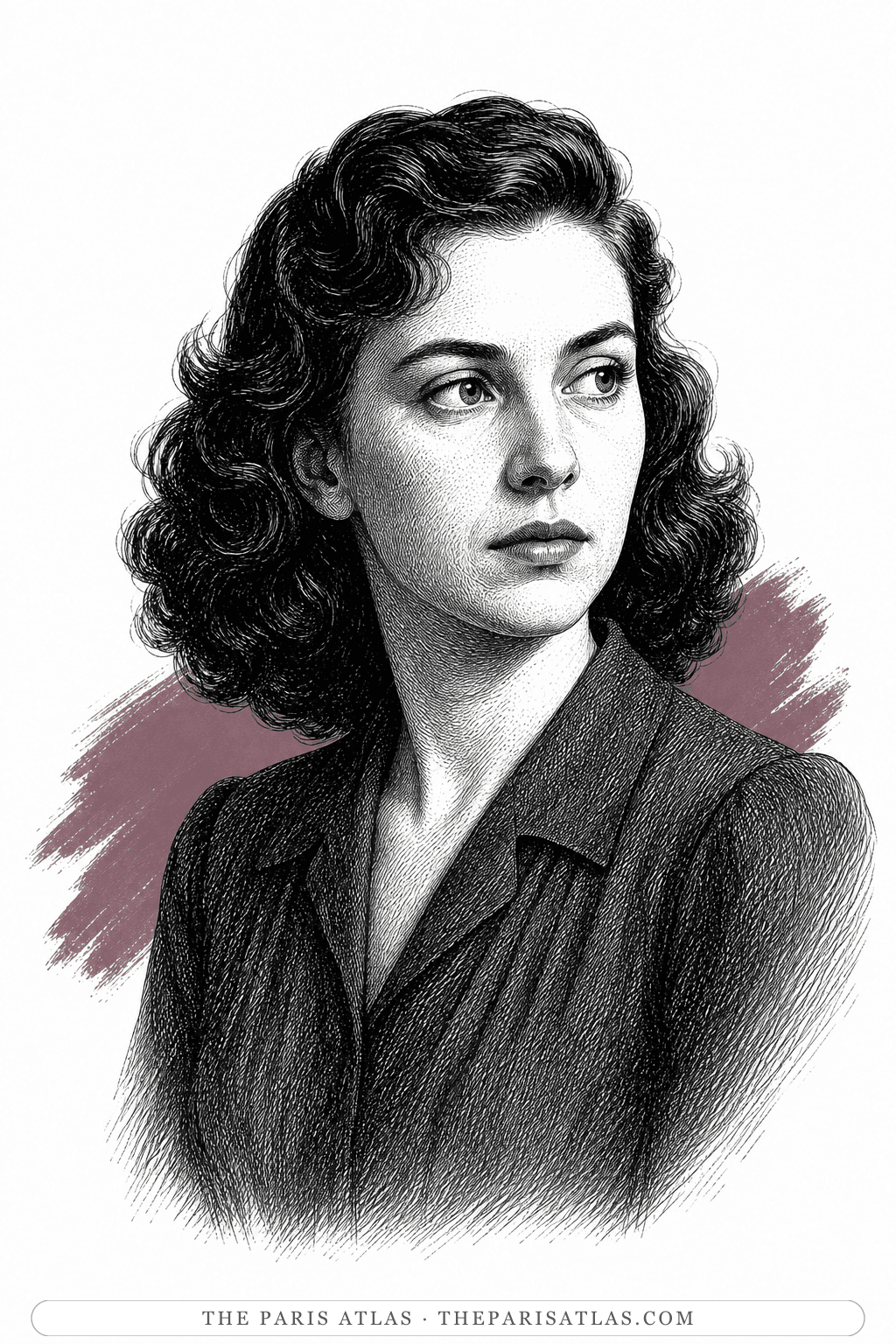
The two women met at the West End Bar on Broadway and shared a series of Upper West Side apartments, the best documented being 421 West 118th Street in late 1943 and 1944. That household is where the first Beat circle formed.

Joan Vollmer; 421 W. 118th Street

Illustrated portrait of William S. Burroughs

William S. Burroughs

  • Author
  • Painter

Met · 1944

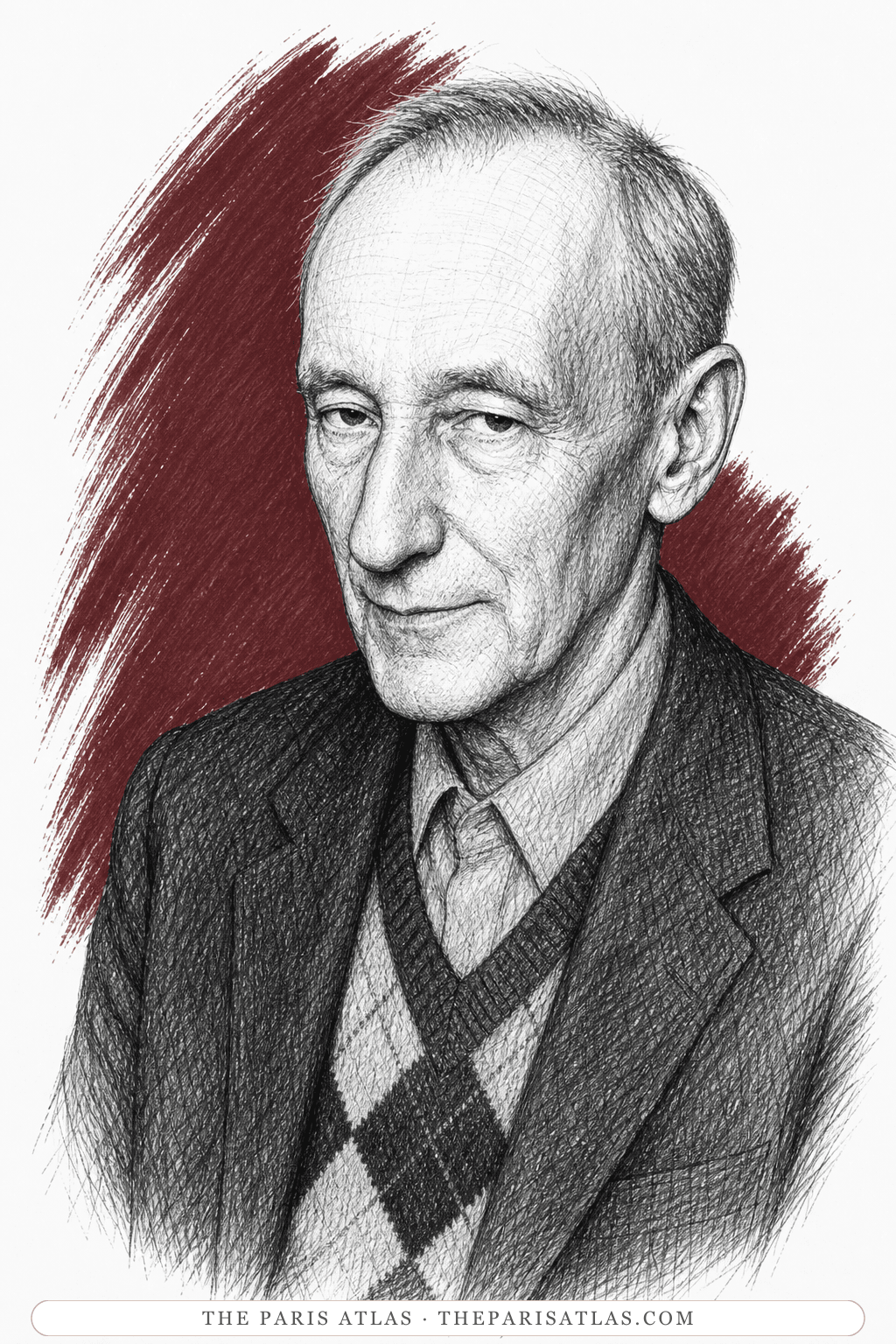
Burroughs was visiting the apartment Parker shared with Joan Vollmer by early 1944, brought into the household by Lucien Carr. He and Kerouac later wrote Parker into And the Hippos Were Boiled in Their Tanks as Janie.

Edie Parker; And the Hippos Were Boiled in Their Tanks

Illustrated portrait of Jack Kerouac

Jack Kerouac

  • Author
  • Poet

Married to · 1944–1948

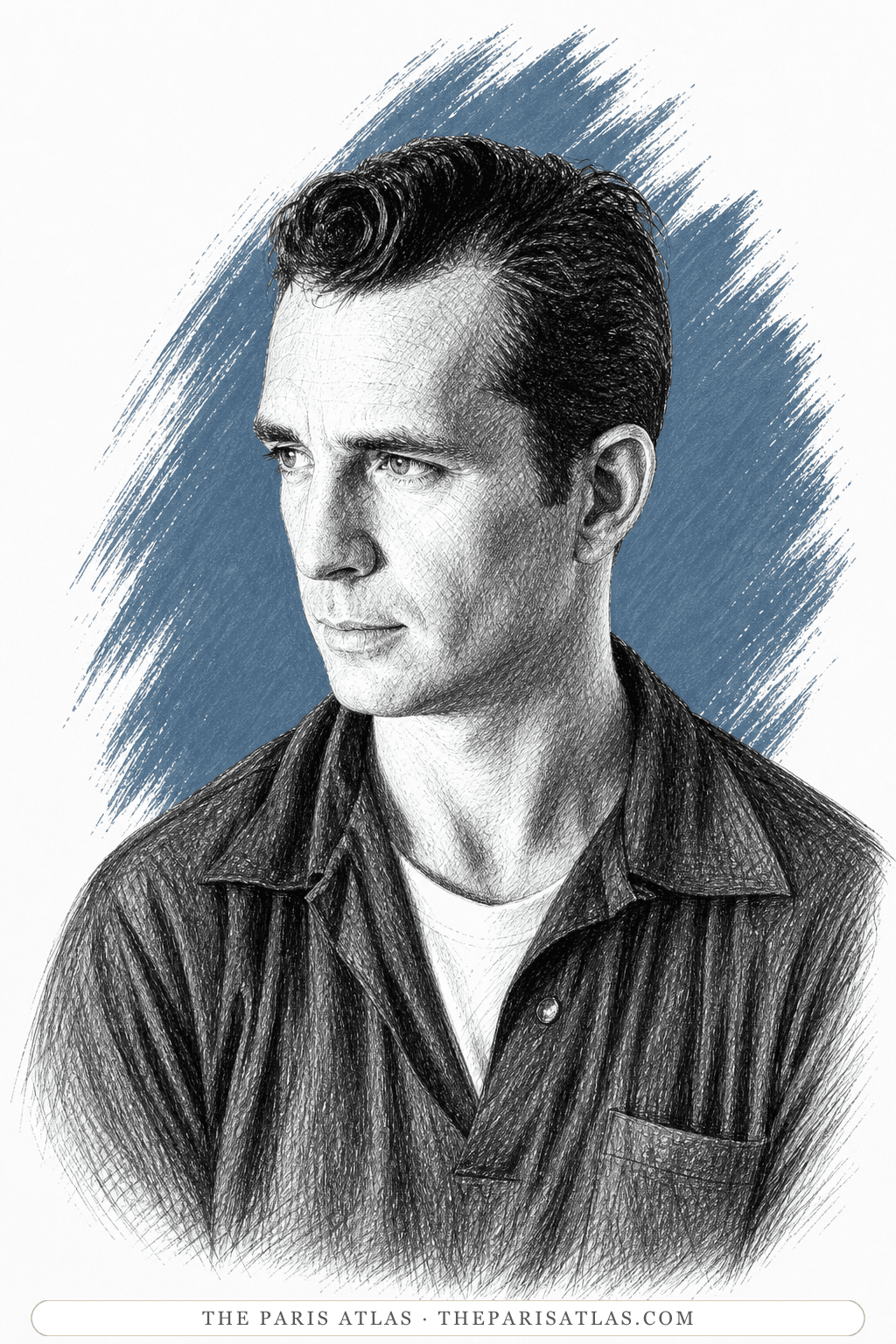
Kerouac married Parker after her family helped arrange bail while he was held as a material witness in the Carr case; the marriage was brief.

Jack Kerouac Papers

Questions about Edie Parker

Was Jack Kerouac married to Edie Parker?

Yes. Edie Parker was Jack Kerouac's first wife. They married on 22 August 1944 at the Manhattan Municipal Building while he was in custody as a material witness in the Lucien Carr case, and he was escorted from jail for the ceremony. They separated after about two months and she filed for annulment in September 1946.

Why was Jack Kerouac arrested in 1944?

As a material witness. His friend Lucien Carr stabbed David Kammerer to death in Riverside Park on the night of 13 to 14 August 1944. Carr then confessed to Kerouac, who helped him bury Kammerer's glasses in Morningside Park and drop the knife down a drain. Kerouac's father refused to post bail, and Edie Parker's family money freed him after their wedding.

Did Jack Kerouac marry Edie Parker for the bail money?

The two things are genuinely connected. By Parker's account her family's lawyer said her inheritance would be released only if Kerouac became her husband, and her money did pay the bail. The couple had reportedly already planned to marry and taken blood tests before the arrest, so the jail wedding made an existing plan immediate rather than inventing one.

Why does Edie Parker matter to the Beat Generation?

The apartment she shared with Joan Vollmer at 421 West 118th Street, near Columbia University, is where Jack Kerouac, Allen Ginsberg, William S. Burroughs and Lucien Carr came together as a circle in 1943 and 1944. Her memoir is the only book-length account of that founding period written by a woman who was present.

Did Edie Parker write a book?

Yes. You'll Be Okay: My Life with Jack Kerouac was published by City Lights in 2007, fourteen years after her death. Timothy Moran and Bill Morgan edited it down from a manuscript of roughly 2,200 pages. The title comes from the closing line of the last letter Kerouac wrote to her, about a month before he died in 1969.

Which Kerouac characters are based on Edie Parker?

She is Judie Smith in The Town and the City (1950), Edna "Johnnie" Palmer in Vanity of Duluoz (1968), and Elly in Visions of Cody (1972). She is Janie in And the Hippos Were Boiled in Their Tanks, the novel Kerouac wrote with William S. Burroughs in 1945 about the Kammerer killing, published in 2008. She appears under her own name in the scroll edition of On the Road.

How did Edie Parker die?

She died on 29 October 1993 in Grosse Pointe, Michigan, aged 71. She had been diagnosed with diabetes in 1991 and suffered congestive heart failure with repeated hospital stays in her last year.

Who played Edie Parker in Kill Your Darlings?

Elizabeth Olsen, in the 2013 film about the killing of David Kammerer, opposite Jack Huston as Jack Kerouac, Daniel Radcliffe as Allen Ginsberg and Dane DeHaan as Lucien Carr.

Sourced claims

Every connection the graph holds for Edie, with the evidence behind it.

Met · 1944

Allen Ginsberg

Ginsberg was a Columbia undergraduate who knew Parker well by the summer of 1944, when he was a regular at the apartment she kept with Joan Vollmer at 421 West 118th Street. His letter to Kerouac of 22 August 1944 describes escorting her around New York on the morning of her wedding.
22 August 1944: Allen Ginsberg to Jack Kerouac; Edith Parker Kerouac

Met · 1943

Joan Vollmer

The two women met at the West End Bar on Broadway and shared a series of Upper West Side apartments, the best documented being 421 West 118th Street in late 1943 and 1944. That household is where the first Beat circle formed.

Joan Vollmer; 421 W. 118th Street

Met · 1944

William S. Burroughs

Burroughs was visiting the apartment Parker shared with Joan Vollmer by early 1944, brought into the household by Lucien Carr. He and Kerouac later wrote Parker into And the Hippos Were Boiled in Their Tanks as Janie.

Edie Parker; And the Hippos Were Boiled in Their Tanks

Married to · 1944–1948

Jack Kerouac

Kerouac married Parker after her family helped arrange bail while he was held as a material witness in the Carr case; the marriage was brief.

Jack Kerouac Papers

References

References

The sources below include biographies, scholarly essays, interviews, and primary materials that informed this page. They reflect both the historical record and ongoing critical conversations about Edie Parker and their work.

  1. 1Jack Kerouac Papers

    Archive
    New York Public Library
    Used for

    Archival evidence used to document the historical record connected to Edie Parker.

    View source
  2. 2Edie Parker Kerouac and Henri Cru Papers, 1887-2004

    Website
    Wilson Library, University of North Carolina at Chapel Hill
    Used for

    Finding aid to her own papers at the University of North Carolina, the source for her birth name and date, the trust-fund bail, and the letters Kerouac sent her across the decades.

    View source
  3. 3Edith Parker Kerouac

    Website
    The Allen Ginsberg Project
    Used for

    Long biographical post drawing on her memoir and interviews, used for the meeting with Kerouac, her final illness, and her account of his funeral.

    View source
  4. 4Edie Parker

    Website
    Wikipedia
    Used for

    Reference article cross-checked for her parents, her later marriages, and the fictional counterparts.

    View source
  5. 5421 W. 118th Street

    Website
    Retracing Jack Kerouac
    Used for

    Address-level history of 421 West 118th Street, drawing on Bill Morgan's Beat geography of New York.

    View source
  6. 6The Death of David Kammerer: 80 Years Later

    Website
    Beatdom
    Used for

    Account of the killing of David Kammerer and its aftermath, used for the sequence of 13 to 15 August 1944.

    View source
  7. 7Kerouac and An American Marriage

    Website
    Empty Mirror
    Used for

    Detailed treatment of the marriage, including the annulment filing of 18 September 1946 and the blood tests taken before the arrest.

    View source
  8. 8You'll Be Okay: My Life with Jack Kerouac

    Website
    City Lights Booksellers and Publishers
    Used for

    The publisher's record for the memoir, its editors and the origin of its title.

    View source
  9. 9Jack Kerouac

    Website
    Wikipedia
    Used for

    Web source consulted for documented facts and historical context presented on the Edie Parker page.

    View source
  10. 10Lucien Carr

    Website
    Wikipedia
    Used for

    Web source consulted for documented facts and historical context presented on the Edie Parker page.

    View source
  11. 11Joan Vollmer

    Website
    Wikipedia
    Used for

    Web source consulted for documented facts and historical context presented on the Edie Parker page.

    View source
  1. 12Haldon Chase

    Website
    Wikipedia
    Used for

    Web source consulted for documented facts and historical context presented on the Edie Parker page.

    View source
  2. 13And the Hippos Were Boiled in Their Tanks

    Website
    Wikipedia
    Used for

    Web source consulted for documented facts and historical context presented on the Edie Parker page.

    View source
  3. 14Kill Your Darlings (2013 film)

    Website
    Wikipedia
    Used for

    Web source consulted for documented facts and historical context presented on the Edie Parker page.

    View source
  4. 1522 August 1944: Allen Ginsberg to Jack Kerouac

    Website
    The American Reader
    Used for

    Web source consulted for documented facts and historical context presented on the Edie Parker page.

    View source
  5. 16You'll Be Okay: My Life with Jack Kerouac, reviewed by Mark Terrill

    Website
    Rain Taxi Review of Books
    Used for

    Web source consulted for documented facts and historical context presented on the Edie Parker page.

    View source
  6. 17You'll Be Okay: My Life with Jack Kerouac, reviewed by Gilbert Wesley Purdy

    Website
    Eclectica Magazine
    Used for

    Web source consulted for documented facts and historical context presented on the Edie Parker page.

    View source
  7. 18You'll Be Okay

    Website
    Kirkus Reviews
    Used for

    Web source consulted for documented facts and historical context presented on the Edie Parker page.

    View source
  8. 19Edie Parker

    Website
    Friends of Kerouac
    Used for

    Web source consulted for documented facts and historical context presented on the Edie Parker page.

    View source
  9. 20Memories of the 1982 Jack Kerouac Conference by Gerald Nicosia

    Website
    The Daily Beat
    Used for

    Web source consulted for documented facts and historical context presented on the Edie Parker page.

    View source
  10. 21Jack Kerouac Conference poster, Naropa Institute

    Website
    Harvard Library
    Used for

    Web source consulted for documented facts and historical context presented on the Edie Parker page.

    View source
i
Why these sources are here

These references anchor the page in the documented record and in the scholarly conversations around Edie Parker. Every claim on this page traces back to one or more of the works listed here.

Explore more resources
Browse all authors