The Paris AtlasCharting the artists, works, and places worth returning to.
  • Singer
  • Actor
· American · 1927–2023

Harry Belafonte

American singer and actor; a civil-rights ally of James Baldwin who sat in the room when Baldwin's delegation confronted Robert Kennedy in May 1963.

Details

Lived
1927–2023
Born
1 March 1927
Birthplace
Harlem, New York
Died
25 April 2023 · aged 96
Place of death
Manhattan, New York
Nationality
American
Married
Marguerite Byrd · 1948–1957Julie Robinson · 1957–2004Pamela Frank · 2008–2023
Roles
SingerActor
Also known as
Harold George Bellanfanti Jr.

About Harry Belafonte

Harry Belafonte carried calypso to a mass American audience and spent much of what it earned him on the civil-rights movement. His album Calypso (1956) was the first LP by a single artist to sell a million copies, and Day-O (The Banana Boat Song) remained his signature for the rest of his life. He was a confidant of Martin Luther King Jr. from 1956, raised the bail money that freed King from the Birmingham jail in 1963, and flew into Mississippi with Sidney Poitier carrying $70,000 in cash for the Freedom Summer volunteers. When James Baldwin assembled a delegation to confront Attorney General Robert F. Kennedy in May 1963, Belafonte sat in the room.

Harlem and Jamaica

He was born Harold George Bellanfanti Jr. in Harlem on 1 March 1927, the son of Caribbean immigrants. His mother, who worked as a housekeeper, was Jamaican; his father worked as a cook. Belafonte spent much of his boyhood on his mother's island and returned to Harlem in 1940, at thirteen.

He served in the United States Navy during the Second World War. Back in New York after his discharge, he took work as a janitor's assistant.

The American Negro Theatre

The American Negro Theatre, the Harlem company that trained a generation of Black actors, gave him his start. He volunteered as a stagehand in the mid-1940s and worked his way into roles. He also found Sidney Poitier there. Both were broke, and they saw plays on a single ticket: one watched the first act, then handed the stub and a summary of the plot to the other at intermission.

He studied acting at the Dramatic Workshop of The New School under the German director Erwin Piscator, in classes that included Marlon Brando and Walter Matthau. Roles for Black actors were scarce, and singing paid. By the end of the 1940s he was performing at the Royal Roost, a New York jazz club, and a recording career had begun.

Calypso

The stage work peaked early. Belafonte won the 1954 Tony Award for the Broadway revue John Murray Anderson's Almanac, and the same year Otto Preminger cast him in the film Carmen Jones, the role that made him a movie star.

Calypso followed in 1956. It was the first LP by a single artist to sell a million copies, and Day-O (The Banana Boat Song) was its hit. Hollywood used him steadily through the decade:

  • Carmen Jones (1954) — Otto Preminger's musical film, Belafonte's breakthrough on screen.
  • Island in the Sun (1957) — he starred and sang the title song.
  • Odds Against Tomorrow (1959) — a crime drama he produced through his own company, HarBel Productions.

In 1960 he won an Emmy for the 1959 television special Tonight with Belafonte. He was the first Black performer to win one.

The movement's fundraiser

Belafonte met Martin Luther King Jr. in 1956 and put himself at the movement's disposal. The friendship ran until King's death in 1968, and much of it was conducted by telephone.

I would say, easily, we spoke every day. Obviously, we missed some days or some weekends, but the line was constantly filled with thoughts and ideas.

Harry Belafonte on Martin Luther King Jr., Democracy Now (2023)

The money mattered most in the spring of 1963. When King was jailed in Birmingham that April, during the campaign that produced Letter from Birmingham Jail, Belafonte raised $50,000 for bail bonds and let it be known that more was available. That August he helped organize the March on Washington.

The Student Nonviolent Coordinating Committee ran partly on his money as well. In August 1964, after the bodies of the murdered volunteers James Chaney, Andrew Goodman, and Michael Schwerner were found in Mississippi, SNCC's James Forman telephoned to say the summer project would be broke within days. Belafonte raised $70,000 in two days and flew with Sidney Poitier to Greenwood, Mississippi, to deliver it in cash. On the road from the airstrip, Klansmen in a pickup truck tried to force their car off the road; a convoy of SNCC vehicles brought them into town.

The room on Central Park South

In May 1963, with Birmingham on the front pages, Attorney General Robert F. Kennedy asked James Baldwin for a private conversation about the racial crisis. Baldwin turned the invitation into a delegation. On 24 May the group met Kennedy at his family's apartment on Central Park South: Belafonte, the singer Lena Horne, the playwright Lorraine Hansberry, the psychologist Kenneth Clark, the lawyer Clarence Jones, Baldwin's brother David, and Jerome Smith, a young Congress of Racial Equality activist who had been beaten and jailed in the South.

Smith became the meeting's central voice, speaking from his own beatings and jailings, and the exchanges grew heated. Lorraine Hansberry told Kennedy that Smith was the man in the room he most needed to hear, and it was her exit that ended the meeting.

Nothing was agreed. Kennedy left angry, and the delegation left convinced he had not understood what they were telling him. The meeting has been retold ever since as the point where the movement's urgency and the administration's caution met head-on.

We Are the World and after

The activism outlived the hits. He introduced the South African singer Miriam Makeba to American audiences and shared a Grammy with her. The idea for We Are the World, the 1985 famine-relief single written by Michael Jackson and Lionel Richie, began with Belafonte, and the record raised millions for relief efforts in Africa. In 1987 UNICEF appointed him a goodwill ambassador, a role he held for the rest of his life.

He married three times: Marguerite Byrd in 1948, Julie Robinson in 1957, and the photographer Pamela Frank in 2008. There were four children: Adrienne, Shari, David, and Gina. In 2014 the Academy of Motion Picture Arts and Sciences gave him the Jean Hersholt Humanitarian Award, which joined his Tony, his Emmy, and his Grammys. He died of congestive heart failure at his home in Manhattan on 25 April 2023, at ninety-six.

Life events

  1. 1927

    Born Harold George Bellanfanti Jr. in Harlem, New York, on 1 March, to Caribbean immigrant parents.

  2. 1940

    Returns to Harlem at thirteen after a boyhood spent largely in Jamaica.

  3. 1948

    Marries Marguerite Byrd. By now he has moved from Navy service to the American Negro Theatre in Harlem, first as a volunteer stagehand and then as an actor.

  4. 1954

    Wins the Tony Award for the Broadway revue John Murray Anderson's Almanac and stars in Otto Preminger's film Carmen Jones.

  5. 1956

    Calypso becomes the first LP by a single artist to sell a million copies. Meets Martin Luther King Jr.

  6. 1957

    Stars in Island in the Sun. Divorces Marguerite Byrd and marries Julie Robinson.

  7. 1959

    Produces and stars in Odds Against Tomorrow through his company HarBel; his television special Tonight with Belafonte airs.

  8. 1960

    Wins an Emmy for Tonight with Belafonte, the first Black performer to win the award.

  9. 1963

    Raises $50,000 in bail money during the Birmingham campaign in April, joins James Baldwin's delegation to Robert F. Kennedy on 24 May, and helps organize the March on Washington in August.

  10. 1964

    Flies to Greenwood, Mississippi, with Sidney Poitier in August, carrying $70,000 in cash to keep the Freedom Summer project running.

  11. 1985

    We Are the World, which began as his idea, raises millions for famine relief in Africa.

  12. 1987

    Appointed a UNICEF goodwill ambassador, a role he holds until his death.

  13. 2008

    Marries the photographer Pamela Frank.

  14. 2023

    Dies of congestive heart failure at his home in Manhattan on 25 April, at ninety-six.

People they knew

Documented connections — every one carries its source.

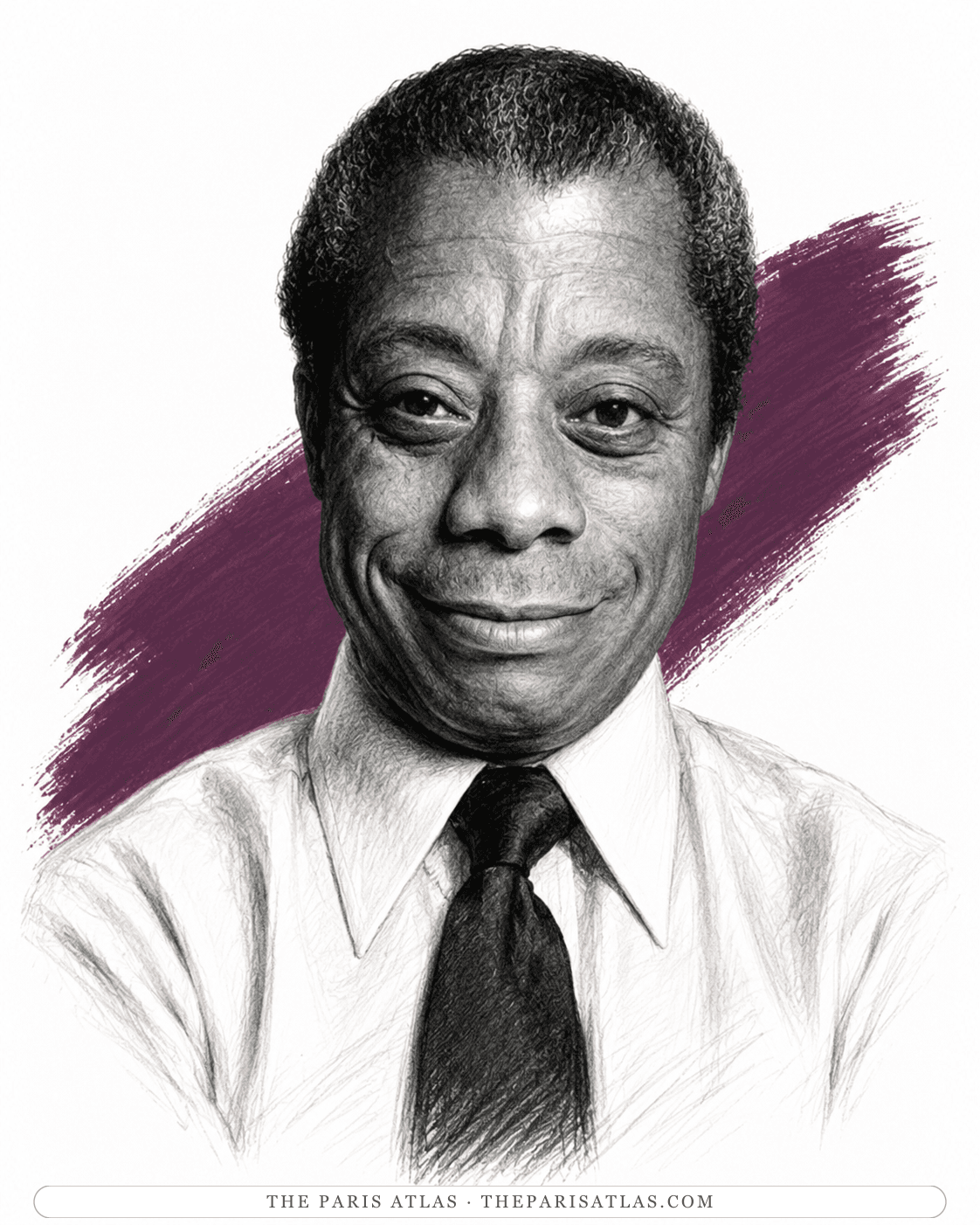
Illustrated portrait of James Baldwin

James Baldwin

  • Author
  • Playwright
  • Critic
  • +1

Met · 1963

Belafonte was in the delegation Baldwin assembled to confront Attorney General Robert Kennedy on 24 May 1963 at Kennedy's Manhattan apartment, alongside Lena Horne, Lorraine Hansberry, and the CORE activist Jerome Smith. The meeting turned antagonistic and reached no consensus.
Nicholas Boggs, What Really Happened Inside That Meeting Between James Baldwin and RFK (2025)

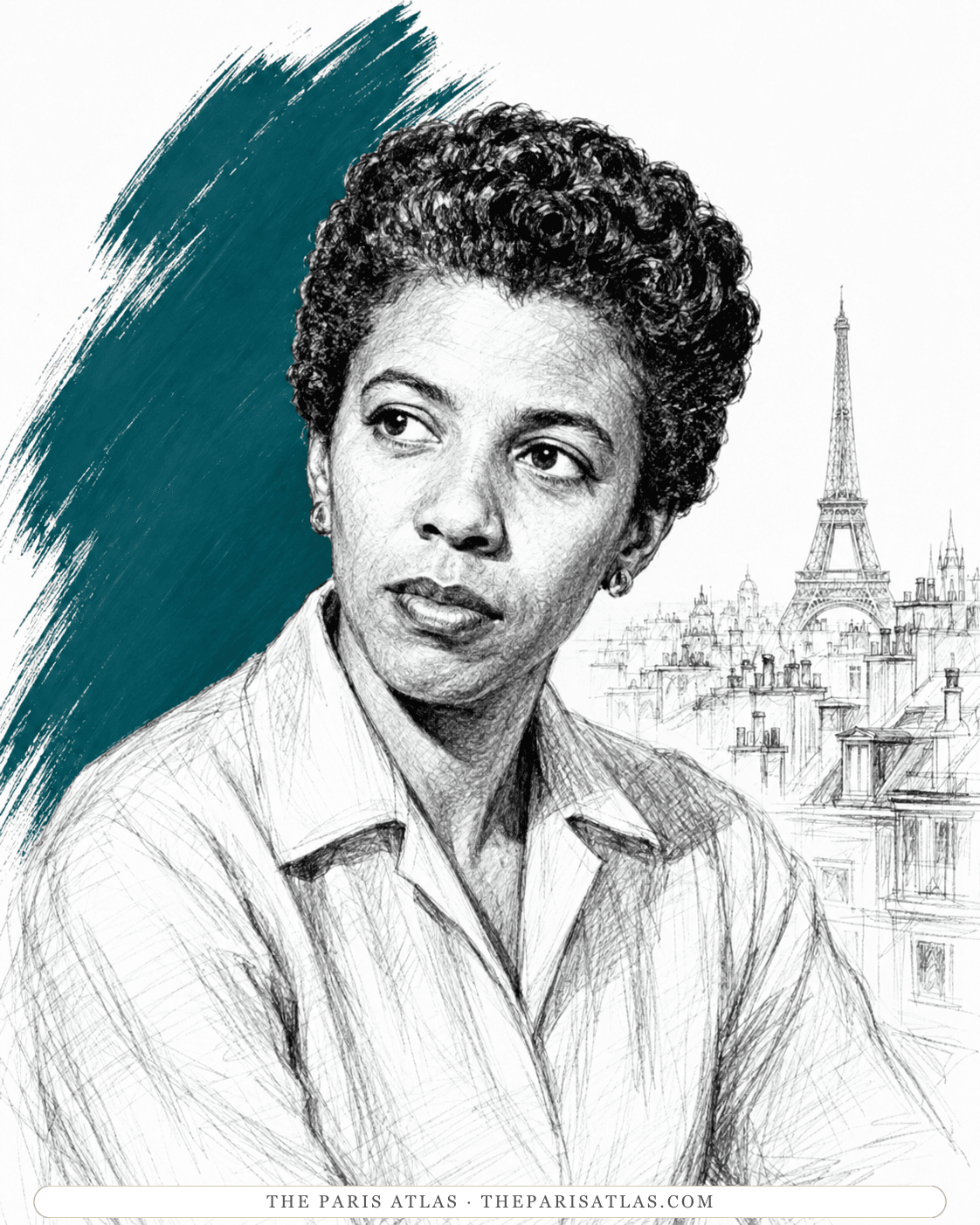
Illustrated portrait of Lorraine Hansberry

Lorraine Hansberry

  • Playwright

Met · 1963

Both sat in James Baldwin's delegation at the 24 May 1963 meeting with Attorney General Robert Kennedy, the room where the administration's caution met the movement's urgency and no consensus was reached.

Nicholas Boggs, What Really Happened Inside That Meeting Between James Baldwin and RFK (2025)

Questions about Harry Belafonte

What is Harry Belafonte best known for?

For Day-O (The Banana Boat Song) and for his civil-rights work. His album Calypso (1956) was the first LP by a single artist to sell a million copies, and from the mid-1950s he was one of the movement's principal fundraisers, raising bail money in Birmingham in 1963 and cash for the Freedom Summer project in 1964, in support of Martin Luther King Jr. and the Student Nonviolent Coordinating Committee.

Was Harry Belafonte at the meeting between James Baldwin and Robert Kennedy?

Yes. On 24 May 1963 he joined the delegation the writer James Baldwin brought to Attorney General Robert F. Kennedy's family apartment on Central Park South in Manhattan, alongside the singer Lena Horne, the playwright Lorraine Hansberry, and the activist Jerome Smith. The meeting turned antagonistic and reached no consensus.

What was Harry Belafonte's relationship with Martin Luther King Jr.?

They were close friends and near-daily telephone confidants from their meeting in 1956 until King's death in 1968. Belafonte raised $50,000 in bail bonds when Martin Luther King Jr. was jailed in Birmingham in April 1963, and he helped organize the March on Washington that August.

Was Harry Belafonte Jamaican?

He was American, born in Harlem on 1 March 1927. His parents were Caribbean immigrants, his mother Jamaican, and he lived in Jamaica for much of his childhood before returning to Harlem in 1940.

How did Harry Belafonte meet Sidney Poitier?

At the American Negro Theatre in Harlem in the mid-1940s, where both were starting out. Sidney Poitier and Belafonte were broke young actors who shared single theater tickets, one seeing the first act and the other the second. The friendship lasted: Poitier flew with him into Mississippi in 1964 carrying Freedom Summer funds, and the two made films together in the 1970s.

How did Harry Belafonte die?

Of congestive heart failure, at his home in Manhattan on 25 April 2023. He was ninety-six, and he had remained a UNICEF goodwill ambassador into his final years.

Sourced claims

Every connection the graph holds for Harry, with the evidence behind it.

Met · 1963

James Baldwin

Belafonte was in the delegation Baldwin assembled to confront Attorney General Robert Kennedy on 24 May 1963 at Kennedy's Manhattan apartment, alongside Lena Horne, Lorraine Hansberry, and the CORE activist Jerome Smith. The meeting turned antagonistic and reached no consensus.

Nicholas Boggs, What Really Happened Inside That Meeting Between James Baldwin and RFK (2025)

Met · 1963

Lorraine Hansberry

Both sat in James Baldwin's delegation at the 24 May 1963 meeting with Attorney General Robert Kennedy, the room where the administration's caution met the movement's urgency and no consensus was reached.

Nicholas Boggs, What Really Happened Inside That Meeting Between James Baldwin and RFK (2025)