The Paris AtlasCharting the artists, works, and places worth returning to.
  • Composer
· French · 1893–1918

Lili Boulanger

French composer, born in Paris in 1893 into a Conservatoire family. In 1913, at nineteen, she became the first woman to win the Prix de Rome, with the cantata Faust et Hélène. Chronic illness had kept her from a full conservatory training and it killed her five years later, at twenty-four, with an opera unfinished. Her sister Nadia Boulanger, who had come second in the same competition in 1908, gave up composing and spent the rest of a very long life teaching.

Details

Lived
1893–1918
Born
21 August 1893
Birthplace
Paris, France
Birth name
Marie-Juliette Olga Boulanger
Died
15 March 1918 · aged 24
Place of death
Mézy-sur-Seine, France
Nationality
French
Profession
Composer
Major works
Faust et Hélène (1913), the Prix de Rome cantata; the psalm settings, including Du fond de l'abîme; Clairières dans le ciel; Pie Jesu, dictated in her last months
Roles
Composer

About Lili Boulanger

French composer, first woman to win the Prix de Rome

Lili Boulanger was born in Paris in August 1893 into a household where music was the family trade. Her father, Ernest Boulanger, was a composer who taught singing at the Paris Conservatoire; her mother, Raïssa, was a Russian singer; her older sister Nadia would become one of the most influential composition teachers of the twentieth century. Lili was the second daughter and the ill one. A childhood illness left her permanently vulnerable, and the pattern of her life was set early: intense work in short bursts, interrupted by collapses.

That fragility kept her out of a normal Conservatoire education. She studied composition privately with Georges Caussade instead, and in January 1912 was admitted to Paul Vidal's composition class. She entered the Prix de Rome that year and did not finish the competition; her health gave out mid-way. She entered again in 1913 and won it outright with the cantata Faust et Hélène, at nineteen, the first woman to take the prize in its history.

What is usually said about that win is that it was a barrier broken, and it was. What is said less often is how narrow the opening turned out to be. The prize came with a stay at the Villa Medici in Rome, which the war then interrupted, and with the expectation of a long public career, which she did not live to have.

She wrote a great deal in the five years left to her, and the work is not the polite salon music the biography might suggest. The psalm settings in particular — Du fond de l'abîme above all — are dark, harmonically severe pieces written by someone with no interest in being charming. During the war she and Nadia organised support for musicians serving at the front. She was working on an opera, La Princesse Maleine, after Maeterlinck, when she died at Mézy-sur-Seine in March 1918. She was twenty-four. Her last piece, a Pie Jesu, was dictated because she no longer had the strength to write it down herself.

Her sister outlived her by sixty-one years. Nadia had placed second in the Prix de Rome in 1908, stopped composing in her thirties, and taught instead — Copland, Piazzolla, Quincy Jones and a long list of others. She programmed and championed Lili's music for the rest of her life, which is a large part of the reason any of it survived to be recorded.

Life events

  1. 1893

    Born in Paris on 21 August, into a family of professional musicians.

  2. 1912

    Admitted to Paul Vidal's composition class in January; withdraws from the Prix de Rome when her health fails.

  3. 1913

    Wins the Prix de Rome with the cantata Faust et Hélène — the first woman to do so.

  4. 1914–1918

    Composes the psalm settings and Clairières dans le ciel; works with Nadia to support musicians at the front.

  5. 1918

    Dies at Mézy-sur-Seine on 15 March, aged twenty-four, leaving the opera La Princesse Maleine unfinished.

Lili Boulanger’s Places

The cataloged places connected to Lili Boulanger — through the books, and through the documented record.

Places you can enter today appear first, followed by addresses to see from outside and sites that have vanished.

Questions about Lili Boulanger

Who was the first woman to win the Prix de Rome?

Lili Boulanger, in 1913, with the cantata Faust et Hélène. She was nineteen. The prize had been awarded since the seventeenth century and no woman had taken it before.

How old was Lili Boulanger when she died?

Twenty-four. She died on 15 March 1918 at Mézy-sur-Seine, of the intestinal tuberculosis that had weakened her since childhood.

What is the difference between Lili and Nadia Boulanger?

They were sisters. Lili was the composer who won the Prix de Rome and died young. Nadia, the elder, came second in the same competition in 1908, gave up composing in her thirties, and became one of the century's most important composition teachers.

Where should you start with her music?

The psalm settings, particularly Du fond de l'abîme, and the song cycle Clairières dans le ciel. They are darker and harmonically tougher than the Prix de Rome cantata that made her name.

Sourced claims

Every connection the graph holds for Lili, with the evidence behind it.

Studied at · 1912

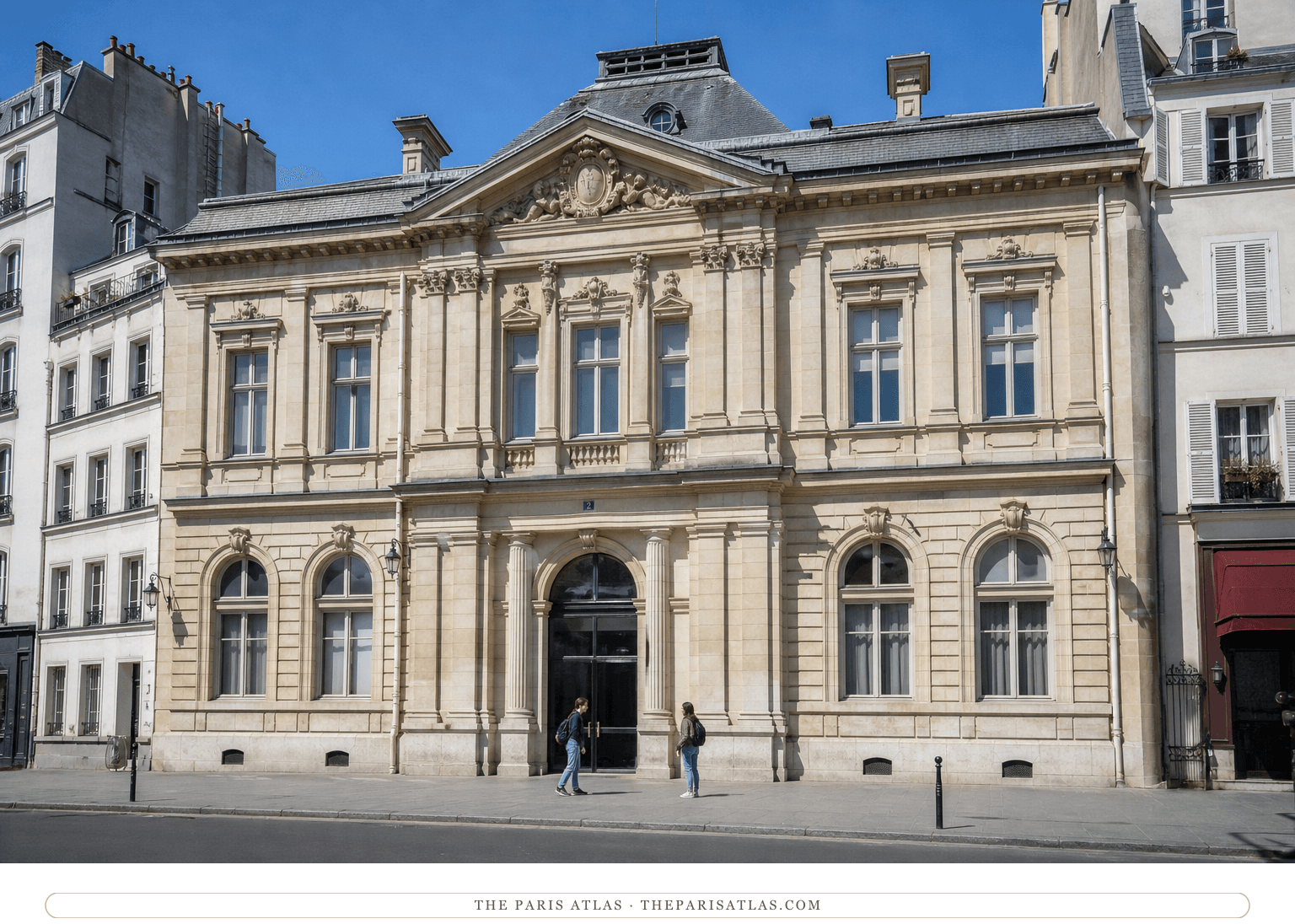
The historic Paris Conservatoire, 2 rue du Conservatoire

Chronic illness kept Boulanger from a full Conservatoire training, but she was admitted to Paul Vidal's composition class in January 1912. She entered the Prix de Rome that year, withdrew when her health failed, and won it in 1913.

Lili Boulanger — French Women and Feminists in History: A Resource Guide; Not of this world: a portrait of the composer Lili Boulanger

References

References

The sources below include biographies, scholarly essays, interviews, and primary materials that informed this page. They reflect both the historical record and ongoing critical conversations about Lili Boulanger and their work.

  1. 1Lili Boulanger — French Women and Feminists in History: A Resource Guide

    Library of Congress
    View source
  2. 2Not of this world: a portrait of the composer Lili Boulanger

    Berliner Philharmoniker
    View source
  1. 3Lili Boulanger

    Présence Compositrices
    View source
i
Why these sources are here

These references anchor the page in the documented record and in the scholarly conversations around Lili Boulanger. Every claim on this page traces back to one or more of the works listed here.

Explore more resources