The Paris AtlasCharting the artists, works, and places worth returning to.

In their own words

Martha Gellhorn quotes

6 quotations, each verified against its source and credited to the work it comes from — the wording as Martha Gellhorn wrote or said it, not as the internet passes it around.

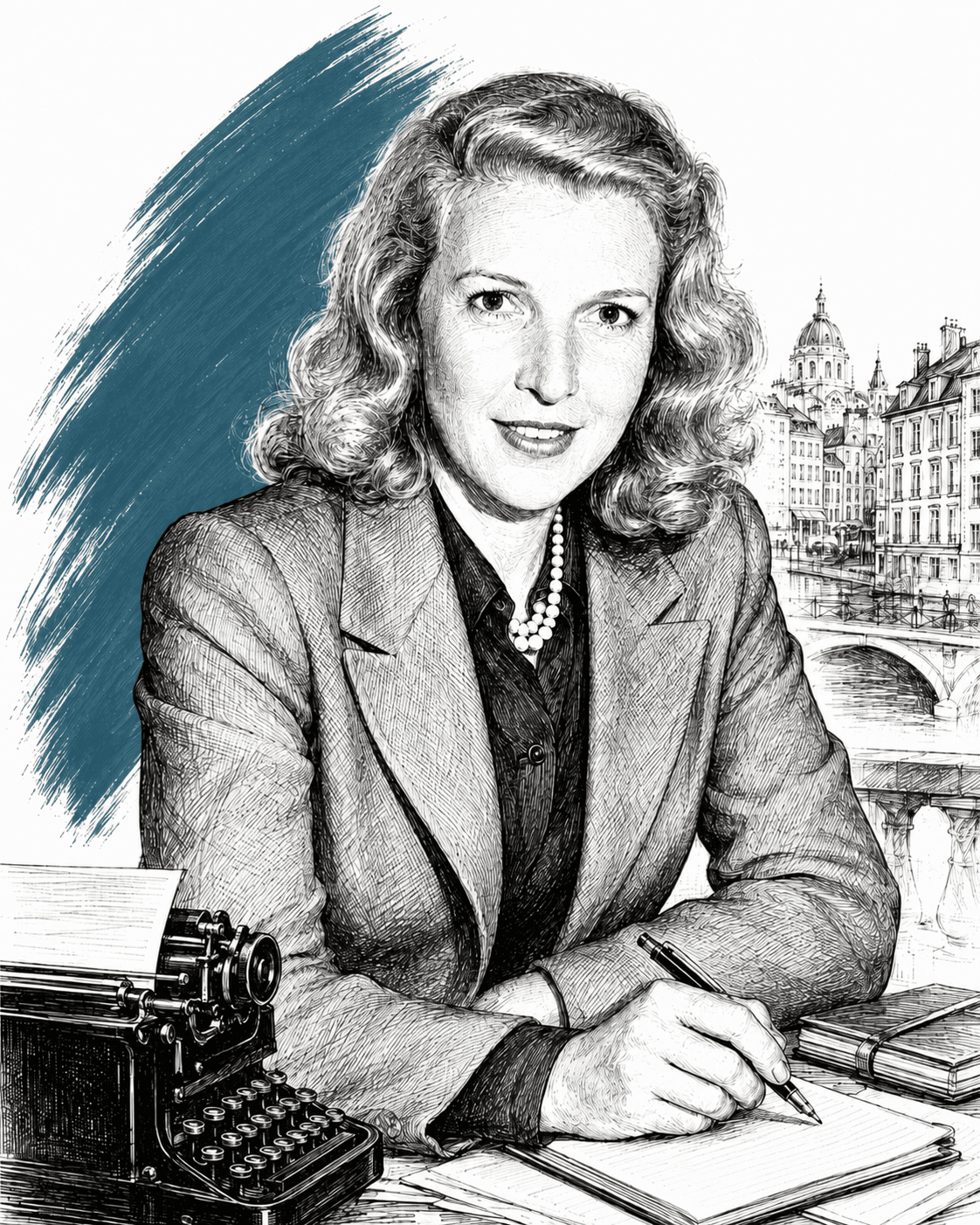
Illustrated portrait of Martha Gellhorn

How these quotes were checked

How we decide whether a quote is genuine

Martha Gellhorn reported war for six decades, and the sentences above are hers, each read in the scanned pages of The Face of War, the collection of her war reporting she assembled in 1959. Her most-shared line, though, cannot be found there — the first check below explains.

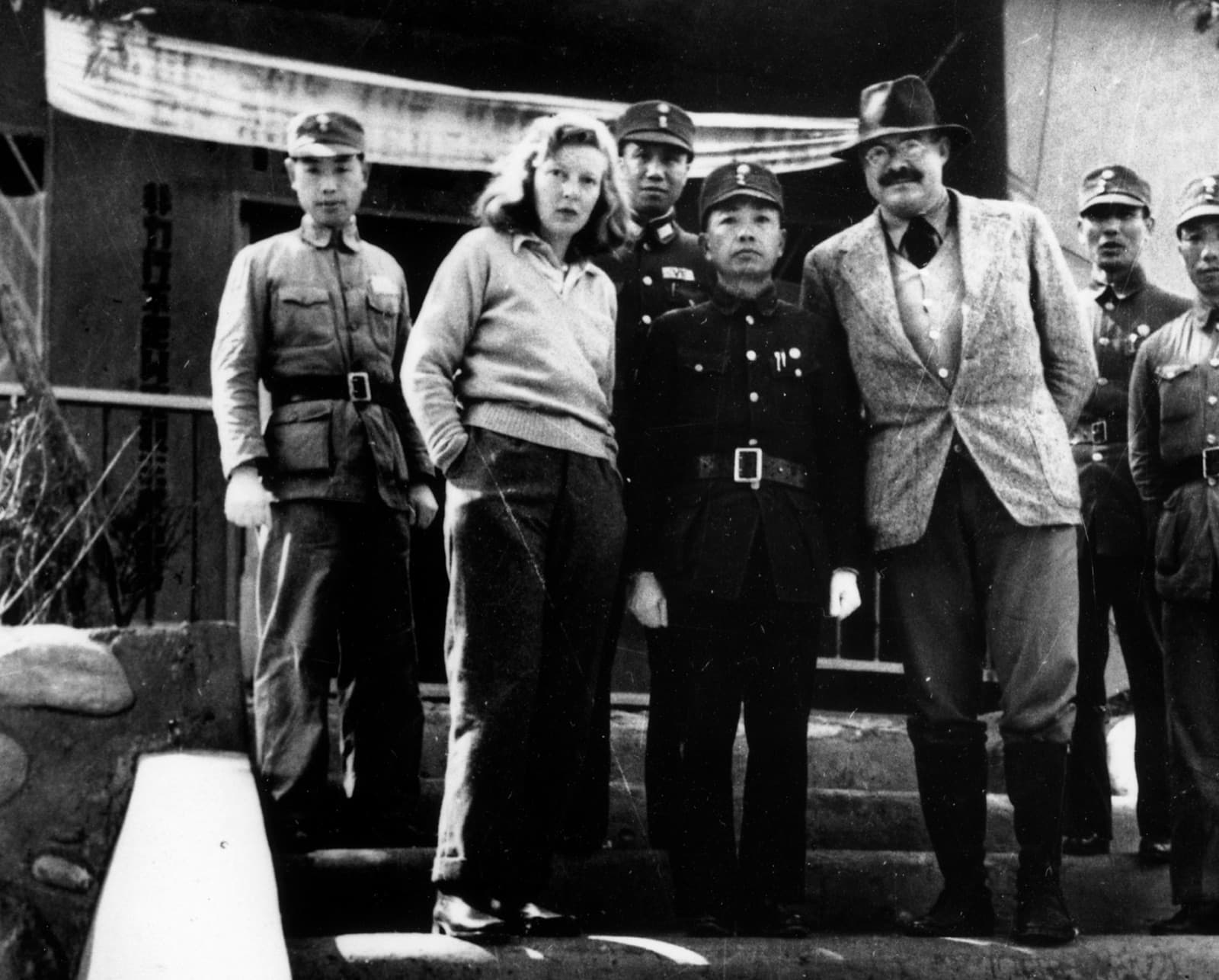
Ernest Hemingway and Martha Gellhorn, 1941
With Martha Gellhorn, 1941 — the third marriage, two war correspondents headed for China. Ernest Hemingway Photograph Collection, JFK Presidential Library. Public domain.

One famous Martha Gellhorn quote, fact-checked

A sentence linked to Martha Gellhorn may be exact, shortened, remembered by someone else, or unsupported. Each label below explains what the available evidence actually proves.

Unproven

War happens to people, one by one. That is really all I have to say and it seems to me I have been saying it forever.

Almost every quotation site credits this to The Face of War. It is not in the book. Both the 1959 first edition and the 1988 revised edition were searched in full: “one by one” appears twice, in other sentences, and no form of “war happens to people” appears at all. The one place left to look is the revised introduction Gellhorn wrote for the 1967 edition, which has not been digitized; until that printing can be checked, the line rests on repetition, not on a page. The verified sentence nearest to it ends her Battle of the Bulge report: “It was done by men, one by one — your men.”

  • Martha Gellhorn, The Face of War, first edition (1959) — Internet Archive lending scan (1959)
  • Martha Gellhorn, The Face of War, revised edition (1988) — Internet Archive lending scan (1988)

From November 1943, with one unavoidable break in the spring of 1944, I followed the war wherever I could reach it.
Martha Gellhorn, The Face of War (1959)
These articles are in no way adequate descriptions of the indescribable misery of war. War was always worse than I knew how to say—always. And probably from an instinct of self-preservation, one tried to write most often of what was brave and decent.
Martha Gellhorn, The Face of War (1959)
Gradually I came to realize that people will more readily swallow lies than truth, as if the taste of lies was homey, appetizing: a habit.
Martha Gellhorn, The Face of War (1959)
I had not felt as if I were at a war until now, but now I knew I was. It was a feeling I cannot describe; a whole city was a battlefield, waiting in the dark. There was certainly fear in that feeling, and courage. It made you walk carefully and listen hard and it lifted the heart.
Martha Gellhorn, The Face of War (1959)
This was not done fast or easily; and it was not done by those anonymous things, armies, divisions, regiments. It was done by men, one by one — your men.
Martha Gellhorn, The Face of War (1959)
We have before us the memory and the lesson: let us not imagine that anyone can use frightfulness in a good cause. Let us not imagine that nuclear weapons are anything but frightfulness.
Martha Gellhorn, The Face of War (1959)

Questions about Martha Gellhorn quotes

What is Martha Gellhorn's most famous quote?

The line most often shared over her name is “War happens to people, one by one” — and it cannot be verified. It is routinely credited to her 1959 collection The Face of War, but full searches of the 1959 and 1988 editions show it is not in the book; only the untraced 1967 revised introduction remains unchecked. Of the sentences she verifiably wrote, the best known is “I followed the war wherever I could reach it,” from the 1959 edition's Second World War introduction.

What did Martha Gellhorn say about war reporting?

Her own summary, from The Face of War: “War was always worse than I knew how to say—always. And probably from an instinct of self-preservation, one tried to write most often of what was brave and decent.” She also wrote that the 1930s taught her that “people will more readily swallow lies than truth” and that journalism's guiding light “was no stronger than a glow-worm.”

Where do these Martha Gellhorn quotes come from?

All of them come from The Face of War, the collection of her war reporting first published by Simon and Schuster in 1959 — specifically from the introductions she wrote for the book and its sections, and from the reports themselves. Each was read in the Internet Archive's scanned copies of the 1959 first edition and, where useful for comparison, the 1988 revised edition.

References

References

The sources below are the editions, archives, and full-text searches used to verify the quotations on this page. Every line was checked against one or more of them before it appeared here.

  1. 1The Face of War, first edition (1959) — Internet Archive lending scan

    Nonfiction
    Simon and Schuster, 1959
    Used for

    The first edition, read page by page for every quote above.

    View source
  2. 2The Face of War, revised edition (1988) — Internet Archive lending scan

    Nonfiction
    Atlantic Monthly Press, 1988
    Used for

    The revised edition, searched alongside it to compare wording across printings.

    View source
i
Why these sources are here

Verification is the point of this collection: a quotation is listed only when its wording has been checked against the sources above, and the attribution notes record what each check found about the famous lines that failed.

Explore more resources

The Friday Letter

One story from the atlas, every Friday.

No algorithms chasing attention. A work, a place, and the connection between them — with the history checked.

One email a week. No spam, no selling your address. Unsubscribe anytime.