The Paris AtlasCharting the artists, works, and places worth returning to.
  • Poet
  • Author
· French · 1871–1945

Paul Valéry

French poet and essayist, elected to the Académie française in 1925, who gave the first public reading of Le Cimetière marin at Natalie Clifford Barney's Friday salon on the rue Jacob.

Details

Lived
1871–1945
Born
30 October 1871
Birthplace
Sète, France
Died
20 July 1945 · aged 73
Place of death
Paris, France
Nationality
French
Roles
PoetAuthor

Who Inspired Paul Valéry

People whose work inspired Paul Valéry. They did not necessarily meet or know one another.

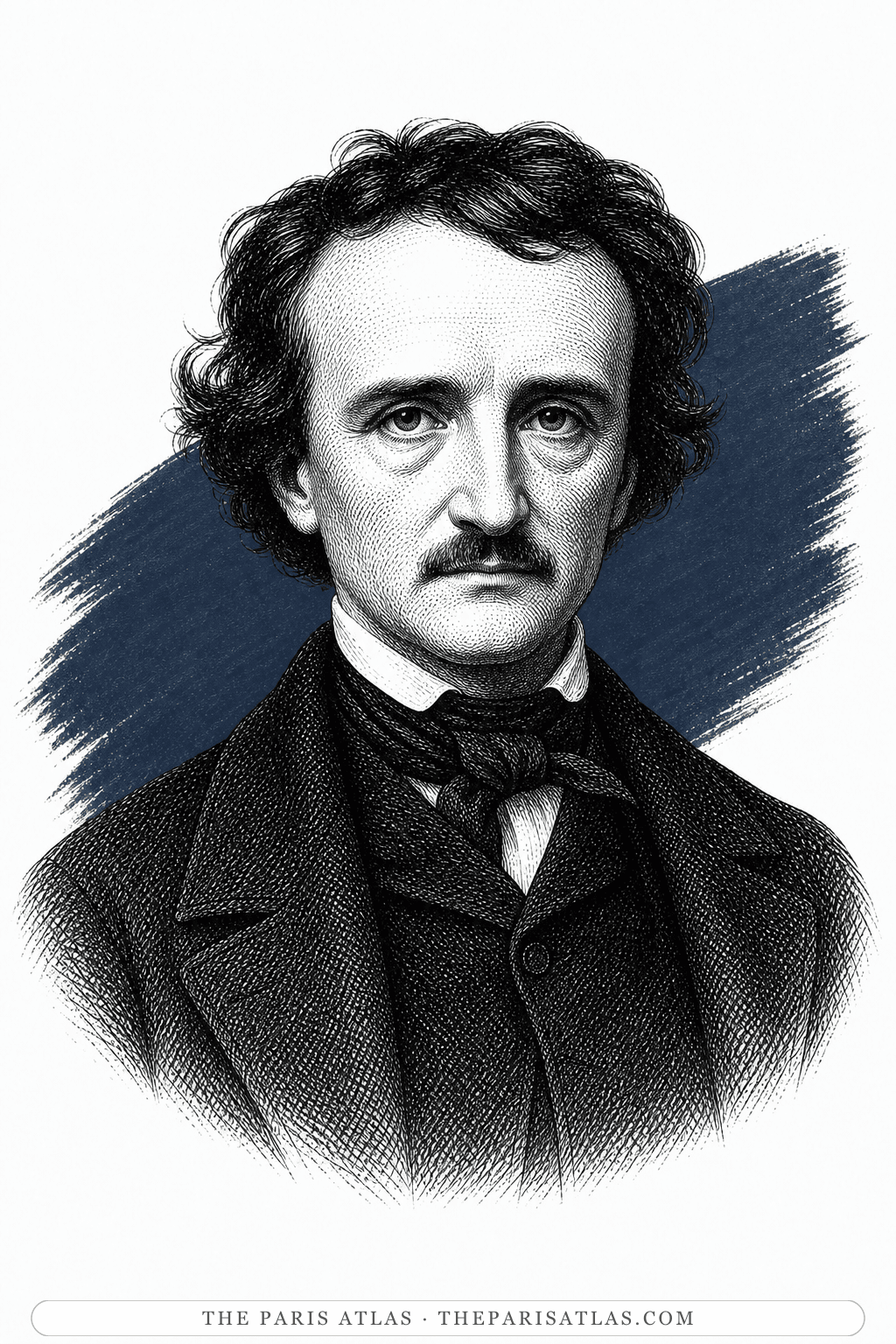
Illustrated portrait of Edgar Allan Poe

Edgar Allan Poe

The scholar W. T. Bandy called Valéry "the third great French poet to come under the spell of Edgar Allan Poe", after Baudelaire and Mallarmé, and judged the influence "perhaps an even deeper one" — visible less in the verse than in the criticism and in Valéry's whole conception of how art is made. What he took was chiefly Poe's essay "The Philosophy of Composition", with its claim that a poem is deliberately constructed rather than received; Bandy traces Valéry's poetic theory, "one of the most significant in the literature of our century", back to it.
— W. T. Bandy, The Influence and Reputation of Edgar Allan Poe in Europe (1962)

Paul Valéry’s Places

The cataloged places connected to Paul Valéry — through the books, and through the documented record.

Places you can enter today appear first, followed by addresses to see from outside and sites that have vanished.

Connections and Sources

Paul Valéry’s connections to people, places, and works, with the sources behind each one.

Frequented

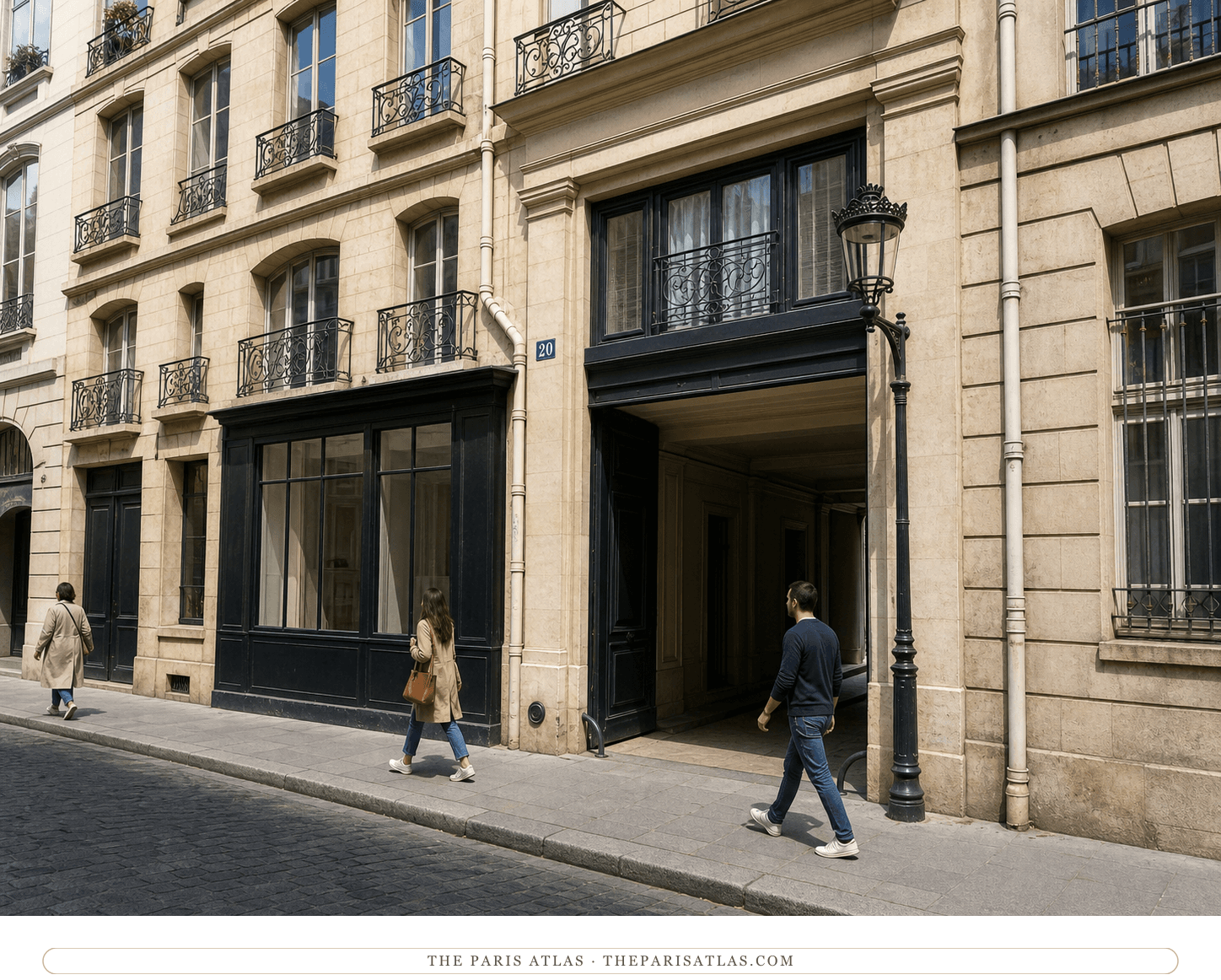
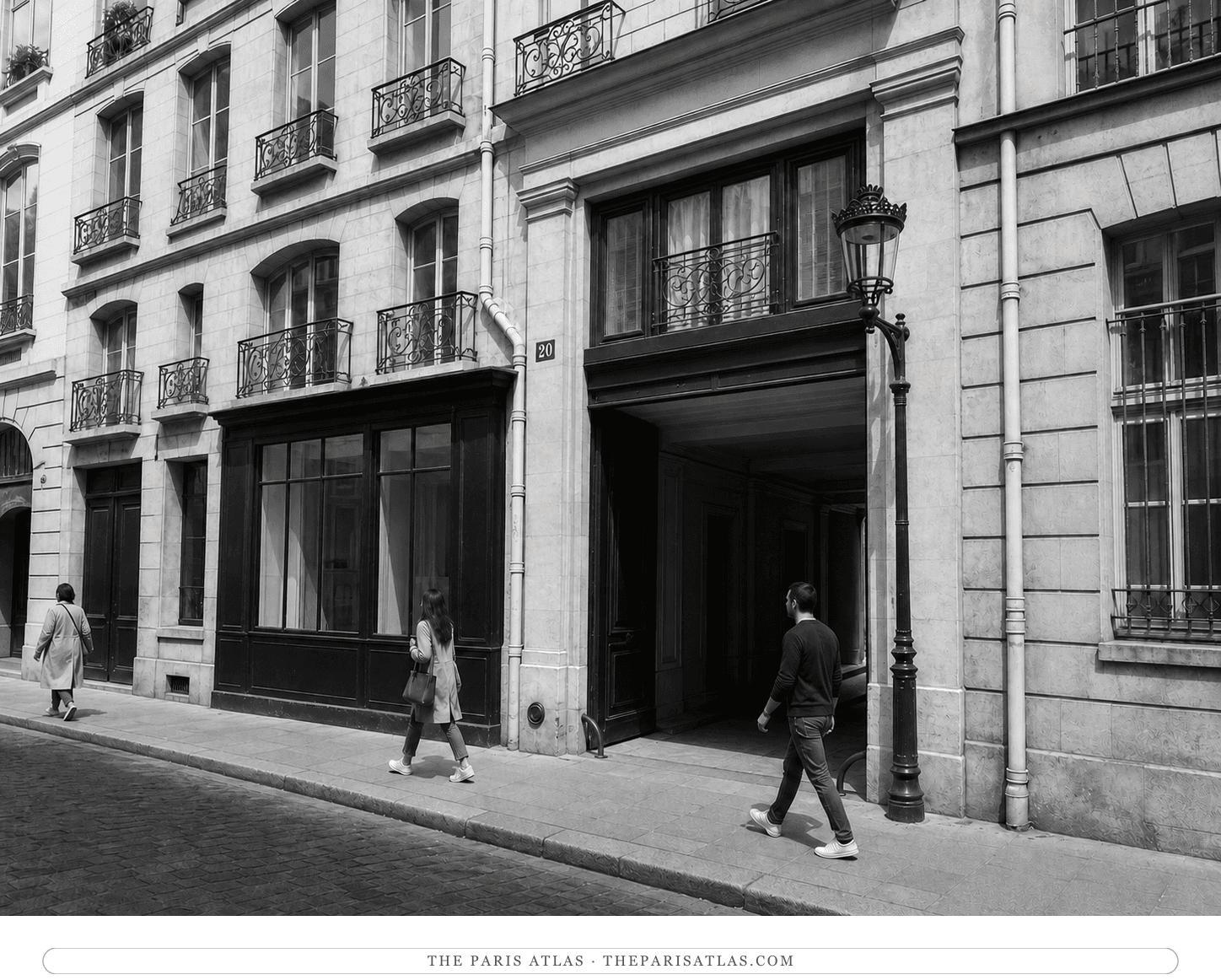
20 rue Jacob

Valéry is named among the salon's visitors in the reference accounts of it, and he gave the first public reading of Le Cimetière marin there. The poem was published in June 1920; the sources do not date the reading, so no years are recorded here. Barney translated his work for American readers.

— Baptiste Essevaz-Roulet and William Pesson, Le temple de l'amitié, rue Jacob à Paris, mythes et révélations (2008); Anne Charles, Barney Opens Her Paris Salon (2022); Anna Livia, Barney, Natalie Clifford (1876–1972), in Women in World History: A Biographical Encyclopedia (2002)

Influenced by

Edgar Allan Poe

The scholar W. T. Bandy called Valéry "the third great French poet to come under the spell of Edgar Allan Poe", after Baudelaire and Mallarmé, and judged the influence "perhaps an even deeper one" — visible less in the verse than in the criticism and in Valéry's whole conception of how art is made. What he took was chiefly Poe's essay "The Philosophy of Composition", with its claim that a poem is deliberately constructed rather than received; Bandy traces Valéry's poetic theory, "one of the most significant in the literature of our century", back to it.

— W. T. Bandy, The Influence and Reputation of Edgar Allan Poe in Europe (1962)

References

References

The sources below include biographies, scholarly essays, interviews, and primary materials that informed this page. They reflect both the historical record and ongoing critical conversations about Paul Valéry and their work.

  1. 1Le temple de l'amitié, rue Jacob à Paris, mythes et révélations

    Essays
    ruevisconti.com, after Chroniques d'Histoire Maçonnique, 2008
    Used for

    Published analysis and historical context used in preparing the Paul Valéry page.

    View source
  2. 2Barney Opens Her Paris Salon

    Essays
    EBSCO Research Starters, 2022
    Used for

    Published analysis and historical context used in preparing the Paul Valéry page.

    View source
  1. 3Barney, Natalie Clifford (1876–1972), in Women in World History: A Biographical Encyclopedia

    Essays
    Gale, 2002
    Used for

    Published analysis and historical context used in preparing the Paul Valéry page.

    View source
  2. 4The Influence and Reputation of Edgar Allan Poe in Europe

    Essays
    The Edgar Allan Poe Society of Baltimore, 1962
    Used for

    Published analysis and historical context used in preparing the Paul Valéry page.

    View source
i
Why these sources are here

These references anchor the page in the documented record and in the scholarly conversations around Paul Valéry. Every claim on this page traces back to one or more of the works listed here.

Explore more resources
