The Paris AtlasCharting the artists, works, and places worth returning to.
  • Singer
  • Musician
· American · 1930–2004

Ray Charles

American singer and pianist; James Baldwin wrote and narrated The Hallelujah Chorus around his music at Carnegie Hall in 1973, a decade after Paris sold out the Olympia for him.

Details

Lived
1930–2004
Born
23 September 1930
Birthplace
Albany, Georgia
Died
10 June 2004 · aged 73
Place of death
Beverly Hills, California
Nationality
American
Married
Eileen Williams · 1951–1952Della Beatrice Howard · 1955–1977
Roles
SingerMusician
Also known as
Ray Charles Robinson

About Ray Charles

Ray Charles was born Ray Charles Robinson in Albany, Georgia, in 1930, was blind by the age of seven, and became one of the principal inventors of soul music by joining gospel technique to rhythm and blues. France took him up early: the jazz festival at Antibes in July 1961, a Paris debut that October, and a sold-out run at the Olympia music hall in May 1962. A decade later James Baldwin wrote, produced, and narrated The Hallelujah Chorus, a Carnegie Hall program of 1 July 1973 built around Charles and his orchestra, with the actress Cicely Tyson performing scenes drawn from Baldwin's short story Sonny's Blues.

Georgia to Greenville

His mother, Aretha Williams, moved with him to Greenville, Florida, shortly after his birth and raised him there.

When he was about five, he watched his younger brother drown. His sight began to fail at around the same age, and by seven it was gone. No firm diagnosis was made at the time; the cause is generally given as juvenile glaucoma.

He was enrolled at the Florida School for the Deaf and the Blind in St. Augustine, where he learned to read and write music in Braille and trained on piano, clarinet, and other instruments. The school gave him his musical grounding; the radio gave him everything else he listened to, gospel and blues alongside jazz and country.

Seattle and the Atlantic years

Aretha Williams died in 1945, when her son was fifteen, and he set out as a working musician. In 1948 he moved across the country to Seattle, where he formed the McSon Trio and dropped his surname to avoid confusion with the boxer Sugar Ray Robinson. He performed as Ray Charles from then on.

Atlantic Records signed him in the early 1950s. The breakthrough came out of a session in Atlanta in November 1954: I Got a Woman, written with his trumpeter Renald Richard on the frame of a gospel song the two had heard on the radio. It reached number one on the rhythm-and-blues chart early in 1955.

The record drew a specific objection. Devout listeners heard church music put to secular use, and the blues singer Big Bill Broonzy accused him of "mixing the sacred with the profane." Charles kept at it. What'd I Say, recorded with his backing singers the Raelettes, arrived in 1959, his last year on Atlantic, by which time the label was billing him as "The Genius" — the big-band and string album The Genius of Ray Charles appeared that October.

The ABC-Paramount deal

In late 1959 ABC-Paramount signed him away from Atlantic on terms almost unknown in the record business: a higher royalty, the right to produce his own sessions, and eventual ownership of his master recordings. He was twenty-nine. The deal made him one of the first popular artists to control his own catalogue, and the records that followed are the ones most listeners now know first:

  • Georgia on My Mind (1960) — Hoagy Carmichael and Stuart Gorrell's 1930 standard, recorded in March 1960; his first number-one pop hit that November.
  • Hit the Road Jack (1961) — written by Percy Mayfield; number one on both the pop and rhythm-and-blues charts.
  • Modern Sounds in Country and Western Music (1962) — an album of Hank Williams and Don Gibson material that held the top of the album chart for fourteen weeks, carried by I Can't Stop Loving You.

Modern Sounds drew complaints from listeners who thought the country material a dilution of his sound. Charles had grown up on the music and did not treat the album as a stunt. Country, he later said, "was the closest music, really, to the blues."

Augusta, heroin, and quitting

In March 1961 Charles was booked into the Bell Auditorium in Augusta, Georgia, for a segregated show: the dance floor reserved for white patrons, Black ticket-holders admitted as spectators. Students at Paine College, a Black institution in the city, sent him a telegram laying out the arrangement. Charles cancelled the concert. The promoter sued for breach of contract, and a court later ordered him to pay damages.

Heroin ran alongside the whole ascent. Charles used the drug for much of his adult life and was arrested for possession in the fall of 1964. In 1965 he quit, going through withdrawal at a Los Angeles hospital, and the addiction did not resume.

France: Antibes to the Olympia

His first French engagement came in July 1961, when the jazz festival at Antibes–Juan-les-Pins put him on for four concerts, 20 to 23 July, with French television and radio recording the run. He was back that October for his Paris debut at the Palais des Sports.

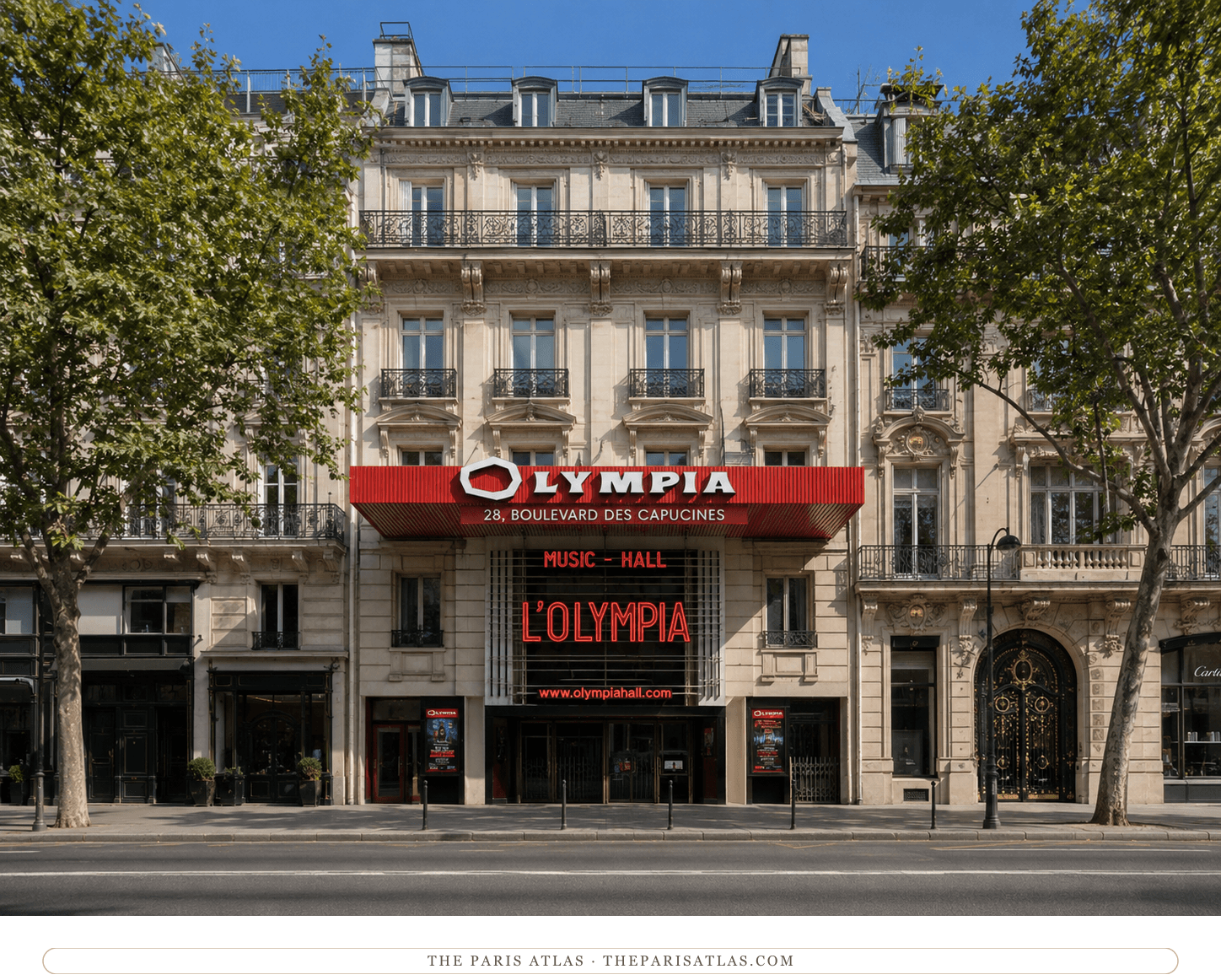
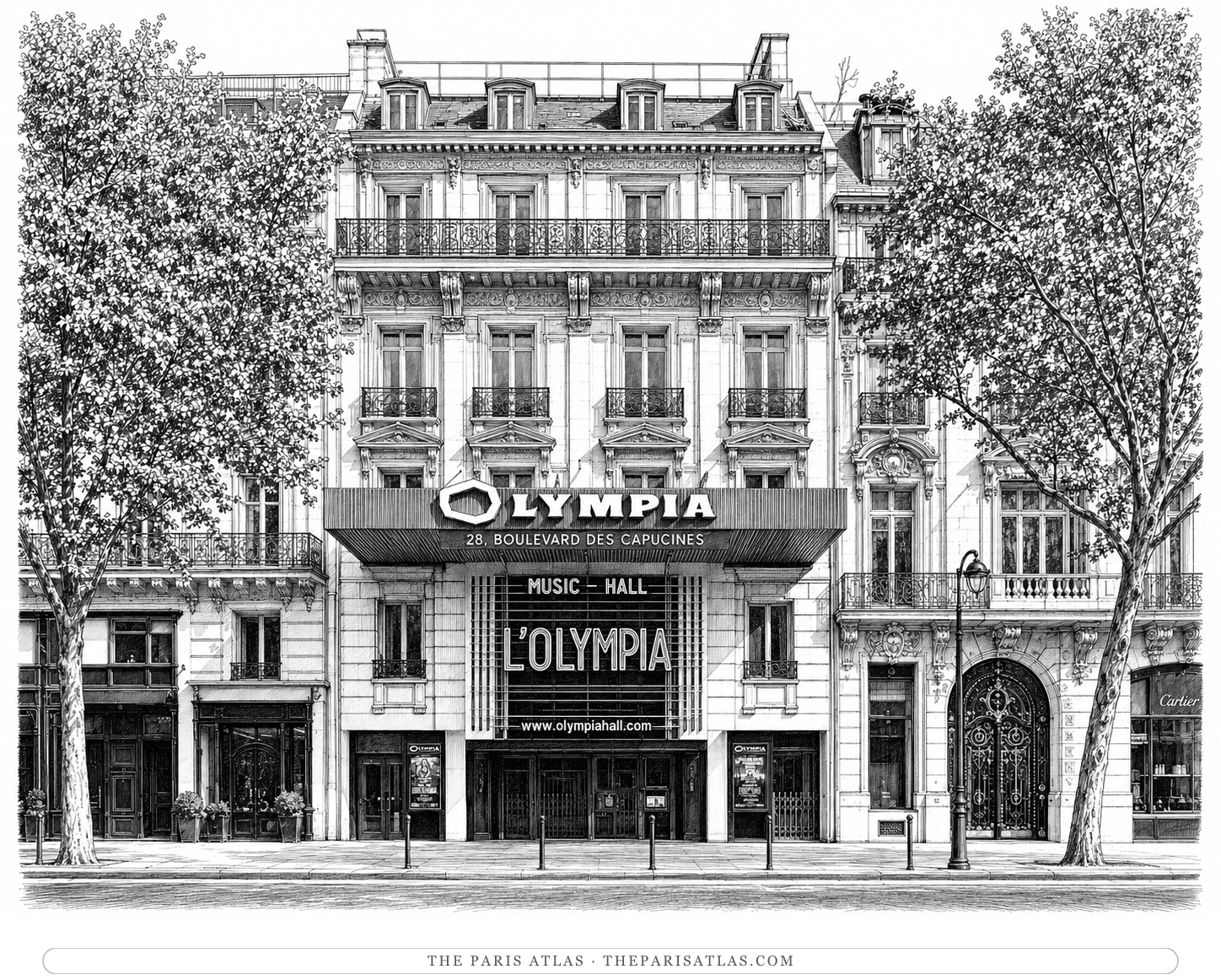
The Olympia followed in May 1962: a sold-out series of dates at the music hall on the boulevard des Capucines, with his big band and the Raelettes. Recordings from the run were issued decades later by the French label Frémeaux as Live at the Olympia — Paris 1962.

Carnegie Hall with James Baldwin, and after

On 1 July 1973 Charles played two shows at Carnegie Hall inside a frame James Baldwin built for him. The Hallelujah Chorus, written, produced, and narrated by Baldwin, set Charles, his orchestra, and the Raelettes against dramatic pieces performed by the actress Cicely Tyson, the actor David Moses, and Baldwin's brother David Baldwin, with material drawn from Baldwin's short story Sonny's Blues.

The evening left little printed trace, and the script sat in an archive for four decades. The scholar Ed Pavlić's 2015 essay "But Amen is the Price" became the first substantive account of the collaboration after the script resurfaced.

On 7 March 1979 Charles performed Georgia on My Mind before the Georgia General Assembly, eighteen years after the Augusta cancellation. The legislature adopted the song as Georgia's official state song, citing his recording, and Governor George Busbee signed the measure into law that April.

Charles died of liver disease at his home in Beverly Hills on 10 June 2004, at seventy-three. He had just completed Genius Loves Company, an album of duets. At the Grammy Awards the following February the album won eight awards, including Album of the Year; Here We Go Again, his duet with Norah Jones, took Record of the Year.

Life events

  1. 1930

    Born Ray Charles Robinson in Albany, Georgia, on 23 September. His mother, Aretha Williams, moves with him to Greenville, Florida, soon after.

  2. 1937

    Blind by age seven, probably from juvenile glaucoma, he enrolls at the Florida School for the Deaf and the Blind in St. Augustine and learns to read music in Braille.

  3. 1945

    His mother dies. He is fifteen, and begins working as a professional musician.

  4. 1948

    Moves to Seattle, forms the McSon Trio, and drops his surname to avoid confusion with the boxer Sugar Ray Robinson.

  5. 1955

    I Got a Woman, recorded in Atlanta the previous November, reaches number one on the rhythm-and-blues chart.

  6. 1959

    What'd I Say closes out the Atlantic years; in the fall he signs with ABC-Paramount on terms that include eventual ownership of his masters.

  7. 1960

    Georgia on My Mind, recorded in March, reaches number one on the pop chart in November.

  8. 1961

    Cancels a segregated show at Augusta's Bell Auditorium in March. Hit the Road Jack tops the pop chart; he plays the Antibes jazz festival in July and makes his Paris debut in October.

  9. 1962

    A sold-out run at the Olympia in Paris in May. Modern Sounds in Country and Western Music holds the top of the album chart for fourteen weeks.

  10. 1964

    Arrested for heroin possession in the fall; he quits the drug at a Los Angeles hospital the following year.

  11. 1973

    The Hallelujah Chorus, written, produced, and narrated by James Baldwin around his music, plays two shows at Carnegie Hall on 1 July.

  12. 1979

    Performs Georgia on My Mind before the Georgia General Assembly on 7 March; the song becomes Georgia's official state song in April.

  13. 2004

    Dies of liver disease at his home in Beverly Hills on 10 June, at seventy-three.

  14. 2005

    Genius Loves Company, his final album of duets, wins eight Grammy Awards in February, including Album of the Year and Record of the Year.

People they knew

Documented connections — every one carries its source.

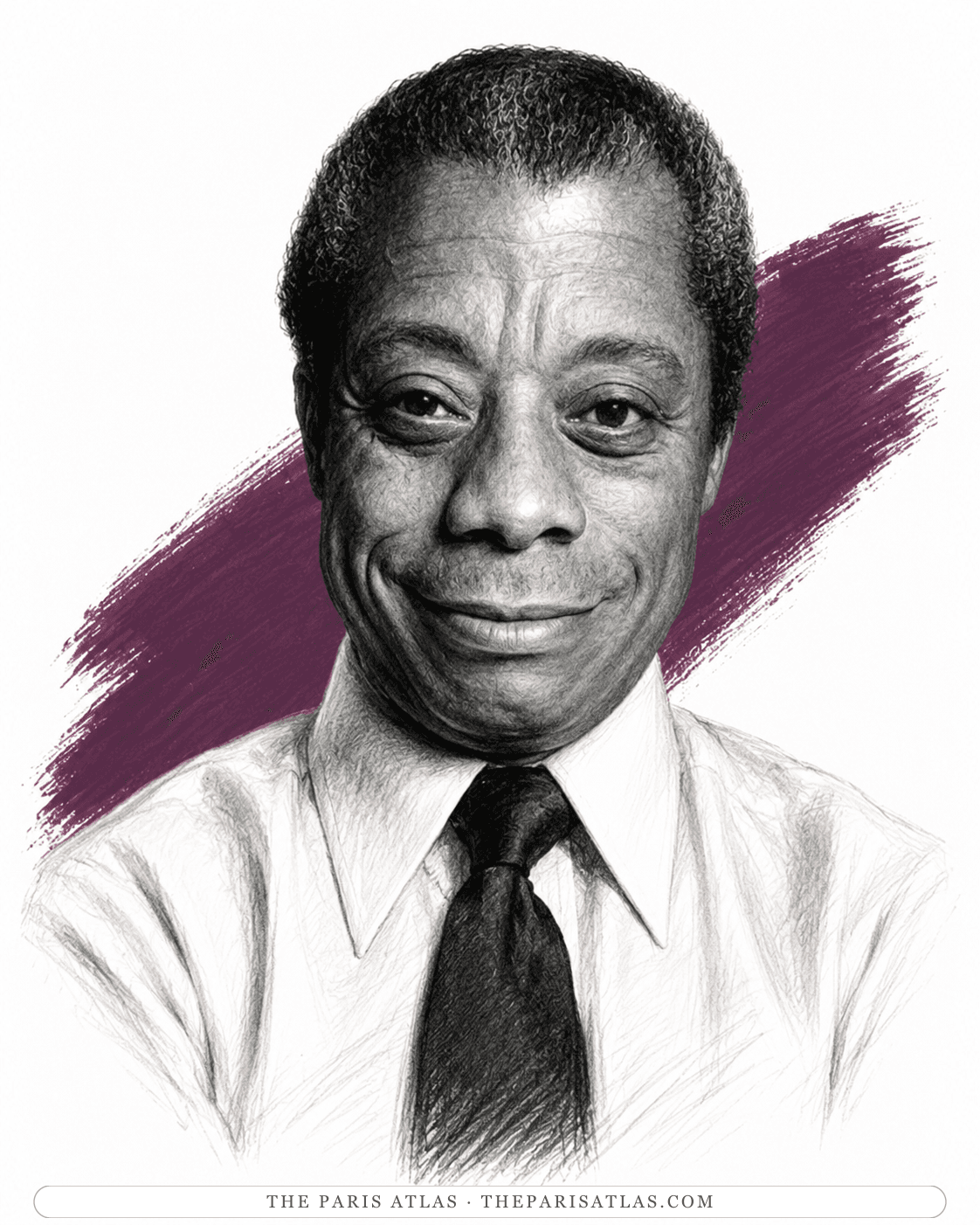
Illustrated portrait of James Baldwin

James Baldwin

  • Author
  • Playwright
  • Critic
  • +1

Collaborated with · 1973

The Hallelujah Chorus — written, produced, and narrated by Baldwin around Charles's music, with Cicely Tyson performing — played two shows at Carnegie Hall on 1 July 1973. Baldwin's interludes drew on Sonny's Blues; the script resurfaced in an archive four decades later.
Ed Pavlić, “But Amen is the Price”: James Baldwin and Ray Charles in “The Hallelujah Chorus” (2015)

Ray Charles’s Places

The cataloged places connected to Ray Charles — through the books, and through the documented record.

Places you can enter today appear first, followed by addresses to see from outside and sites that have vanished.

Questions about Ray Charles

How did Ray Charles lose his sight?

His sight began to fail when he was about five and was gone by age seven; no firm diagnosis was made at the time, and the cause is generally given as juvenile glaucoma. He learned to read and write music in Braille at the Florida School for the Deaf and the Blind in St. Augustine, where he trained on piano, clarinet, and other instruments.

Why did Ray Charles drop the name Robinson?

To avoid confusion with the boxer Sugar Ray Robinson. He was born Ray Charles Robinson in Albany, Georgia, in 1930, and began performing as Ray Charles after moving to Seattle in 1948.

What was Ray Charles's connection to James Baldwin?

The writer James Baldwin wrote, produced, and narrated The Hallelujah Chorus, a program built around Ray Charles and his orchestra that played two shows at Carnegie Hall on 1 July 1973, with the actress Cicely Tyson performing scenes drawn from Baldwin's short story Sonny's Blues. The script sat in an archive for four decades; Ed Pavlić's 2015 essay "But Amen is the Price" was the first substantive account of the collaboration.

When did Ray Charles play the Olympia in Paris?

In May 1962, a sold-out series of dates at the Olympia music hall on the boulevard des Capucines, later issued by the French label Frémeaux as Live at the Olympia — Paris 1962. His French debut had come in July 1961 at the Antibes jazz festival, followed by a first Paris appearance at the Palais des Sports that October.

Why is Georgia on My Mind the state song of Georgia?

Because the Georgia legislature adopted it in 1979, citing Ray Charles's recording. The song, written by Hoagy Carmichael and Stuart Gorrell in 1930, became his first number-one pop hit in 1960; on 7 March 1979 he performed it before the Georgia General Assembly, and Governor George Busbee signed the measure into law that April.

How did Ray Charles die?

Of liver disease, at his home in Beverly Hills, California, on 10 June 2004, at seventy-three. His final album, Genius Loves Company, won eight Grammy Awards the following February, including Album of the Year.

Sourced claims

Every connection the graph holds for Ray, with the evidence behind it.

Collaborated with · 1973

James Baldwin

The Hallelujah Chorus — written, produced, and narrated by Baldwin around Charles's music, with Cicely Tyson performing — played two shows at Carnegie Hall on 1 July 1973. Baldwin's interludes drew on Sonny's Blues; the script resurfaced in an archive four decades later.
Ed Pavlić, “But Amen is the Price”: James Baldwin and Ray Charles in “The Hallelujah Chorus” (2015)

Performed at · 1962

L'Olympia

Charles's first stand at the Olympia was a sold-out series in May 1962, later issued by Frémeaux as Live at the Olympia — Paris 1962. His Paris debut had come the previous October at the Palais des Sports.

Ray Charles — Live at the Olympia, Paris 1962