Reading the Brilliant Monsters
Céline wrote the pamphlets. Pound made the broadcasts. The books remain on the shelf. Field notes for book clubs on reading the era's indefensible geniuses with eyes open.
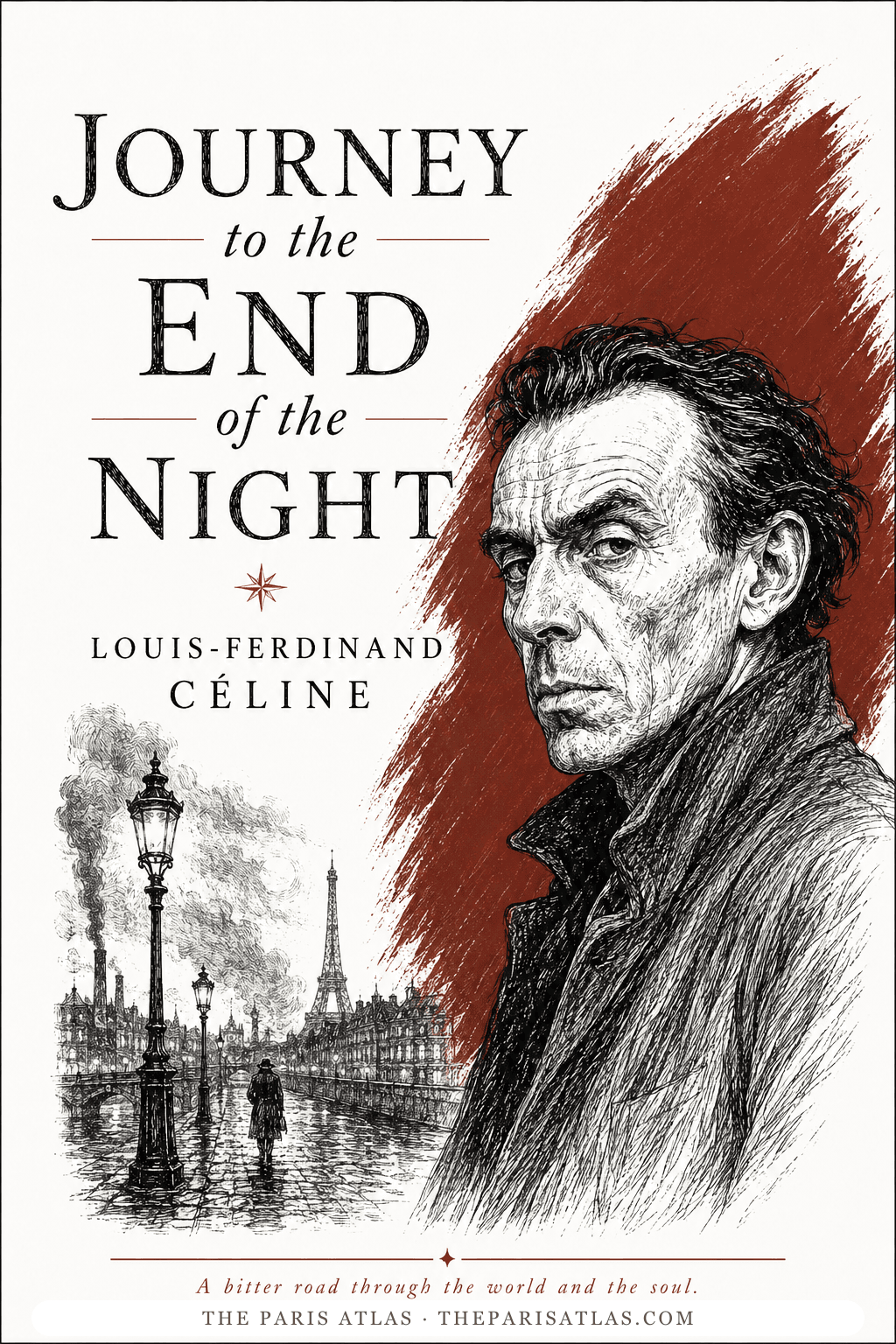
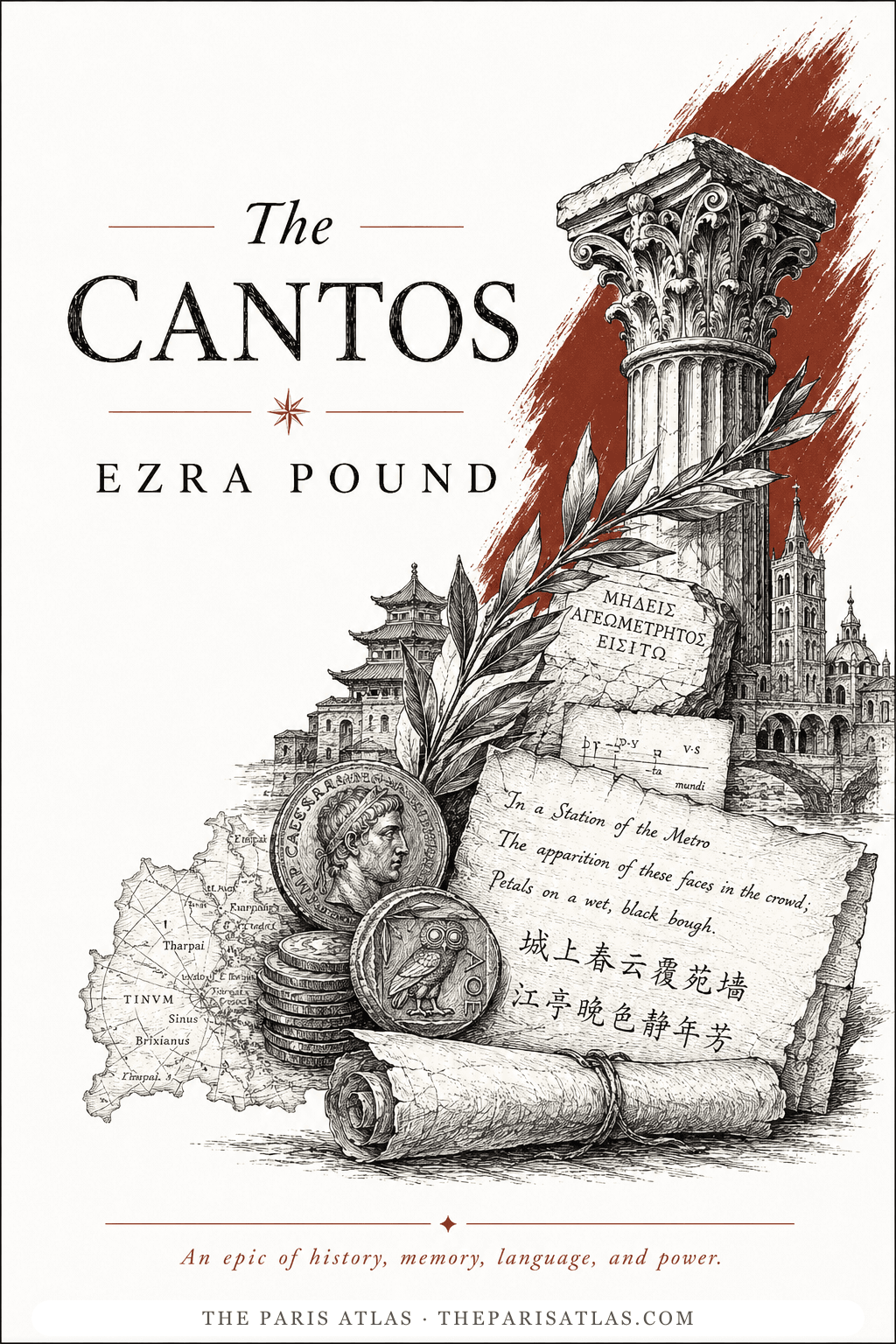
Sooner or later, every reader of this era arrives at the problem. Céline's Journey to the End of the Night may be the greatest French novel of its century; its author went on to write antisemitic pamphlets so vicious that even his publishers flinched, and to welcome the Occupation. Pound built modern poetry with his hands — edited The Waste Land, championed Joyce, trained Hemingway — and spent the war broadcasting for Mussolini. This is not trivia to be footnoted. It is load-bearing biography, and a book club that plans to read these authors should decide in advance how to carry it.
Our own club has read both, more than once. What follows is the practice we've landed on — offered not as absolution, but as method.
Rule one: no surprise reveals
Tell the whole club who the author was before anyone opens the book. The worst version of this discussion is the one that erupts in week three when a member googles the author mid-read and feels ambushed. Stated up front, the biography becomes part of the reading; discovered late, it becomes a grievance against the person who chose the book. Our invitation email for Journey includes two paragraphs of author history and one sentence of promise: the novel predates the pamphlets, and the club will discuss both facts.
Rule two: read the work's own evidence
The lazy frames are 'separate the art from the artist' (which decides the question by refusing it) and 'the art is contaminated' (which decides it by skipping the reading). The productive question is narrower: what does this book itself contain? Journey's case is genuinely strange — its deepest sympathies run toward the poor, the colonized, the cannon fodder; readers reasonably ask how its author became what he became. The Cantos is the harder case, because the poison is in the poem: the middle cantos rant about usury in explicitly antisemitic terms. Same discussion, completely different evidence. A club that reads both will have the best conversation about art and morality it has ever had.
The productive question is narrower: what does this book itself contain?
Rule three: keep both ledgers open
The temptation is to close the case one way or the other by meeting's end — genius pardoned, or monster expelled. Resist it. The honest position is double-entry: the debt literature owes these writers is real, and so is the harm; neither cancels the other, and the discomfort of holding both is not a problem to be solved but the actual, permanent shape of the thing. We end our meetings on these books by asking each member for one sentence they admired and one fact they refuse to forget. Both lists are always full. That's the point.
A practical coda: pair the monsters with their correctives. We read Journey alongside Hemingway's A Farewell to Arms — the same war, grieved instead of sneered at — and the comparison sharpened both. And when a member asks why the club doesn't simply choose nicer authors, we have found no better answer than the era's own: because the books are true where it counts, and because reading with eyes open is the only kind of reading that deserves the name.