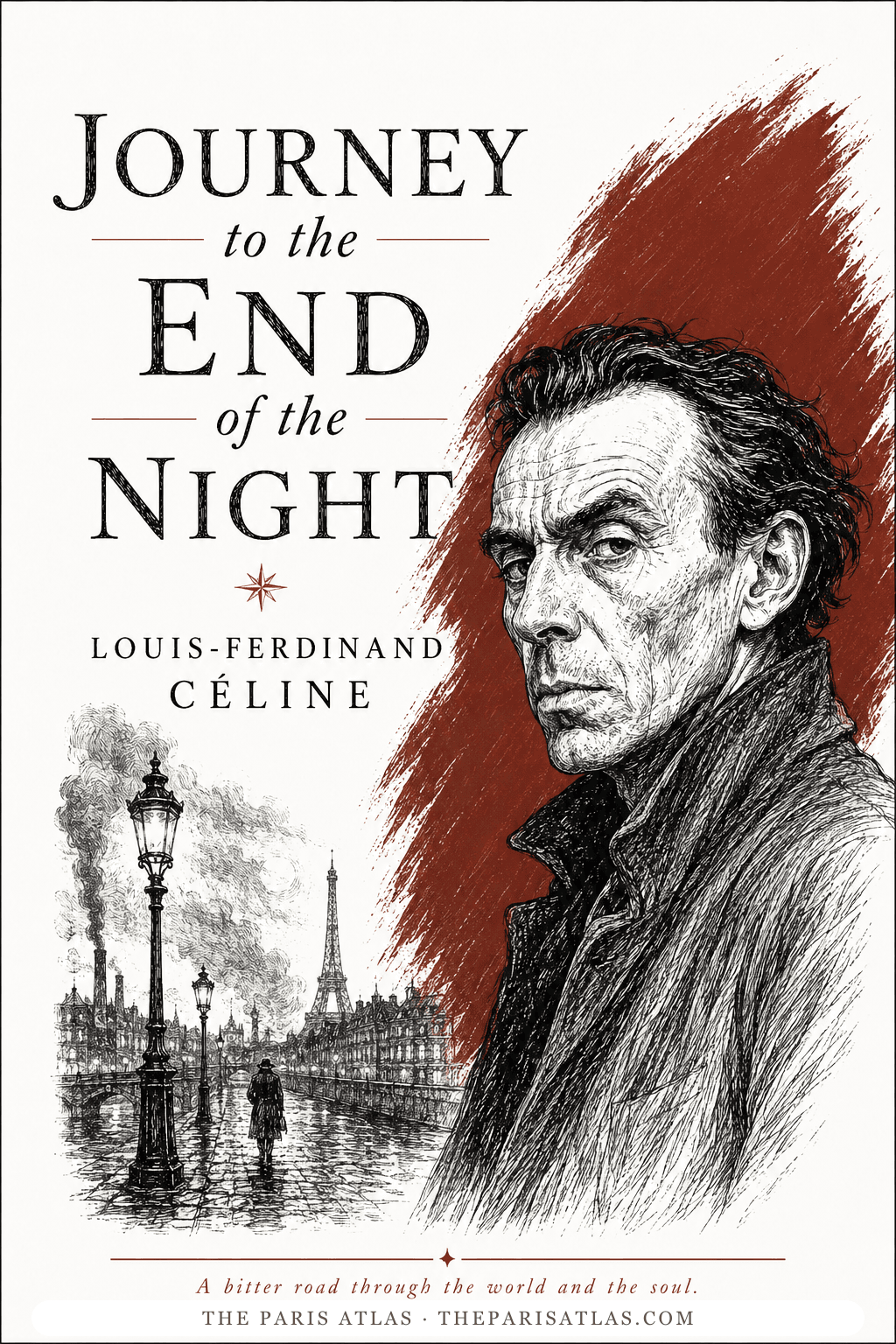
Journey to the End of the Night
The same war, opposite register: Céline's Bardamu decides in the first chapter that the only sane response is desertion, and says so at full volume.
A Farewell to Arms
Ernest Hemingway
An American ambulance driver, an English nurse, and the Italian front — the Great War's great love story.
Frederic Henry drives ambulances on the Italian front, where the war is mud, bureaucracy, and sudden randomized death; Catherine Barkley is the nurse he begins by lying to and ends by living for. Retreat, desertion, and a rowboat crossing to Switzerland follow. Drawn from Hemingway's own wounding at Fossalta at eighteen, it is the book where the famous style first carries a full-scale tragedy — rain and all.
'Abstract words such as glory, honor, courage… were obscene beside the concrete names of villages.' The paragraph that defined the generation's disillusionment belongs to this book, and it hits differently with three hundred pages around it.
Fifty pages of collapse — columns in the rain, executions at the bridge — that stand with anything ever written about armies coming apart.
By his own count, 'to get the words right.' Read the last page and judge whether draft 39 earned it. (Bring something to hold onto.)
Hemingway was blown up by an Austrian mortar at Fossalta in July 1918, at eighteen, and fell for his Red Cross nurse in the Milan hospital — the novel's blueprint, down to the ward.
The same war, opposite register: Céline's Bardamu decides in the first chapter that the only sane response is desertion, and says so at full volume.
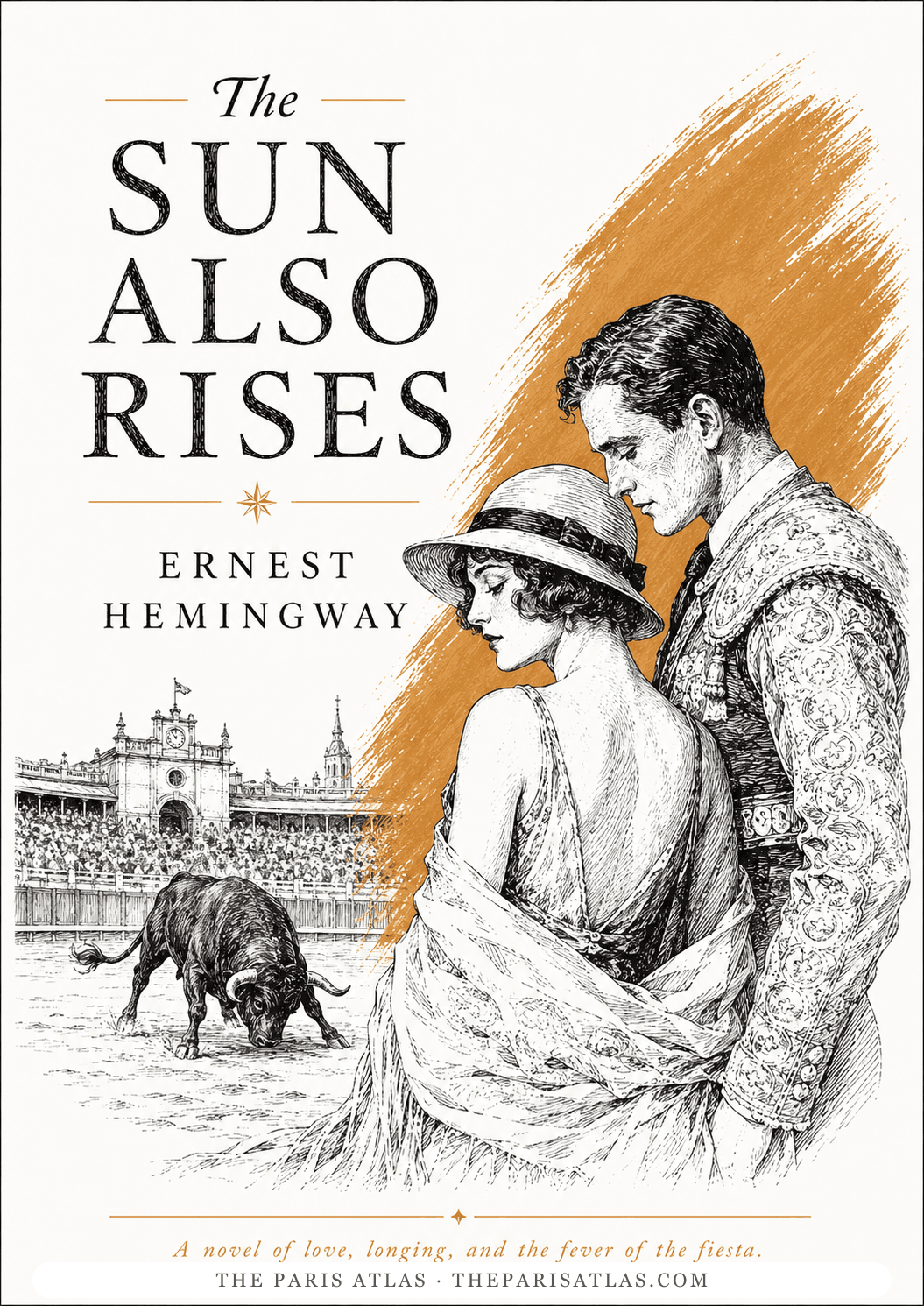
The after — what the survivors of this book's war did with their evenings.
In Our Time
Ernest Hemingway
The wound in miniature: the early stories where Nick Adams carries the same front home.
Hugh Selwyn Mauberley
Ezra Pound
The war elegy in verse — 'There died a myriad' — published nine years before this novel said it in prose.