Death on the Installment Plan
Louis-Ferdinand Céline
Death on the Installment Plan
The prequel in spirit — Ferdinand's childhood, told even louder.
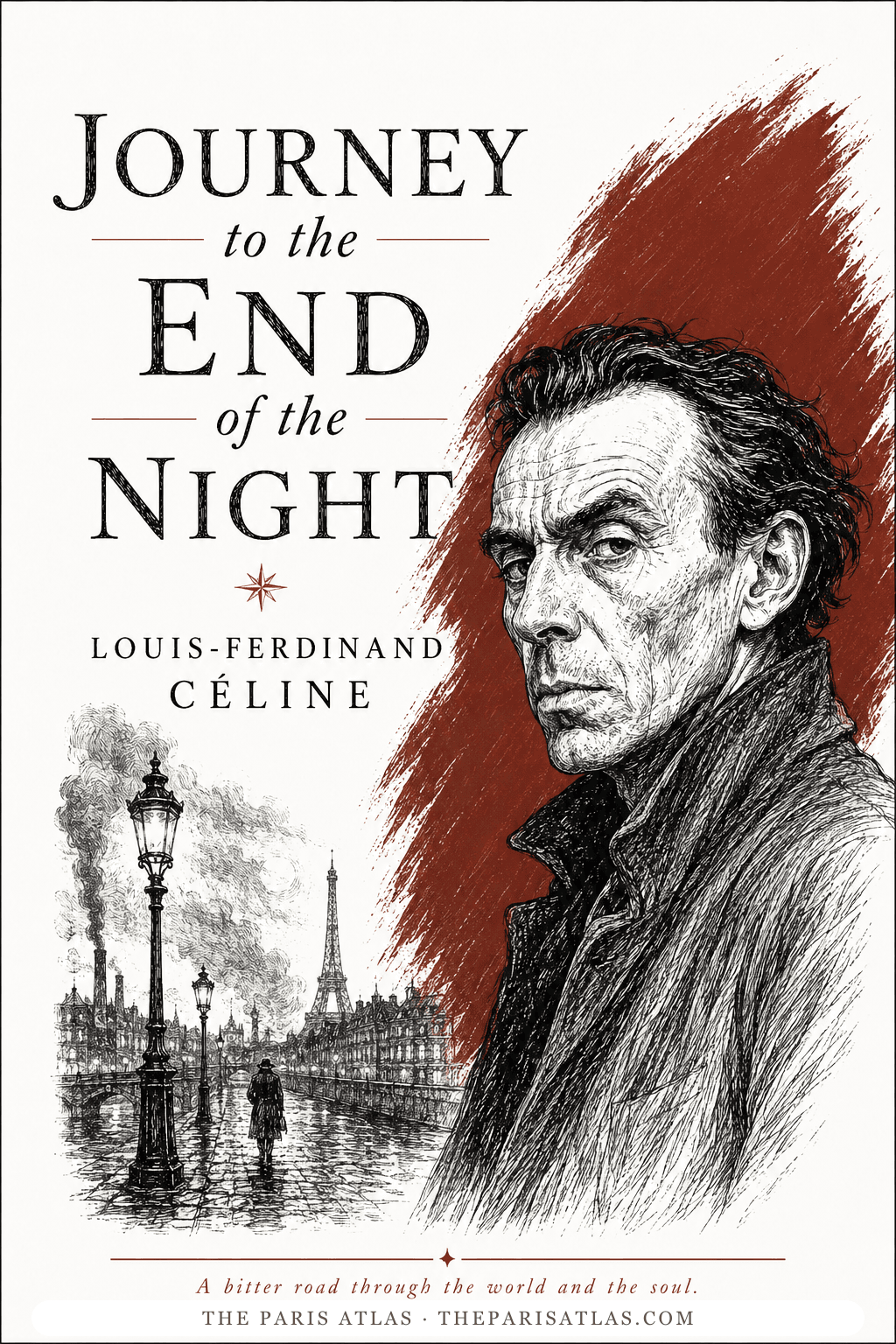
War, colonial Africa, Ford's Detroit, and the Paris night — the century's blackest comedy, told by its greatest bad attitude.
Ferdinand Bardamu enlists in a fit of parade-ground enthusiasm, discovers within pages that the war is an abattoir run by lunatics, and spends the rest of the novel in flight — through a fever-dream African colony, an America of assembly lines and rented affection, and home to a medical practice among the Paris poor, shadowed always by his double, Robinson. Written in a slangy, spoken French that scandalized and then conquered the language, it is misanthropy raised to the level of compassion.
Céline put spoken French — spat, ranting, obscenely funny — onto the literary page for the first time. Every gutter-voiced novel since, Miller's included, descends from this.
Bardamu's war is the most corrosive opening in modern fiction: patriotism cured in a single artillery barrage. The famous crossing-the-lines fantasy alone justifies the book.
Under the bile, a suburban doctor who treats the poor for nothing and can't stop noticing their suffering. The tenderness is buried exactly deep enough to be believable.
Céline lived nearly all of it: wounded and decorated in 1914, a colonial posting in Cameroon, a stint at Ford's Detroit plant, then medicine among the Paris poor — the novel is autobiography with the despair turned up to true.
Death on the Installment Plan
Louis-Ferdinand Céline
The prequel in spirit — Ferdinand's childhood, told even louder.
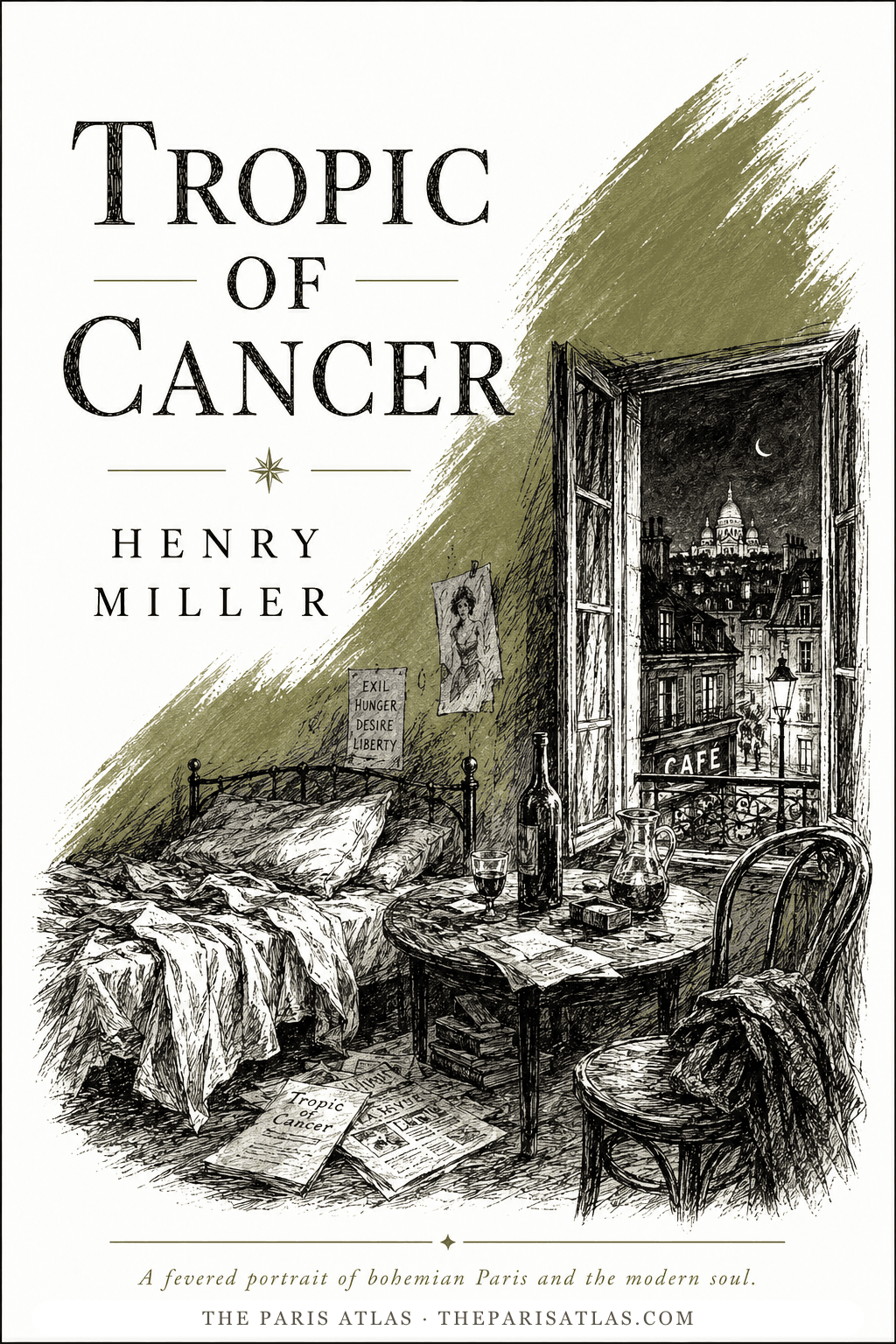
Written under Journey's direct influence, by its most grateful reader.
A Farewell to Arms
Ernest Hemingway
The same war, mourned quietly instead of cackled at.
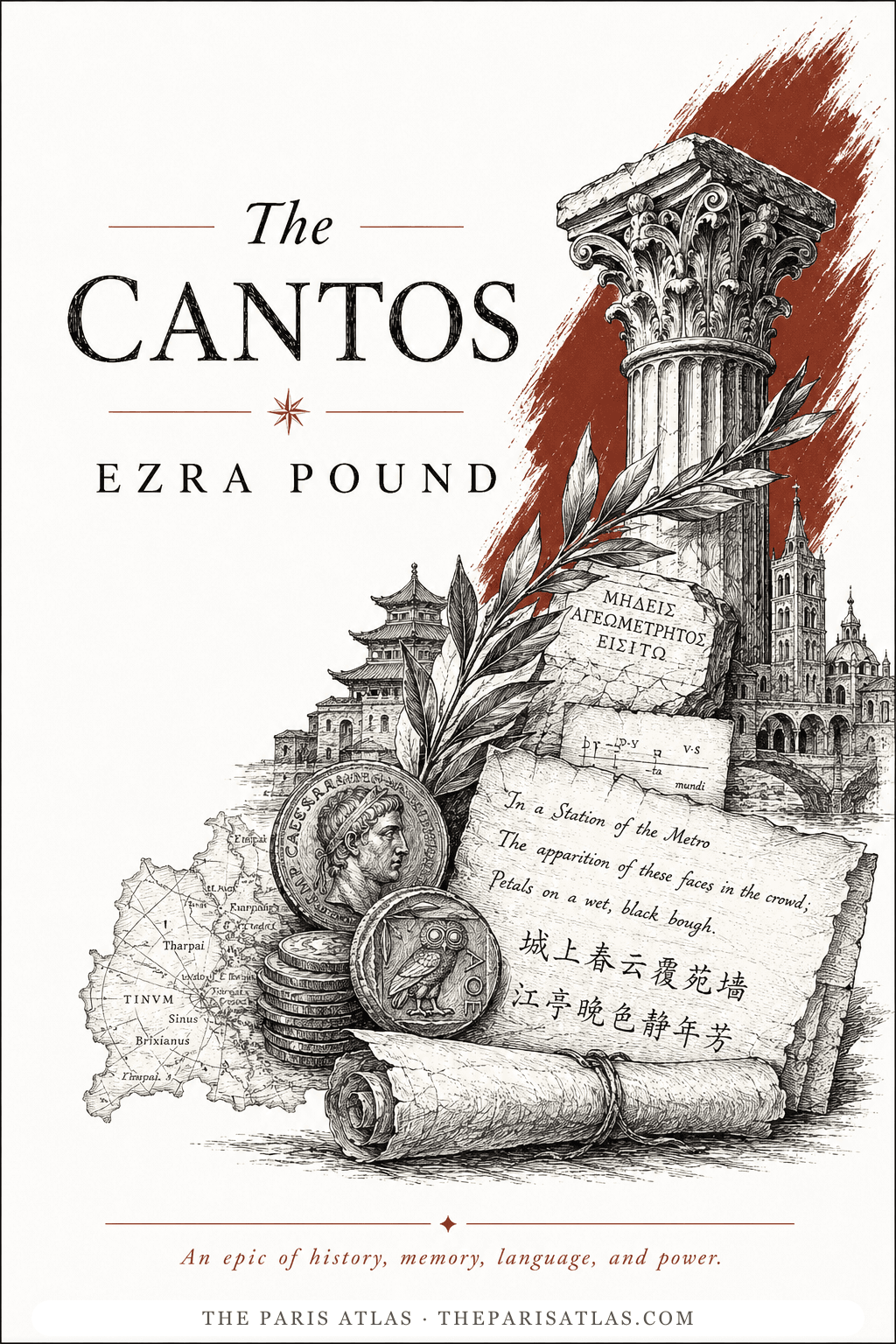
The era's other essential work by an indefensible author — the comparison clarifies both.