A Moveable Feast
Ernest Hemingway
A Moveable Feast
The memoir of the same years — the nonfiction shadow of this novel, written forty years later with the knives out.
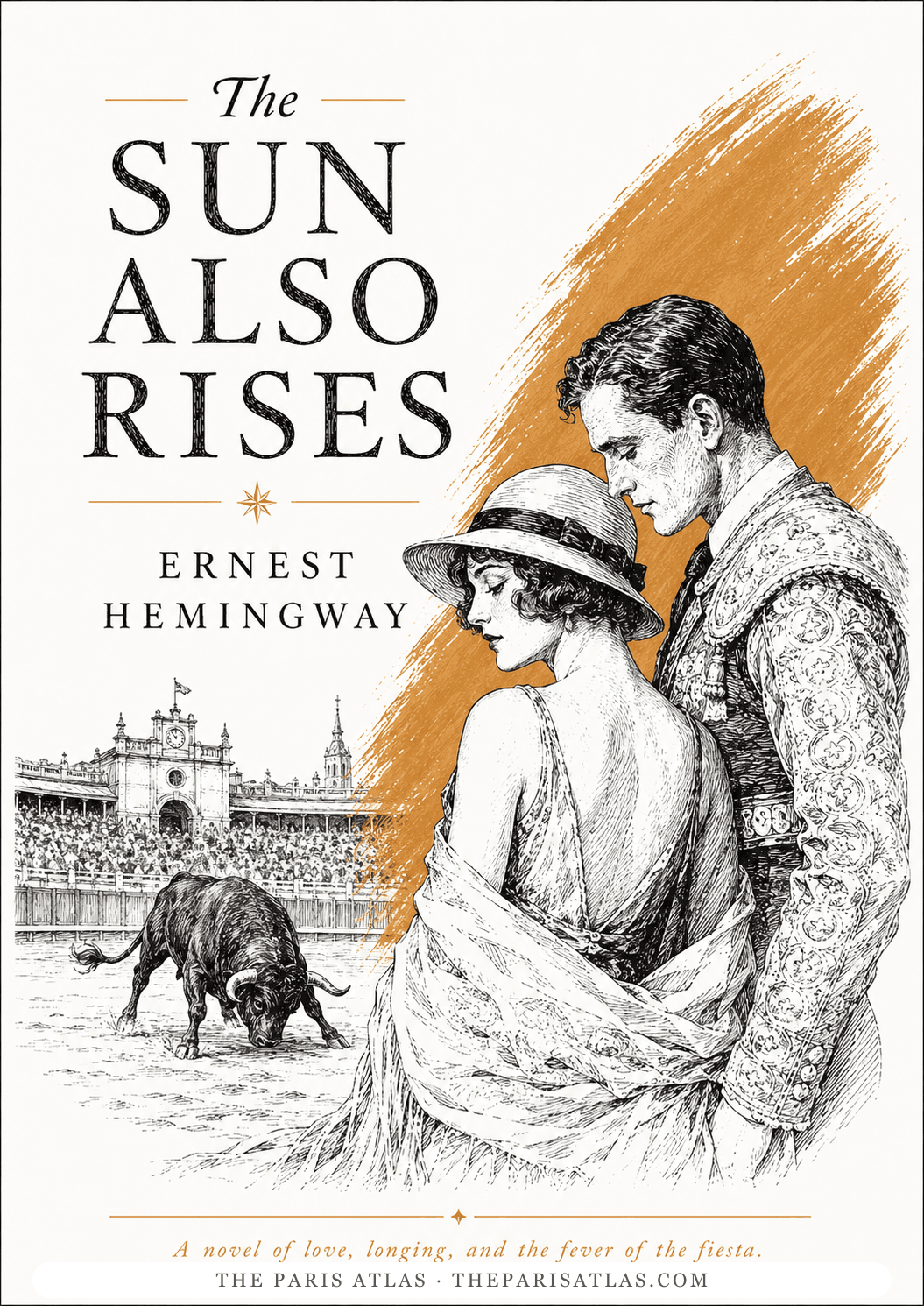
Paris cafés, Pamplona bulls, and a crowd of the beautifully damaged — the novel that named a generation.
Jake Barnes, an American newspaperman carrying an unspeakable war wound, drifts through expatriate Paris in the orbit of Lady Brett Ashley — twice-divorced, magnetic, and impossible for him to have. When the crowd decamps to Pamplona for the fiesta, the drinking, the bullfights, and the jealousies come to a head. Nothing is stated; everything is felt. It remains the essential novel of the Lost Generation, written by the man Gertrude Stein aimed the phrase at.
Jake's wound, the war, the love story's impossibility — the novel's biggest facts are never stated directly, and land harder for it. This is the style that remade the American sentence.
Nearly everyone in it was a real person at real cafés — the 1925 Pamplona trip happened, feuds included. Few novels let you eavesdrop on an era this directly.
The dialogue sparkles, the drinking is comic, and underneath it all runs the flat despair of people who survived the war without surviving it. 'Isn't it pretty to think so?' still lands like a verdict.
The fiesta was real: Hemingway's July 1925 Pamplona trip, with the real Lady Duff Twysden in tow, supplied the novel almost scene for scene — and ended most of the friendships in it.
Read the full story in the journalA Moveable Feast
Ernest Hemingway
The memoir of the same years — the nonfiction shadow of this novel, written forty years later with the knives out.
A Farewell to Arms
Ernest Hemingway
The war that wounded Jake, faced directly instead of drunk around.
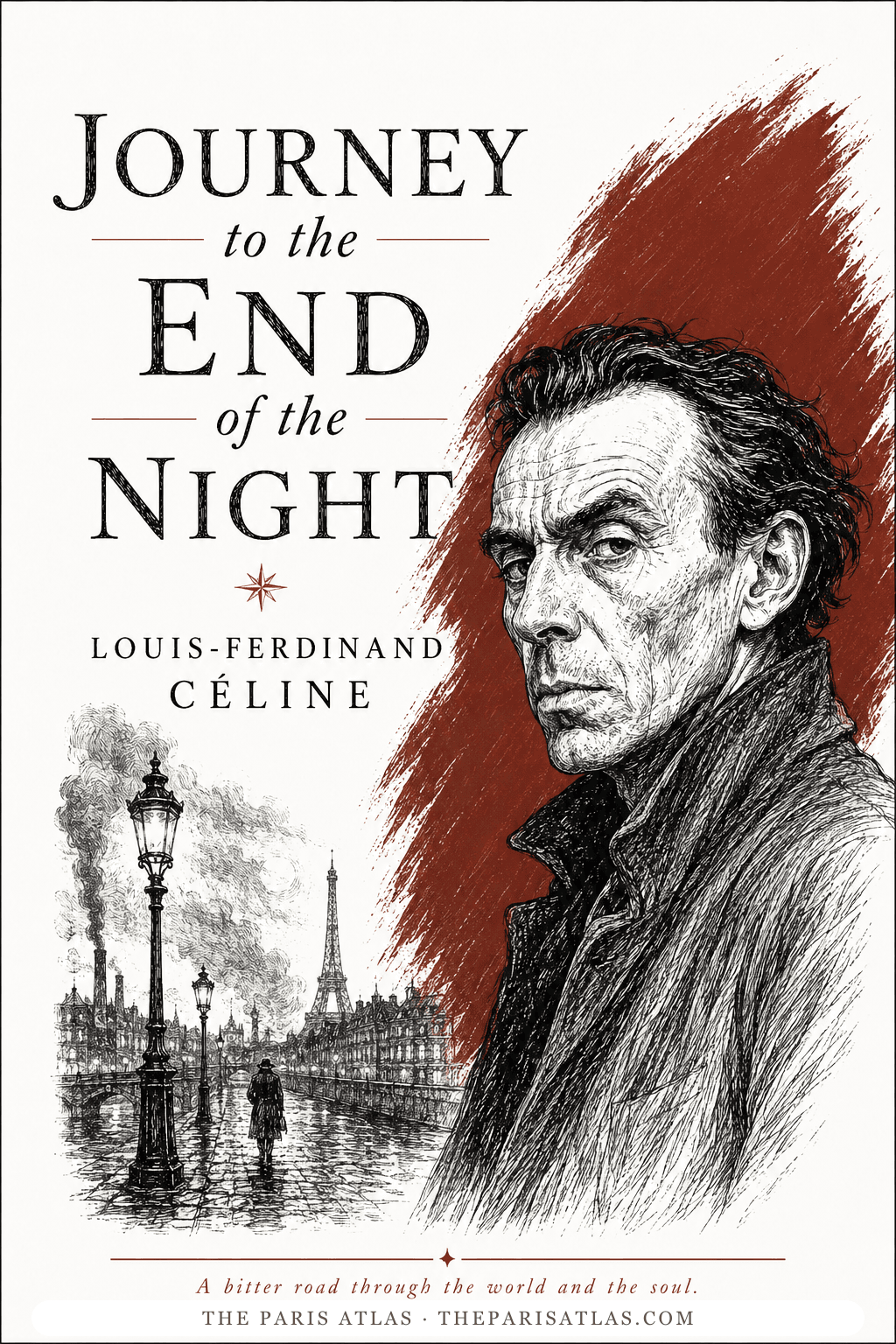
The same postwar disgust from the French side of the café, at ten times the volume.
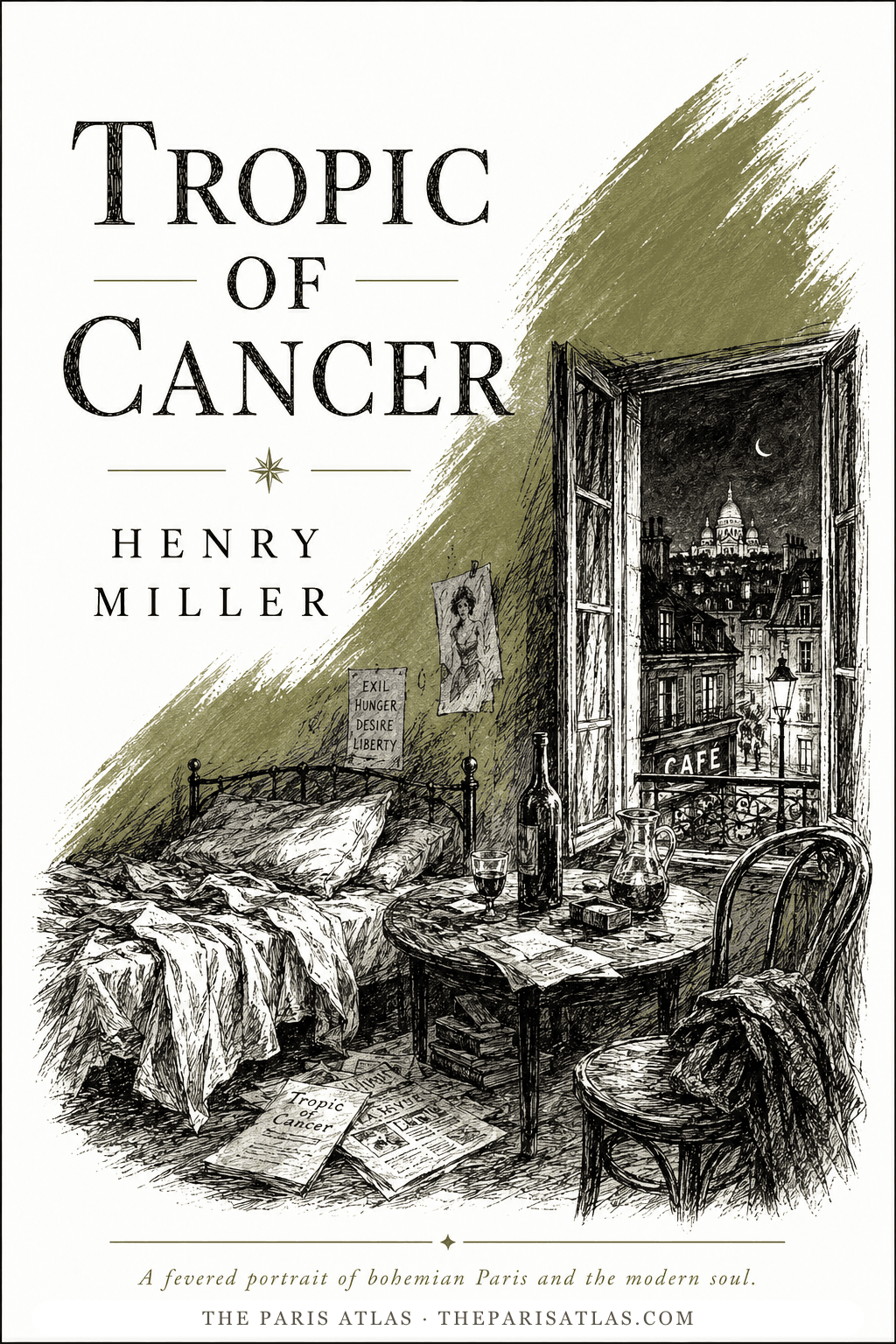
Expatriate Paris again, five years and one economic collapse later — no fiesta money left, and no restraint either.