Marc Chagall
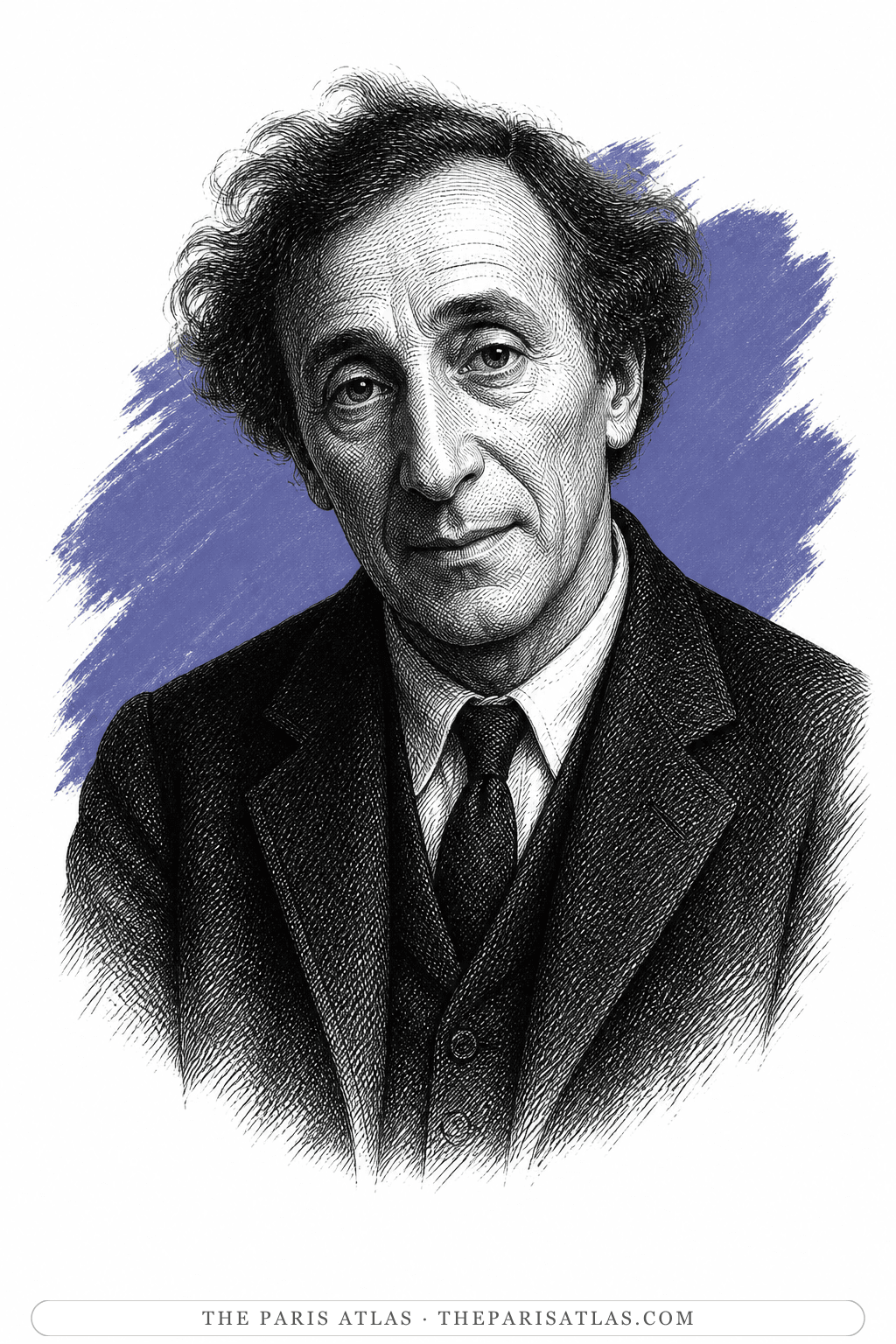
Aime Maeght was Chagall's Paris dealer for decades from the late 1940s, handling paintings, illustrated books and above all the prints.
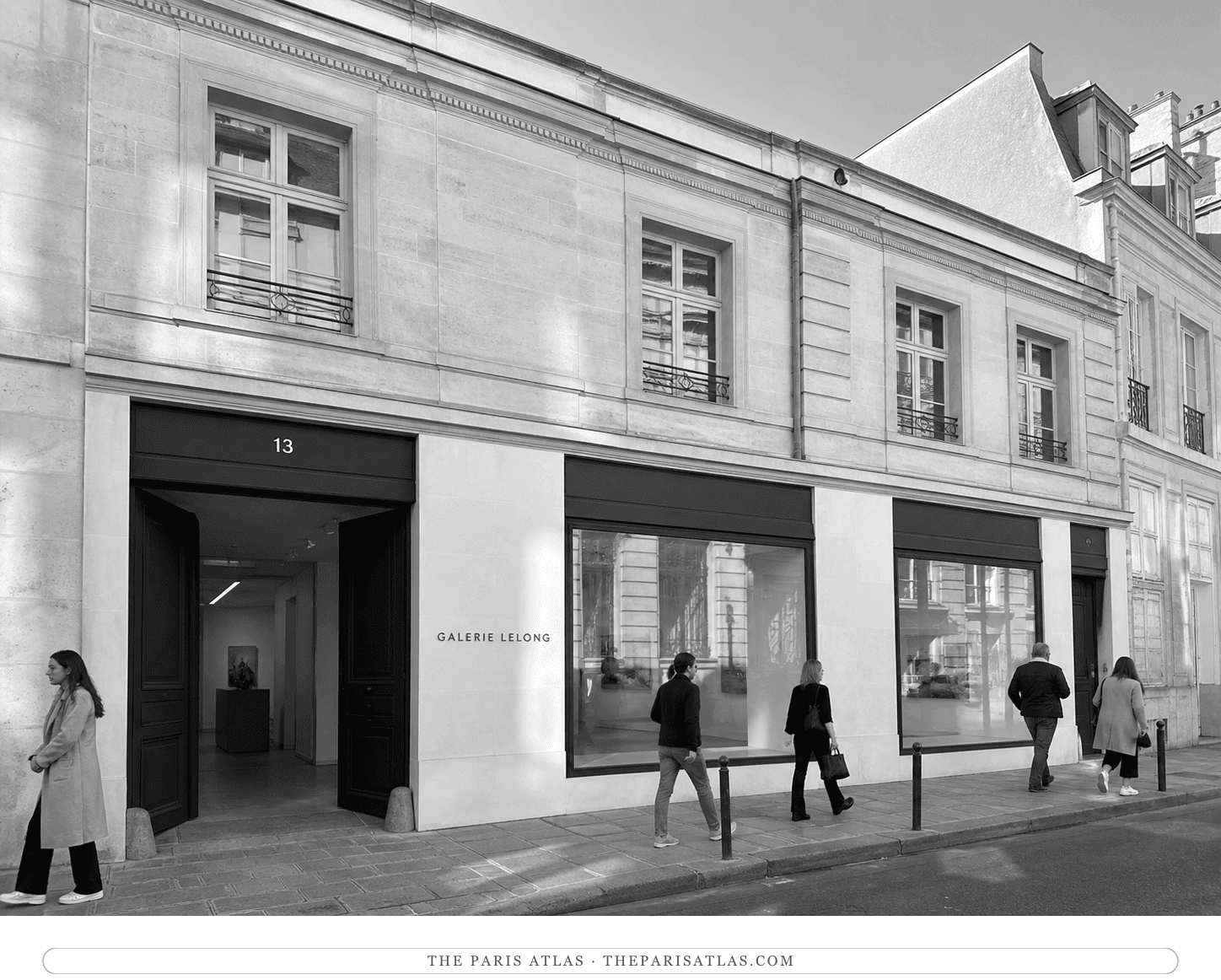
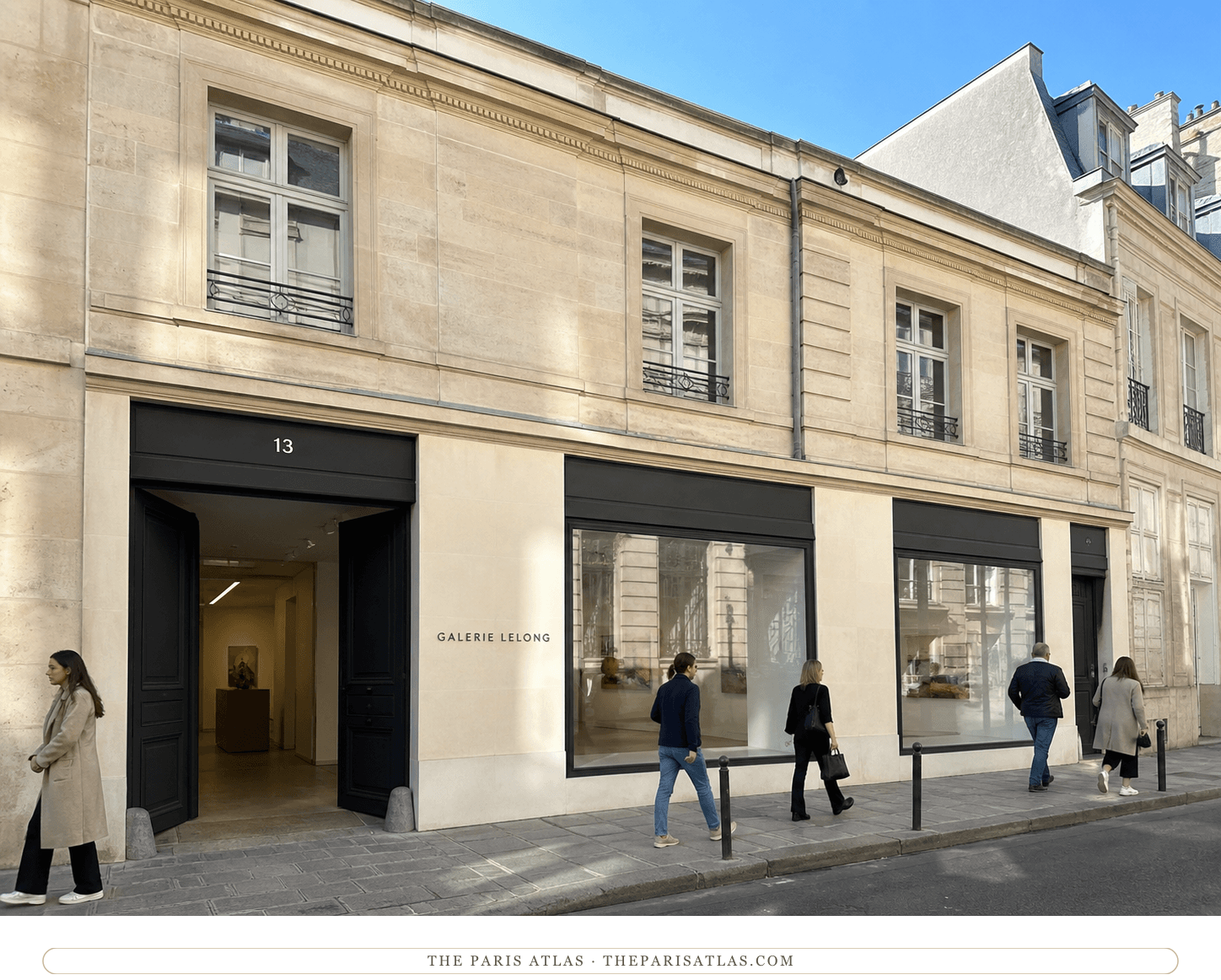
The gallery Aimé and Marguerite Maeght opened in 1945–46 and ran as one of the most important dealerships of post-war French art — Marc Chagall's Paris dealer for decades. The original firm later became Maeght-Lelong and then Galerie Lelong, the current occupant.
Aimé Maeght had been a lithographic printer in Cannes before the war; his wife Marguerite ran a shop. They opened a gallery on the rue de Téhéran in 1946 and within a few years were handling Braque, Miró, Giacometti, Calder, Léger and Marc Chagall.[1]
The date matters. Paris was rebuilding its cultural institutions after occupation, while artists displaced by war were returning from exile or re-establishing European careers. Chagall came back to France in 1948 after seven years in the United States, and Maeght became his French dealer. The gallery offered continuity at the moment his work was moving from private-scale painting and book illustration toward international retrospectives and public commissions.
For Chagall the relationship ran for decades and covered everything: paintings, drawings, the illustrated books, and above all the prints, which the Maeghts were unusually well placed to publish because of Aimé's own background in lithography.[1]
Printmaking required more than sending an image to a commercial printer. Colour lithographs were built through repeated decisions about drawn marks, separate colours, registration and the order in which inks met paper. A dealer who understood the press could support experimentation rather than treating the edition as a secondary copy of a painting. Chagall's late colour—transparent, layered and held together by a mobile drawn line—was especially suited to that collaboration.[2]
The editions also changed the scale of the audience. A unique Chagall painting could enter one collection; a signed lithographic edition could circulate among many. Books and prints carried the imagery of lovers, animals, Vitebsk roofs and biblical scenes far beyond the gallery, while their sale supported the expensive monumental work that increasingly occupied him after the war.[3]
The Maeghts also built the Fondation Maeght at Saint-Paul-de-Vence, which opened in 1964 and remains one of the best modern art collections in Europe — and which Chagall, living nearby in the south by then, contributed to.
That foundation extended a commercial relationship into a permanent public setting. Chagall made the mosaic Les Amoureux for its opening, while the architecture and gardens placed work by the Maeght artists in direct relation to one another. Rue de Téhéran was therefore the Paris end of a network linking production, sale, publishing and institutional display in the south of France.
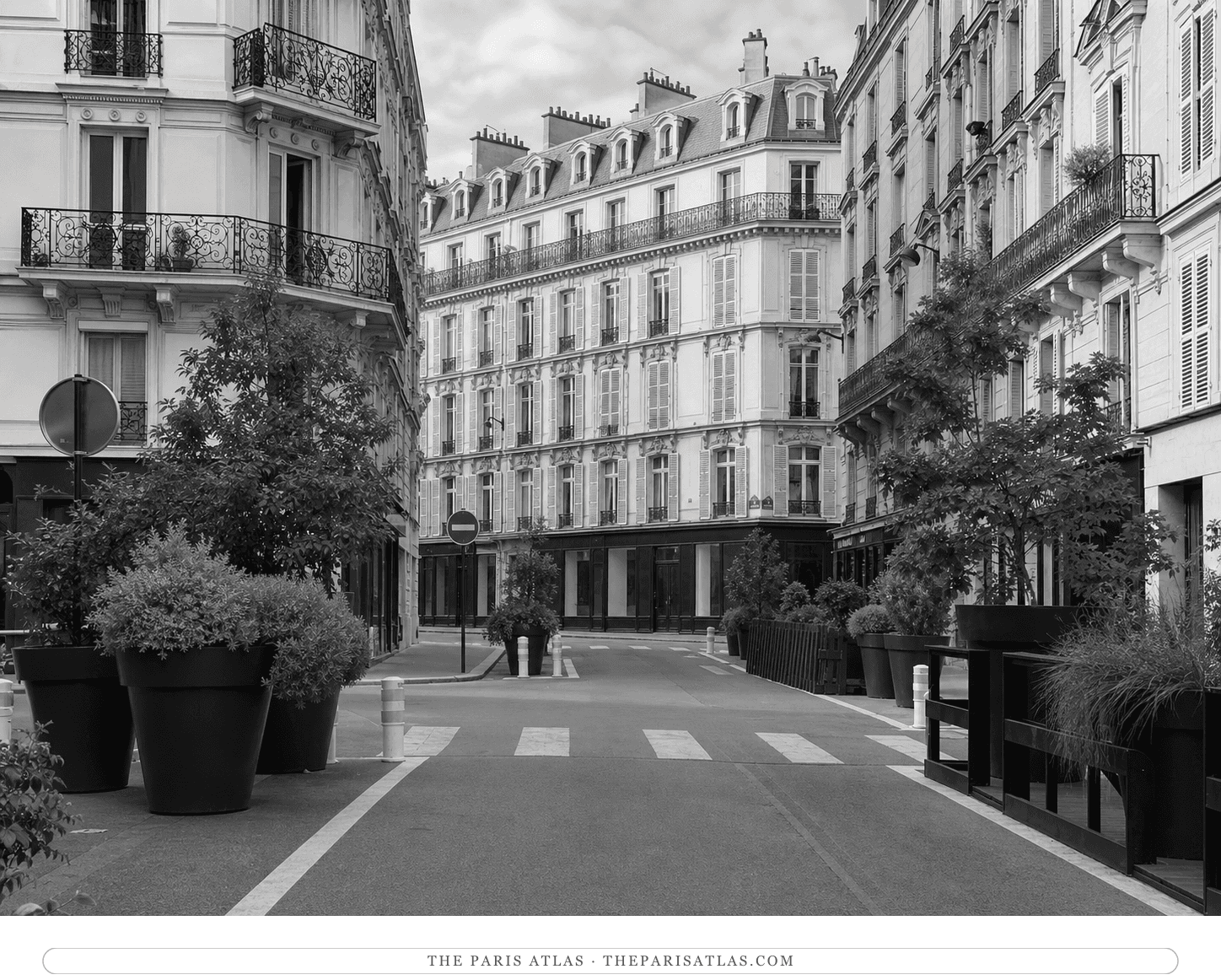
Galerie Lelong now operates from the address and opens for exhibitions, so a reader can still enter the rooms as a working gallery — but not as Galerie Maeght.
A visit should be treated as a visit to the current Galerie Lelong, not a preserved Chagall room. Exhibitions change and there may be no artist connected with Maeght on view on a given day. What survives is the gallery use of the address, not the original organisation or installation.
A commercial gallery supplied several forms of continuity at once. It kept records, placed works with collectors, organised exhibitions and helped coordinate the technical specialists required for editions. For an artist whose studio was increasingly in the south of France and whose commissions were international, the Paris address remained a durable point of contact with critics, buyers and institutions.
Maeght's experience as a printer mattered culturally as well as technically. Print publishing sat between unique art and mass reproduction: editions remained carefully made and collectible while reaching more walls and libraries than a single canvas could. Chagall's imagery became widely familiar partly through this scale of circulation, and the gallery could connect experimentation at the press to distribution through its established audience.
The relationship also belongs to the late-career reassessment of artists displaced by war. Chagall returned from the United States carrying grief after Bella's death and a reputation transformed by exile and major exhibitions. Maeght did not discover an unknown painter; he helped provide a French framework for renewed production, publication and public work after the rupture.
The current Galerie Lelong admits visitors during its published exhibition hours. That does not guarantee access at every moment or the presence of a particular artist. Checking Lelong's current programme respects the business as it exists now while the historical page explains the Maeght years that preceded it.
Chagall's relationship with Maeght also demonstrates that a dealer can influence medium without dictating imagery. Technical capacity and publishing confidence made ambitious lithographic projects feasible, while Chagall continued returning to the subjects that had accumulated across his life. The gallery linked those personal motifs to presses, editions, exhibitions and collectors. Its role was infrastructural: it created repeatable conditions in which late work could circulate at several scales, from one painting in a room to a book or print owned across many countries. That sustained machinery is more historically significant than a single opening-night anecdote.
The address remains a working part of that story rather than a memorial façade.
The Maeghts open the gallery on the rue de Téhéran.
Chagall returns to France; the long association with Maeght follows.
The Fondation Maeght opens at Saint-Paul-de-Vence.
Yes — it still trades at 13 rue de Téhéran in the 8th arrondissement and opens to the public for its exhibitions.
Aimé Maeght, from the late 1940s onward. The gallery handled his paintings and, given Maeght's own background as a lithographic printer, was especially important for his prints.
Aime Maeght was Chagall's Paris dealer for decades from the late 1940s, handling paintings, illustrated books and above all the prints.

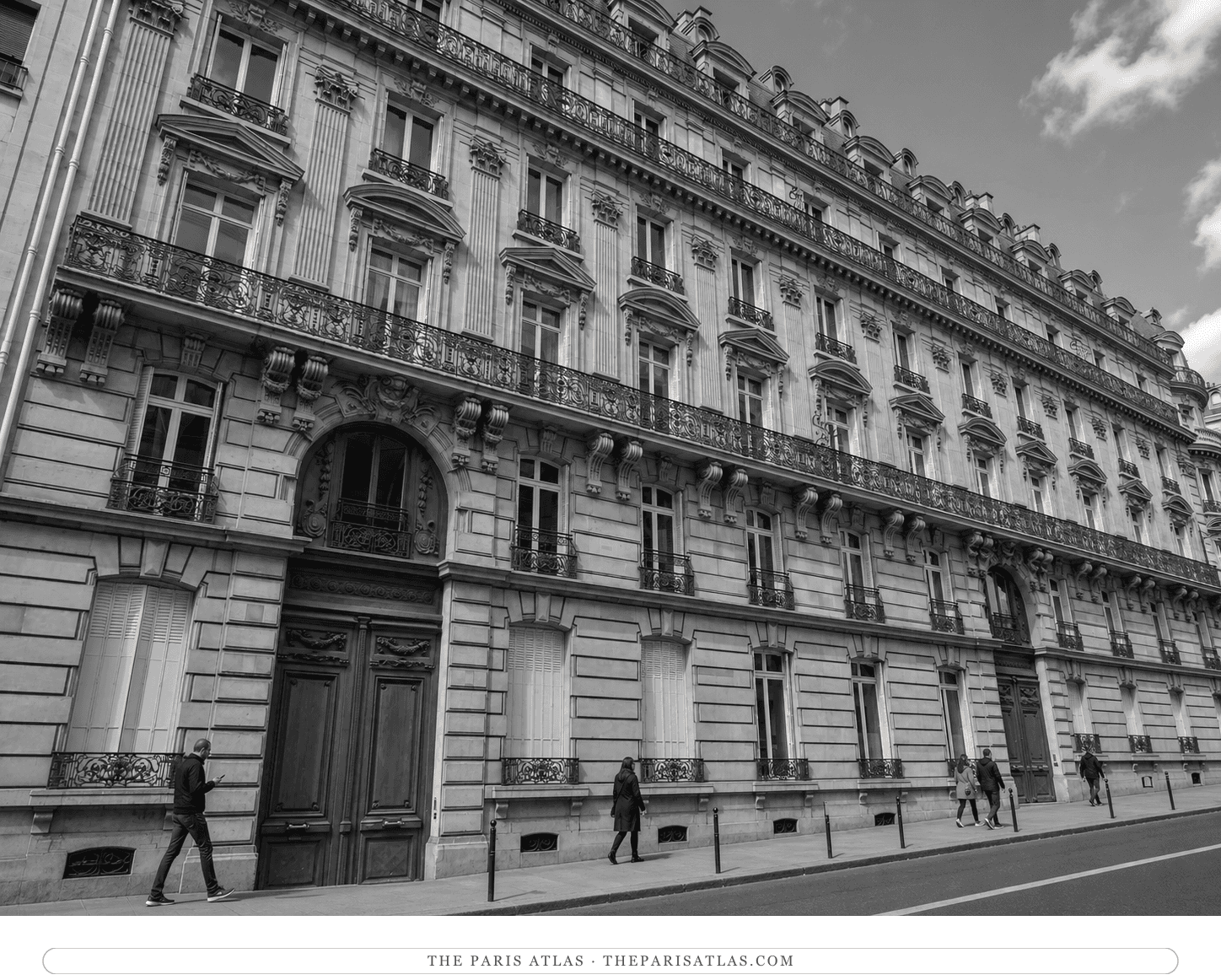
The corner house Gustave Caillebotte's father built, and the studio upstairs where he painted The Floor Scrapers and Young Man at His Window in 1875 — two pictures made by looking down at his own street.
Visit the place
Where the Proust family moved in 1900, and where Marcel lived until 1906 — the most socially active stretch of his life, receiving writers, artists and journalists and giving dinners. A commemorative plaque was installed by the City of Paris in 2022.
Visit the place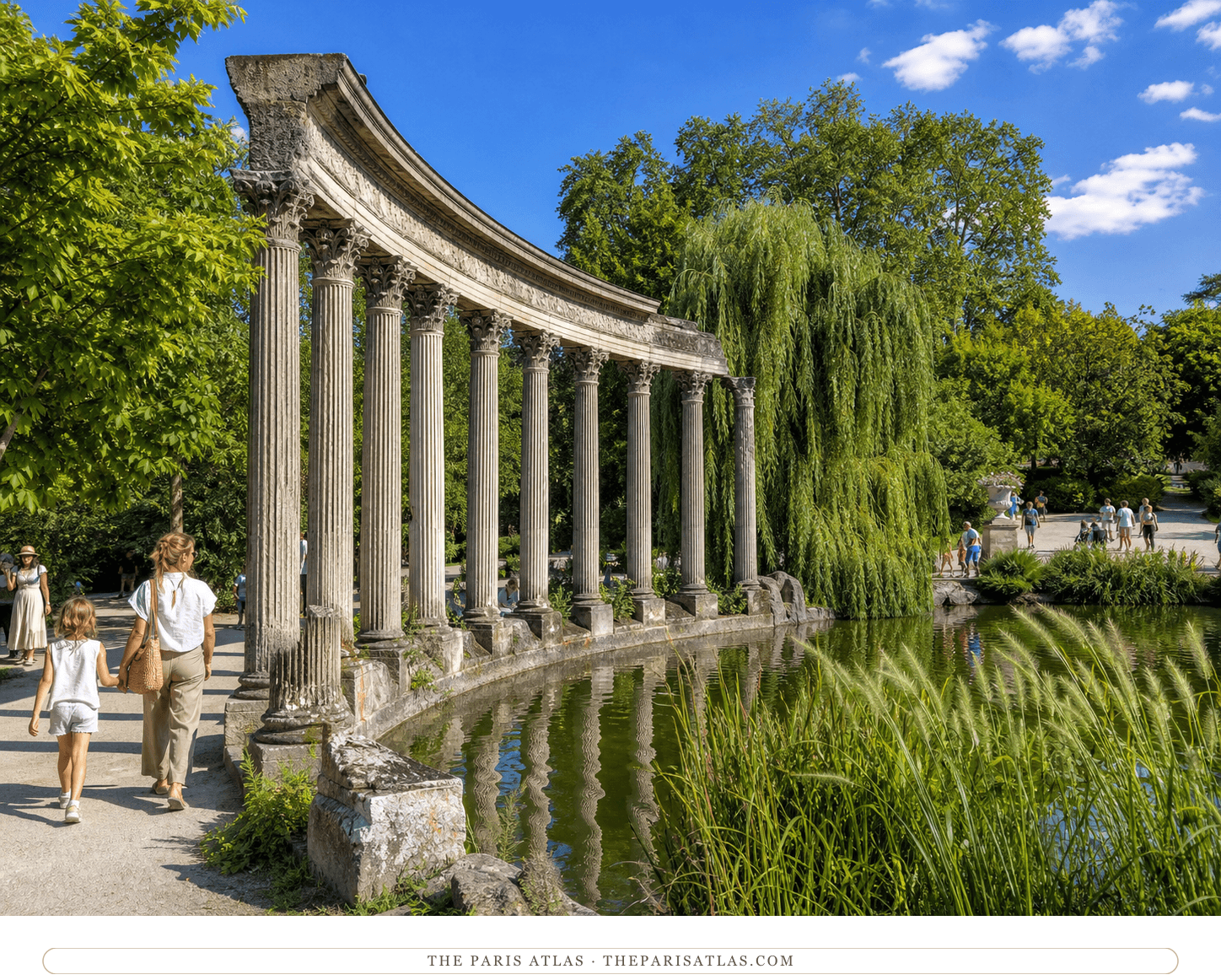
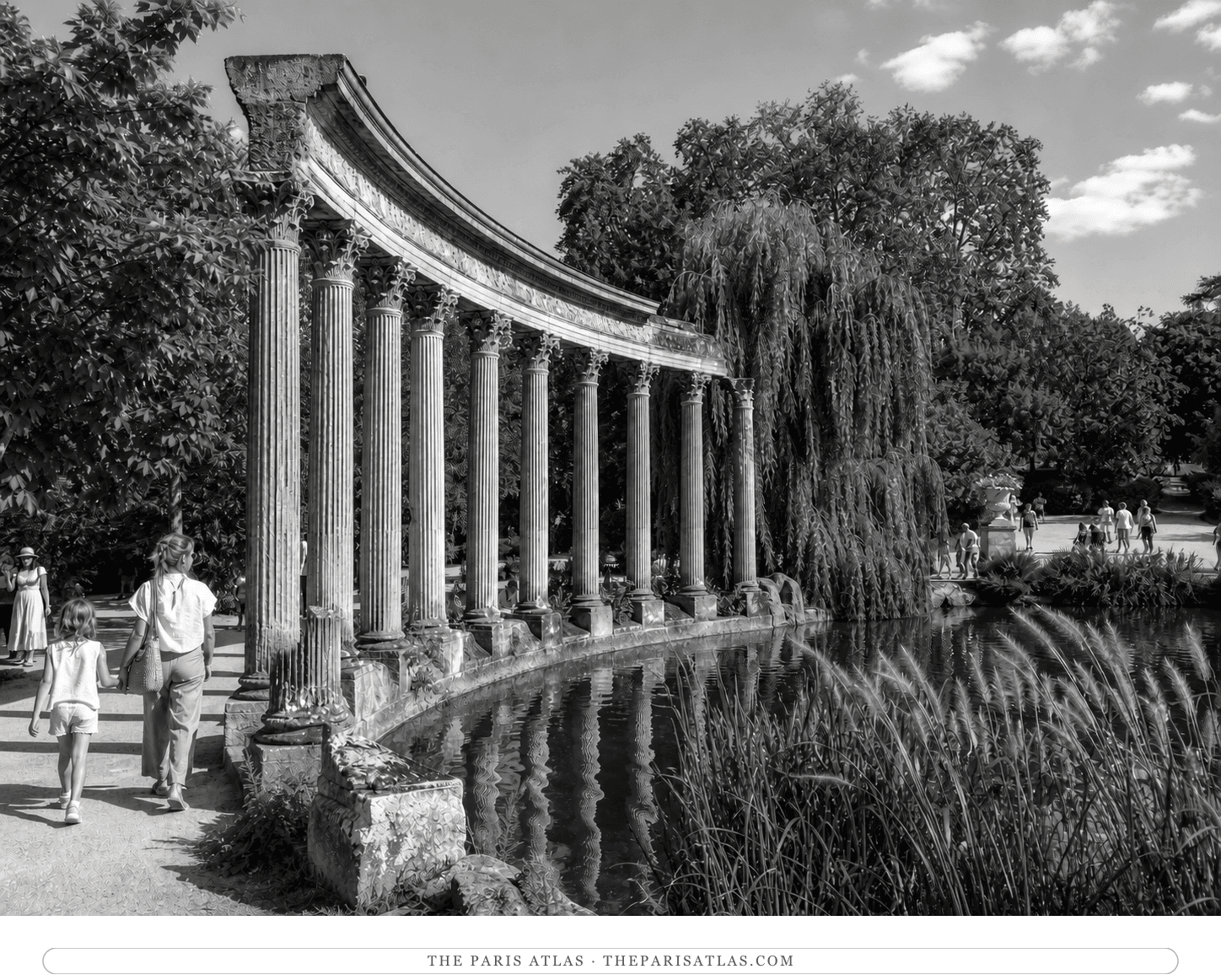
An unusually theatrical park in the 8th arrondissement, full of deliberate follies — a colonnade round a pond, a pyramid, fake ruins — laid out in the 1770s as a private garden and opened to the public in 1861. It is where the young Marcel Proust played, and where he met his first love in July 1886.
Visit the place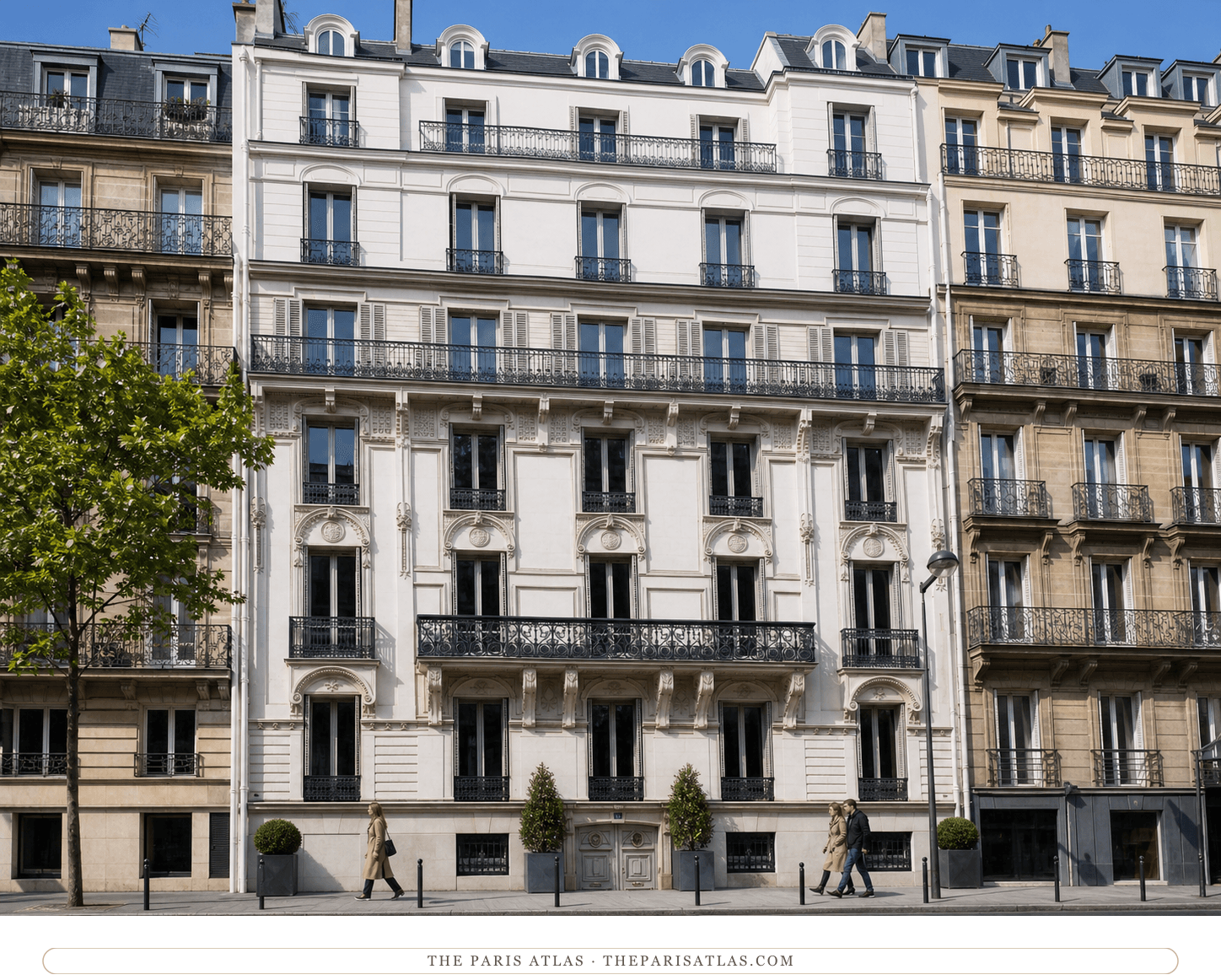
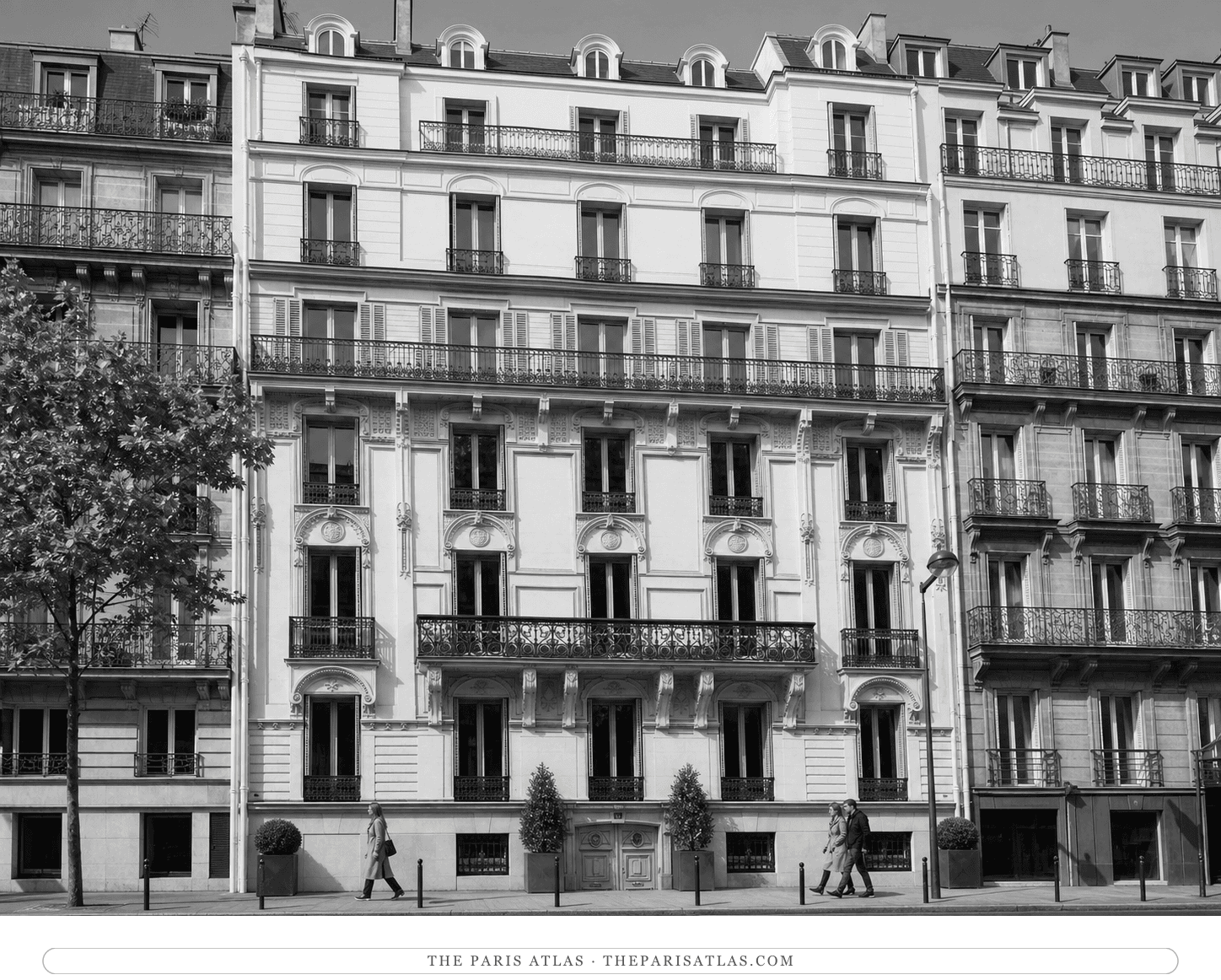
Where Pablo Picasso lived and worked from 1918 with Olga Khokhlova — the apartment in the gallery district that marks his arrival into wealth, with a cook, a chauffeur, a chambermaid and a nurse, and his dealer Paul Rosenberg two doors along.
Visit the placeThe sources below include histories, archival materials, scholarly research, and official records that informed this page. They document Galerie Maeght, 13 rue de Téhéran, the people connected to it, and its place in Paris.

Contemporary reporting or criticism used to document the historical reception and context of Galerie Maeght, 13 rue de Téhéran.

Web source consulted for documented facts and historical context presented on the Galerie Maeght, 13 rue de Téhéran page.
Web source consulted for documented facts and historical context presented on the Galerie Maeght, 13 rue de Téhéran page.
These references provide the documented foundation for this page's history and context. Claim-level citations remain attached to the specific claims they support.
 Explore more resources
Newsletter
The cafés, studios, and walk-up flats where the work was made — one story from the map in every letter.