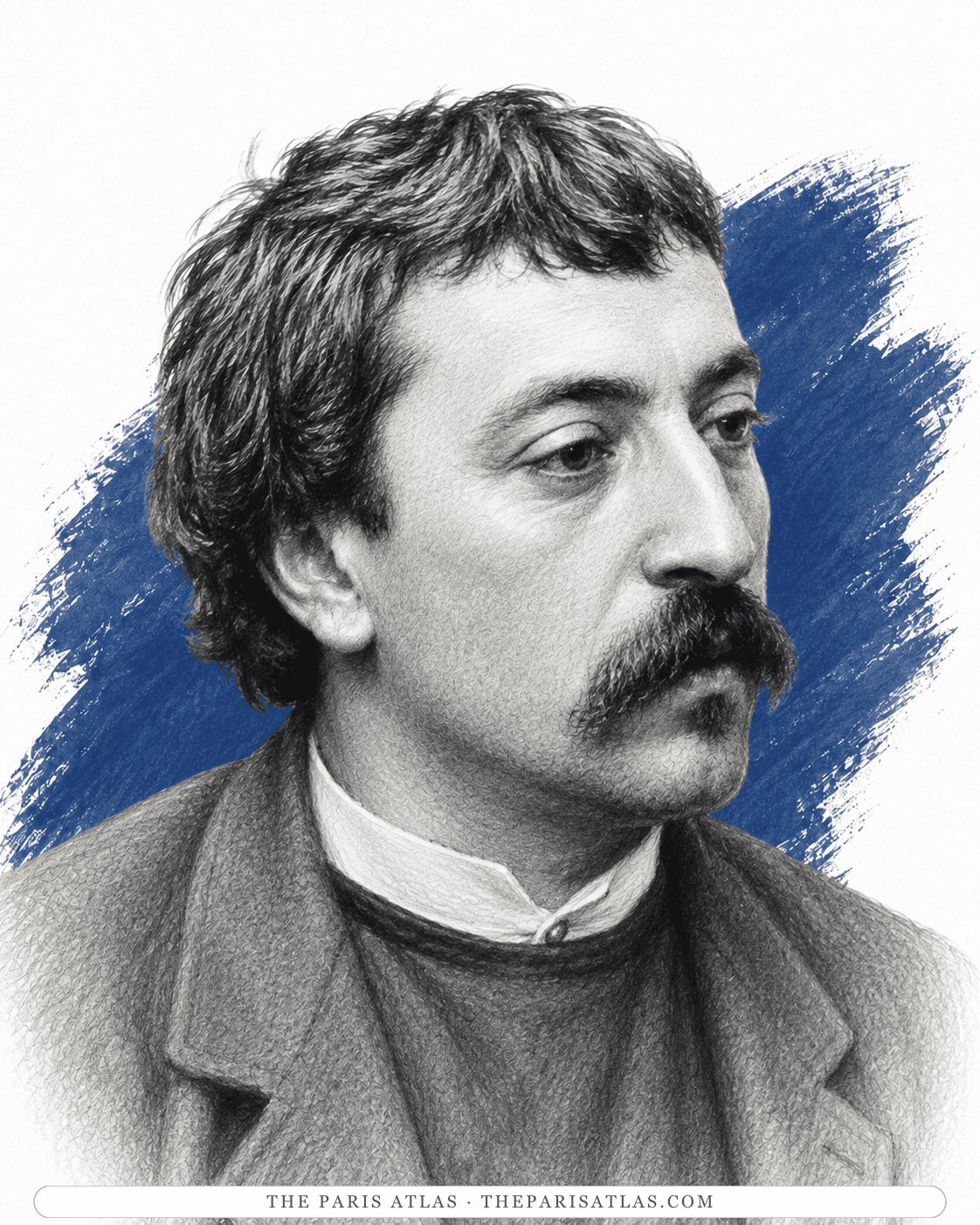
Paul Gauguin
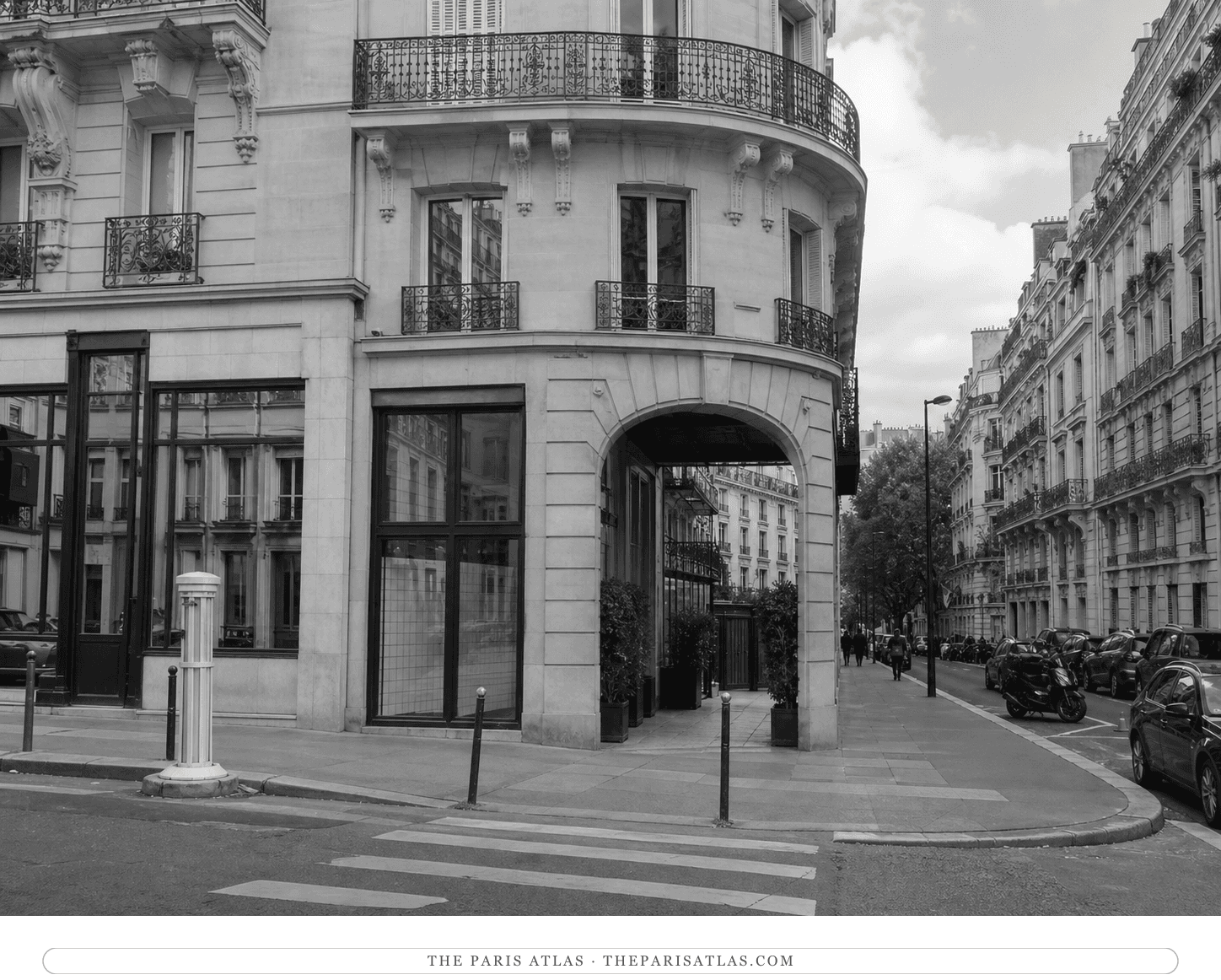
The family apartment after the birth of their first child, and the setting of Paul Gauguin's 1875 painting of Mette asleep on a sofa.
The apartment Paul Gauguin and Mette Gad took after the birth of their first child — an expensive address near the Arc de Triomphe, and the setting of his 1875 portrait of his sleeping wife.
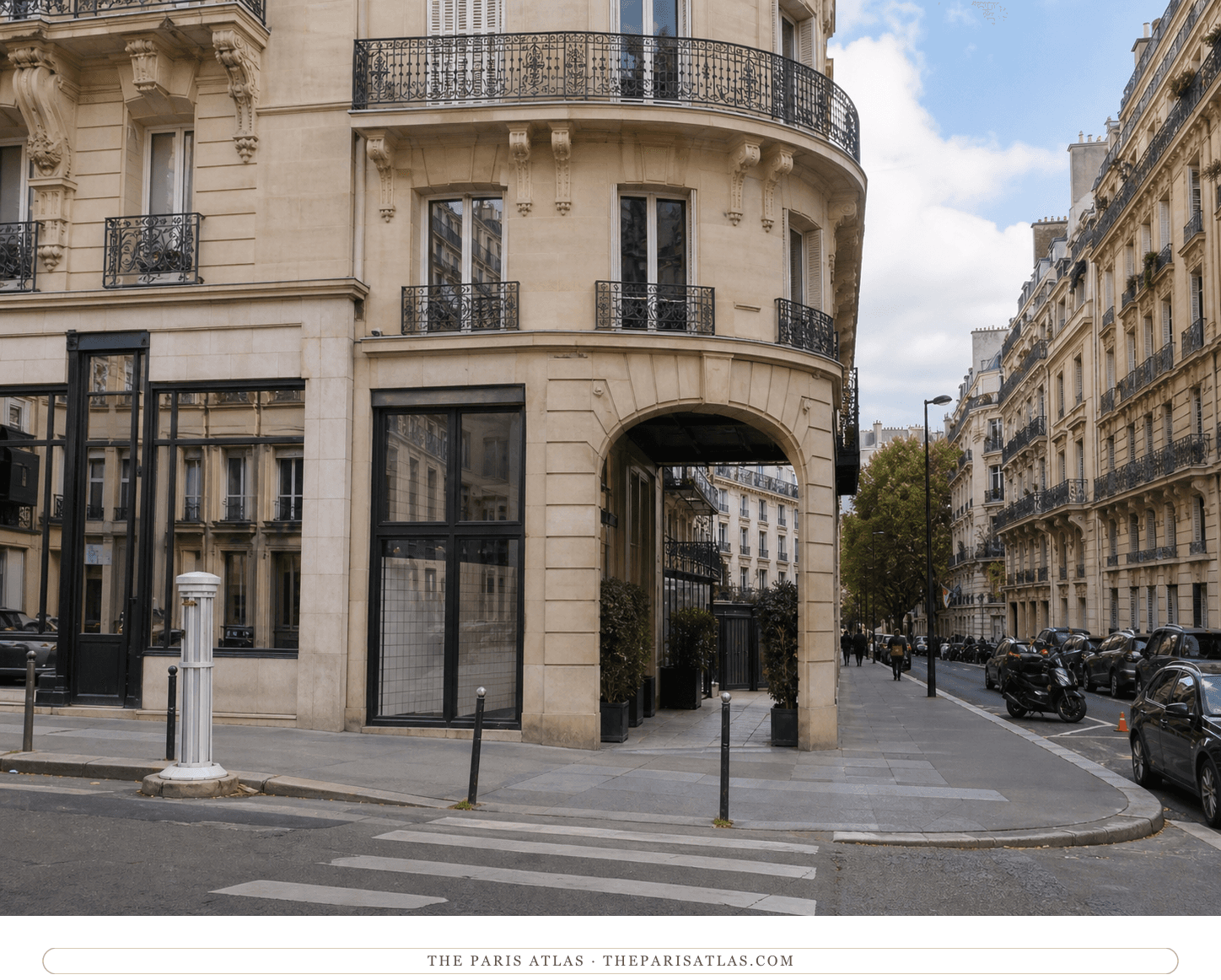
After the birth of their son Émile, Paul Gauguin and Mette Gad moved to the rue de Chaillot, in the wealthy western quarter near the Arc de Triomphe. He was still at the Bourse and the address reflects it.[1]
Gauguin's later self-image makes this apartment easy to misread. In the mid-1870s he was not an impoverished professional painter but a married broker building a career, a household and a collection. Chaillot placed the family among the broad avenues and expensive residences of western Paris. The rent, furnishings and time available for painting all depended on the income he would lose after 1882.
The 1875 painting of Mette asleep on a sofa was made in this apartment. It is a domestic picture by a man with a job, and there is nothing in it to suggest the Marquesas.[2]
The canvas is small—roughly the scale of an intimate study rather than a public Salon statement—and shows Mette stretched across a sofa inside the family home. It is one of Gauguin's earliest surviving figure compositions. The subject was immediately available, the room was familiar and the picture could be made around employment and family life: all conditions opposite to the elaborate mythology of remoteness he later attached to his art.[3]
Looking closely at the domestic subject also restores Mette to the story. She was not simply the wife left behind when Gauguin chose painting. During these years she was the central figure of the household he painted, while children arrived and his artistic ambition expanded. The sleeping portrait records a shared life before the financial and marital rupture that later biographies often treat only as prelude.[4]
The location near the Seine and the western edge of the city also belonged to his early landscape practice. Gauguin painted views around Paris while learning from the Impressionists and met Camille Pissarro during this broader period. Interior, family portrait and suburban landscape were parallel forms of apprenticeship before he developed the flattened colour and symbolic subjects associated with the mature work.
This address therefore supplies a useful before-image. At the place Saint-Georges, Gauguin was a newly married broker who painted; at rue de Chaillot, a growing family occupied a prosperous apartment and painting was becoming more serious; at rue Carcel, the home would include a dedicated studio. The progression was gradual before the market crash made it irreversible.
The number is not separately mapped, so the pin marks the street.
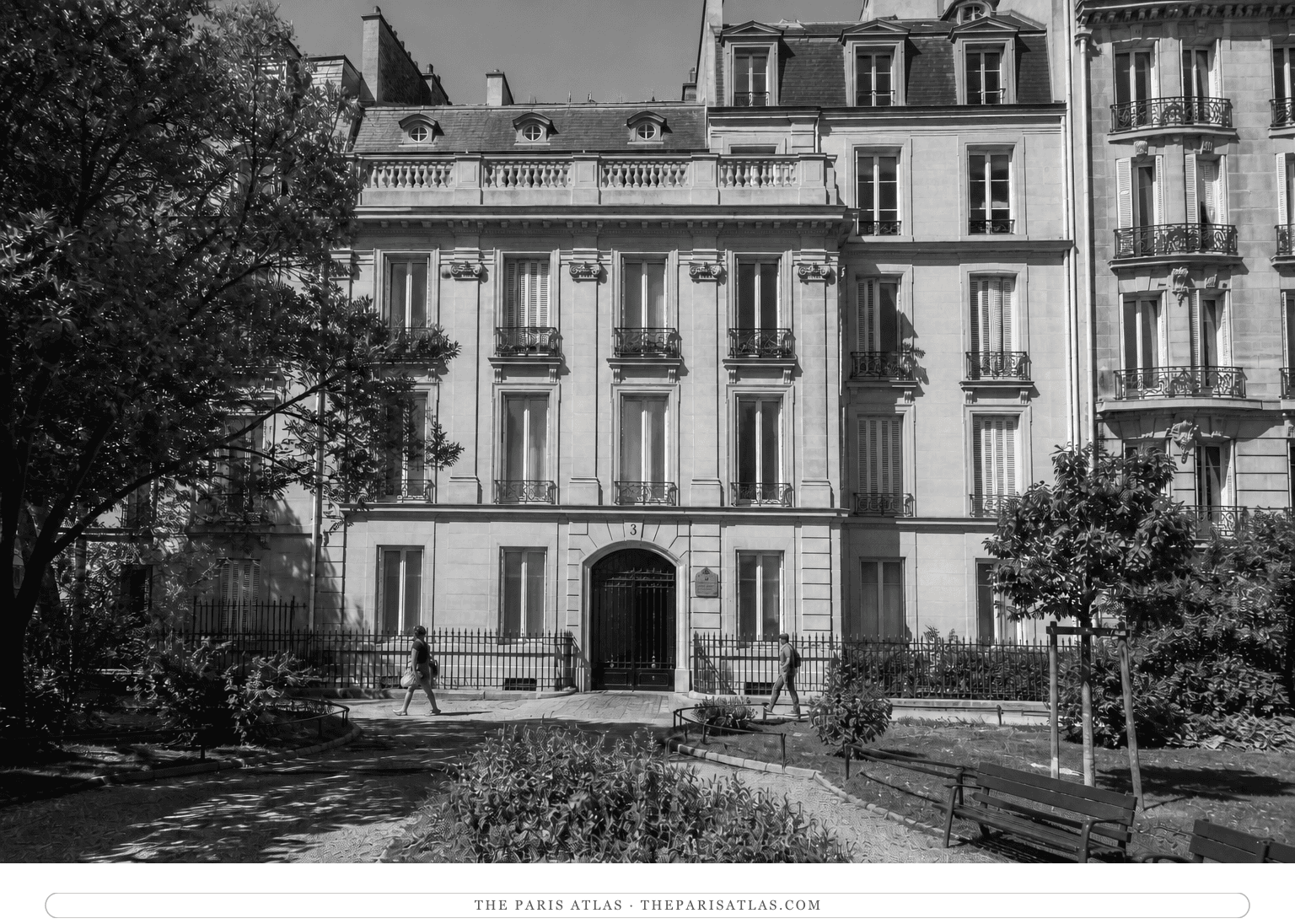
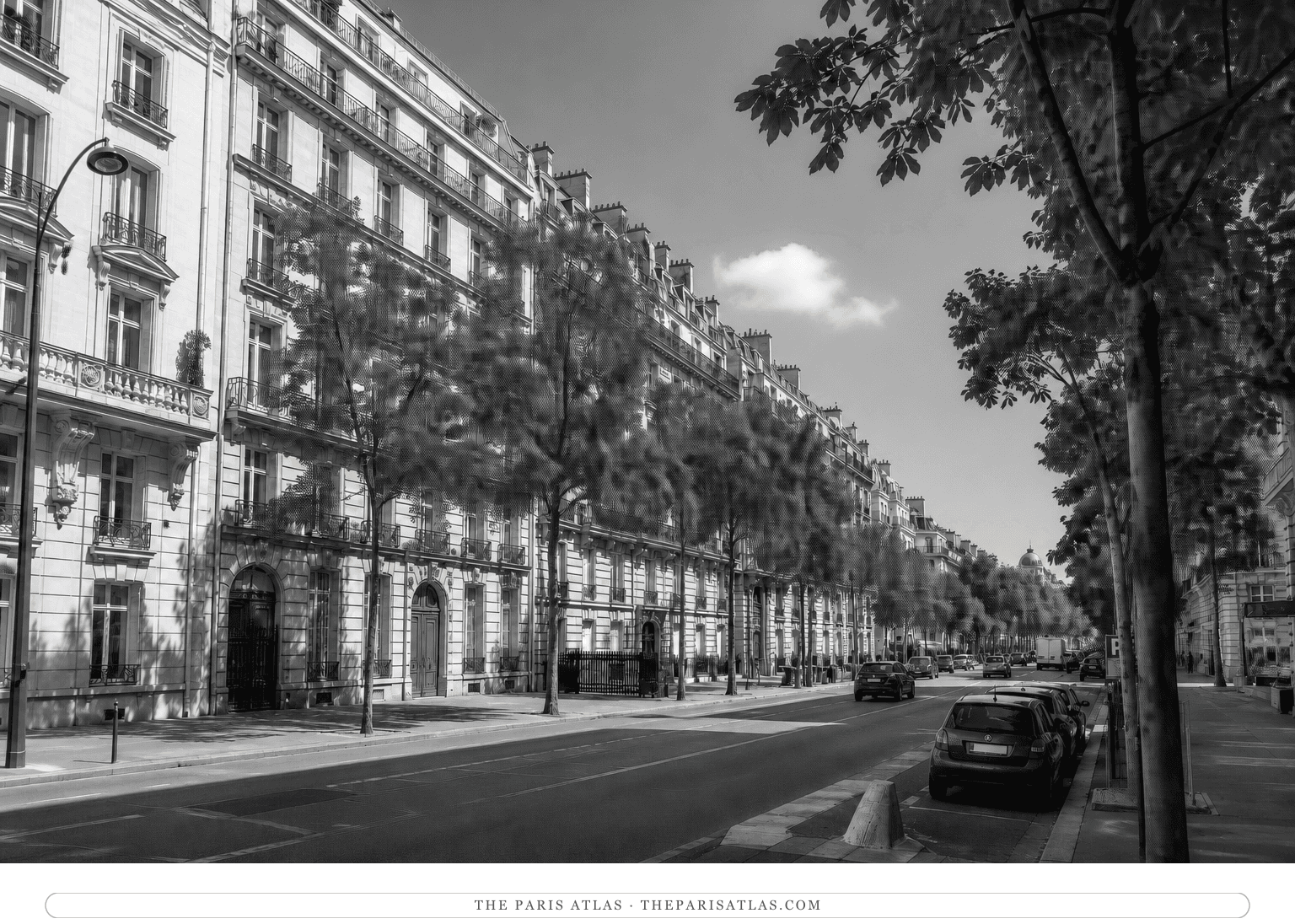
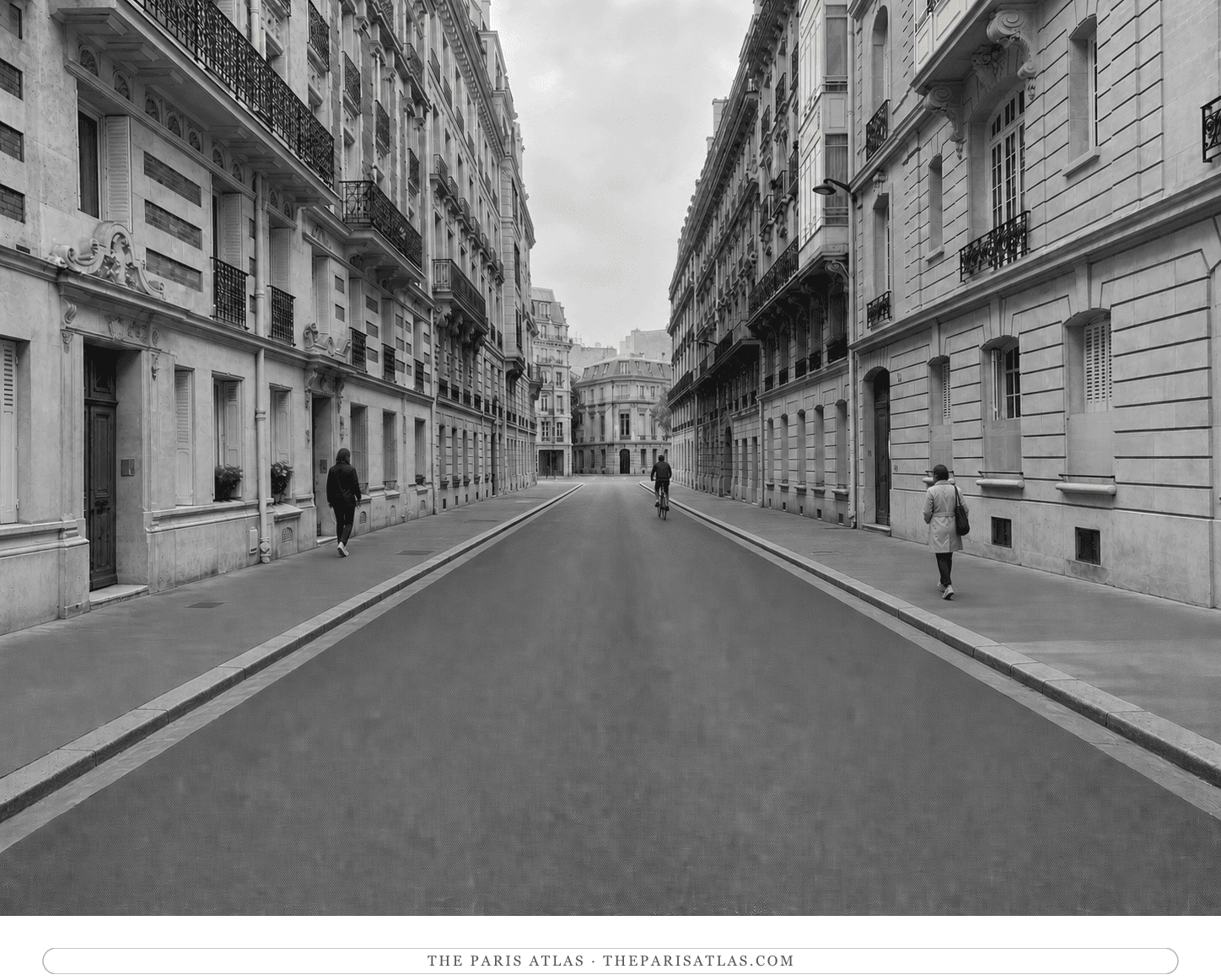
No historic interior is open, and the individual doorway has not been asserted from the map data. The page deliberately treats the location as a street-level record rather than pretending the coordinate identifies the family's exact rooms. Rue de Chaillot remains a public street in a wealthy residential and commercial quarter; the buildings are viewed from outside.
The portrait of Mette also belongs to a longer nineteenth-century tradition of artists painting family members because intimacy and availability allowed sustained observation. Gauguin had not yet built the public image that would make self-portraiture and distant subjects part of a manifesto. The sleeping figure is neither an ethnographic type nor an emblem of escape; she is a recognisable person occupying the furniture of their shared life.
Brokerage income did more than pay rent. It gave Gauguin access to exhibitions, materials and the ability to buy work by painters from whom he learned. A prosperous western address and serious interest in radical painting were not opposites. The emerging Impressionist market depended partly on buyers with precisely this kind of income, and Gauguin temporarily occupied both sides—as collector and would-be colleague.
The sequence of family moves records growing confidence before collapse. Each new home accommodated children and, eventually, dedicated work space. Painting expanded because the household could absorb its cost. When the market crisis removed the salary, the material structure supporting that expansion failed quickly, revealing that artistic independence had been subsidised by finance all along.
Mette's portrait makes the later separation harder to turn into abstraction. She had moved from Denmark, established homes in Paris and raised the children within a career arrangement that appeared stable. Gauguin's choice to continue as a full-time artist after the crash altered her life and work as well as his. The comfortable room in the painting preserves what the family stood to lose.
Because the exact number is not securely pinned, this history is not attached to an arbitrary present doorway. The correct current status is a public street lined with buildings, while the historical record places the family on rue de Chaillot. That distinction retains the useful geography and avoids offering false architectural certainty.
The address is also a reminder that early work can matter without predicting the mature style. Mette's sleeping portrait has value as a study of looking, domestic intimacy and the conditions under which Gauguin learned. It need not contain a hidden Tahiti to justify its place in the story. The gap between this quiet Paris room and the later public mythology is itself the evidence: an artist can change radically, while biographies built backward tend to erase the life from which the change began.
Gauguin paints Mette asleep on a sofa in the apartment.
In the family's apartment on the rue de Chaillot, in 1875, while he was still working at the Bourse.
The family apartment after the birth of their first child, and the setting of Paul Gauguin's 1875 painting of Mette asleep on a sofa.
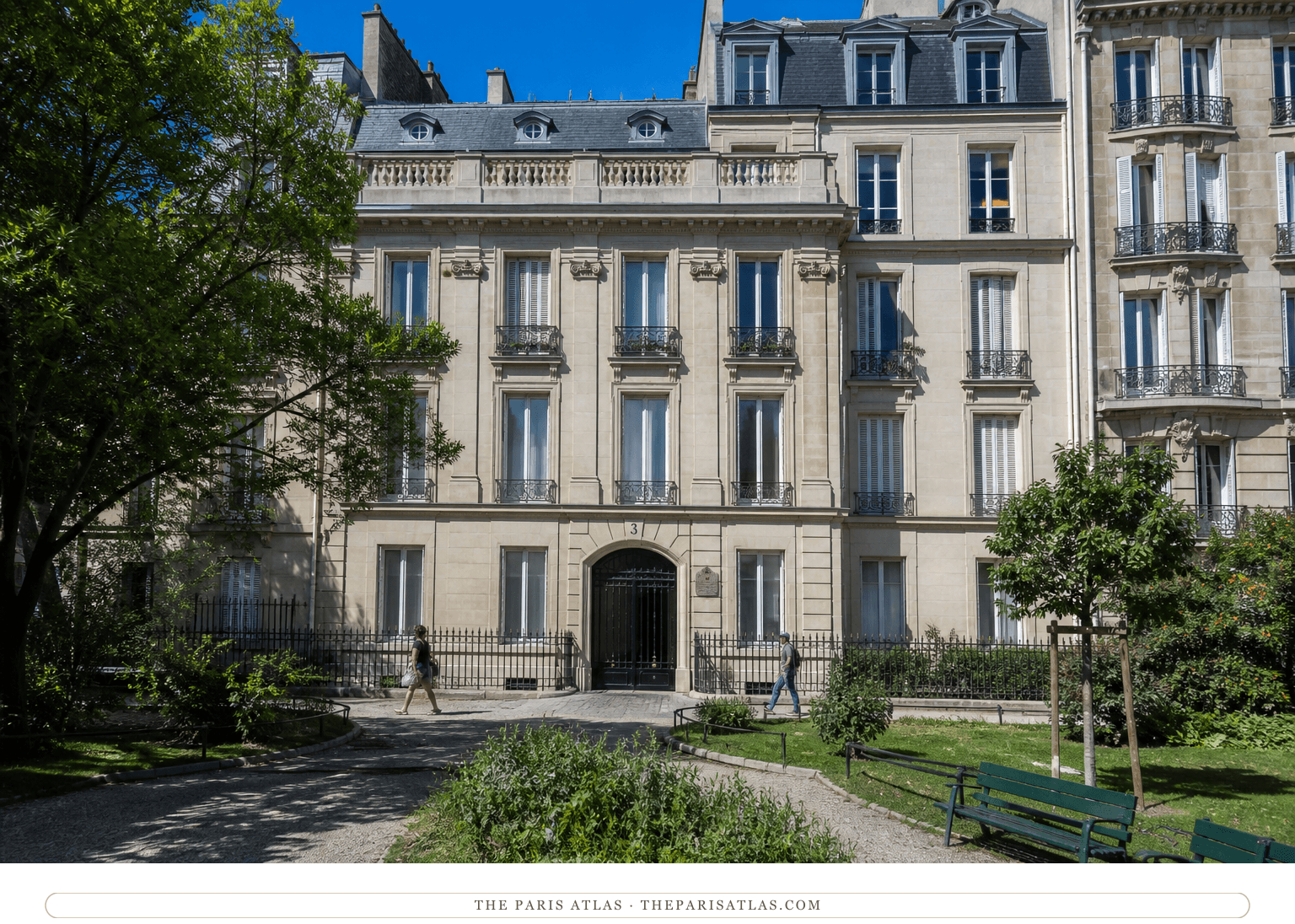
Where Edith Wharton stayed with her brother when she arrived in Paris in 1906 — the beginning of the move that would take her out of America permanently.
Visit the place
The address where the Jones family lived around 1868 to 1870, when the future Edith Wharton was a child of six or seven — the years that gave her fluent French and a lifelong sense that Europe was home.
Visit the place
Marcel Proust's last address, and the flat he hated. He moved here in 1919 when 102 boulevard Haussmann was sold out from under him, called it an ignoble hovel, finished correcting his novel here, and died in the building on 18 November 1922.
Visit the place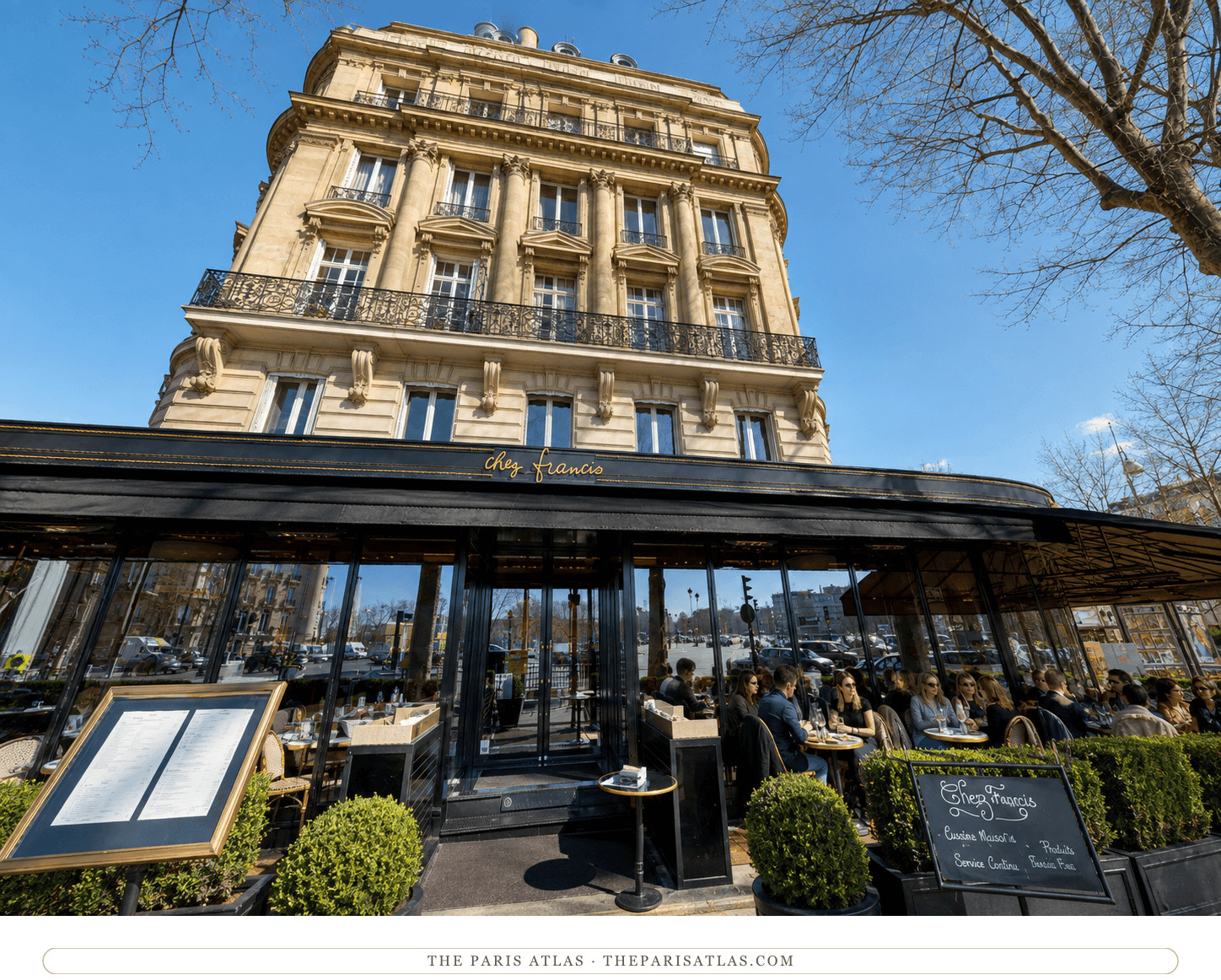
The brasserie on the Place de l'Alma that Cendrars scholarship names as one of the writer's regular stops — a Right Bank address in a café life mapped mostly through Montparnasse.
Visit the placeThe sources below include histories, archival materials, scholarly research, and official records that informed this page. They document 54 rue de Chaillot, the people connected to it, and its place in Paris.


Web source consulted for documented facts and historical context presented on the 54 rue de Chaillot page.
Web source consulted for documented facts and historical context presented on the 54 rue de Chaillot page.
Web source consulted for documented facts and historical context presented on the 54 rue de Chaillot page.
Web source consulted for documented facts and historical context presented on the 54 rue de Chaillot page.
These references provide the documented foundation for this page's history and context. Claim-level citations remain attached to the specific claims they support.
 Explore more resources
Newsletter
The cafés, studios, and walk-up flats where the work was made — one story from the map in every letter.