The Paris AtlasCharting the artists, works, and places worth returning to.
  • Filmmaker
· Belgian-French · 1928–2019

Agnès Varda

The photographer who made the first French New Wave film and never stopped — a Left Bank director whose sixty-year career ran from La Pointe Courte to an honorary Oscar, the first given to a woman director.

In images

Details

Lived
1928–2019
Born
30 May 1928
Birthplace
Ixelles, Belgium
Died
29 March 2019 · aged 90
Place of death
Paris
Nationality
Belgian-French
Married
Jacques Demy · 1962–1990
Children
Rosalie Varda, Mathieu Demy
Roles
Filmmaker
Also known as
Arlette Varda

About Agnès Varda

Agnès Varda made what is widely counted as the first film of the French New Wave — La Pointe Courte, in 1955, before Truffaut or Godard reached a feature — and kept working for another sixty-four years. Trained as a photographer, she led the movement's Left Bank wing, wrote her films as she shot them in a method she called cinécriture, and moved freely between fiction and documentary.

From a studio on the rue Daguerre she directed Cléo from 5 to 7, Vagabond, The Gleaners and I, and Faces Places, married the director Jacques Demy, and outlived nearly everyone she had started with. In 2017 the Academy gave her an honorary Oscar, the first awarded to a woman director; she died in Paris in 2019, still releasing films.

From photography to film

She was born Arlette Varda on 30 May 1928 in Ixelles, on the edge of Brussels, and changed her first name to Agnès at eighteen. In Paris she studied art history at the École du Louvre and photography at the École des Beaux-Arts, and from 1951 to 1961 worked as the official photographer for Jean Vilar's Théâtre National Populaire. She came to cinema from the still image rather than from the cinema clubs — by her own account she had seen only a handful of films when she made her first.

La Pointe Courte (1955)

At twenty-six, with almost no film experience, Varda directed La Pointe Courte in the fishing quarter of Sète, on the Mediterranean coast where she had spent part of the war. The film cuts between a couple working through their marriage and a near-documentary portrait of the village and its fishermen. The young Alain Resnais edited it.

Its loose structure, location shooting, and refusal of studio polish arrived four years before the movement broke, and critics have counted it ever since as the New Wave's first film — made by someone outside the Cahiers du cinéma circle that would soon take the credit. It gave Varda a claim the rest of the movement could not: she was there first.

Cléo from 5 to 7

Cléo from 5 to 7 (1962) is the film most people reach her through. It follows a pop singer across two hours of a Paris afternoon, close to real time, as she waits for the results of a cancer test — moving from the Right Bank to a park on the Left, from vanity toward attention to the world. Godard and Anna Karina appear in a silent comic short screened inside it. The film made Varda a name beyond France and stands with Breathless and The 400 Blows among the movement's landmarks.

The Left Bank, and Demy

Varda belonged to the New Wave's Left Bank wing — Alain Resnais, Chris Marker, and Jacques Demy — older than the Cahiers directors, formed in photography, journalism, and the theatre, drawn to essayistic and literary films. In 1962 she married Demy, the group's romantic, whose Umbrellas of Cherbourg would be sung from beginning to end. They stayed together until his death in 1990.

Her own films of the period kept crossing between registers: Le Bonheur (1965), a bright and unsettling study of a happy adulterer; Daguerréotypes (1976), a documentary of the shopkeepers on her own rue Daguerre; One Sings, the Other Doesn't (1977), which followed two women across the decade of the French abortion-rights fight. In 1977 she founded her production company, Ciné-Tamaris, at the same address.

Vagabond and the documentary turn

Vagabond (Sans toit ni loi, 1985) reconstructs the last weeks of a young drifter found frozen in a ditch, told backward through the people who met her. It won the Golden Lion at Venice and is often called her strongest fiction film. After Demy died in 1990 she filmed his childhood in Jacquot de Nantes, and increasingly turned to first-person documentary.

Shooting on early digital cameras, she made The Gleaners and I (2000), on the people who live off what others discard, and The Beaches of Agnès (2008), a self-portrait built from the shorelines of her life. Faces Places (2017), a road film made with the photographer JR, was nominated for the Academy Award for Best Documentary when she was 89.

Honors, and last films

Late recognition arrived in full: an honorary Palme d'or at Cannes in 2015, and in 2017 an Academy Honorary Award — the first ever given to a woman director. Her final film, Varda by Agnès (2019), was a filmed lecture on her own method, cinécriture, delivered as a summing-up.

Agnès Varda died of cancer at home in Paris on 29 March 2019, at 90, still working. She was buried in Montparnasse Cemetery, on the Left Bank whose cinema she had helped begin.

Life events

  1. 1928

    Born Arlette Varda on 30 May in Ixelles, Belgium.

  2. 1951–1961

    Official photographer for Jean Vilar's Théâtre National Populaire in Paris.

    Encyclopaedia Britannica — Agnès Varda (French director)

  3. 1955

    Directs La Pointe Courte, edited by Alain Resnais — widely counted the first French New Wave film.

    Encyclopaedia Britannica — Agnès Varda (French director)

  4. 1962

    Cléo from 5 to 7 makes her name; marries Jacques Demy.

  5. 1965–1977

    Le Bonheur, Daguerréotypes, and One Sings, the Other Doesn't; founds Ciné-Tamaris on the rue Daguerre.

  6. 1985

    Vagabond wins the Golden Lion at Venice.

  7. 1991

    Films Demy's childhood in Jacquot de Nantes, a year after his death.

  8. 2000–2008

    The Gleaners and I and The Beaches of Agnès mark her turn to first-person documentary.

  9. 2017

    Faces Places is nominated for the Best Documentary Oscar; she receives an Academy Honorary Award, the first for a woman director.

    Encyclopaedia Britannica — Agnès Varda (French director)

  10. 2019

    Releases Varda by Agnès; dies of cancer in Paris on 29 March, at 90; buried in Montparnasse Cemetery.

    Encyclopaedia Britannica — Agnès Varda (French director)

Selected works

Cataloged from the holding institutions' records. Reproductions appear only where the rights are verified.

Cinema

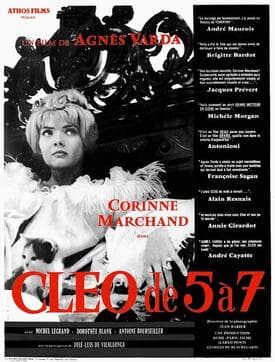
Release poster for Cléo de 5 à 7: Corinne Marchand as Cléo above the film's title, in the 1962 Left Bank release artwork

Archival photograph

Film

Cléo from 5 to 7

1962 · 35 mm feature film, black and white with a colour prologue

Agnès Varda's second feature follows a pop singer through ninety near-real-time minutes of a Paris afternoon as she waits for a medical result that may be cancer. Corinne Marchand's Cléo begins the film as a superstitious beauty watched by everyone and ends it seeing the city — and herself — clearly. A landmark of the Left Bank New Wave and one of the founding films of the female gaze, it is the film most viewers reach Varda through.
Agnès Varda, Cléo from 5 to 7, 1962. Image © the rights holder, shown under fair use.

People they knew

Documented connections — every one carries its source.

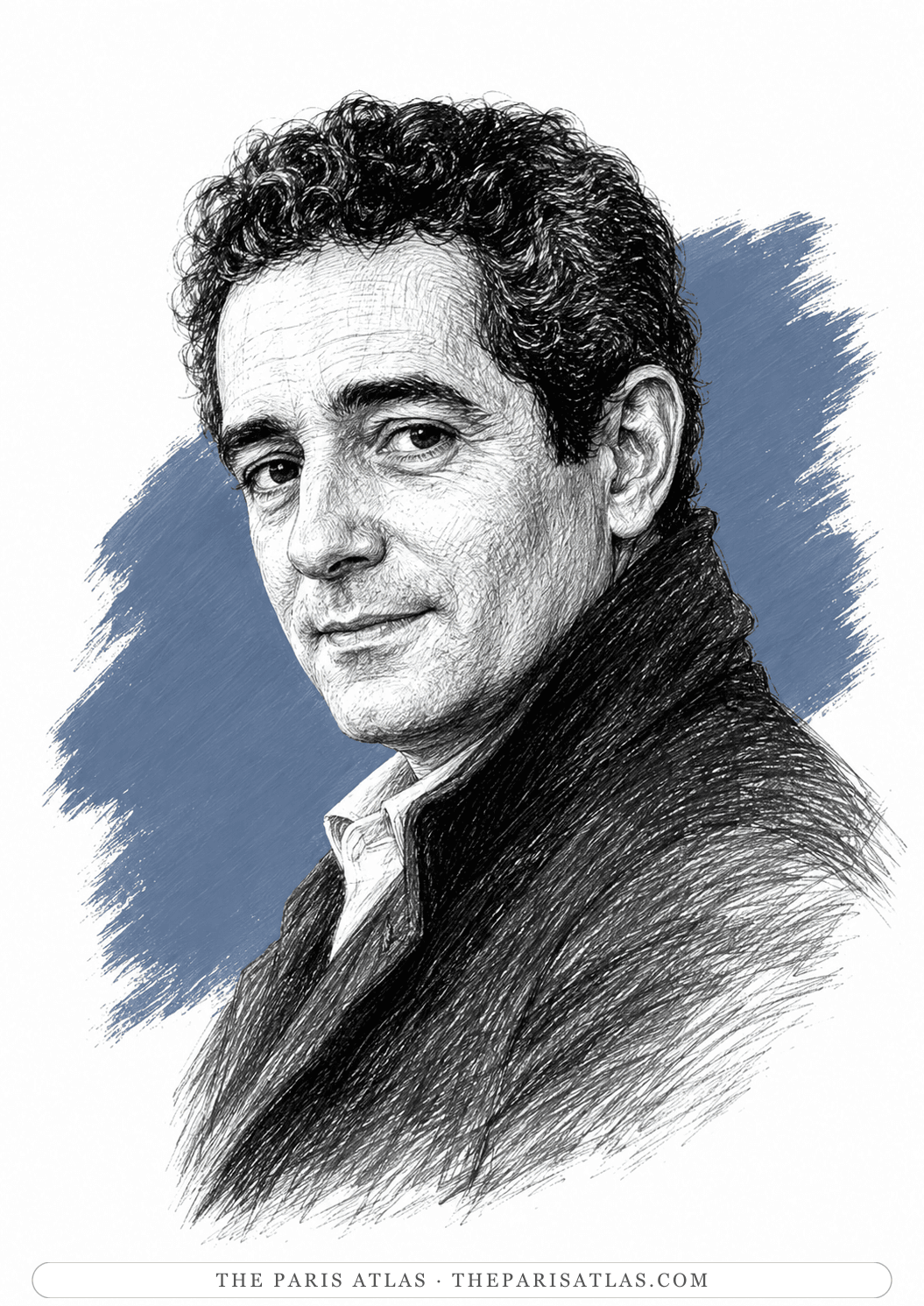
Illustrated portrait of Jacques Demy

Jacques Demy

  • Filmmaker

Married to · 1962–1990

Married in 1962 and together until Demy's death in 1990. Two filmmakers of the movement's Left Bank wing; after he died she reconstructed his childhood in Jacquot de Nantes (1991) and tended his work for the rest of her life.

Encyclopaedia Britannica — Agnès Varda (French director)

Movements

The artistic and literary currents this life ran through.

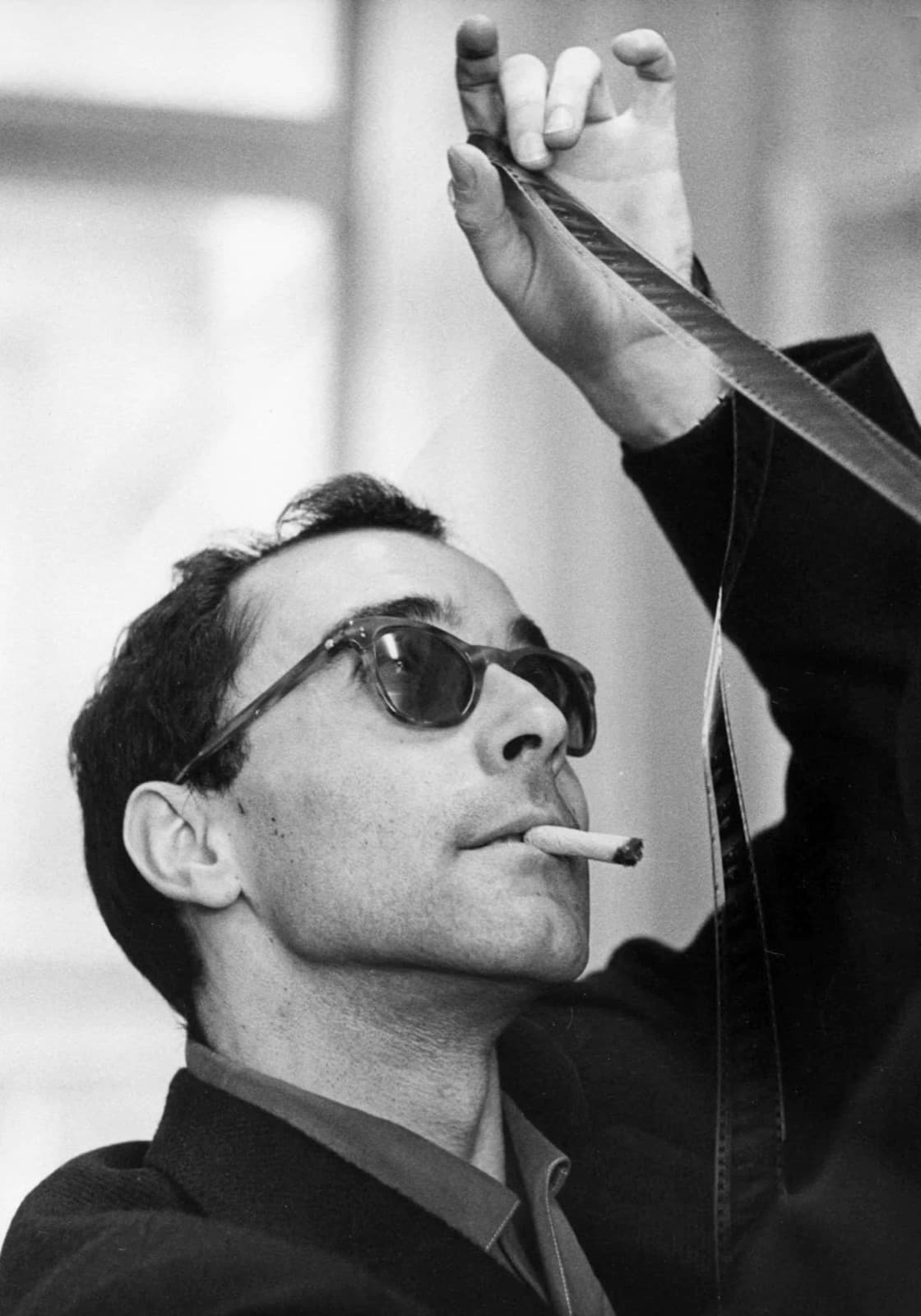
Young Jean-Luc Godard in dark glasses, cigarette in his mouth, holding a strip of film up to the light with both hands

Film movement · c. 1958–1968

The French New Wave

Her debut feature La Pointe Courte (1955) is widely counted as the first New Wave film, made before the Cahiers directors reached features. She led the movement's Left Bank wing — older, drawn from photography and the other arts, more essayistic — alongside Resnais, Marker, and Demy. No end year: she kept making films into 2019.

Encyclopaedia Britannica — Agnès Varda (French director); Encyclopaedia Britannica — New Wave (French film movement)

Questions about Agnès Varda

Who was Agnès Varda?

A Belgian-French filmmaker (1928–2019) regarded as a founder of the French New Wave and the leading figure of its Left Bank wing. A trained photographer, she directed fiction and documentary across more than sixty years and in 2017 became the first woman director to receive an honorary Academy Award.

What are Agnès Varda's most famous films?

Cléo from 5 to 7 (1962), Le Bonheur (1965), One Sings, the Other Doesn't (1977), Vagabond (1985), The Gleaners and I (2000), The Beaches of Agnès (2008), and Faces Places (2017). Her debut, La Pointe Courte (1955), is often called the first New Wave film.

Was La Pointe Courte the first French New Wave film?

It is widely counted as such. Varda made it in 1955, four years before the movement's breakthrough, and its location shooting and loose structure anticipated what the Cahiers du cinéma directors would do later — though Varda herself came from outside that circle.

Was Agnès Varda married to Jacques Demy?

Yes. She married the director Jacques Demy — known for The Umbrellas of Cherbourg — in 1962, and they remained together until his death in 1990. After he died she reconstructed his childhood in the film Jacquot de Nantes (1991).

How and when did Agnès Varda die?

She died of cancer at home in Paris on 29 March 2019, aged 90, still making films. She is buried in Montparnasse Cemetery.

Sourced claims

Every connection the graph holds for Agnès, with the evidence behind it.

Associated with · 1955

The French New Wave

Her debut feature La Pointe Courte (1955) is widely counted as the first New Wave film, made before the Cahiers directors reached features. She led the movement's Left Bank wing — older, drawn from photography and the other arts, more essayistic — alongside Resnais, Marker, and Demy. No end year: she kept making films into 2019.

Encyclopaedia Britannica — Agnès Varda (French director); Encyclopaedia Britannica — New Wave (French film movement)

Married to · 1962–1990

Jacques Demy

Married in 1962 and together until Demy's death in 1990. Two filmmakers of the movement's Left Bank wing; after he died she reconstructed his childhood in Jacquot de Nantes (1991) and tended his work for the rest of her life.

Encyclopaedia Britannica — Agnès Varda (French director)