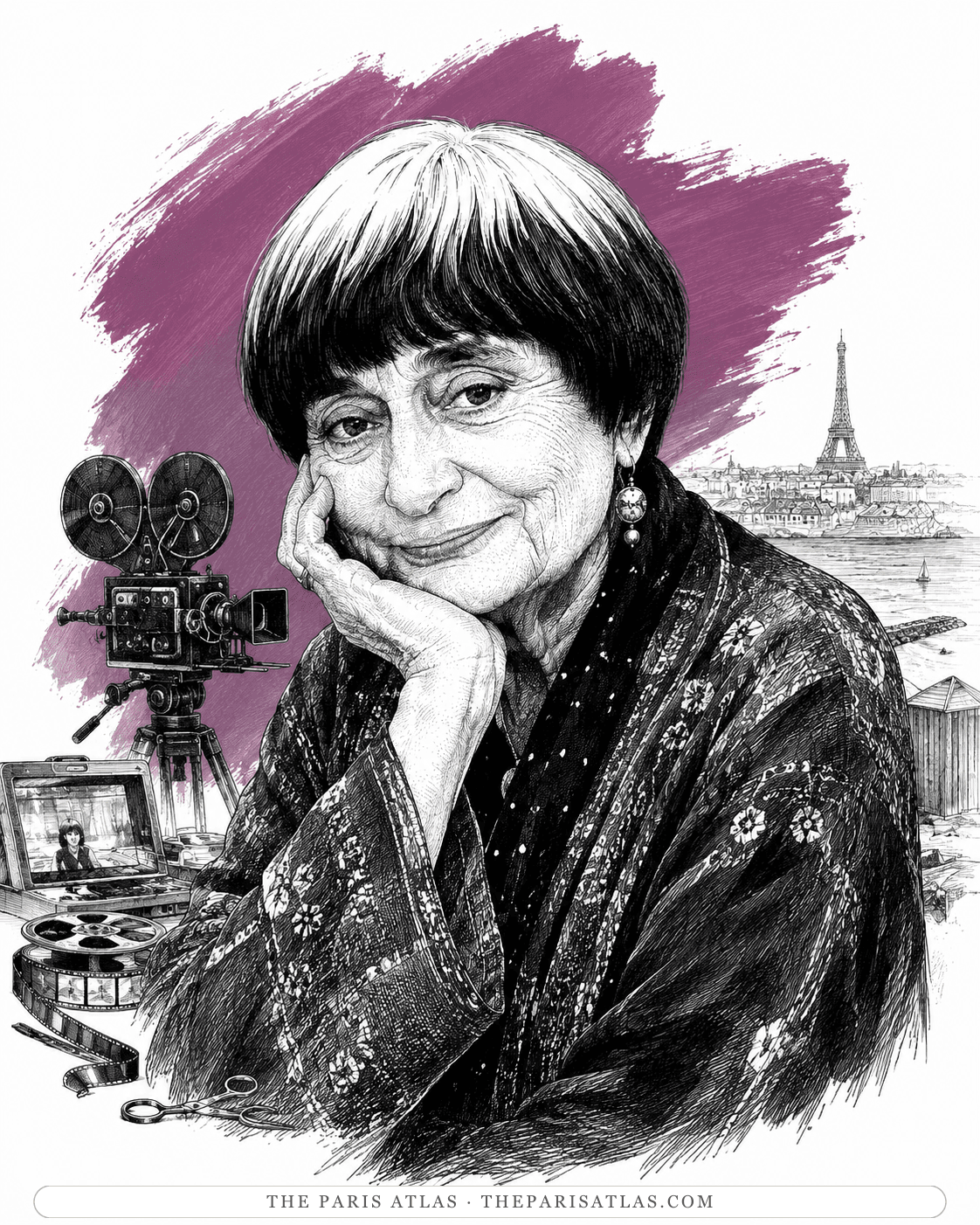
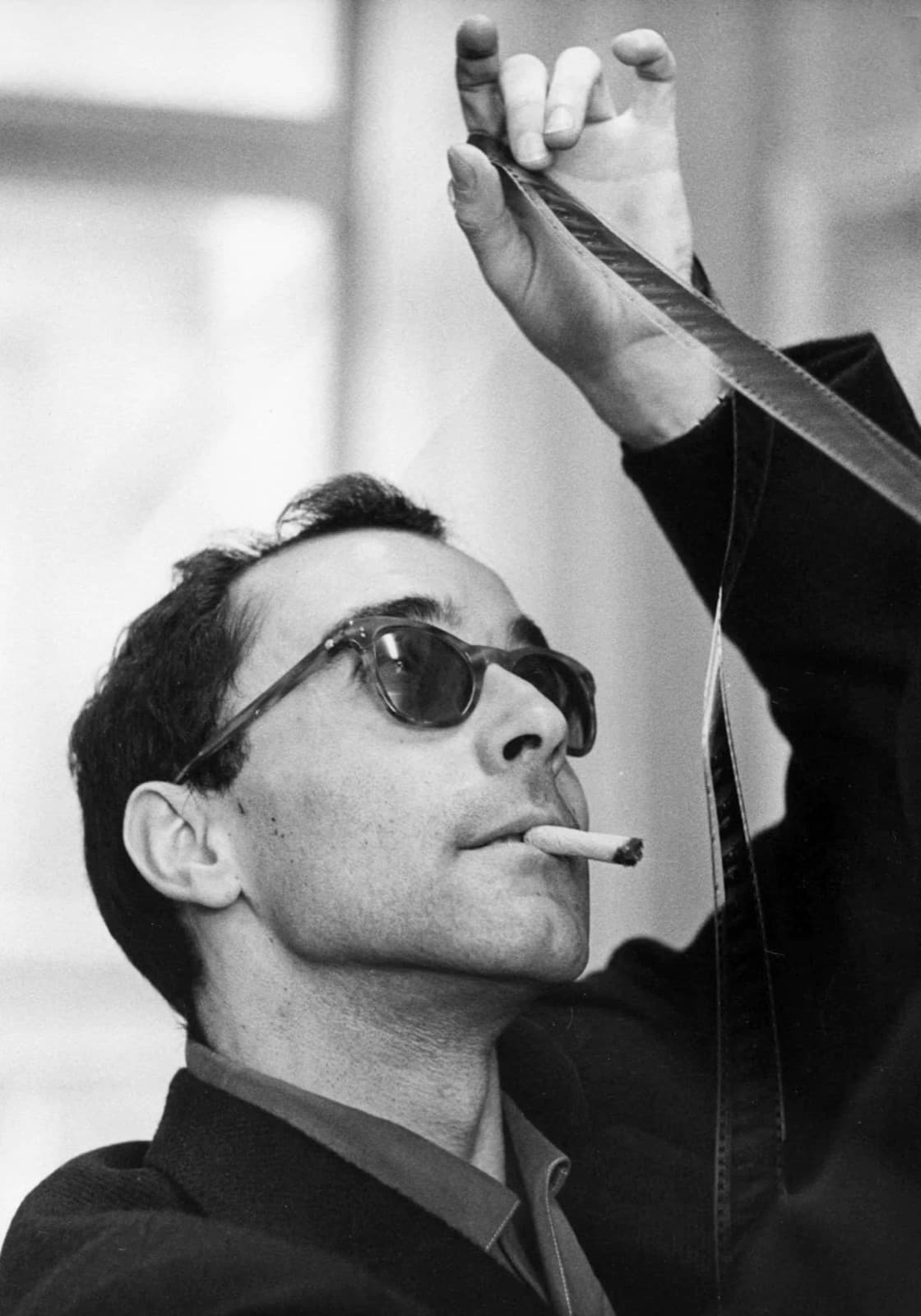
Associated with · 1962
The French New Wave
The signature film of the movement's Left Bank wing: Agnès Varda's near-real-time portrait of a Paris afternoon, made by a founder of the New Wave and widely taught as one of its landmarks.
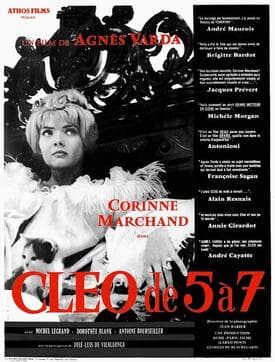
by Agnès Varda
Agnès Varda's second feature follows a pop singer through ninety near-real-time minutes of a Paris afternoon as she waits for a medical result that may be cancer. Corinne Marchand's Cléo begins the film as a superstitious beauty watched by everyone and ends it seeing the city — and herself — clearly. A landmark of the Left Bank New Wave and one of the founding films of the female gaze, it is the film most viewers reach Varda through.
5 p.m. to 6.30 p.m.
The film runs ninety minutes and covers, almost minute for minute, an hour and a half of a single afternoon. Varda divides it into short chapters, each headed with a character's name and a clock time, so the audience feels the wait exactly as Cléo does — the clock is the plot.
The title plays on a French idiom. “Cinq à sept” names the late-afternoon hours traditionally kept for a lover; Varda spends them instead on a woman waiting to learn whether she is dying. It is the first of the film's reversals — and, strictly, a small joke on itself, since the action really runs from about five to half past six.
A tarot reading opens the film, in its only passage of colour: the cards frighten Cléo Victoire, a successful pop singer, who is waiting on the result of a biopsy. For the next hour and a half she moves through Paris — a café, a hat shop, a taxi, her own apartment — trailed by her superstition and her fear.
At home she rehearses with her songwriters, one of them played by the composer Michel Legrand, and the session cracks open on a song, “Sans toi,” that she suddenly performs straight to camera. She leaves, sits with her friend Dorothée, drifts through Montparnasse, and comes to rest in the Parc Montsouris, where she meets Antoine, a young soldier on leave from the Algerian War. He walks her to the hospital. The doctor confirms the illness but tells her treatment will begin, and she is, unexpectedly, calm.
The film's real subject is the change named in that arc. Cléo begins as an object — watched by strangers, by mirrors, by her entourage, and by the camera — and vain and passive because of it. As the afternoon wears on she starts to look back: at other faces, at the city, at the war in the newspapers, at her own mortality. Critics have long read it as one of the founding films of the female gaze, a woman shown becoming a seeing subject in real time.
Varda, a photographer before she was a filmmaker, builds the change out of looking itself — point-of-view shots, tracking shots that follow Cléo rather than display her, and documentary faces caught on the real streets of Paris.
Cléo from 5 to 7 is the signature film of the New Wave's Left Bank wing — the group around Varda, Alain Resnais, and Chris Marker, older and more essayistic than the Cahiers du cinéma directors. Michel Legrand wrote the score and appears on screen, Jean Rabier shot it, and Georges de Beauregard and Carlo Ponti produced it.
Midway through, Cléo and Dorothée watch a silent comic short made for the film, “Les fiancés du pont MacDonald,” cast with Varda's New Wave friends — Jean-Luc Godard and Anna Karina among them, alongside Eddie Constantine, Sami Frey, and Jean-Claude Brialy. It is the movement waving at itself inside one of its own films.
What is still there
Because the film runs close to real time, its geography is not decorative — it is the clock. Cléo crosses Paris from the Right Bank to the Left over ninety minutes, and every stop is a real address you can still walk to. This is the sequence, with what stands there now.
She breaks down in a café that was then called Ça va, ça vient, at 24 rue des Bourdonnais in the 1st. The café is gone and the building is anonymous now. From there to the hat shop at 128 rue de Rivoli, which is no longer a milliner but is still selling clothes.
Her own flat is 3 rue Huyghens in the 14th, and its exterior is unchanged — you can stand in front of the door she comes out of. The pharmacy she visits on the boulevard du Montparnasse has shifted round onto the corner.
Then Le Dôme on the boulevard du Montparnasse, the café Hemingway and the Montparnasse painters had used a generation earlier. It has changed a great deal since 1962 but is still recognisably itself, and it is the point where the film's Paris and the writers' Paris turn out to be the same room.
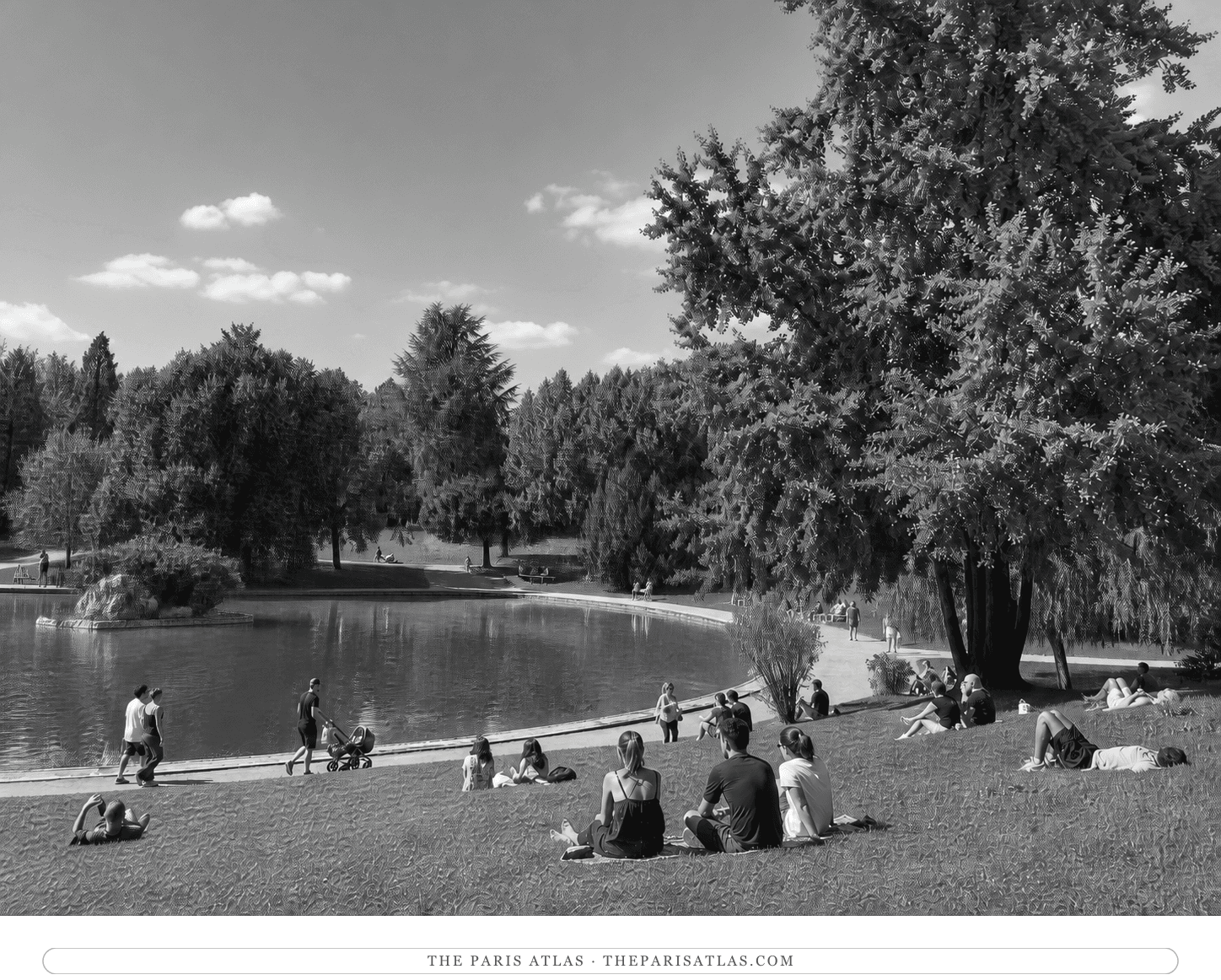
The long central sequence is in Parc Montsouris in the 14th — a park laid out in a worked-out quarry, which is a quietly apt setting for a woman spending an afternoon waiting to learn whether she is ill. The Palais du Bardo, glimpsed on the way in, burned down in the 1990s; the waterfall where she meets the soldier Antoine is still there.
The film ends at the Hôpital de la Salpêtrière in the 13th, which the BFI records as unchanged. It is a working hospital rather than a location to wander into, but the façades Varda shot are the façades that stand.
1962–
The film competed for the Palme d'Or at Cannes in 1962 and established Varda internationally at thirty-four — the first fully achieved feature by the director who would become the leading woman of French cinema.
It has never left the canon. Restored and distributed by the Criterion Collection, it is now among the most-taught films of the movement, a fixture of courses on the New Wave and on the gaze. It is the Left Bank's answer to Breathless: a Paris film about looking, made by the movement's founding woman.
1961
Varda shoots the film across a Paris summer, on the Left Bank and around Montparnasse.
11 April 1962
Released in France.
1962
Competes for the Palme d'Or at Cannes; Varda's international breakthrough at thirty-four.
1962
A silent short made for the film, “Les fiancés du pont MacDonald,” puts Godard, Karina, and other New Wave friends on screen inside it.
2000s–
Restored and released by the Criterion Collection; enters the standard teaching canon of the New Wave and of the female gaze.
A pop singer, Cléo, waits out an afternoon in Paris for a medical result that may be cancer. Over roughly ninety near-real-time minutes she moves from vain self-absorption to really seeing the city, and herself. Agnès Varda directed it in 1962.
“Cinq à sept” is a French idiom for the late-afternoon hours traditionally reserved for a lover's rendezvous. Varda uses them instead for a woman awaiting a possible death sentence — though the film actually runs from about five to half past six.
Almost. Its ninety minutes track an hour and a half of one afternoon nearly continuously, divided into short chapters headed with clock times, so the audience shares Cléo's wait.
Yes — in a silent comic short screened within the film, “Les fiancés du pont MacDonald,” alongside Eddie Constantine, Sami Frey, and Jean-Claude Brialy.
On location across Paris, and the addresses are traceable: a café at 24 rue des Bourdonnais in the 1st, a hat shop at 128 rue de Rivoli, Cléo's flat at 3 rue Huyghens in the 14th, Le Dôme on the boulevard du Montparnasse, Parc Montsouris, and the Hôpital de la Salpêtrière in the 13th.
Most of them. The rue Huyghens flat exterior, Parc Montsouris and the Salpêtrière are all still there, and Le Dôme is still trading on the boulevard du Montparnasse. The café at 24 rue des Bourdonnais has gone, and the Palais du Bardo in Parc Montsouris burned down in the 1990s. The route works as a walk because the film's real-time structure means the distances are honest.
It is a landmark of the Left Bank French New Wave and one of the founding films of the female gaze — a woman shown becoming a seeing subject rather than a watched object — and the film that established Agnès Varda internationally.
Cléo from 5 to 7 — re-release trailer (Rio Cinema)
Associated with · 1962
The signature film of the movement's Left Bank wing: Agnès Varda's near-real-time portrait of a Paris afternoon, made by a founder of the New Wave and widely taught as one of its landmarks.
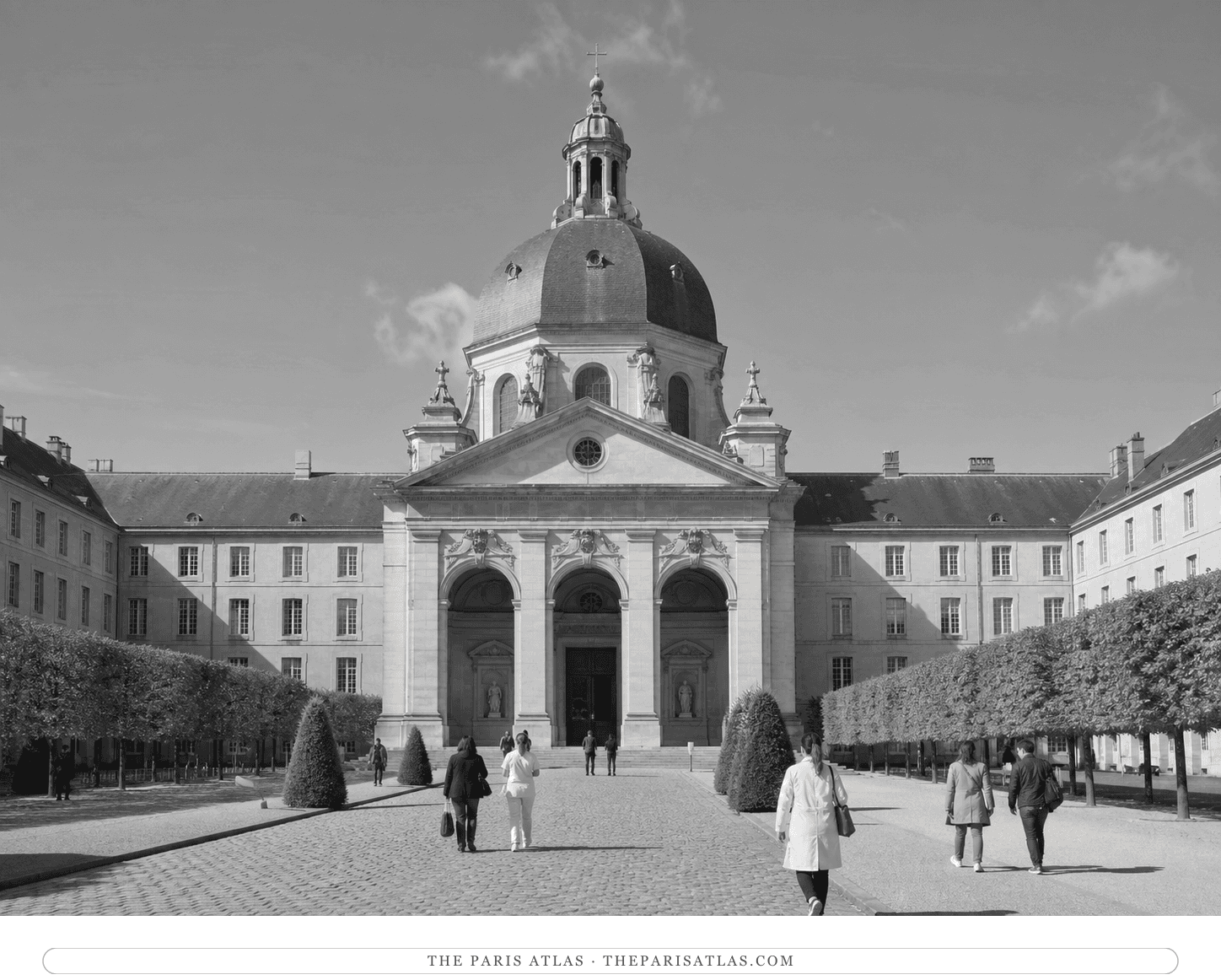
Set at · 1962
Varda shot the film on location across Paris in close to real time, so its addresses are the film's clock rather than its decoration.
Set at · 1962
Varda shot the film on location across Paris in close to real time, so its addresses are the film's clock rather than its decoration.
Explore directors from the same movements and circles.
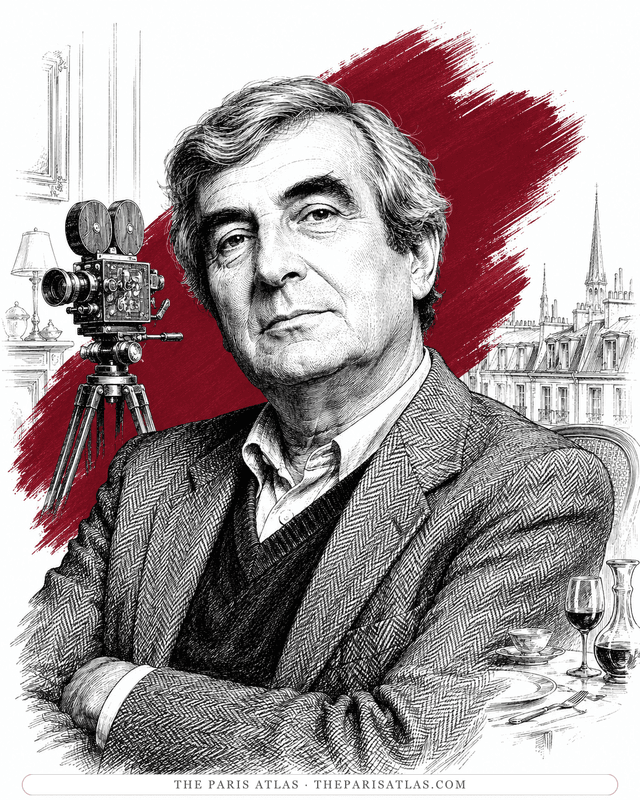
The Cahiers du cinéma critic who reached the screen first: his 1958 debut Le Beau Serge was the first feature from the group that made the New Wave. Over fifty years he became the 'French Hitchcock,' anatomist of the provincial bourgeoisie.
View artist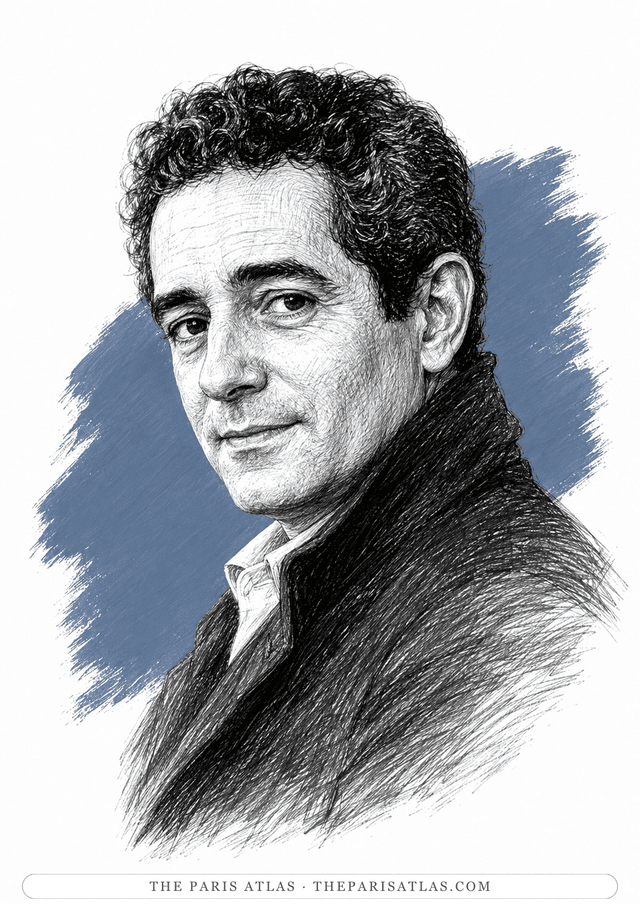
The French New Wave's romantic — the director of The Umbrellas of Cherbourg, who set the movement's freedoms to song and colour, and Agnès Varda's husband from 1962 until his death.
View artist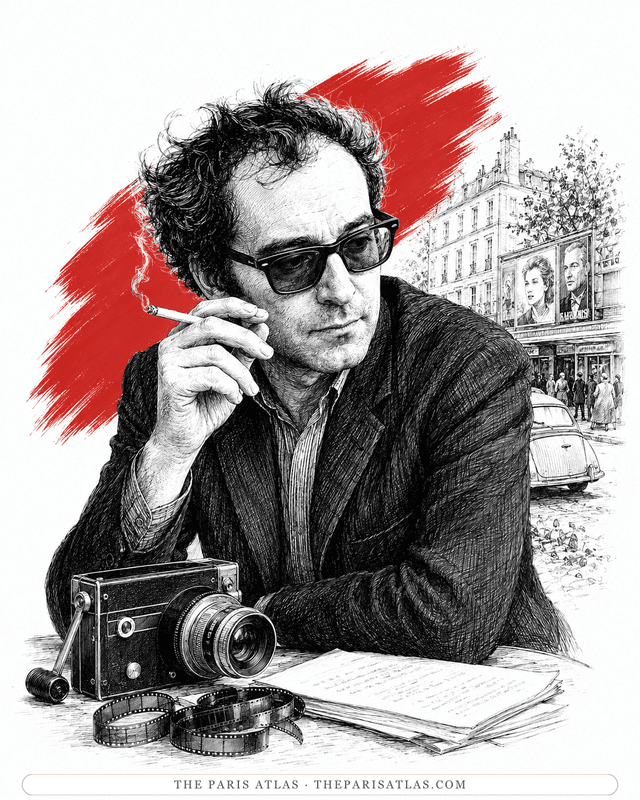
The Cahiers du cinéma critic who became the French New Wave's most recognizable director, then spent six decades taking apart and rebuilding the language of film.
View artistThe sources below include collection records, catalogues, scholarly research, and primary materials that informed this page. They document Cléo from 5 to 7, its making, and its place in cultural history.

The BFI's location-by-location survey of the film's Paris addresses and what stands at each of them today.

Web source consulted for documented facts and historical context presented on the Cléo from 5 to 7 page.
Web source consulted for documented facts and historical context presented on the Cléo from 5 to 7 page.
Web source consulted for documented facts and historical context presented on the Cléo from 5 to 7 page.
These references provide the documented foundation for this work's history and interpretation. Claim-level citations remain attached to the specific claims they support.
 Explore more resources