Set here
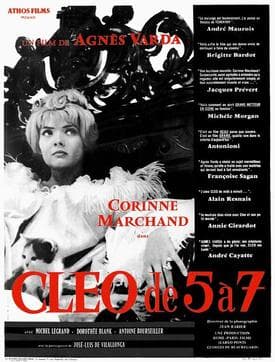
Cléo from 5 to 7
Varda shot the film on location across Paris in close to real time, so its addresses are the film's clock rather than its decoration.
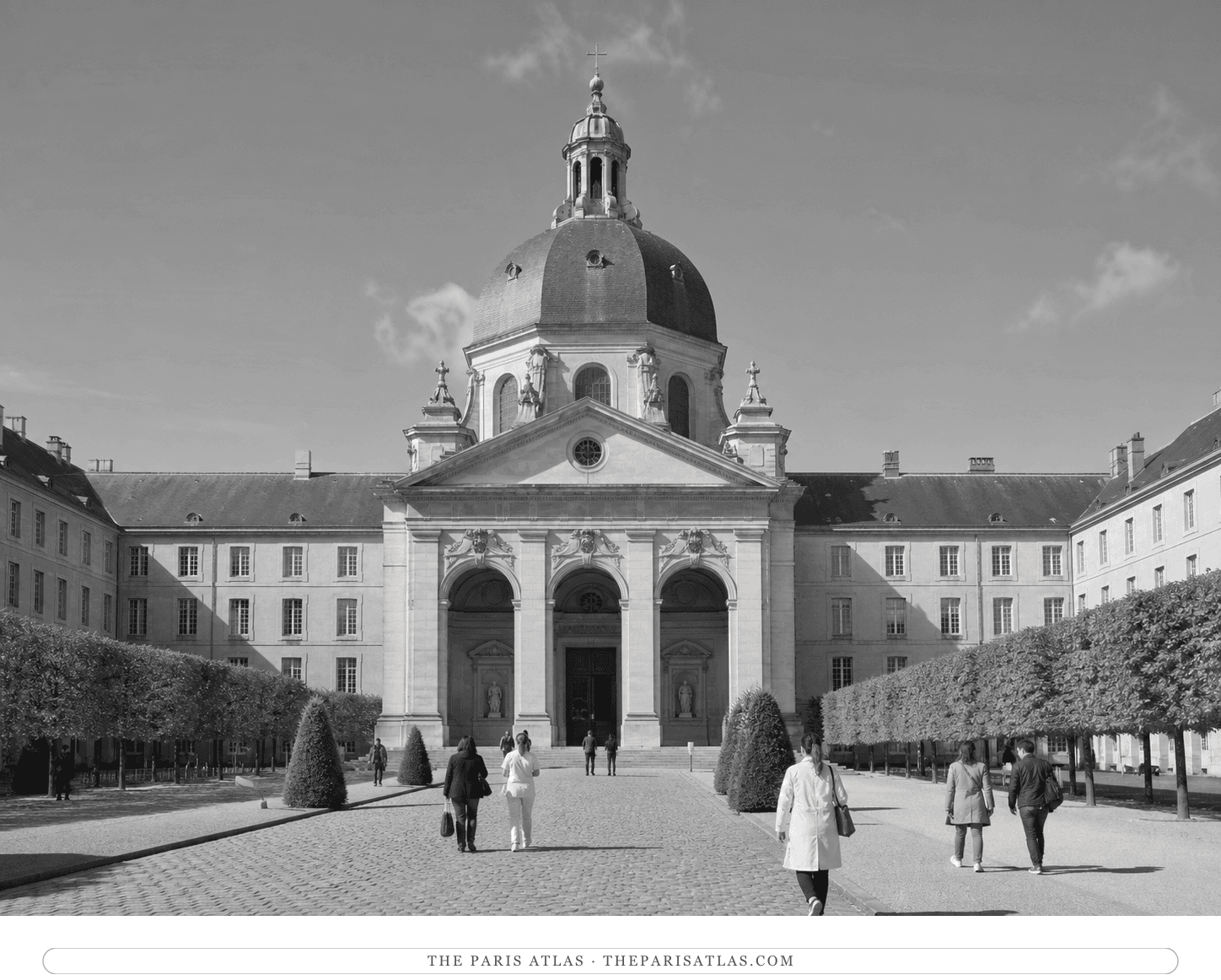
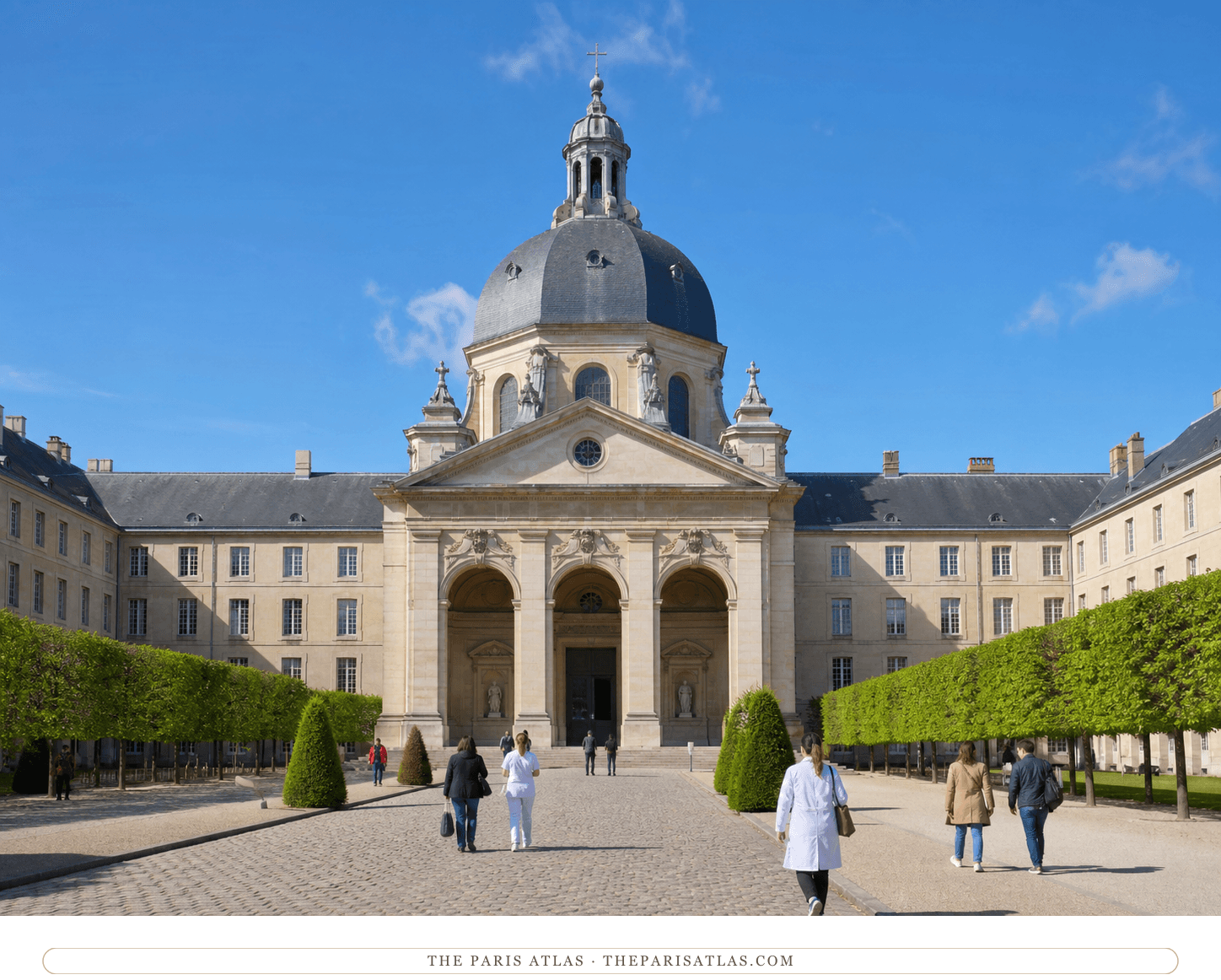
A vast hospital in the 13th arrondissement, founded by Louis XIV's edict of 1656 on the site of a gunpowder works — which is where the name comes from. It became the place where modern neurology was invented, in Charcot's public lectures on hysteria, and it holds Libéral Bruant's extraordinary Greek-cross chapel of 1678.
The name is the first thing to explain, because it has nothing to do with medicine. The site east of Paris, outside the walls, held the Petit Arsenal, where saltpetre — salpêtre — was manufactured for gunpowder. When Louis XIV moved that work to Vincennes, the buildings were free, and they were given to something else entirely.
On 27 April 1656 Louis XIV signed the edict creating the Hôpital Général de Paris. Its purpose was not primarily medical. It was an instrument of public order: the beggars, the poor and the various marginal people whose growing numbers were held to be disrupting the capital were to be gathered and confined. Some 33 hectares of the Salpêtrière enclosure passed into it, and the barns where saltpetre had been made were quickly judged inadequate for the numbers arriving.[1]
For much of its first century and a half the Salpêtrière was, in effect, a place where women the state had no other plan for were put — the destitute, the old, the insane, prostitutes. That is the institution's foundation, and no account of it that skips straight to the great neurologists is telling the truth about the building.[1]
The chapel was the grand gesture. In 1669 Louis XIV commissioned his first architect, Louis Le Vau, to design a monumental chapel dedicated to Saint Louis. Le Vau drew the plan and died in 1670; the work passed to Libéral Bruant, the architect of the Invalides, and the main structure was finished in 1678. It is built on a Greek cross — an unusual choice for a chapel of the period — with each arm running nearly 24 metres, four octagonal chapels set into the angles between them, and a choir 35 metres high at the crossing. The plan let separate categories of inmate attend the same mass without meeting each other, which tells you a good deal about how the hospital was run.[2]
In the second half of the nineteenth century the Salpêtrière became the most famous neurological institution in the world, because of Jean-Martin Charcot. His public lectures on hysteria drew large audiences of specialists and onlookers, and included demonstrations in which he hypnotised patients — the best known of them Blanche Wittman — to produce the symptoms he was describing. The scene was painted, and the painting became one of the defining images of nineteenth-century medicine.[3]
Charcot's teaching is where a great deal of modern neurology begins, and it is also where the study of hysteria takes the turn that runs on into psychoanalysis. The ethics of those demonstrations — women exhibited before an audience to illustrate a lecture — have been argued over ever since, and the argument is part of what the place is.[3]
The hospital is still a working hospital, now the Pitié-Salpêtrière, one of the largest in Europe. Cléo from 5 to 7 ends here: it is where Cléo goes for the result she has spent the afternoon waiting for, and the BFI notes that the façades Varda filmed are unchanged.
The site holds the Petit Arsenal, producing saltpetre for gunpowder; the work is later moved to Vincennes.
Louis XIV signs the edict creating the Hôpital Général de Paris; the Salpêtrière enclosure passes into it.
Louis XIV commissions Louis Le Vau to design a monumental chapel dedicated to Saint Louis.
Le Vau dies having drawn only the plan; Libéral Bruant, architect of the Invalides, takes the work on.
The Chapelle Saint-Louis is completed.
Jean-Martin Charcot's lectures on hysteria draw large public audiences and make the hospital world-famous.
Agnès Varda films the ending of Cléo from 5 to 7 at the hospital.
Because the site was a gunpowder works. Before it was a hospital it held the Petit Arsenal, where saltpetre — salpêtre in French — was manufactured for gunpowder. Louis XIV moved that production to Vincennes, and the empty buildings were turned over to the new Hôpital Général.
By an edict Louis XIV signed on 27 April 1656 creating the Hôpital Général de Paris. Its original purpose was not medical treatment but confinement: gathering up the beggars, the poor and the insane whose numbers were held to be disturbing the capital. For much of its early history it housed women the state had no other provision for.
Jean-Martin Charcot was the neurologist who made the Salpêtrière the most famous institution of its kind in the world. His public lectures on hysteria drew large audiences and included demonstrations in which he hypnotised patients — Blanche Wittman the best known — to produce the symptoms under discussion. Much of modern neurology begins with his teaching, and the ethics of those public demonstrations have been debated ever since.
It is a working teaching hospital, so the wards are not open to visitors. The grounds and the exterior of the Chapelle Saint-Louis can be seen, and the chapel is used for exhibitions, which is the usual way in. Treat it as a building to look at rather than a monument to tour.
The Chapelle Saint-Louis was begun by Louis Le Vau in 1669 and completed by Libéral Bruant, the architect of the Invalides, in 1678. It is built on a Greek cross with arms of nearly 24 metres and a choir 35 metres high, with four octagonal chapels set into the angles — a plan that allowed different categories of inmate to attend the same mass without mixing.
It is where Agnès Varda's Cléo from 5 to 7 (1962) ends — the hospital Cléo goes to for the medical result she has spent the film waiting for. The BFI records that the façades Varda filmed are unchanged today.
Set here
Varda shot the film on location across Paris in close to real time, so its addresses are the film's clock rather than its decoration.
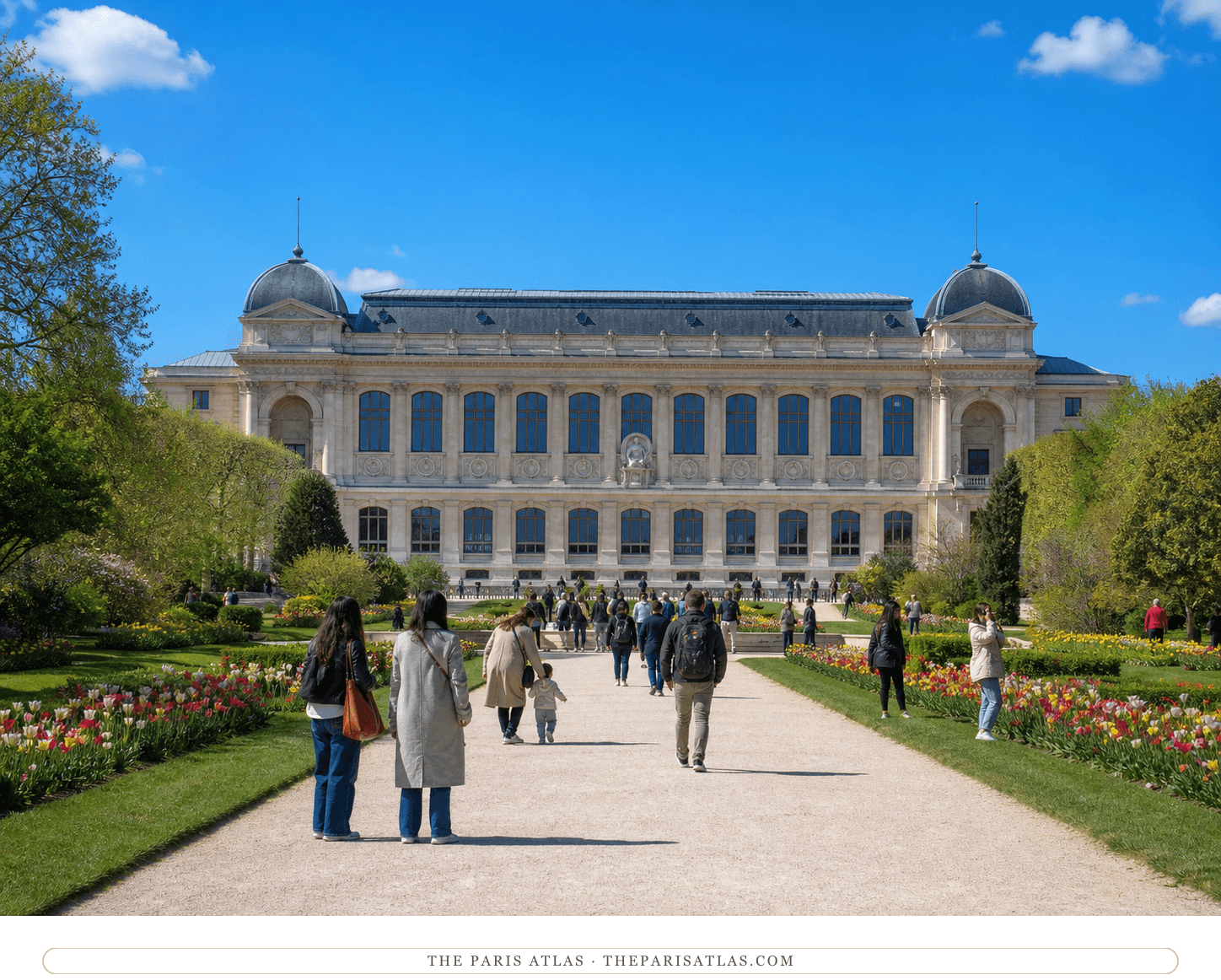
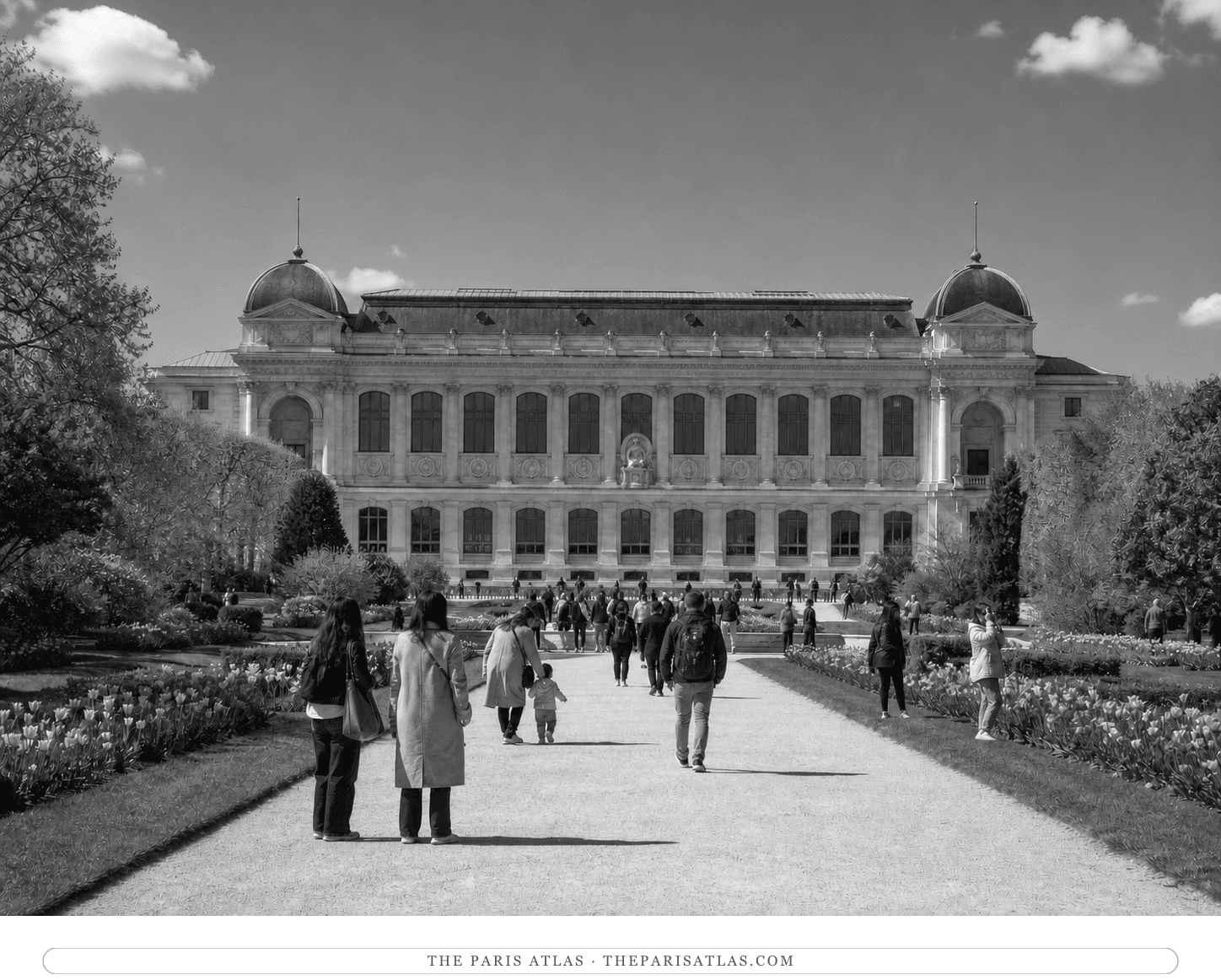
Paris's botanical garden, at the bottom of the Latin Quarter by the Seine — free to walk into, with the natural history galleries and a small menagerie inside it. It is also where George Orwell spent one of the worst days of his Paris poverty, too hungry to think about anything but food.
Visit the place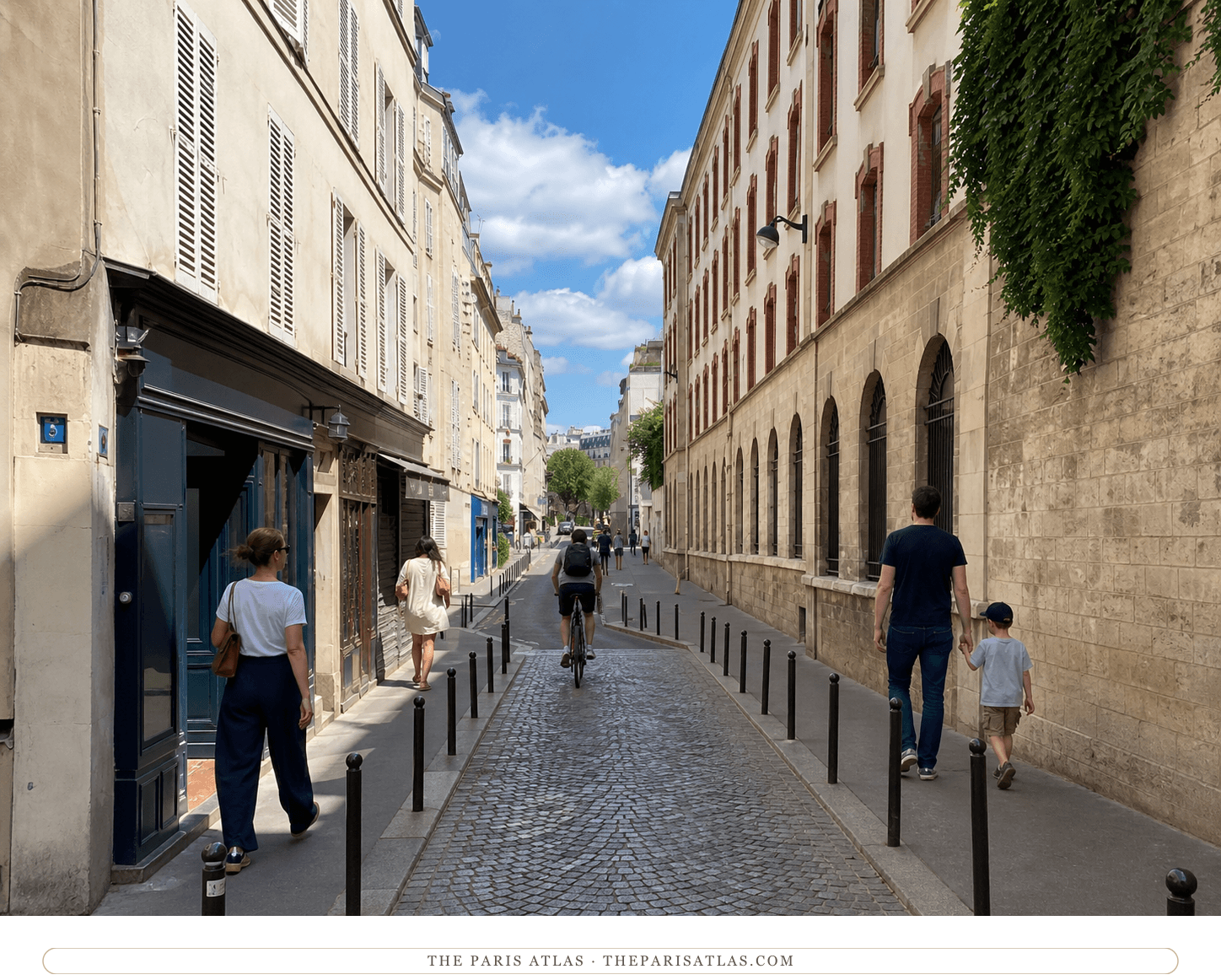
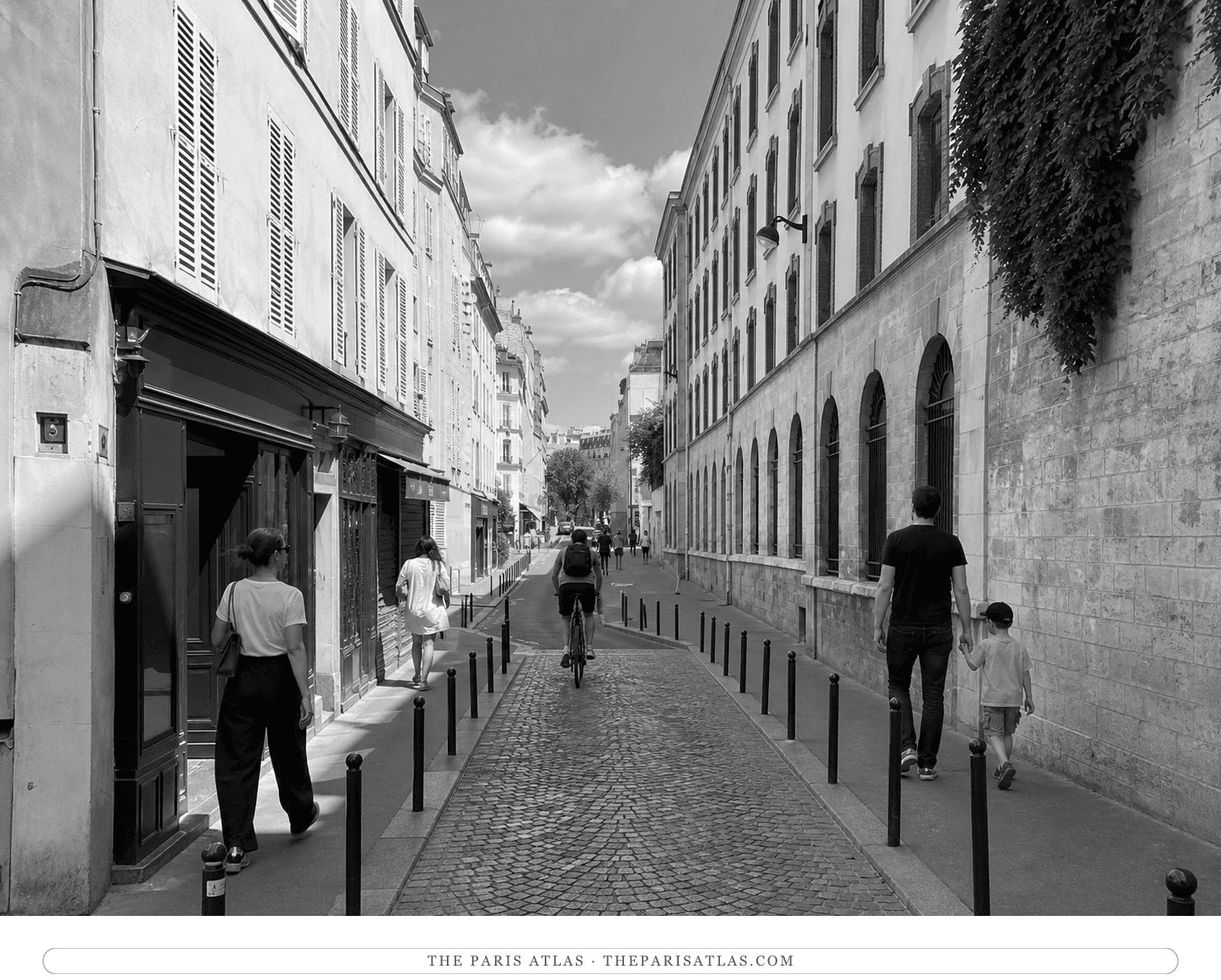
A quiet street in the lower Latin Quarter, running down from the Val-de-Grâce towards the Gobelins. In Down and Out in Paris and London it is where George Orwell — sixty hours without food and twelve kilometres into a wasted walk — spots a five-sou piece glittering on the cobbles.
Visit the place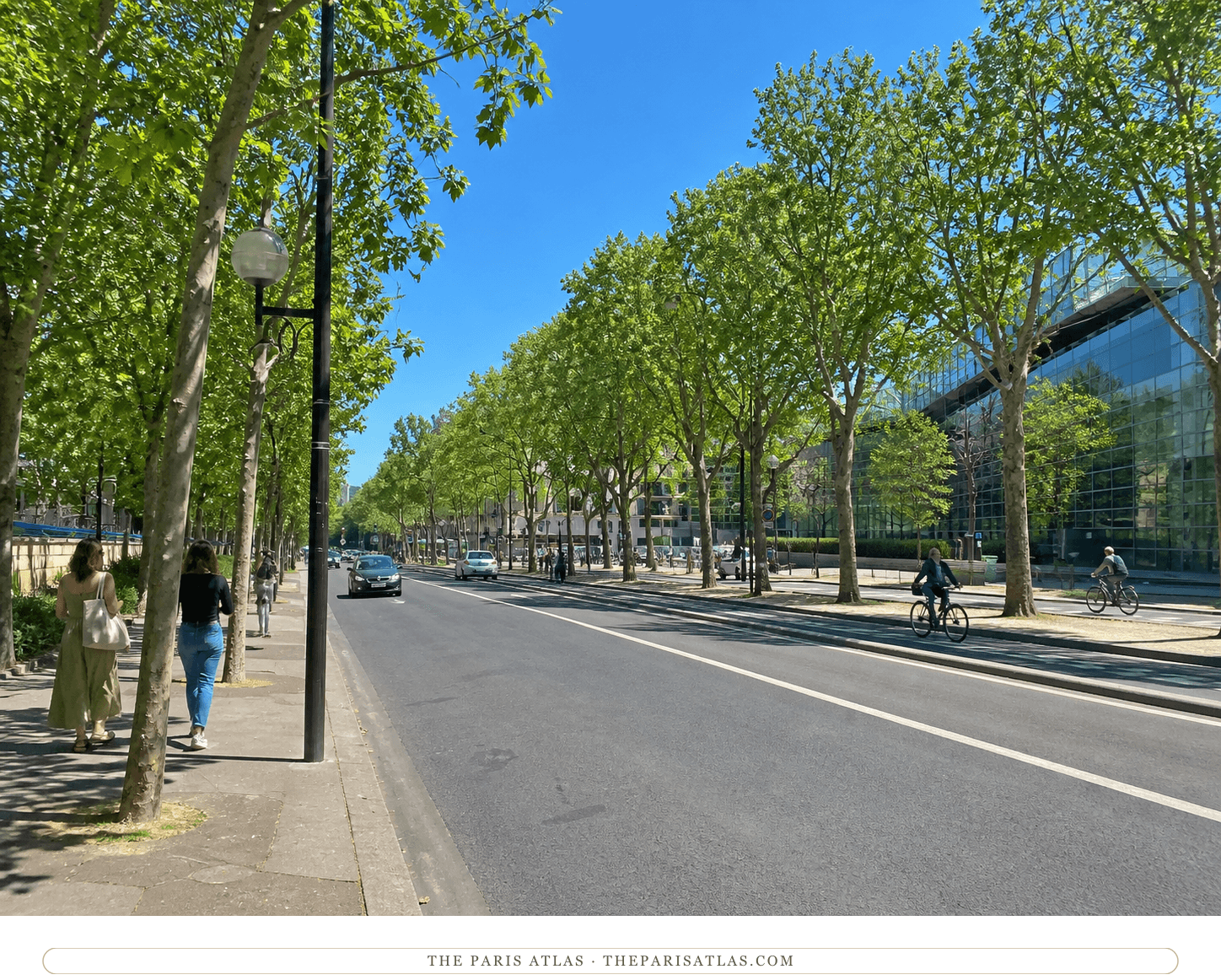
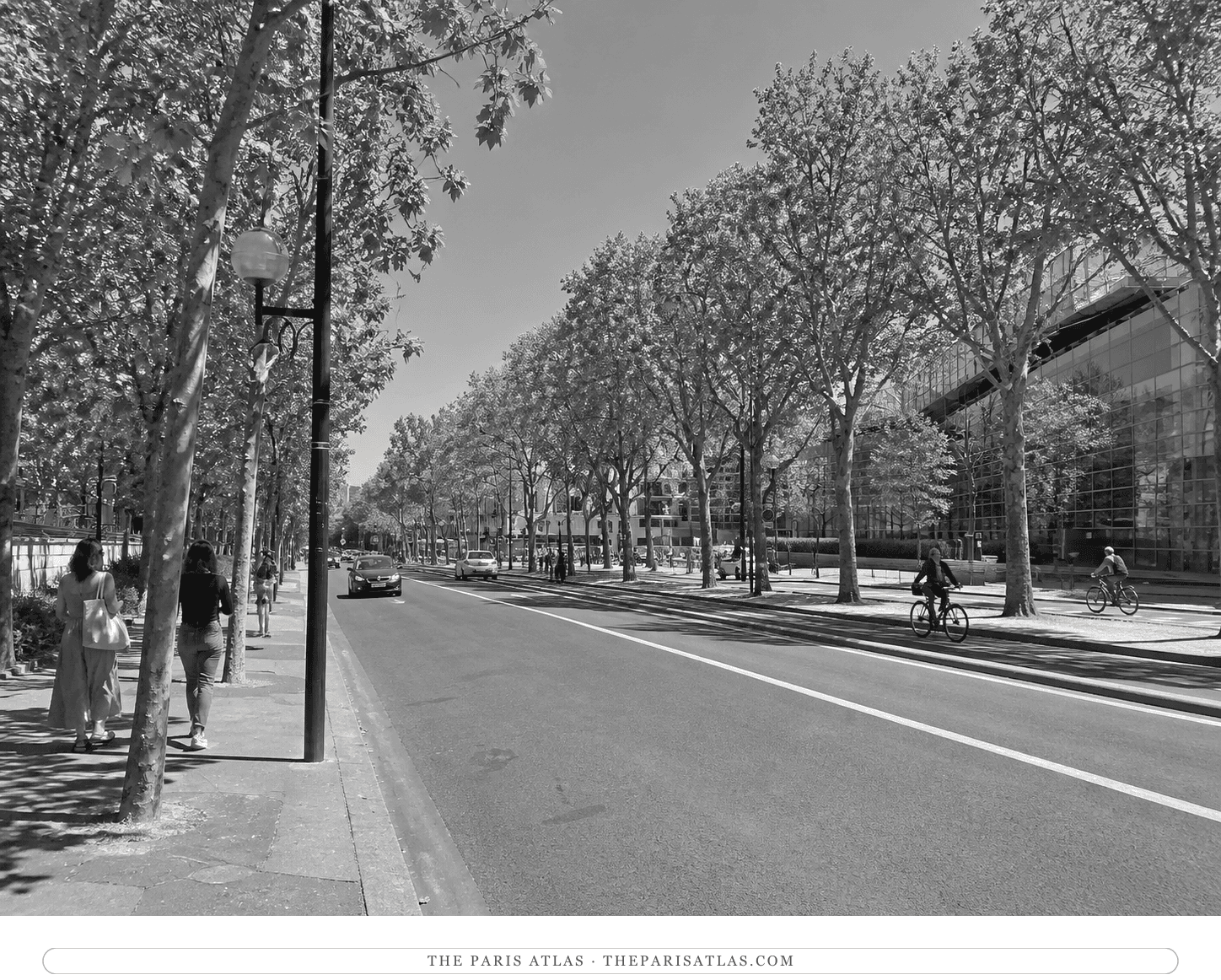
A long boulevard along the southern edge of the Latin Quarter. In Down and Out in Paris and London it holds the pawnshop where George Orwell took his overcoats — and found it shut, on the day he had gone sixty hours without eating.
Visit the place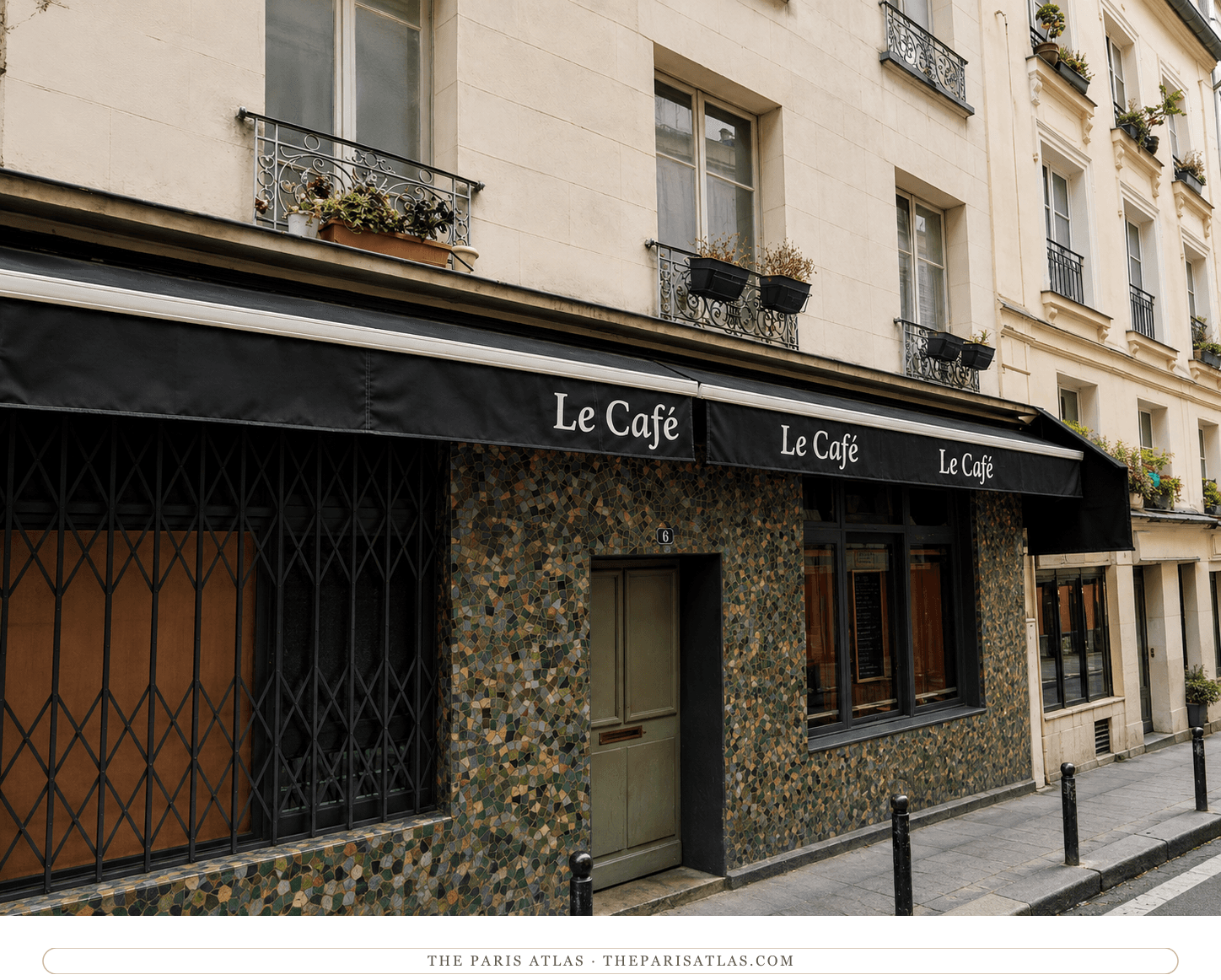
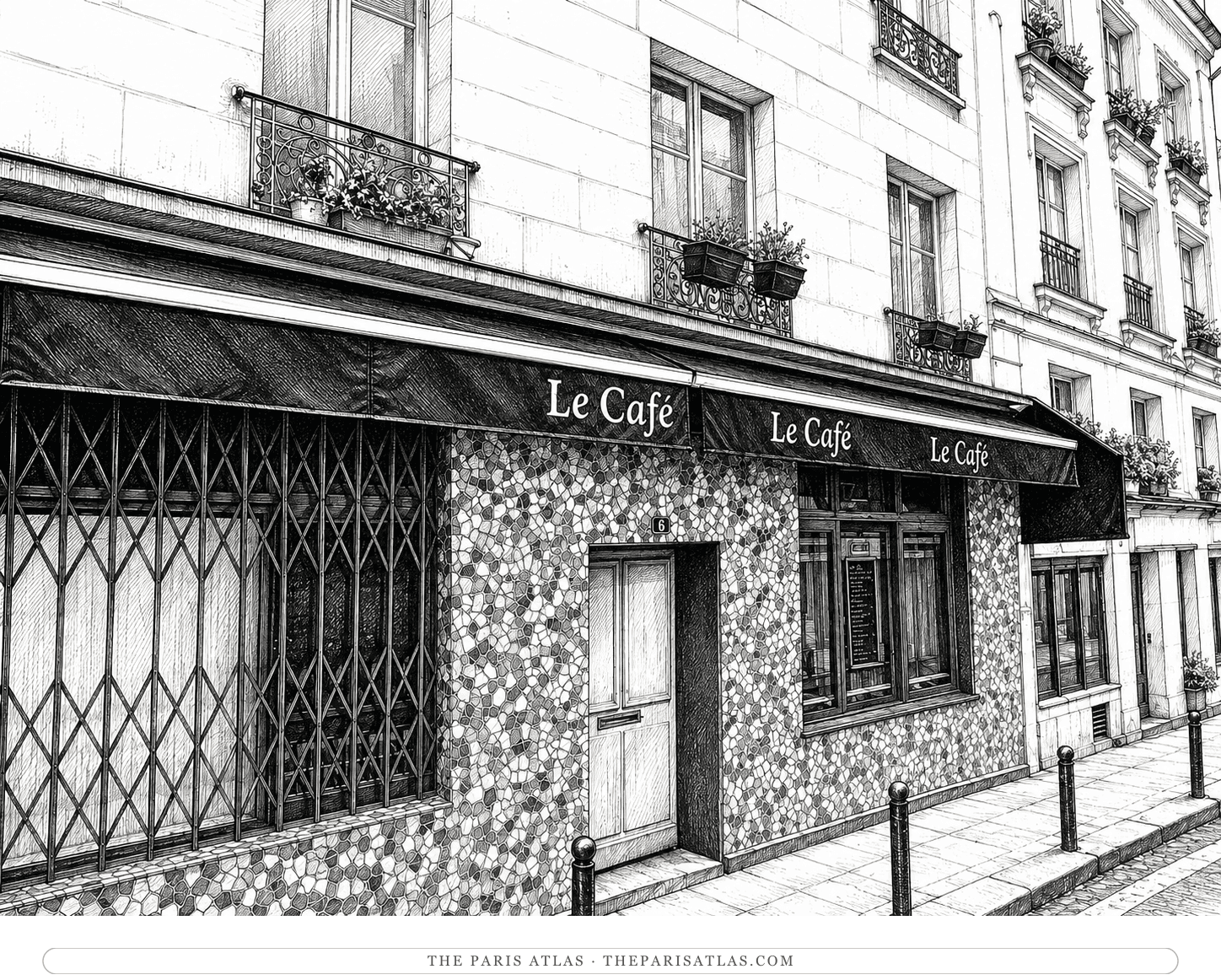
The cheap Latin Quarter lodging house where Eric Blair lived for eighteen months before he was George Orwell, and the raw material for the Paris half of Down and Out in Paris and London.
Visit the placeThe sources below include histories, archival materials, scholarly research, and official records that informed this page. They document Hôpital de la Salpêtrière, the people connected to it, and its place in Paris.


On the Chapelle Saint-Louis: Le Vau's 1669 commission and 1670 death, Libéral Bruant taking over, the 1678 completion, and the Greek-cross plan with its 24 m arms and 35 m choir.

The BFI on the hospital as the closing location of Cléo from 5 to 7, and on its façades being unchanged.
Map data used to verify addresses, geographic coordinates, and the placement associated with Hôpital de la Salpêtrière.
These references provide the documented foundation for this page's history and context. Claim-level citations remain attached to the specific claims they support.
 Explore more resources
Newsletter
The cafés, studios, and walk-up flats where the work was made — one story from the map in every letter.