The Paris AtlasCharting the artists, works, and places worth returning to.
  • Musician
· American · 1929–1980

Bill Evans

The jazz pianist whose extended harmonies, modal color, and treatment of chords as sonorities carried Debussy's language into modern jazz piano.

Details

Lived
1929–1980
Born
1929
Died
1980
Nationality
American
Roles
Musician

People Bill Evans Knew

Relationships with other people, with sources for each connection.

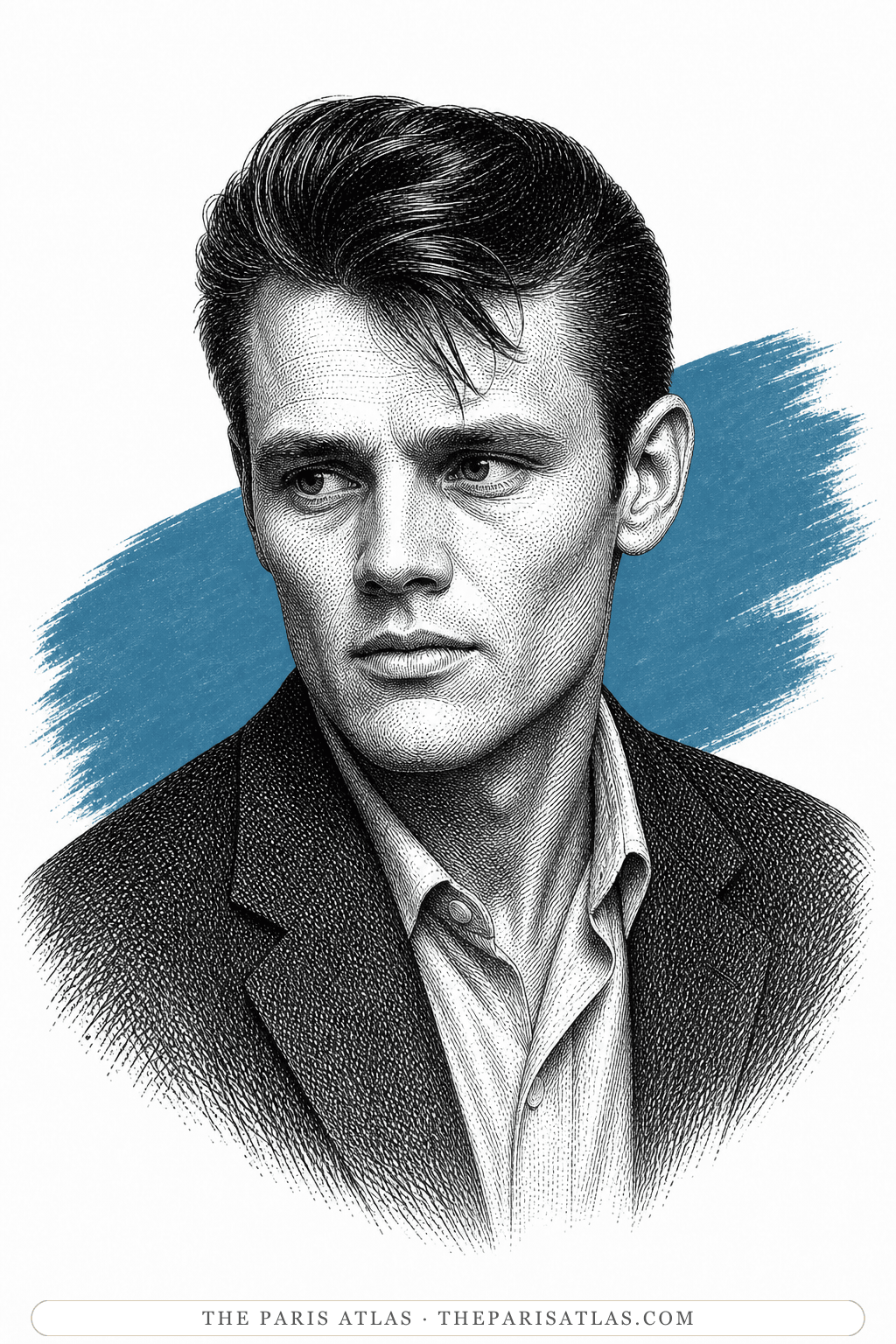
Illustrated portrait of Chet Baker

Chet Baker

  • Musician
  • Singer

Collaborated with · 1958–1959

Evans played piano on most of the Riverside album Chet, recorded at Reeves Sound Studios in New York on 30 December 1958 and 19 January 1959 with Herbie Mann, Pepper Adams, Kenny Burrell and Paul Chambers. It is the fullest meeting on record between Baker's plain trumpet line and the harmonic language Evans was then building.
— Chet Baker Catalog — session dates, studios and personnel

Who Inspired Bill Evans

People whose work inspired Bill Evans. They did not necessarily meet or know one another.

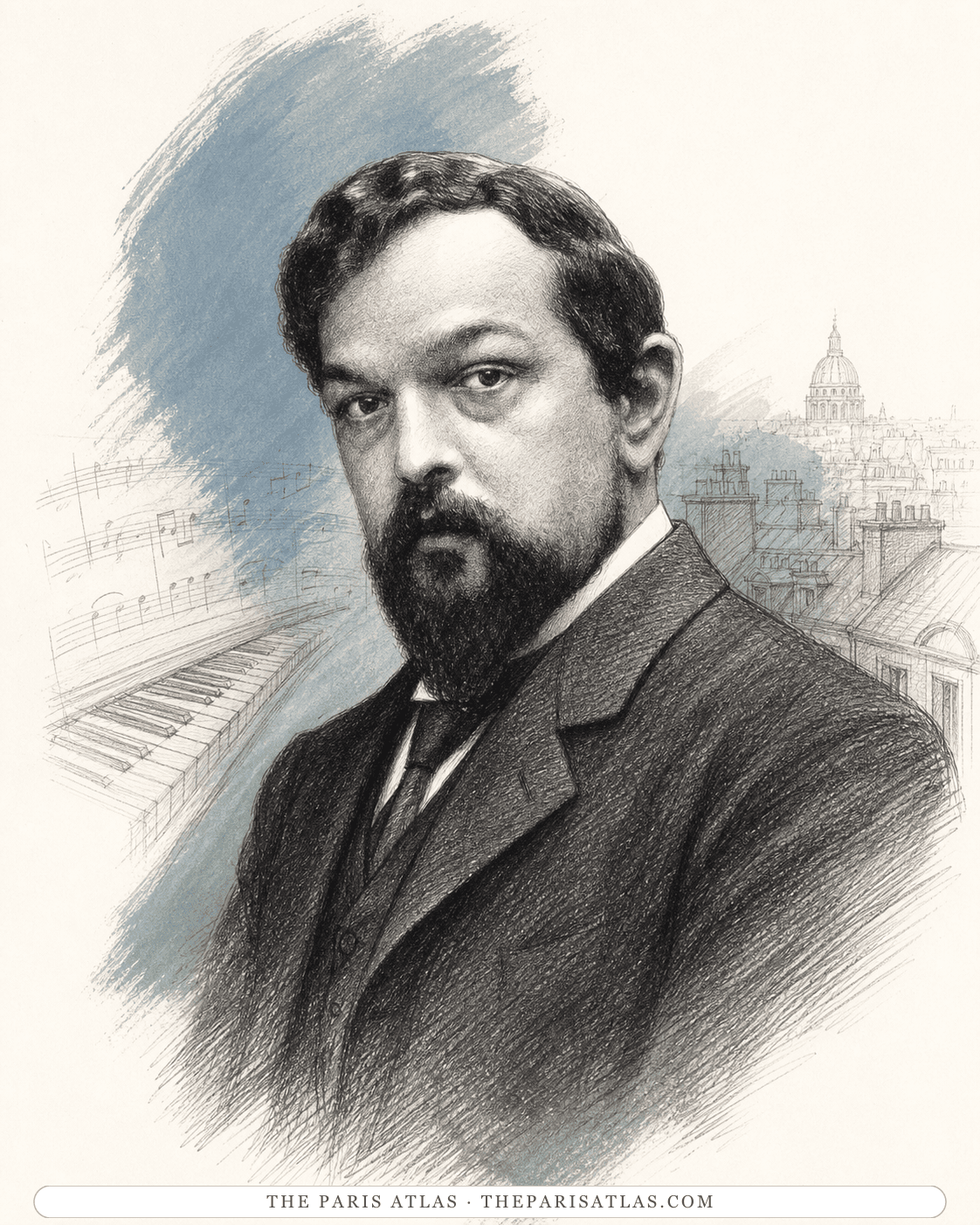
Illustrated portrait of Claude Debussy

Claude Debussy

Debussy's extended harmonies, modal color and conception of chords as sonorities rather than merely functional steps in a progression became part of Evans's vocabulary and, through him, part of the language of modern jazz piano.

— Alex Ross, The Velvet Revolution of Claude Debussy (2018)

Connections and Sources

Bill Evans’s connections to people, places, and works, with the sources behind each one.

Influenced by

Claude Debussy

Debussy's extended harmonies, modal color and conception of chords as sonorities rather than merely functional steps in a progression became part of Evans's vocabulary and, through him, part of the language of modern jazz piano.

— Alex Ross, The Velvet Revolution of Claude Debussy (2018)

Collaborated with · 1958–1959

Chet Baker

Evans played piano on most of the Riverside album Chet, recorded at Reeves Sound Studios in New York on 30 December 1958 and 19 January 1959 with Herbie Mann, Pepper Adams, Kenny Burrell and Paul Chambers. It is the fullest meeting on record between Baker's plain trumpet line and the harmonic language Evans was then building.
— Chet Baker Catalog — session dates, studios and personnel

References

References

The sources below include biographies, scholarly essays, interviews, and primary materials that informed this page. They reflect both the historical record and ongoing critical conversations about Bill Evans and their work.

  1. 1The Velvet Revolution of Claude Debussy

    Periodical
    The New Yorker, 2018
    Used for

    Contemporary reporting or criticism used to document the historical reception and context of Bill Evans.

    View source
  2. 2Chet Baker Catalog — session dates, studios and personnel

    Website
    JazzDisco.org (Jazz Discography Project)
    Used for

    Web source consulted for documented facts and historical context presented on the Bill Evans page.

    View source
i
Why these sources are here

These references anchor the page in the documented record and in the scholarly conversations around Bill Evans. Every claim on this page traces back to one or more of the works listed here.

Explore more resources