The Paris AtlasCharting the artists, works, and places worth returning to.
  • Architect
· French · 1903–1999

Charlotte Perriand

Paris-born designer and architect who joined Le Corbusier's studio in 1927 and helped define modern furniture and interior design through practical, collaborative work.

In images

Details

Lived
1903–1999
Born
24 October 1903
Birthplace
Paris, France
Died
27 October 1999 · aged 96
Place of death
Paris, France
Nationality
French
Profession
Architect, furniture designer, and interior designer
Major works
Bar sous le toit (1927), LC furniture with Le Corbusier and Pierre Jeanneret, Les Arcs interiors (1967–1989)
Married
Percy Scholefield · 1926–1930Jacques Martin · 1946–1986
Children
Pernette Perriand
Roles
Architect

About Charlotte Perriand

A modern interior in Paris

Charlotte Perriand studied decorative arts in Paris and first gained attention with interiors made from glass, steel, aluminum, and chrome. Her 1927 Bar sous le toit transformed her own attic apartment into a compact machine-age interior and brought her work to the Salon d'Automne.

The studio at 35 rue de Sèvres

Le Corbusier met and hired Perriand in October 1927 to develop the studio's furniture program. Working with Le Corbusier and Pierre Jeanneret, she designed chairs, tables, storage, and interiors around the positions and movements of the human body.

The collaboration lasted roughly a decade and produced furniture now inseparable from the public image of modern design. Attribution was not equal at the time, and later scholarship has restored Perriand's central role in developing and presenting the work.

A wider practice

Perriand worked in Japan during the Second World War and drew on craft traditions, wood, and flexible domestic space without abandoning industrial production. Her postwar projects ranged from student rooms to mountain resorts and large housing interiors.

For the Maison du Brésil in Paris, she advised on the student-room interiors and designed compact furniture and storage. The project shows the continuity of her Paris practice: modernism measured against the actual dimensions of everyday life.

Life events

  1. 1903

    Born in Paris.

    Le Corbusier, 1926–1928: Charlotte Perriand joins the studio

  2. 1927

    Shows Bar sous le toit, designs her swiveling chair, and joins Le Corbusier's Paris studio.

    Perriand's swiveling chair, designed for her own apartment-bar in 1927 before she joined Le Corbusier's studio. (Sailko)

    Le Corbusier, 1926–1928: Charlotte Perriand joins the studio

  3. 1927–1937

    Develops furniture and interiors with Le Corbusier and Pierre Jeanneret.

    Le Corbusier, 1926–1928: Charlotte Perriand joins the studio

  4. 1940

    Travels to Japan as an adviser on industrial art.

    Maison du Brésil, Paris, 1952–1959

  5. 1950s

    Designs student-room equipment for the Maison du Brésil in Paris.

    Maison du Brésil, Paris, 1952–1959

  6. 1999

    Dies in Paris.

    Maison du Brésil, Paris, 1952–1959

People they knew

Documented connections — every one carries its source.

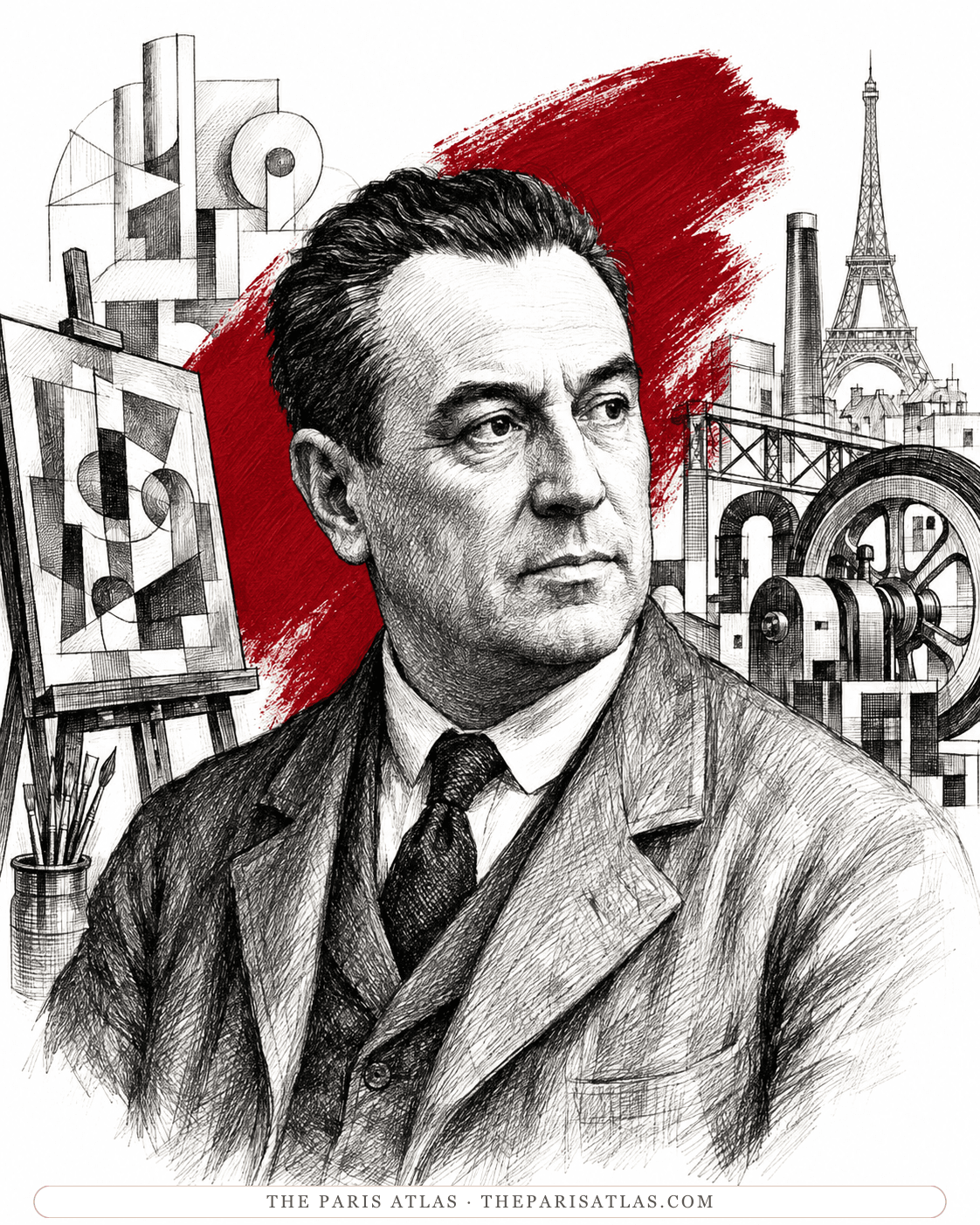
Illustrated portrait of Le Corbusier

Le Corbusier

  • Architect
  • Painter
  • Author

Collaborated with · 1927–1937

Le Corbusier hired Perriand in October 1927 to develop the furniture program at his Paris studio. She worked with Le Corbusier and Pierre Jeanneret on furniture and interiors for roughly a decade.
Le Corbusier, 1926–1928: Charlotte Perriand joins the studio

Illustrated portrait of Fernand Léger

Fernand Léger

  • Painter
  • Filmmaker

Collaborated with · 1930

Perriand and Léger shared an interest in modern public life and collaborated across exhibitions, photomontage, and political projects.

Charlotte Perriand: Inventing a New World

Jean Prouvé

  • Architect

Collaborated with · 1939–1952

Perriand worked with Prouvé on furniture, schools, and prefabricated interiors, combining her spatial planning with his production methods.

Charlotte Perriand

Sourced claims

Every connection the graph holds for Charlotte, with the evidence behind it.

Collaborated with · 1927–1937

Le Corbusier

Le Corbusier hired Perriand in October 1927 to develop the furniture program at his Paris studio. She worked with Le Corbusier and Pierre Jeanneret on furniture and interiors for roughly a decade.

Le Corbusier, 1926–1928: Charlotte Perriand joins the studio

Collaborated with · 1930

Fernand Léger

Perriand and Léger shared an interest in modern public life and collaborated across exhibitions, photomontage, and political projects.

Charlotte Perriand: Inventing a New World

Collaborated with · 1939–1952

Jean Prouvé

Perriand worked with Prouvé on furniture, schools, and prefabricated interiors, combining her spatial planning with his production methods.

Charlotte Perriand

References

References

The sources below include biographies, scholarly essays, interviews, and primary materials that informed this page. They reflect both the historical record and ongoing critical conversations about Charlotte Perriand and their work.

  1. 1Le Corbusier, 1926–1928: Charlotte Perriand joins the studio

    Website
    Fondation Le Corbusier
    Used for

    Web source consulted for documented facts and historical context presented on the Charlotte Perriand page.

    View source
  2. 2Maison du Brésil, Paris, 1952–1959

    Website
    Fondation Le Corbusier
    Used for

    Web source consulted for documented facts and historical context presented on the Charlotte Perriand page.

    View source
  1. 3Charlotte Perriand

    Website
    Centre Pompidou
    Used for

    Web source consulted for documented facts and historical context presented on the Charlotte Perriand page.

    View source
  2. 4Charlotte Perriand: Inventing a New World

    Website
    Fondation Louis Vuitton
    Used for

    Web source consulted for documented facts and historical context presented on the Charlotte Perriand page.

    View source
i
Why these sources are here

These references anchor the page in the documented record and in the scholarly conversations around Charlotte Perriand. Every claim on this page traces back to one or more of the works listed here.

Explore more resources