The Paris AtlasCharting the artists, works, and places worth returning to.
  • Author
· French · 1875–1954

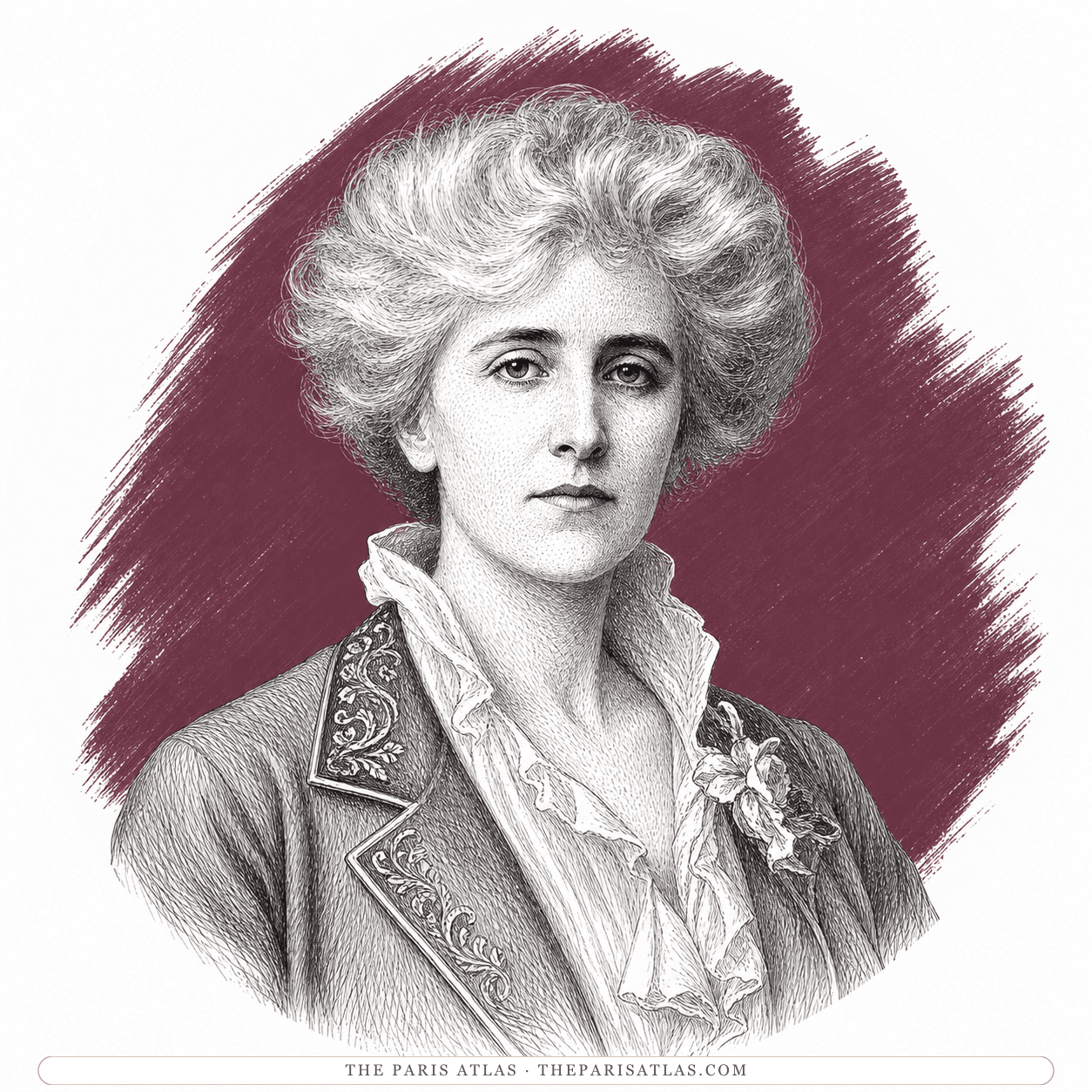
Élisabeth de Gramont

French memoirist and biographer, Duchesse de Clermont-Tonnerre, who was Natalie Clifford Barney's partner from 1910 until her own death in 1954 and one of the writers Barney's Académie des Femmes honoured.

Details

Lived
1875–1954
Born
23 April 1875
Birthplace
Nancy, France
Died
6 December 1954 · aged 79
Place of death
Paris, France
Nationality
French
Married
Philibert, 8th Duc de Clermont-Tonnerre · 1896–1920
Partner
Natalie Clifford Barney · 1910–1954
Children
Béatrix de Clermont-Tonnerre, Diane de Clermont-Tonnerre
Roles
Author
Also known as
Duchesse de Clermont-Tonnerre · Antonia Corisande Élisabeth de Gramont · Lily

People Élisabeth de Gramont Knew

Relationships with other people, with sources for each connection.

Illustrated portrait of Natalie Clifford Barney

Natalie Clifford Barney

  • Author
  • Poet
  • Salon host
  • +2

Partner of · 1910–1954

Barney and Gramont met around the time the rue Jacob salon began and were together from about 1910. On 20 June 1918, at the Hôtel de l'Europe et Villa Victoria in Aix-les-Bains, they wrote and signed a private marriage contract on hotel letterhead: it acknowledged both women's other affairs and set no condition beyond the bond itself, ending 'the one I marry shall not be called my wife, nor my slave, nor my spouse ... but my one, my eternal mate'. Gramont was married to the Duc de Clermont-Tonnerre at the time; the divorce came in 1920. The relationship lasted until Gramont's death in 1954. Barney also wrote a prose portrait of her, The Woman Who Lives with Me, printed in an edition of two copies.
— Francesco Rapazzini, Elisabeth de Gramont, Natalie Barney's "eternal mate" (2005); James J. Conway, My one, my eternal mate (2018); Anna Livia, Barney, Natalie Clifford (1876–1972), in Women in World History: A Biographical Encyclopedia (2002)

Élisabeth de Gramont’s Places

The cataloged places connected to Élisabeth de Gramont — through the books, and through the documented record.

Places you can enter today appear first, followed by addresses to see from outside and sites that have vanished.

Organizations

Honoured by · 1927

Académie des Femmes

Anne Charles names Élisabeth de Gramont, the Duchess of Clermont-Tonnerre, among the talents of the time the Académie honoured; Anna Livia counts her among its French writers. Neither dates her evening, so the year here is the Académie's own and not a date for it.

— Anne Charles, Barney Opens Her Paris Salon (2022), Summary of Event, read 2026-08-11; Anna Livia, Barney, Natalie Clifford (1876–1972), in Women in World History: A Biographical Encyclopedia (2002)

Connections and Sources

Élisabeth de Gramont’s connections to people, places, and works, with the sources behind each one.

Frequented

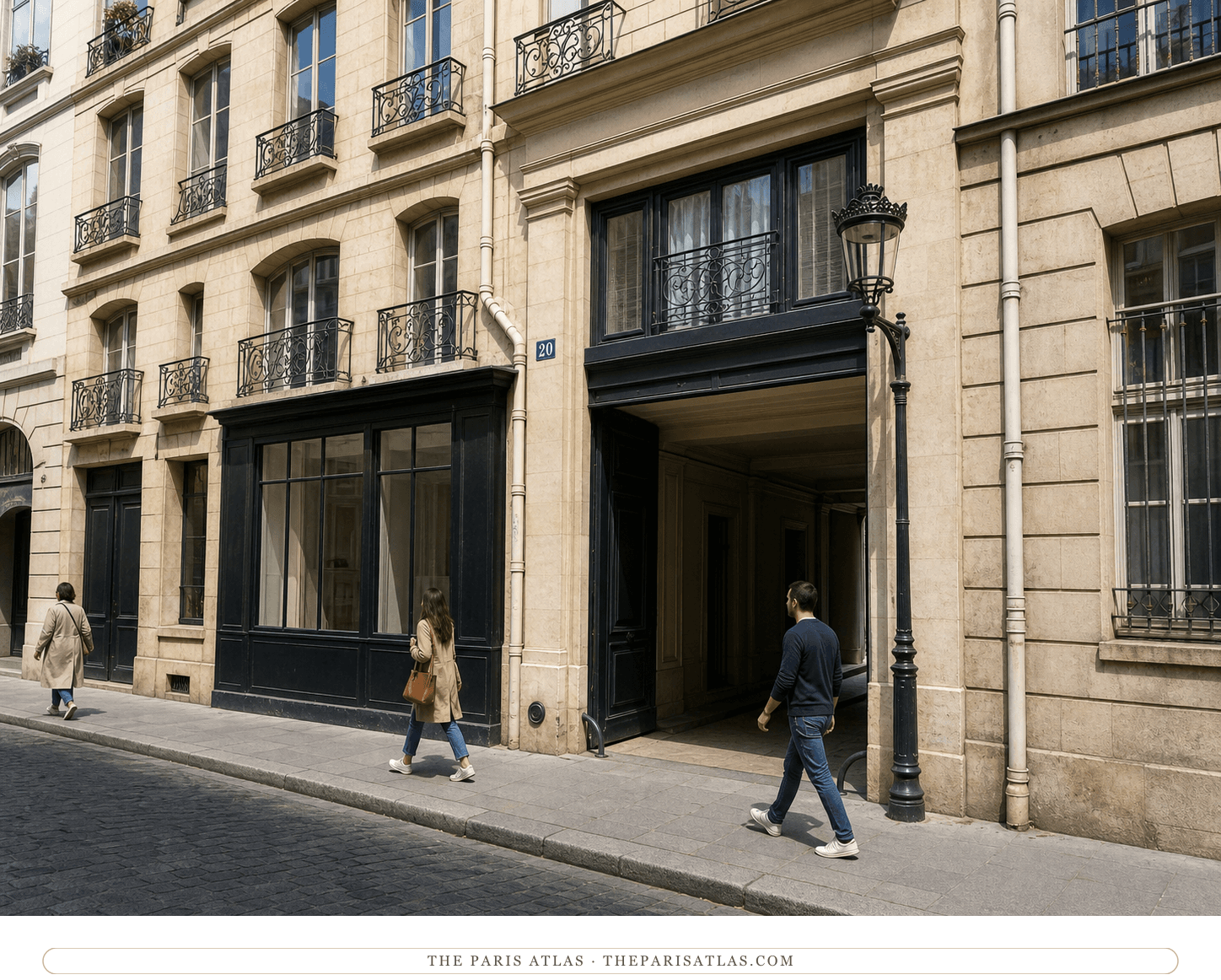
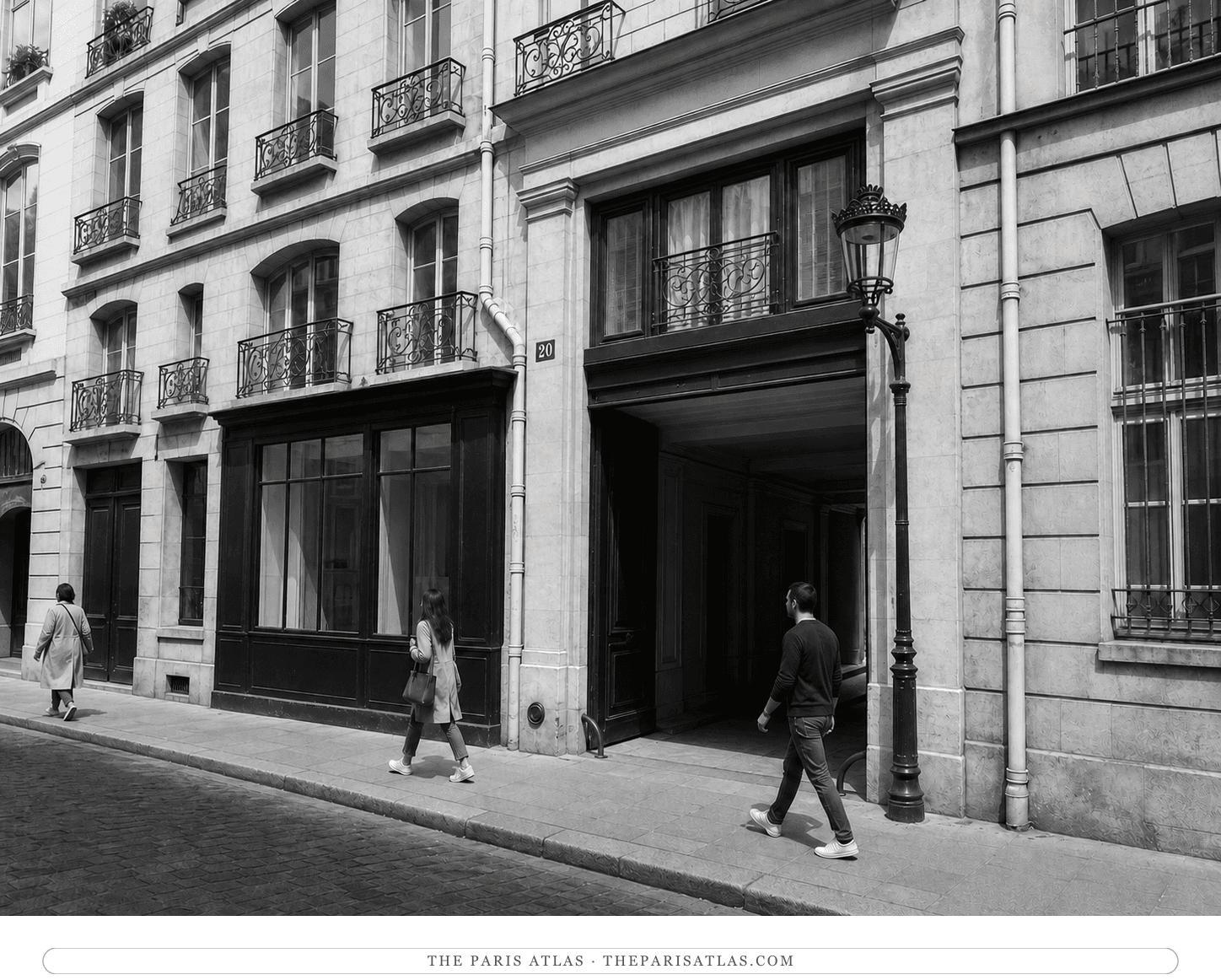
20 rue Jacob

Gramont is named among the French writers honoured by the Académie des Femmes, the run of Fridays Barney gave over to individual women writers from 1927 in the same rooms as the ordinary salon. Anne Charles counts her among the probable guests at the salon's opening in 1909. No start year is recorded because the sources do not fix one.

— Anna Livia, Barney, Natalie Clifford (1876–1972), in Women in World History: A Biographical Encyclopedia (2002); Anne Charles, Barney Opens Her Paris Salon (2022)

Honoured by · 1927

Académie des Femmes

Anne Charles names Élisabeth de Gramont, the Duchess of Clermont-Tonnerre, among the talents of the time the Académie honoured; Anna Livia counts her among its French writers. Neither dates her evening, so the year here is the Académie's own and not a date for it.

— Anne Charles, Barney Opens Her Paris Salon (2022), Summary of Event, read 2026-08-11; Anna Livia, Barney, Natalie Clifford (1876–1972), in Women in World History: A Biographical Encyclopedia (2002)

Partner of · 1910–1954

Natalie Clifford Barney

Barney and Gramont met around the time the rue Jacob salon began and were together from about 1910. On 20 June 1918, at the Hôtel de l'Europe et Villa Victoria in Aix-les-Bains, they wrote and signed a private marriage contract on hotel letterhead: it acknowledged both women's other affairs and set no condition beyond the bond itself, ending 'the one I marry shall not be called my wife, nor my slave, nor my spouse ... but my one, my eternal mate'. Gramont was married to the Duc de Clermont-Tonnerre at the time; the divorce came in 1920. The relationship lasted until Gramont's death in 1954. Barney also wrote a prose portrait of her, The Woman Who Lives with Me, printed in an edition of two copies.

— Francesco Rapazzini, Elisabeth de Gramont, Natalie Barney's "eternal mate" (2005); James J. Conway, My one, my eternal mate (2018); Anna Livia, Barney, Natalie Clifford (1876–1972), in Women in World History: A Biographical Encyclopedia (2002)

References

References

The sources below include biographies, scholarly essays, interviews, and primary materials that informed this page. They reflect both the historical record and ongoing critical conversations about Élisabeth de Gramont and their work.

  1. 1Barney, Natalie Clifford (1876–1972), in Women in World History: A Biographical Encyclopedia

    Essays
    Gale, 2002
    Used for

    Published analysis and historical context used in preparing the Élisabeth de Gramont page.

    View source
  2. 2Barney Opens Her Paris Salon

    Essays
    EBSCO Research Starters, 2022
    Used for

    Published analysis and historical context used in preparing the Élisabeth de Gramont page.

    View source
  1. 3Elisabeth de Gramont, Natalie Barney's "eternal mate"

    Essays
    South Central Review 22, no. 3, Johns Hopkins University Press, 2005
    Used for

    Published analysis and historical context used in preparing the Élisabeth de Gramont page.

    View source
  2. 4My one, my eternal mate

    Website
    Strange Flowers, 2018
    Used for

    Web source consulted for documented facts and historical context presented on the Élisabeth de Gramont page.

    View source
i
Why these sources are here

These references anchor the page in the documented record and in the scholarly conversations around Élisabeth de Gramont. Every claim on this page traces back to one or more of the works listed here.

Explore more resources

