The Paris AtlasCharting the artists, works, and places worth returning to.
  • Actor
  • Dancer
· French · 1931–

Leslie Caron

French film actor and dancer — the star of An American in Paris (1951) and of the 1958 musical Gigi, adapted from Colette's novella.

In images

Details

Lived
1931–
Born
1 July 1931
Birthplace
Boulogne-Billancourt, France
Nationality
French
Profession
Actor and ballet dancer
Major works
An American in Paris, Lili, Gigi, The L-Shaped Room, Fanny, Father Goose
Roles
ActorDancer

About Leslie Caron

A dancer formed by wartime Paris

Leslie Claire Margaret Caron was born in Boulogne-Billancourt on 1 July 1931. Her French father, Claude Caron, was a chemist; her American-born mother, Margaret Petit, had been a dancer. Leslie trained in ballet while the German occupation and its shortages shaped ordinary life around her.[1]

After the war she joined Roland Petit's Ballets des Champs-Élysées. The discipline was exacting, but it was also the only professional world she knew. Ballet had no spoken lines, and Caron was still a shy teenager when a visiting American dancer changed the direction of her life.

Gene Kelly came to the ballet

Gene Kelly saw Caron dance in Paris and urged her to test for the French lead in An American in Paris. She met him at the Hôtel George V, spoke a few lines in limited English, and assumed nothing would come of it. In her later account, accepting the audition was closer to politeness than ambition.[2]

I wasn't thinking about a career in the movies.[2]

Leslie Caron, Library of Congress interview, 2023

MGM cast her as Lise Bouvier opposite Kelly. The 1951 film became her screen debut: a Paris story made largely on Hollywood soundstages, ending in a long ballet through sets inspired by French painting. The British Film Institute calls the debut a cinema classic; the Library of Congress added the film to the National Film Registry in 1993.[3]

The war did not end when the fighting stopped

Caron arrived in the United States undernourished and unsure of the freedom around her. During An American in Paris she developed mononucleosis, and Kelly arranged a schedule that alternated a day of filming with a day in bed. Buying an alarm clock or an ice cream felt to her like evidence of a world that had reopened.

The war didn't end at the end of the war.[2]

Leslie Caron, Library of Congress interview, 2023

That history matters to the brightness of the musical. Caron did not come to its Paris fantasy from an untouched Paris. She came from ration lines, fear, and a body weakened by the occupation, then learned film acting while the cameras were already running.

Lili proved she could carry a film

Her first films relied on dance, but Lili (1953) asked her to hold the story as an actor. She played an orphan who finds work with a carnival puppet show, moving between innocence and loneliness without the protection of a large musical spectacle. The performance brought her first Academy Award nomination for Best Actress.

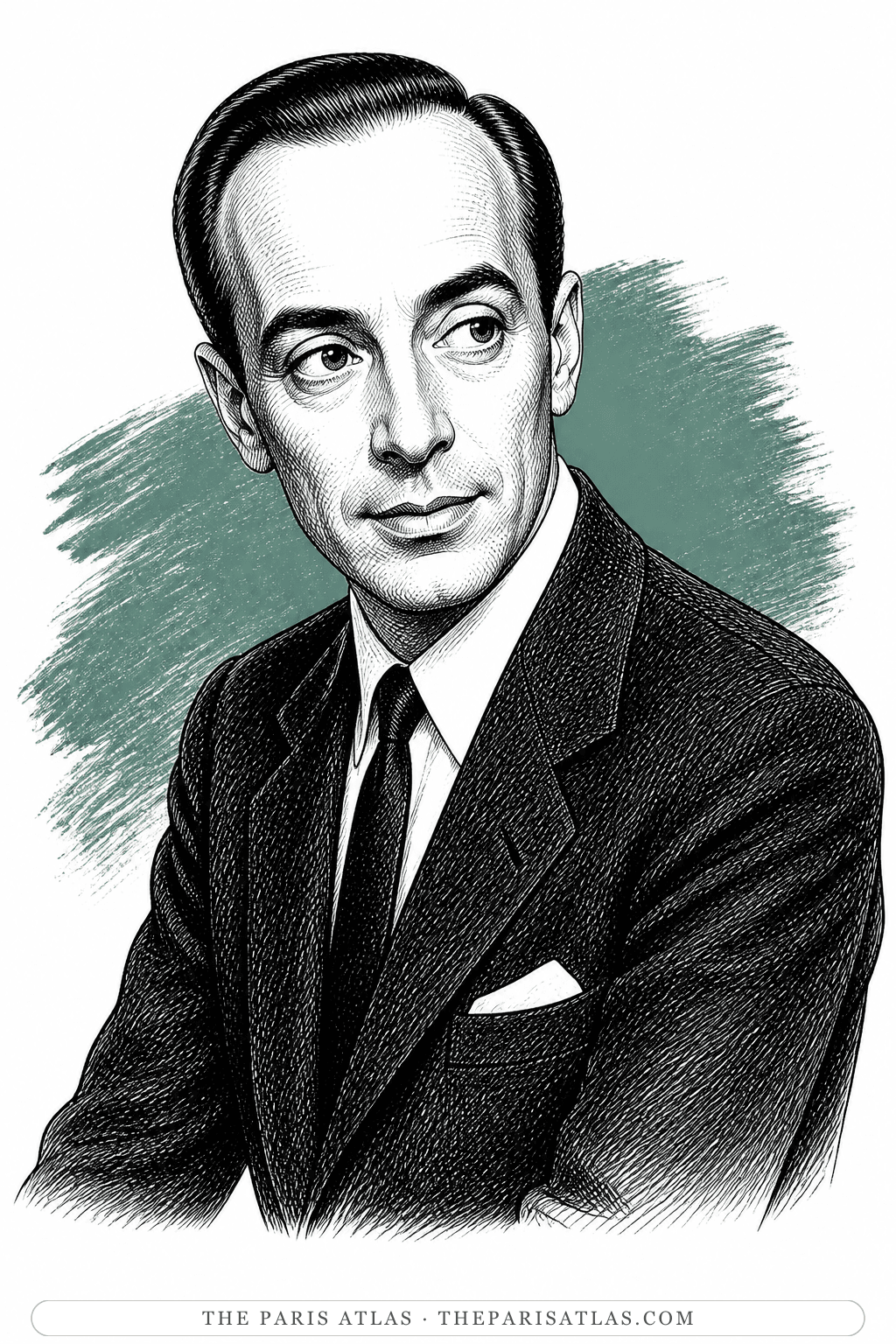
Leslie Caron in a public-domain studio portrait from the 1960s. (Unknown studio photographer — via Wikimedia Commons · Public domain (US))

The pattern continued across very different roles: Fanny, Father Goose, and the British drama The L-Shaped Room. The last of these gave Caron a second Academy Award nomination in 1963, this time for a modern, unsentimental performance as a pregnant unmarried woman living in a London boarding house.[4]

She brought Gigi back to the screen

Caron had already worked inside the world of Colette: An American in Paris borrowed its French heroine's name, Lise, from one of Colette's characters. For the 1958 film Gigi, she played the title role opposite Louis Jourdan and Maurice Chevalier under Vincente Minnelli's direction.[2]

The film returned a Hollywood unit to a highly designed Paris of parks, salons, restaurants, and turn-of-the-century manners. Caron later emphasized how much its success depended on the whole construction: screenplay, casting, photography, Cecil Beaton's costumes, and Minnelli's command of color and rhythm. The Library of Congress added Gigi to the National Film Registry in 1991.

A career longer than the MGM musical

Caron continued working across American, British, and French film, television, and theatre for decades after the studio musical declined. Later appearances ranged from Chocolat and Le Divorce to a 2007 episode of Law & Order: Special Victims Unit that won her a Primetime Emmy.[1]

Her unusual place in film history comes from carrying two experiences at once: the French ballet training that made her movement distinctive and the postwar Hollywood apprenticeship that taught her to speak, act, and hold the camera. An American in Paris and Gigi preserved the musical image; Lili and The L-Shaped Room showed how much else she could do.

Life events

  1. 1931

    Born in Boulogne-Billancourt, outside Paris, on 1 July.

  2. 1940–1944

    Trains in ballet while living through the German occupation and wartime shortages in France.

  3. Late 1940s

    Dances with Roland Petit's Ballets des Champs-Élysées in Paris.

  4. 1950

    Meets Gene Kelly in Paris, auditions at the Hôtel George V, and is cast in An American in Paris.

  5. 1951

    Makes her film debut opposite Kelly in An American in Paris.

  6. 1953

    Lili earns her first Academy Award nomination for Best Actress.

  7. 1958

    Stars in Vincente Minnelli's Gigi, adapted from Colette's novella.

  8. 1963

    Receives a second Academy Award nomination for The L-Shaped Room.

  9. 1991

    Gigi enters the Library of Congress National Film Registry.

  10. 1993

    An American in Paris enters the National Film Registry.

  11. 2007

    Wins a Primetime Emmy for a guest performance on Law & Order: Special Victims Unit.

People Leslie Caron Knew

Relationships with other people, with sources for each connection.

Illustrated portrait of Vincente Minnelli

Vincente Minnelli

  • Filmmaker

Collaborated with · 1951–1958

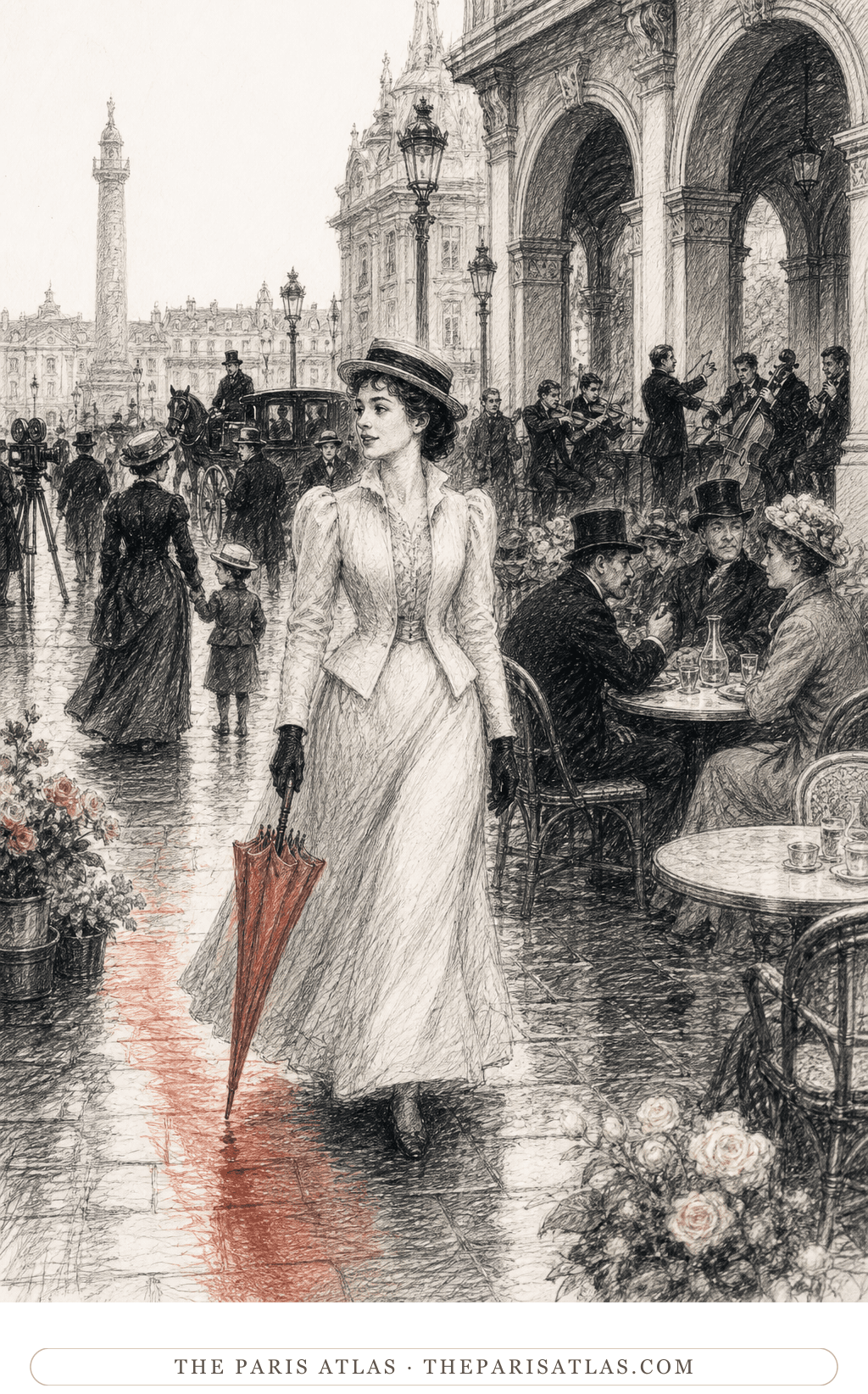
Minnelli directed Caron twice: as Lise Bouvier in An American in Paris (1951) and in the title role of Gigi (1958), the adaptation of Colette's novella that won him the Academy Award for directing.

— An American in Paris (1951); Gigi (1958)

Questions about Leslie Caron

How did Leslie Caron get cast in An American in Paris?

Gene Kelly saw her dancing with the Ballets des Champs-Élysées in Paris and encouraged her to audition. She tested at the Hôtel George V with little English and no film-acting experience, then MGM cast her as Lise Bouvier opposite Kelly.

Was An American in Paris Leslie Caron's first film?

Yes. The 1951 musical was her screen debut. She was a trained ballet dancer but had never spoken onstage, so she learned film acting while making a major Hollywood production.

Did Leslie Caron actually dance in An American in Paris?

Yes. Caron was a professional ballet dancer before she became an actor, and the film uses her opposite Gene Kelly throughout its dance sequences, including the extended final ballet set to George Gershwin's music.

What was Leslie Caron's connection to Colette?

She starred as Gigi in the 1958 film adapted from Colette's novella. Caron had entered the same literary orbit earlier through An American in Paris, whose heroine Lise borrows her name from a Colette character.

How many Academy Award nominations did Leslie Caron receive?

Two for Best Actress: Lili and The L-Shaped Room. The first recognized her early transition from ballet to acting; the second came for a stark British drama far removed from MGM musicals.

Is Leslie Caron French?

Yes. She was born in Boulogne-Billancourt near Paris to a French father and an American-born mother, trained in French ballet, and began her professional career with the Ballets des Champs-Élysées.

Connections and Sources

Leslie Caron’s connections to people, places, and works, with the sources behind each one.

Performed in · 1958

Gigi

Leslie Caron played Gigi in the MGM musical.

— Gigi (1958)

Collaborated with · 1951–1958

Vincente Minnelli

Minnelli directed Caron twice: as Lise Bouvier in An American in Paris (1951) and in the title role of Gigi (1958), the adaptation of Colette's novella that won him the Academy Award for directing.

— An American in Paris (1951); Gigi (1958)

References

References

The sources below include biographies, scholarly essays, interviews, and primary materials that informed this page. They reflect both the historical record and ongoing critical conversations about Leslie Caron and their work.

  1. 1abLeslie Caron

    Website
    Festival de Cannes, 2026
    Used for

    Web source consulted for documented facts and historical context presented on the Leslie Caron page.

    View source
  2. 2abcdAn Intimate Conversation with Leslie Caron and 65 Years of Gigi

    Website
    Stacie Seifrit-Griffin; Library of Congress, 2023
    Used for

    Web source consulted for documented facts and historical context presented on the Leslie Caron page.

    View source
  1. 3↑An American in Paris (1951)

    Website
    British Film Institute, 2026
    Used for

    Web source consulted for documented facts and historical context presented on the Leslie Caron page.

    View source
  2. 4↑Academy Awards Search: Leslie Caron

    Website
    Academy of Motion Picture Arts and Sciences, 2026
    Used for

    Web source consulted for documented facts and historical context presented on the Leslie Caron page.

    View source
i
Why these sources are here

These references anchor the page in the documented record and in the scholarly conversations around Leslie Caron. Every claim on this page traces back to one or more of the works listed here.

Explore more resources