
Jack Kahane
- Publisher
- Author
Child of
Son of Jack Kahane and Marcelle Kahane. He took his mother's maiden name, Girodias, during the Occupation.
Paris publisher whose Olympia Press issued Lolita in September 1955 after five American houses had rejected it, in the green-covered Traveller's Companion series. His later disputes with Vladimir Nabokov concerned contracts, copyright and royalties.
Child of
Son of Jack Kahane and Marcelle Kahane. He took his mother's maiden name, Girodias, during the Occupation.
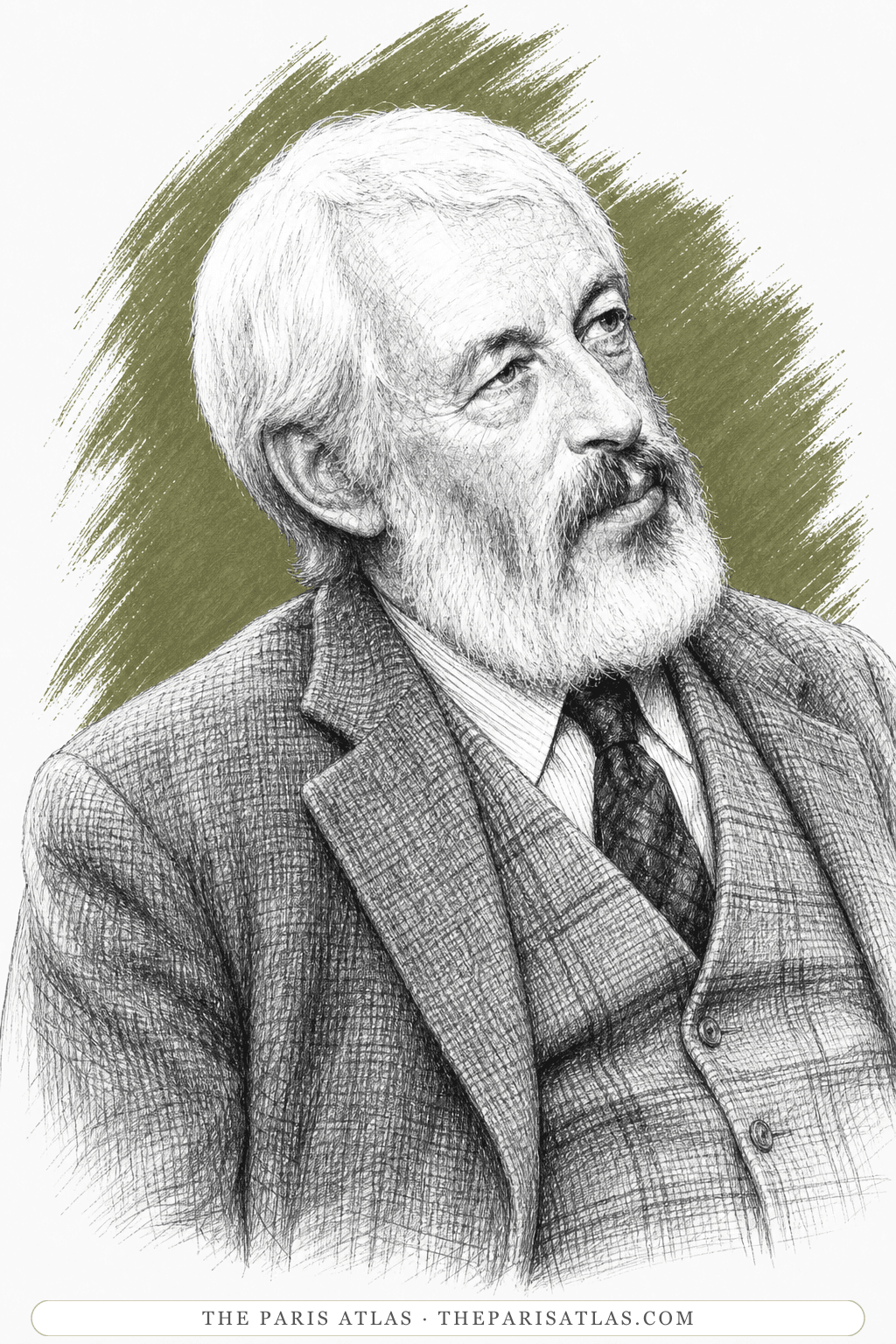
Collaborated with · 1954
Girodias accepted and published The Ginger Man at Olympia Press in Paris; their publishing relationship immediately deteriorated into a dispute over presentation, rights and royalties lasting roughly two decades.
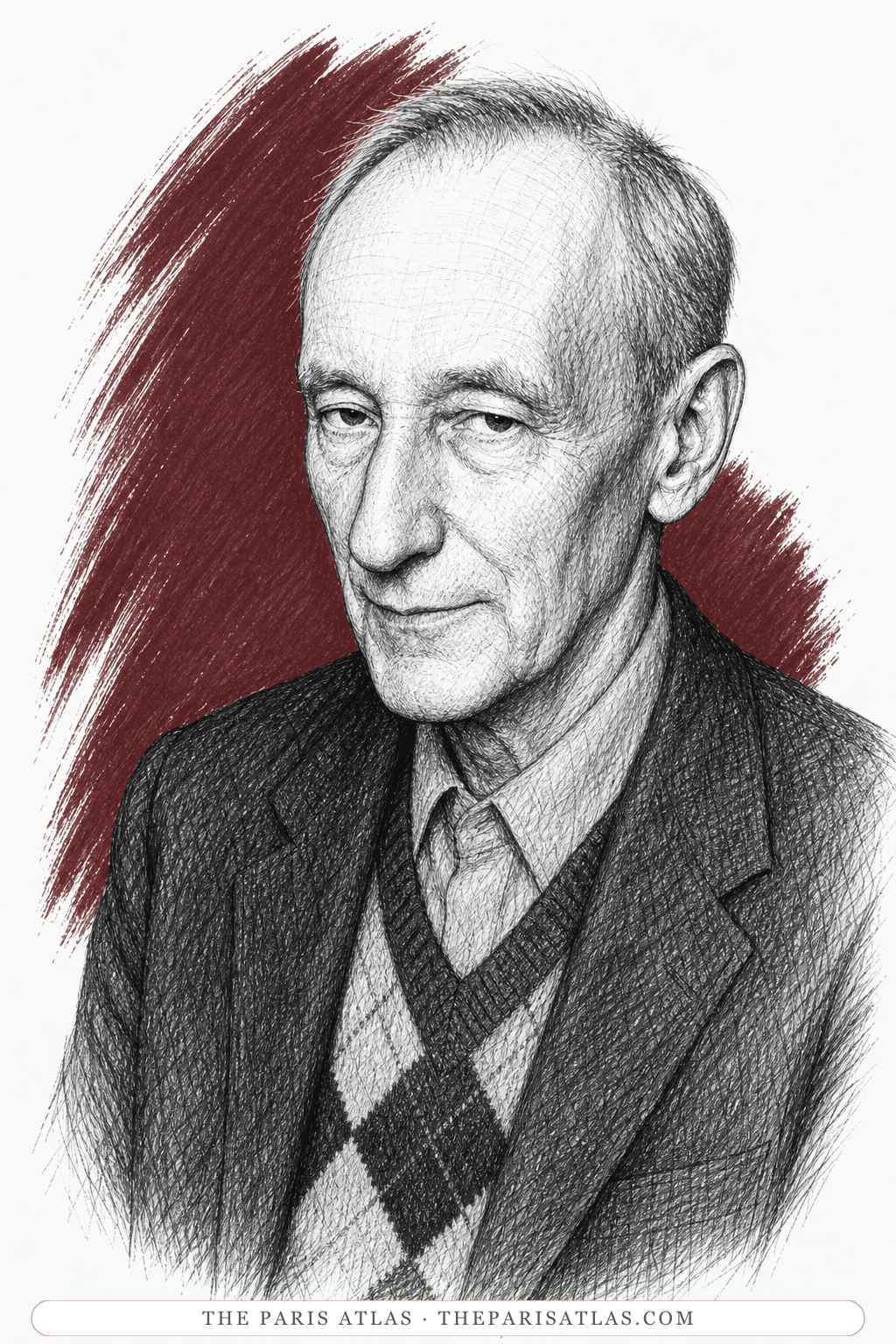
Collaborated with · 1959
After initially rejecting the manuscript, Girodias published the first edition of The Naked Lunch through Olympia Press in Paris in July 1959.
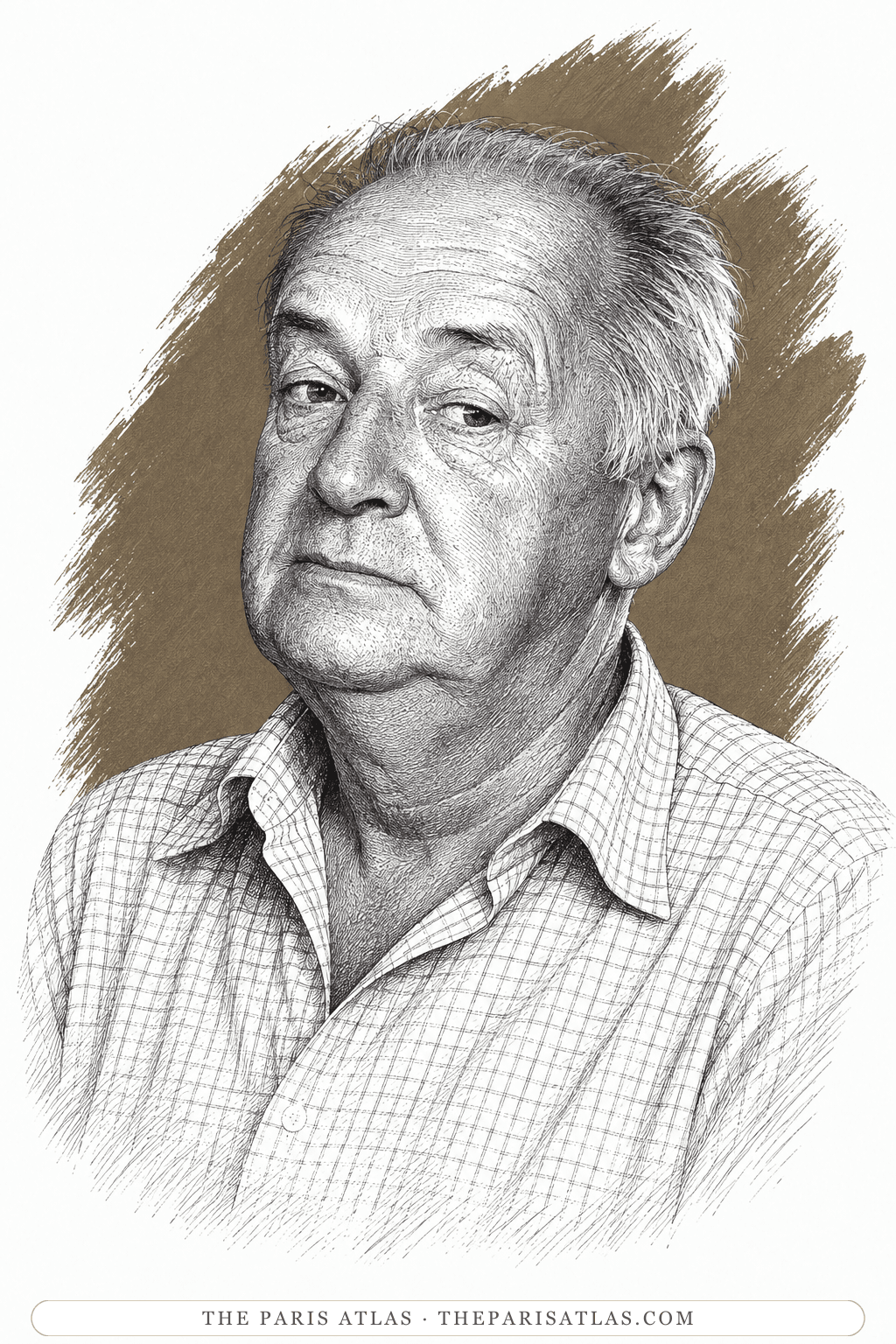
Clashed with · 1955
Maurice Girodias's Olympia Press published Lolita in Paris in September 1955 after American publishers had rejected it, and successfully challenged the French ban imposed in 1956. Nabokov's later disputes with Girodias concerned contracts, copyright, royalties and the publisher's public claims about his role in the book's history.
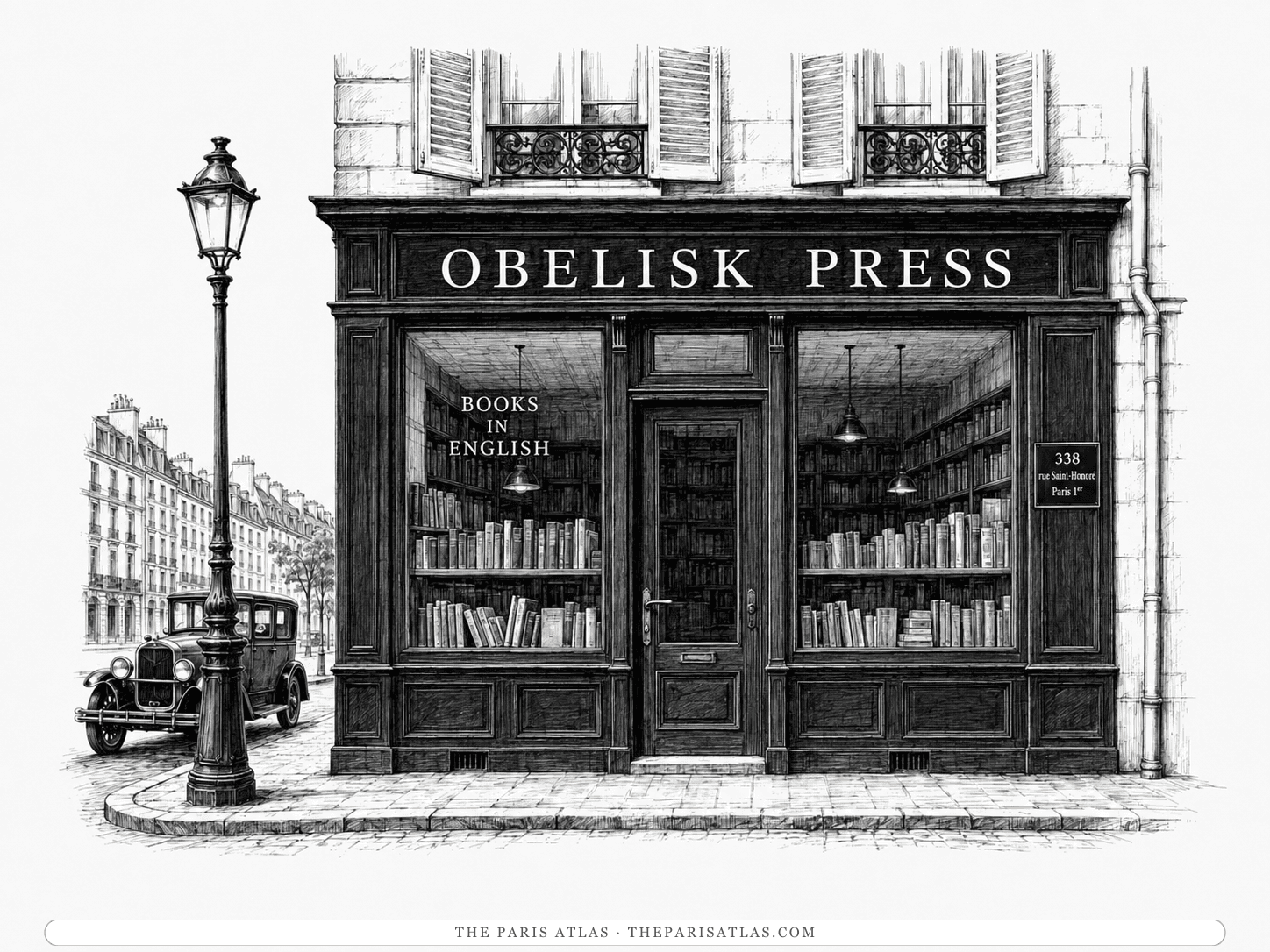
Operated · 1945
Girodias briefly revived his father's press after the war, reissuing Henry Miller and other English-language titles to American soldiers passing through Paris. He founded the Olympia Press in 1953.
Child of
Son of Jack Kahane and Marcelle Kahane. He took his mother's maiden name, Girodias, during the Occupation.
Operated · 1945
Girodias briefly revived his father's press after the war, reissuing Henry Miller and other English-language titles to American soldiers passing through Paris. He founded the Olympia Press in 1953.
Collaborated with · 1954
Girodias accepted and published The Ginger Man at Olympia Press in Paris; their publishing relationship immediately deteriorated into a dispute over presentation, rights and royalties lasting roughly two decades.
Collaborated with · 1959
After initially rejecting the manuscript, Girodias published the first edition of The Naked Lunch through Olympia Press in Paris in July 1959.
Clashed with · 1955
Maurice Girodias's Olympia Press published Lolita in Paris in September 1955 after American publishers had rejected it, and successfully challenged the French ban imposed in 1956. Nabokov's later disputes with Girodias concerned contracts, copyright, royalties and the publisher's public claims about his role in the book's history.