The Paris AtlasCharting the artists, works, and places worth returning to.
  • Singer
  • Musician
· American · 1933–2003

Nina Simone

American singer and pianist who turned to civil-rights songwriting in the 1960s under the political tutelage of her friends Lorraine Hansberry, James Baldwin, and Langston Hughes.

Details

Lived
1933–2003
Born
21 February 1933
Birthplace
Tryon, North Carolina
Died
21 April 2003 · aged 70
Place of death
Carry-le-Rouet, France
Nationality
American
Married
Don Ross · 1958–1960Andrew Stroud · 1961–1971
Roles
SingerMusician
Also known as
Eunice Kathleen Waymon

About Nina Simone

Nina Simone was born Eunice Kathleen Waymon in Tryon, North Carolina, in 1933, and spent her first two decades training to become a concert pianist — she intended, she later said, to be the first Black classical concert pianist. The career that actually happened ran through an Atlantic City bar, a Billboard hit from George Gershwin's opera Porgy and Bess, and the protest songs that made her one of the voices of the civil-rights movement. Her political education came from a circle of writer friends — Lorraine Hansberry, James Baldwin, and Langston Hughes — and her last three decades were lived largely outside the United States, including a lean stretch in the early 1980s singing at a small club in the Latin Quarter of Paris.

The prodigy from Tryon

Eunice Waymon was the sixth of eight children. Her mother was a Methodist minister; her father worked as a barber and handyman and had once performed as an entertainer. She was picking out music on the piano by ear at three and was soon playing at the family's church. A local piano teacher, Muriel Mazzanovich, grounded her in the classical repertoire — Bach first and deepest — and the town raised a fund to pay for the gifted child's training and education.

At a childhood recital, when she was twelve, her parents were moved out of the front row to make room for white members of the audience. She refused to begin until they were returned to their seats. She later pointed to the moment as the start of her politics.

She graduated valedictorian of the Allen High School for Girls in Asheville, studied at the Juilliard School in New York in the summer of 1950, and moved with her family to Philadelphia to try for the Curtis Institute of Music. In 1951 Curtis rejected her audition — she was one of some seventy-five pianists competing that year for three places. She believed to the end of her life that the rejection was racial; the school denied it. Either way, the classical plan was finished, and there was no money to revive it.

Becoming Nina Simone

To keep paying for private lessons, she took a job in 1954 playing piano at the Midtown Bar & Grill in Atlantic City. The owner told her the job included singing, so she sang. She took a stage name so that word of the nightclub work would not reach her mother: Nina, from a boyfriend's pet name, and Simone, after the French actress Simone Signoret, whom she had seen in the 1952 film Casque d'Or.

The bar act became a recording career. Her debut album, Little Girl Blue, cut for Bethlehem Records in 1957, carried her version of I Loves You, Porgy, from George Gershwin's Porgy and Bess; released as a single, it reached number 18 on the Billboard chart in 1959, her only top-twenty hit in the United States. A brief first marriage, to a salesman named Don Ross in 1958, was over by 1960. In December 1961 she married Andrew Stroud, a New York police detective who left the force to manage her career. Their daughter, Lisa Celeste, was born in September 1962.

Marx, Lenin and revolution

New York in the early 1960s put her inside a circle of Black writers she later named as her political tutors: Lorraine Hansberry, James Baldwin, and Langston Hughes. Hansberry, the playwright of A Raisin in the Sun, was the closest of them. The two women went to organizing meetings together, and Hansberry pushed her to think about herself, as Simone put it, as a Black person in a country run by white people and a woman in a world run by men.

We never talked about men or clothes or other such inconsequential things when we got together. It was always Marx, Lenin and revolution — real girls' talk.

Nina Simone on Lorraine Hansberry, I Put a Spell on You (1991)

In 1963 the politics entered the music. In June, Medgar Evers, the NAACP's field secretary in Mississippi, was murdered in Jackson; in September, a bomb at the 16th Street Baptist Church in Birmingham, Alabama, killed four girls. Simone's answer was Mississippi Goddam, written in the aftermath and released on the 1964 live album Nina Simone in Concert. The protest songs that followed became the spine of her 1960s work:

  • Mississippi Goddam (1964) — written after the murder of Medgar Evers and the Birmingham church bombing; released on Nina Simone in Concert.
  • Four Women (1965) — four portraits of Black American women.
  • Backlash Blues (1967) — Langston Hughes's poem, which he gave her to sing; recorded on Nina Simone Sings the Blues.
  • To Be Young, Gifted and Black (1969) — written with the composer Weldon Irvine; the title is Lorraine Hansberry's.

Hansberry died of cancer in 1965. Four years later, Simone and Weldon Irvine took the title of her friend's unfinished autobiographical play, To Be Young, Gifted and Black, and made it an anthem.

Leaving America

Stroud ran the business of her career through the 1960s — bookings, contracts, money. He was also violent; the abuse is documented in her 1991 memoir I Put a Spell on You and in the biographies and the 2015 documentary What Happened, Miss Simone? that followed her death.

In 1970 she left the United States for Barbados; the divorce followed in 1971. Behind her lay an exhausted decade, a career she believed the industry had punished for Mississippi Goddam, and unpaid federal taxes — withheld, she said, in protest against the Vietnam War. A warrant made returning complicated. She lived in Liberia, where Lisa joined her for a time, with later spells in Barbados and Switzerland.

By 1981 she was in Paris, and the Paris years were the low point of the career: a small apartment near the Parc Montsouris, and nights singing at Aux Trois Mailletz, a cabaret in the Latin Quarter, to rooms that were sometimes nearly empty. She would stand on the sidewalk and invite passers-by in to hear her. An album recorded there, Fodder on My Wings, passed with little notice.

Friends intervened. In 1988 she moved to Nijmegen, in the Netherlands, where the people around her arranged medical care. The diagnosis, as her biographers later set out, was bipolar disorder, and she was prescribed the antipsychotic Trilafon. The medication steadied her; over years of use it also wore on her motor control and her speech.

Carry-le-Rouet

The revival had already begun. In 1987 a British television advertisement for Chanel No. 5 used her 1957 recording of My Baby Just Cares for Me, Walter Donaldson and Gus Kahn's 1930 standard. Reissued as a single, it reached number five on the UK chart and became one of the biggest hits of her life, three decades after she cut it. The bookings returned, and she toured through the 1990s.

In 1993 she settled in the south of France, first near Aix-en-Provence and finally in Carry-le-Rouet, a small coastal town west of Marseille. She died there, at her home, of breast cancer on 21 April 2003, at seventy. Two days earlier the Curtis Institute of Music had voted her an honorary degree — word from the school whose rejection she had carried for half a century reached her in her final days. At her request, her ashes were scattered in several African countries.

Life events

  1. 1933

    Born Eunice Kathleen Waymon in Tryon, North Carolina, on 21 February, the sixth of eight children.

  2. 1950

    Studies at Juilliard in New York for a summer; the family moves to Philadelphia so she can try for the Curtis Institute of Music.

  3. 1951

    The Curtis Institute rejects her audition. She attributes the rejection to race for the rest of her life; the school denies it.

  4. 1954

    Takes a piano job at the Midtown Bar & Grill in Atlantic City, sings to keep it, and becomes Nina Simone.

  5. 1959

    Debut album Little Girl Blue is released; I Loves You, Porgy reaches number 18 on the Billboard chart, her only US top-twenty hit.

  6. 1961

    Marries Andrew Stroud, a New York police detective who becomes her manager. Daughter Lisa Celeste is born the following September.

  7. 1964

    Mississippi Goddam, written after the murder of Medgar Evers and the Birmingham church bombing, appears on Nina Simone in Concert.

  8. 1969

    Writes To Be Young, Gifted and Black with Weldon Irvine, taking the title from Lorraine Hansberry's unfinished play.

  9. 1970

    Leaves the United States for Barbados; the divorce from Stroud, a federal tax warrant, and years in Liberia and Switzerland follow.

  10. 1981

    Moves to Paris. Two lean years singing at Aux Trois Mailletz, a small cabaret in the Latin Quarter.

  11. 1987

    A Chanel No. 5 advertisement revives her 1957 recording of My Baby Just Cares for Me; the reissue reaches number five in the UK.

  12. 1988

    Moves to Nijmegen in the Netherlands, where friends arrange medical care; biographers later record the diagnosis as bipolar disorder.

  13. 1993

    Settles in the south of France, near Aix-en-Provence and then at Carry-le-Rouet.

  14. 2003

    Dies of breast cancer at her home in Carry-le-Rouet on 21 April, two days after the Curtis Institute awards her an honorary degree. Her ashes are scattered in several African countries.

People they knew

Documented connections — every one carries its source.

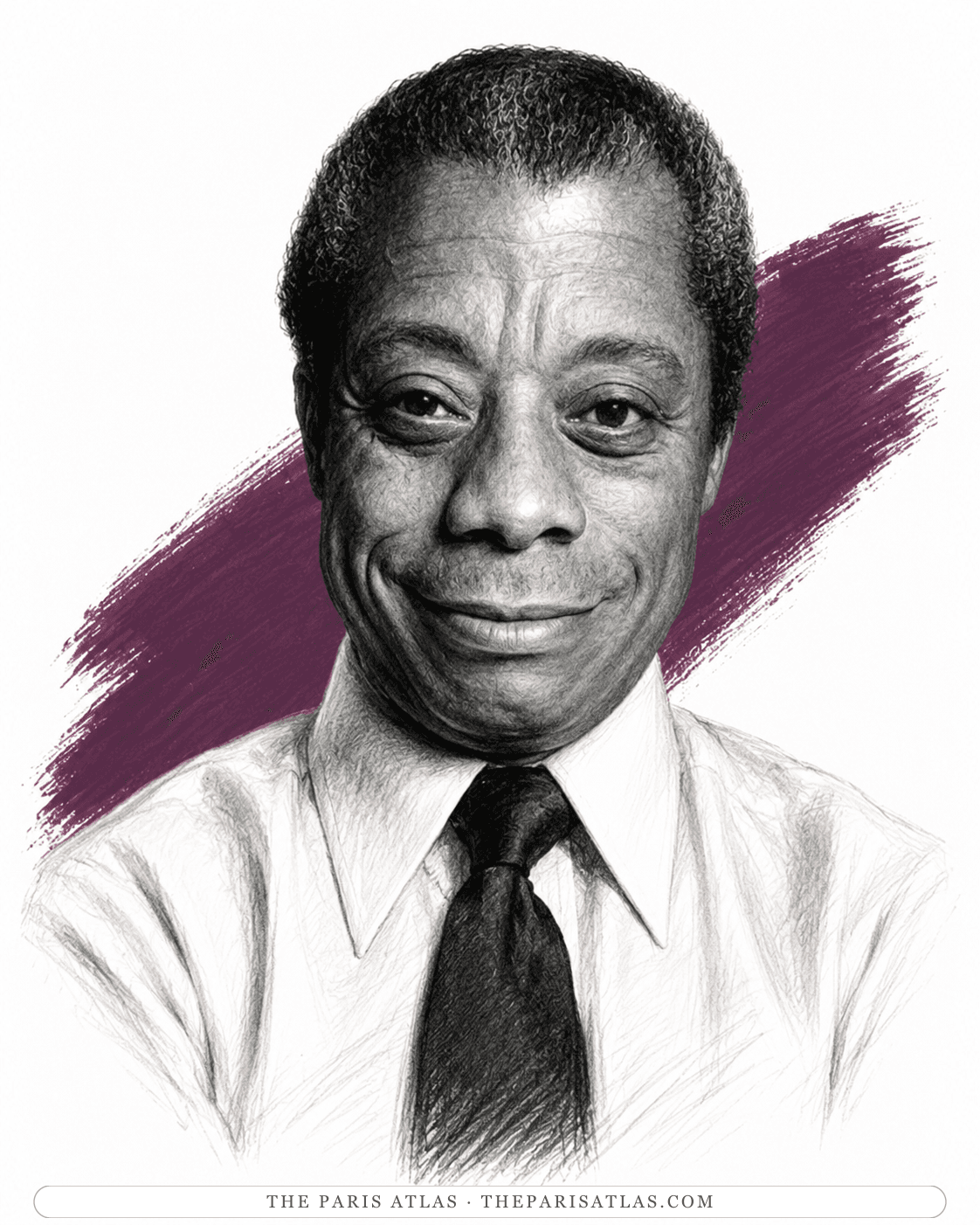
Illustrated portrait of James Baldwin

James Baldwin

  • Author
  • Playwright
  • Critic
  • +1

Met

Baldwin was among the socially engaged writers — with Lorraine Hansberry and Langston Hughes — whom Simone credited with her political education in the 1960s, the friends of the Black intelligentsia behind her turn to protest songwriting.
Malik Gaines, Young, Gifted, and Black: On the Politicization of Nina Simone (Black Performance on the Outskirts of the Left) (2017)

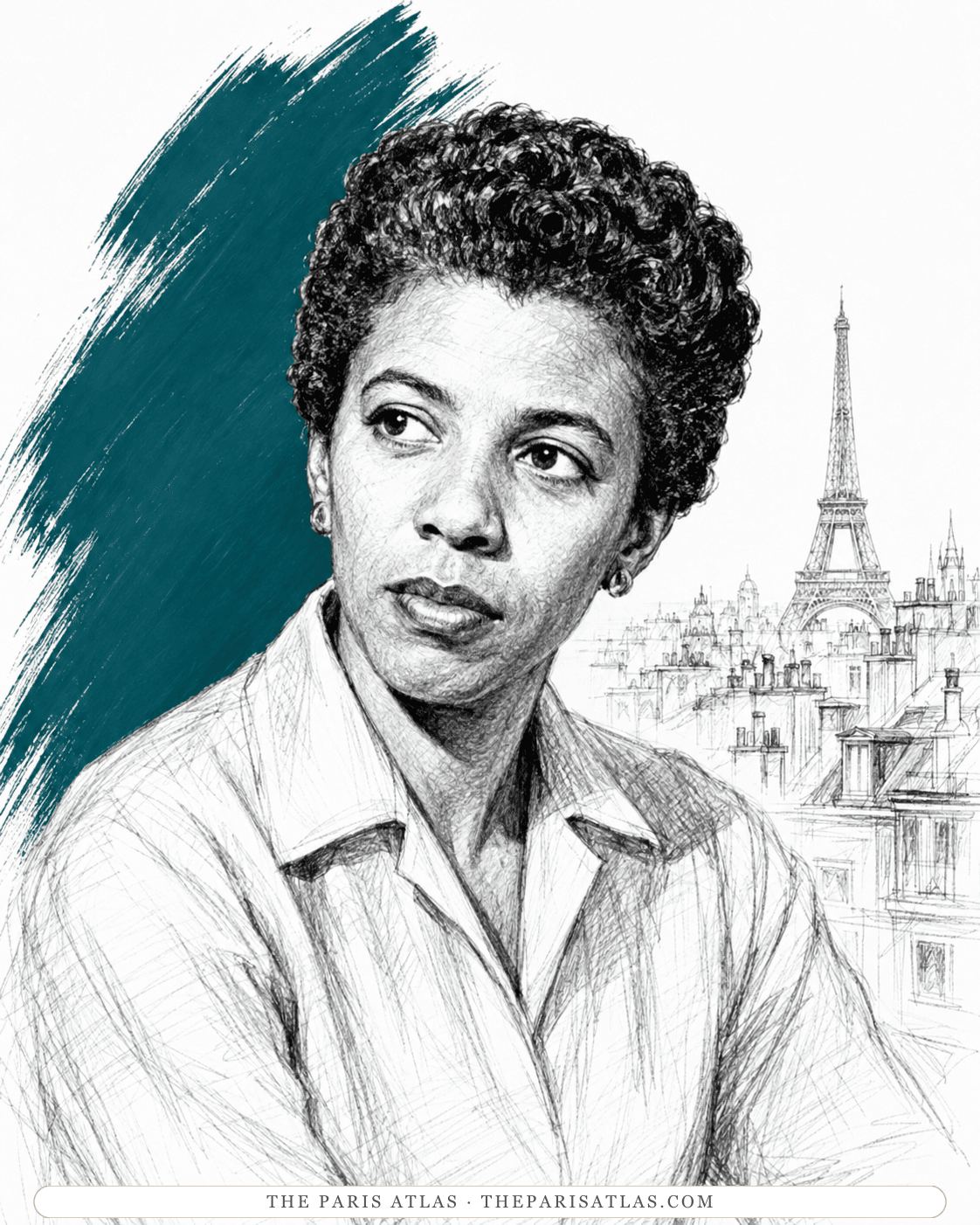
Illustrated portrait of Lorraine Hansberry

Lorraine Hansberry

  • Playwright

Met

Hansberry was Simone's closest political tutor — "it was always Marx, Lenin and revolution — real girls' talk," Simone recalled — and the friend with whom she attended organizing meetings in New York. Simone's anthem To Be Young, Gifted and Black took its title from Hansberry's unfinished autobiographical play.

Malik Gaines, Young, Gifted, and Black: On the Politicization of Nina Simone (Black Performance on the Outskirts of the Left) (2017)

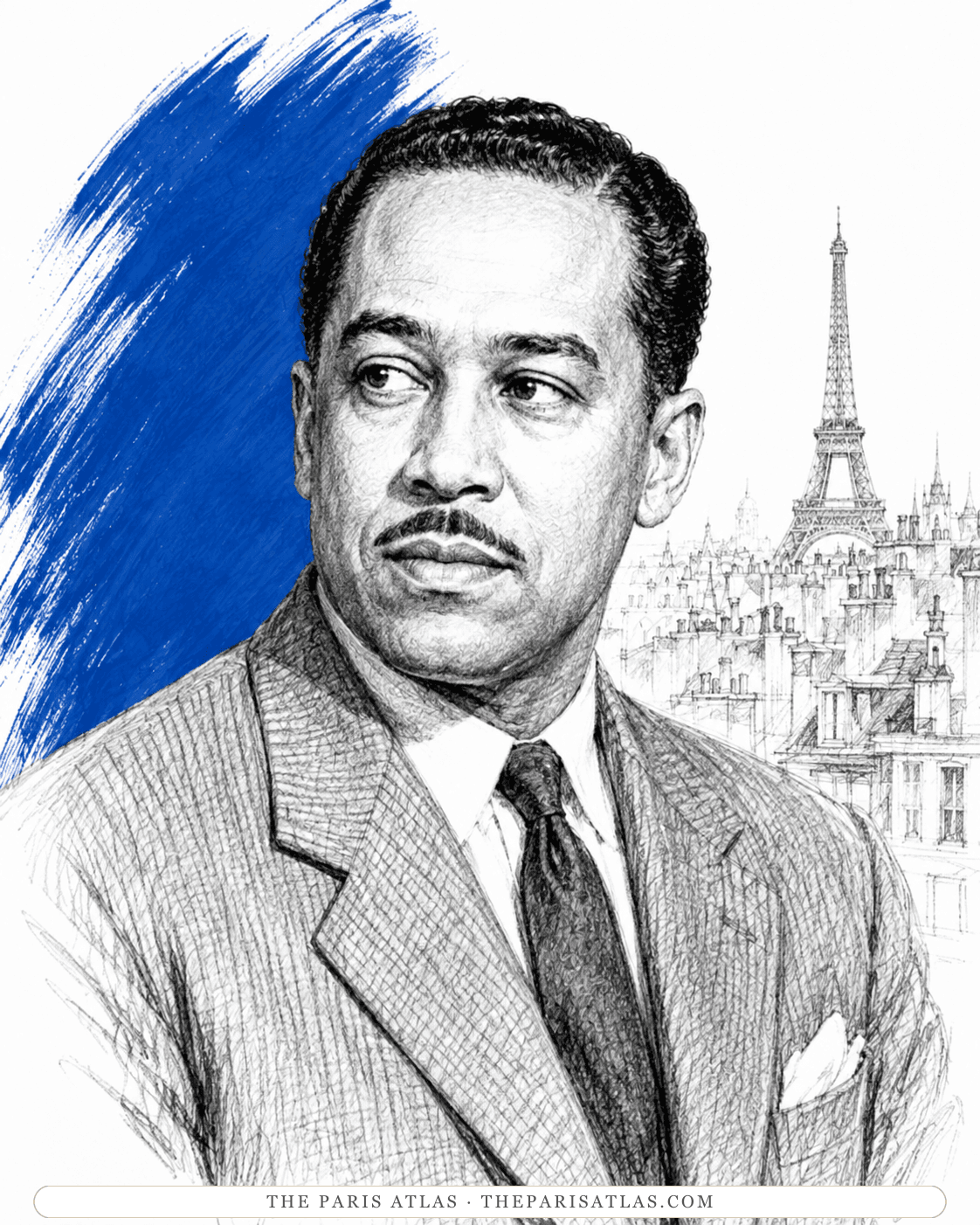
Illustrated portrait of Langston Hughes

Langston Hughes

  • Poet
  • Author
  • Playwright
  • +1

Collaborated with · 1966–1967

Shortly before his death Hughes sent Simone the poem "The Backlash Blues"; she set it to music and recorded it on Nina Simone Sings the Blues (1967). Their 1960s correspondence survives, and Simone's 1966 letter to Hughes is held at the Beinecke Library.

Nina Simone Writes an Admiring Letter to Langston Hughes (2020); The Backlash Blues: Nina Simone and Langston Hughes, a Digital Archive

Questions about Nina Simone

What was Nina Simone's real name?

Eunice Kathleen Waymon. She was born under that name in Tryon, North Carolina, on 21 February 1933, and adopted the stage name in 1954 to keep her mother from learning she was playing in an Atlantic City bar — Nina from a boyfriend's pet name, Simone after the French actress Simone Signoret.

Was Nina Simone classically trained?

Yes. She trained as a classical pianist from early childhood, supported by a fund her North Carolina hometown raised for her education, and studied at Juilliard in the summer of 1950. The Curtis Institute of Music rejected her audition in 1951 — a rejection she attributed to race — and the classical career never happened. Curtis awarded her an honorary degree in April 2003, two days before her death.

What is Mississippi Goddam about?

It is Nina Simone's response to two events of 1963: the murder of the civil-rights leader Medgar Evers in Jackson, Mississippi, in June, and the bombing of the 16th Street Baptist Church in Birmingham, Alabama, that September, which killed four girls. She released it on the 1964 live album Nina Simone in Concert, and it marked her turn to open protest songwriting.

Why did Nina Simone leave the United States?

She left for Barbados in 1970 as her marriage to her manager Andrew Stroud collapsed, and did not come back to live: she faced a warrant over federal taxes she said she had withheld in protest against the Vietnam War, and she believed the music industry had punished her career for Mississippi Goddam. She lived in Liberia, Switzerland, Paris, and the Netherlands before settling in the south of France in 1993.

Did Nina Simone live in Paris?

Yes, from about 1981 to 1983, at the lowest point of her career. She lived in a small apartment near the Parc Montsouris and sang at Aux Trois Mailletz, a cabaret in the Latin Quarter, sometimes standing on the sidewalk to invite passers-by in. The revival that began with My Baby Just Cares for Me in 1987 came after she had moved on.

How did Nina Simone die?

Of breast cancer, at her home in Carry-le-Rouet in the south of France, on 21 April 2003. She was seventy. Two days before her death the Curtis Institute of Music, which had rejected her in 1951, awarded her an honorary degree. Her ashes were scattered, as she asked, in several African countries.

Sourced claims

Every connection the graph holds for Nina, with the evidence behind it.

Met

James Baldwin

Baldwin was among the socially engaged writers — with Lorraine Hansberry and Langston Hughes — whom Simone credited with her political education in the 1960s, the friends of the Black intelligentsia behind her turn to protest songwriting.

Malik Gaines, Young, Gifted, and Black: On the Politicization of Nina Simone (Black Performance on the Outskirts of the Left) (2017)

Met

Lorraine Hansberry

Hansberry was Simone's closest political tutor — "it was always Marx, Lenin and revolution — real girls' talk," Simone recalled — and the friend with whom she attended organizing meetings in New York. Simone's anthem To Be Young, Gifted and Black took its title from Hansberry's unfinished autobiographical play.

Malik Gaines, Young, Gifted, and Black: On the Politicization of Nina Simone (Black Performance on the Outskirts of the Left) (2017)

Collaborated with · 1966–1967

Langston Hughes

Shortly before his death Hughes sent Simone the poem "The Backlash Blues"; she set it to music and recorded it on Nina Simone Sings the Blues (1967). Their 1960s correspondence survives, and Simone's 1966 letter to Hughes is held at the Beinecke Library.

Nina Simone Writes an Admiring Letter to Langston Hughes (2020); The Backlash Blues: Nina Simone and Langston Hughes, a Digital Archive