
The Paris AtlasCharting the artists, works, and places worth returning to.

Hotel · Vendôme (between the Tuileries and the place Vendôme) · 1er arrondissement

Hôtel Lotti

The buildingStill standing
Getting inIn, as a customer
What's there nowA successor, same room

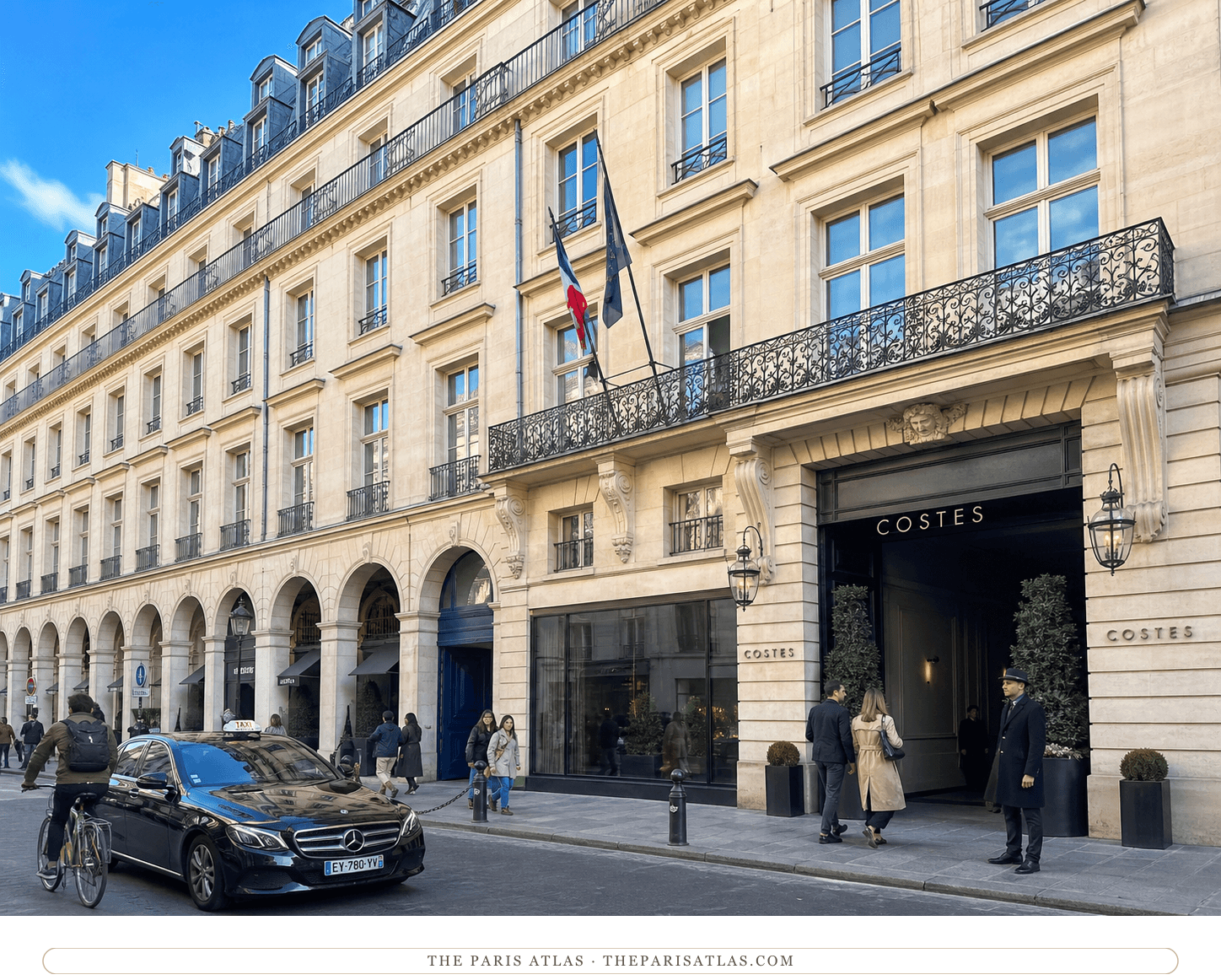
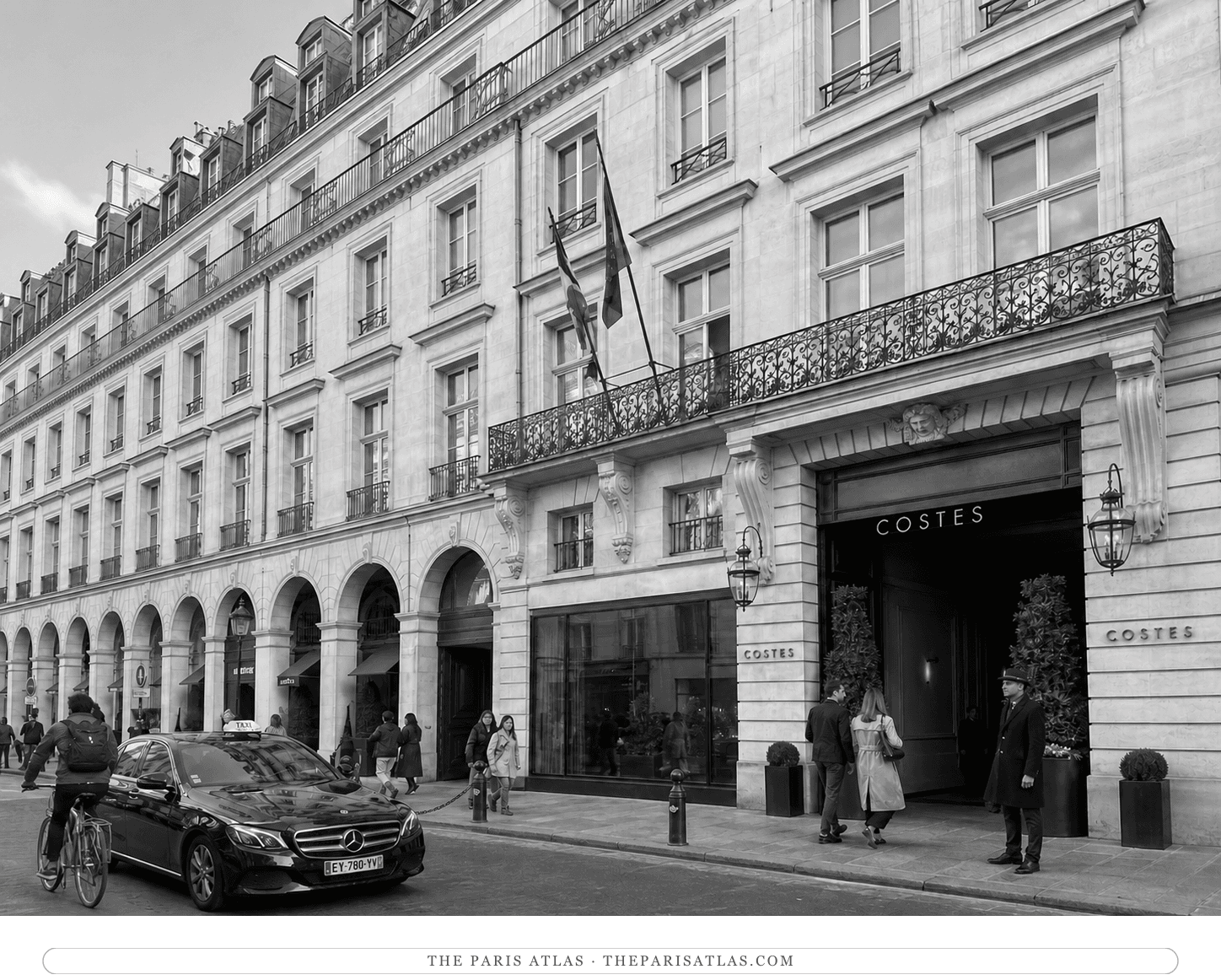
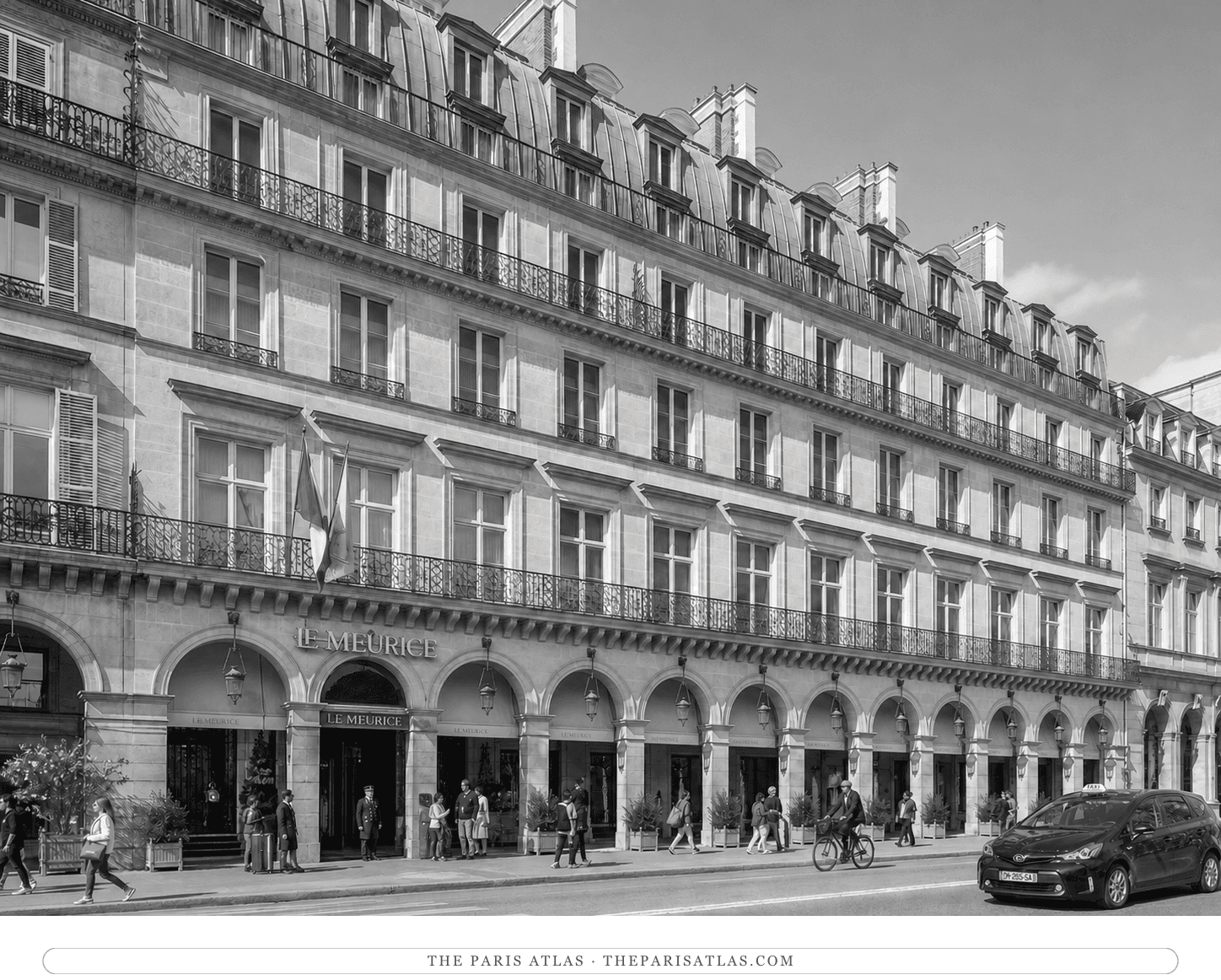
No longer trading as the Lotti. The property was taken into the Hôtel Costes, which operates at the address with a restaurant and bar.

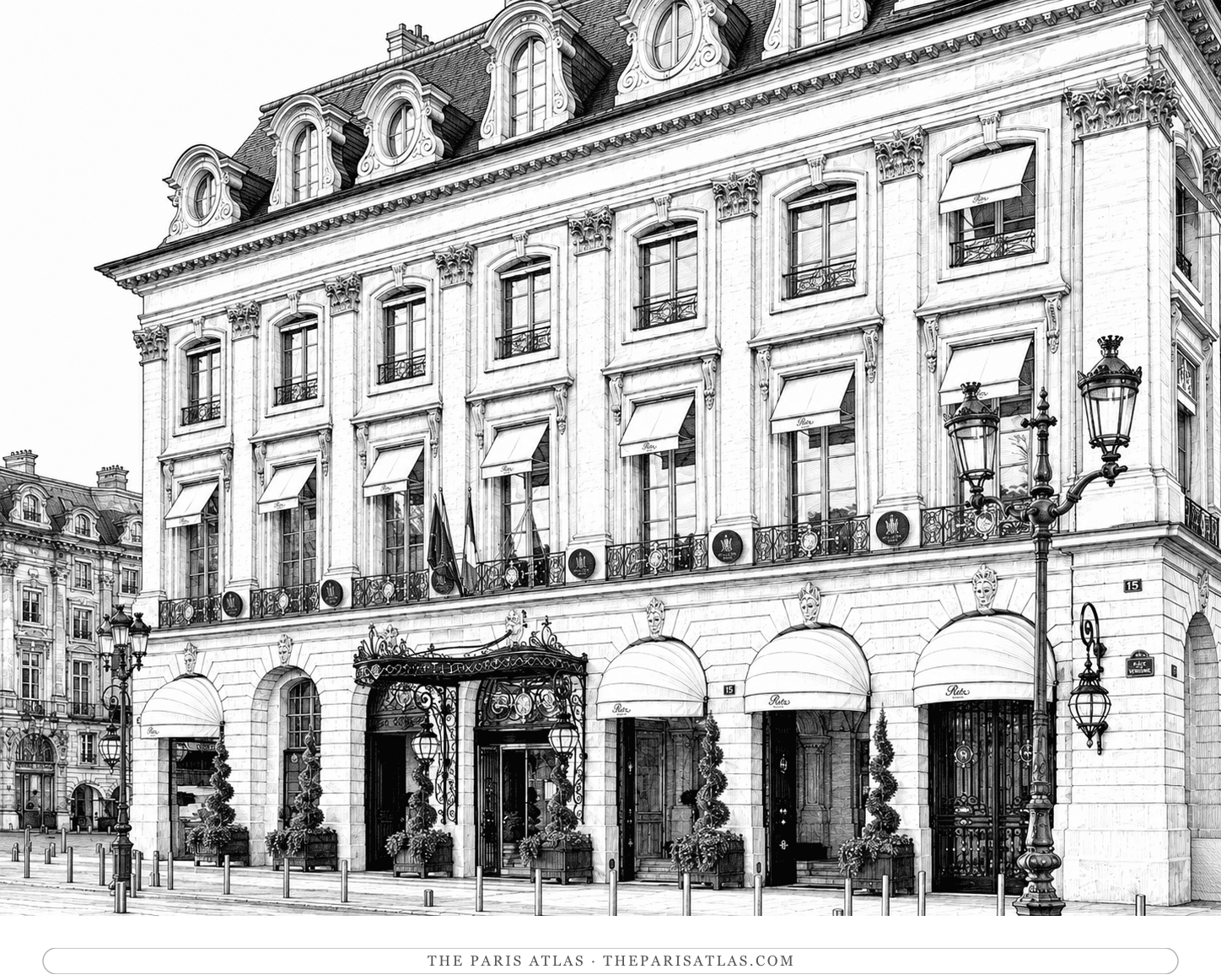
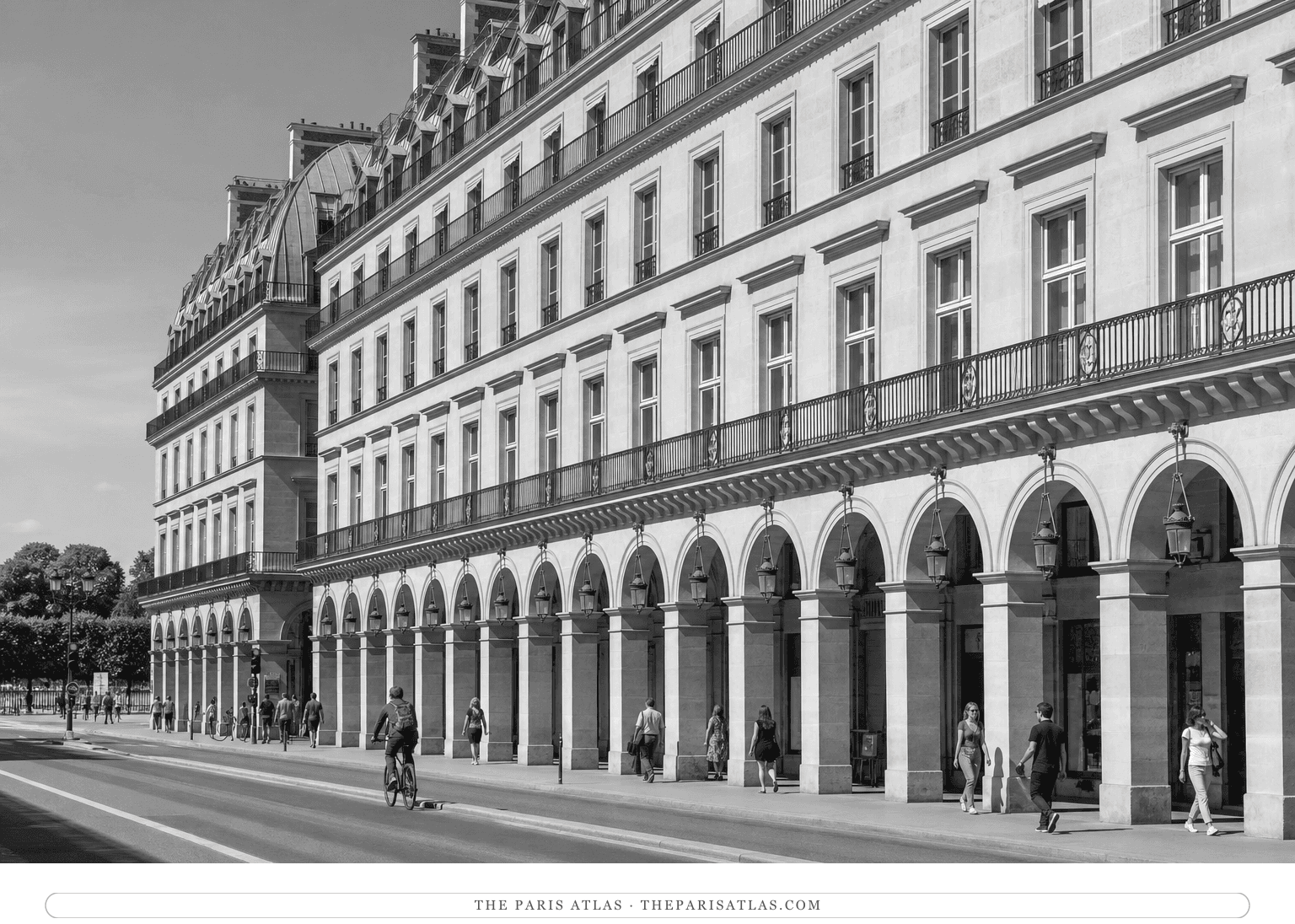
A luxury hotel on the rue de Castiglione, between the Tuileries and the place Vendôme. It is the strongest candidate for the "Hotel X" of Down and Out in Paris and London — the vast, filthy basement kitchen where George Orwell worked seventeen-hour days as a plongeur. It trades today as part of the Hôtel Costes.

Address
7 rue de Castiglione, 75001 Paris
Years
Orwell washed dishes here in 1929

The place, briefly

The best-known section of Down and Out in Paris and London is set below ground. George Orwell takes a job as a plongeur — a dishwasher — in the basement of a grand hotel he calls only the Hotel X, and describes a world the guests upstairs never see: heat, filth, seventeen-hour days, a rigid hierarchy running from the manager down to the men in the scullery, and food carried up through corridors no diner would want to look at.

The identification of the Hotel X with the Lotti is the strongest one available, and it is an identification rather than something Orwell confirmed. He named neither this hotel nor the hospital nor the restaurant he worked in, and the book relocates at least one of them outright.

What makes the passage matter is not the address but the argument he builds on it. Orwell's case is that the luxury the guests are paying for is produced by conditions the guests would not tolerate for a moment if they saw them, and that the whole arrangement depends on the two things never being in the same room. The kitchen is separated from the dining room by a swing door, and he treats that door as the point of the entire system.

He also makes the sharper claim: that a plongeur's work is not merely hard but largely pointless — that the hours exist to sustain an idea of luxury rather than to feed anyone, and that the job is a modern form of servitude maintained because it is convenient to the people upstairs.

The Lotti no longer trades under its own name; the property was absorbed into the Hôtel Costes, which runs at the address with a restaurant and bar. So the building is enterable, in the way the guests entered it — which is the wrong door for this story, and worth thinking about while you are in there.

Key facts

Why it matters here
The strongest candidate for the "Hotel X" of Down and Out
What Orwell did
Worked as a plongeur — a dishwasher — in the basement kitchen
The hours
Up to seventeen-hour days
How certain
An identification, not something Orwell confirmed — he named none of his Paris workplaces
Where
7 rue de Castiglione, between the Tuileries and the place Vendôme
Today
Absorbed into the Hôtel Costes; restaurant and bar at the address

Timeline

  1. 1929

    Orwell works as a plongeur in the basement kitchen of the hotel he will call the Hotel X.

  2. 1933

    Down and Out in Paris and London is published, with the kitchen chapters at its centre.

  3. 2026

    The property trades as part of the Hôtel Costes.

On the map

Questions before you go

Was the Hôtel Lotti really Orwell's "Hotel X"?

It is the strongest identification, but it is an identification rather than a confirmed fact. Orwell deliberately withheld the names of his Paris workplaces — the hotel, the restaurant and the hospital are all disguised, and at least one of them is relocated in the book. Treat it as the best available answer rather than a settled one.

What is a plongeur?

A dishwasher — the lowest job in a French hotel or restaurant kitchen. Orwell worked as one in a luxury hotel basement for up to seventeen hours a day, and the chapters describing it are the most famous part of Down and Out in Paris and London.

What is Orwell's argument about hotel kitchens?

That the luxury sold upstairs is produced by conditions the customers would never accept if they saw them, and that the system depends on the two never meeting. He goes further and argues the plongeur's hours are largely pointless — sustaining an idea of luxury rather than feeding anyone — and amount to a modern servitude kept in place because it suits the people above.

Can you visit the Hôtel Lotti?

Not under that name. The property was taken into the Hôtel Costes and operates at 7 rue de Castiglione with a restaurant and bar, so you can go in as a customer — through the front, which is the opposite of the way Orwell knew the building.

Writers who knew this place

Illustrated portrait of George Orwell

George Orwell

British · English novelist, essayist and journalist, born Eric Arthur Blair, who wrote Animal Farm and Nineteen Eighty-Four. He was an imperial policeman in Burma, a plongeur in Paris kitchens off the rue Mouffetard, and a militiaman shot through the neck in Spain before any of it.

Worked here · 1929

The strongest identification of the "Hotel X" where Orwell worked as a plongeur, up to seventeen hours a day in the basement kitchen. Orwell withheld the name, as he did for the hospital and the restaurant, so this is an identification rather than a confirmation.

George Orwell, Down and Out in Paris and London (1933)

Within walking distance

The Friday Letter

Paris, one address at a time.

The cafés, studios, and walk-up flats where the work was made — one story from the map in every letter.

One email a week. No spam, no selling your address. Unsubscribe anytime.