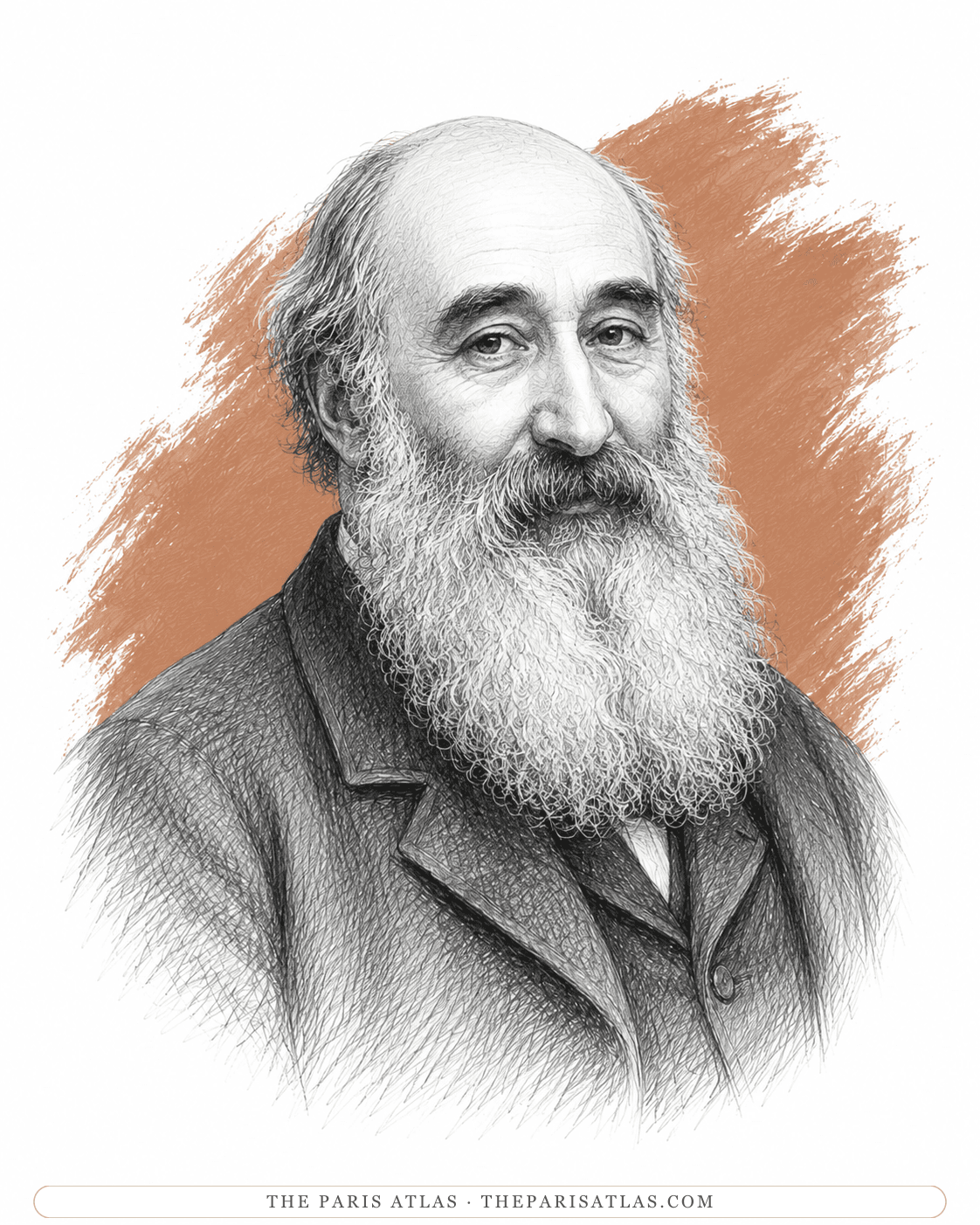
Camille Pissarro
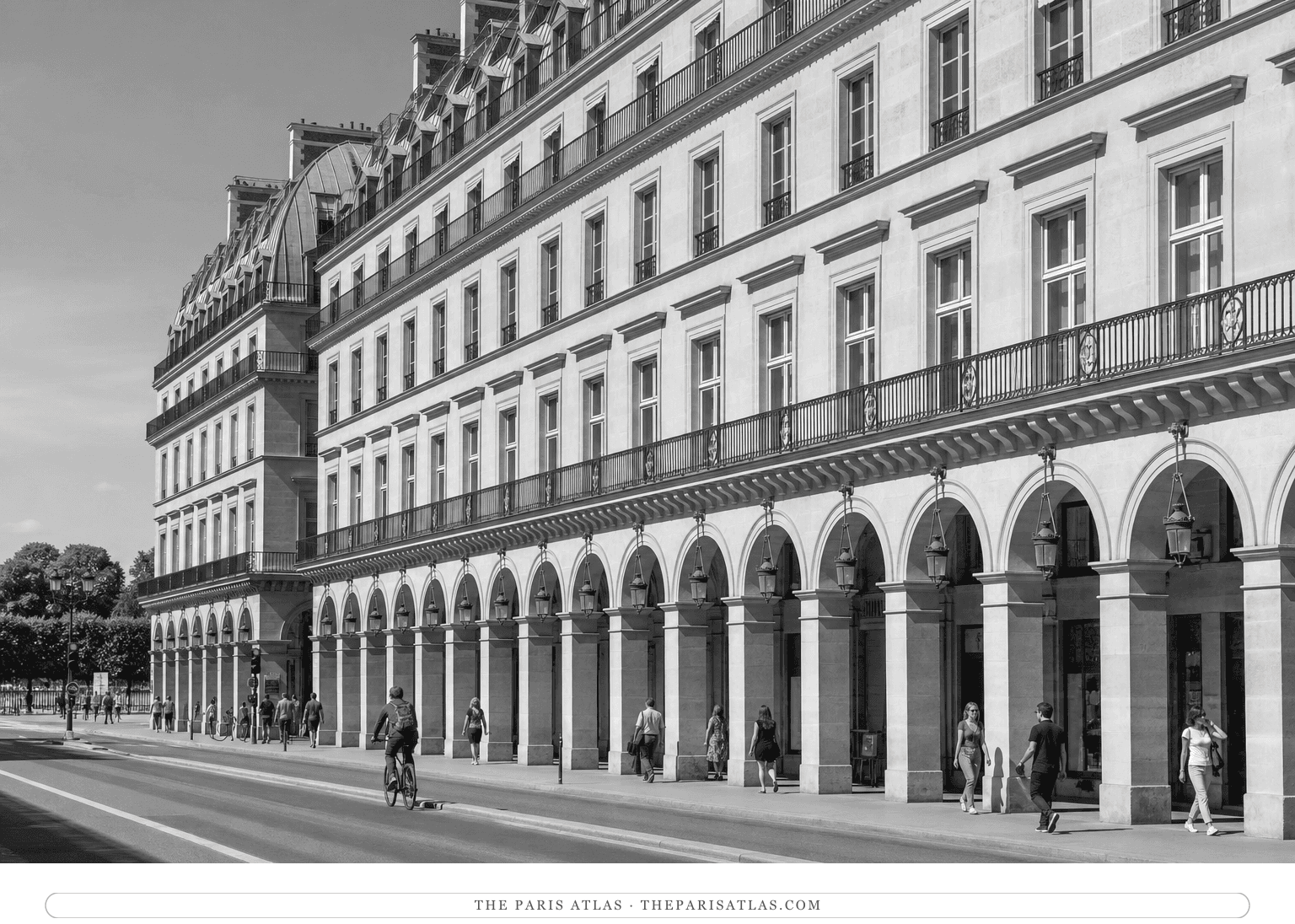
Pissarro rented a large apartment at 204 rue de Rivoli for the first half of 1899 and painted at least six views of the Jardin des Tuileries from its windows.
The apartment Camille Pissarro took for the first half of 1899, facing the Jardin des Tuileries — at least six versions of the garden came out of its windows, sorted by weather, hour and season.

Camille Pissarro rented a large apartment at 204 rue de Rivoli for the first half of 1899, and did there what he had done on the boulevard Montmartre two years earlier: took one view and worked it repeatedly.
The view was the Jardin des Tuileries, seen from above and across, with the roofs of the Louvre closing the far side. At least six canvases of the garden survive from the stay, varied by season, weather and time of day rather than by subject. Winter afternoons, bare trees, wet gravel, the pattern of the parterres.
The arcaded rue de Rivoli was itself a nineteenth-century imposition on the old city, and the apartment sat directly above the arcade with the garden opposite — an almost ideal arrangement for a painter who wanted a permanent, elevated, weatherproof viewpoint.
One caution worth keeping. The Metropolitan Museum's records establish the address and what he painted from it. They do not establish that the building standing today is the same fabric he rented, so this record pins the address rather than claiming the walls.
Pissarro rents the apartment and paints the Tuileries series in the first half of the year.
The Jardin des Tuileries, in at least six canvases made during the first half of 1899, varied by weather, season and time of day.
The address and the view are documented by the Metropolitan Museum. Whether the present structure is the identical building has not been confirmed here, so the record claims the address, not the fabric.
Pissarro rented a large apartment at 204 rue de Rivoli for the first half of 1899 and painted at least six views of the Jardin des Tuileries from its windows.

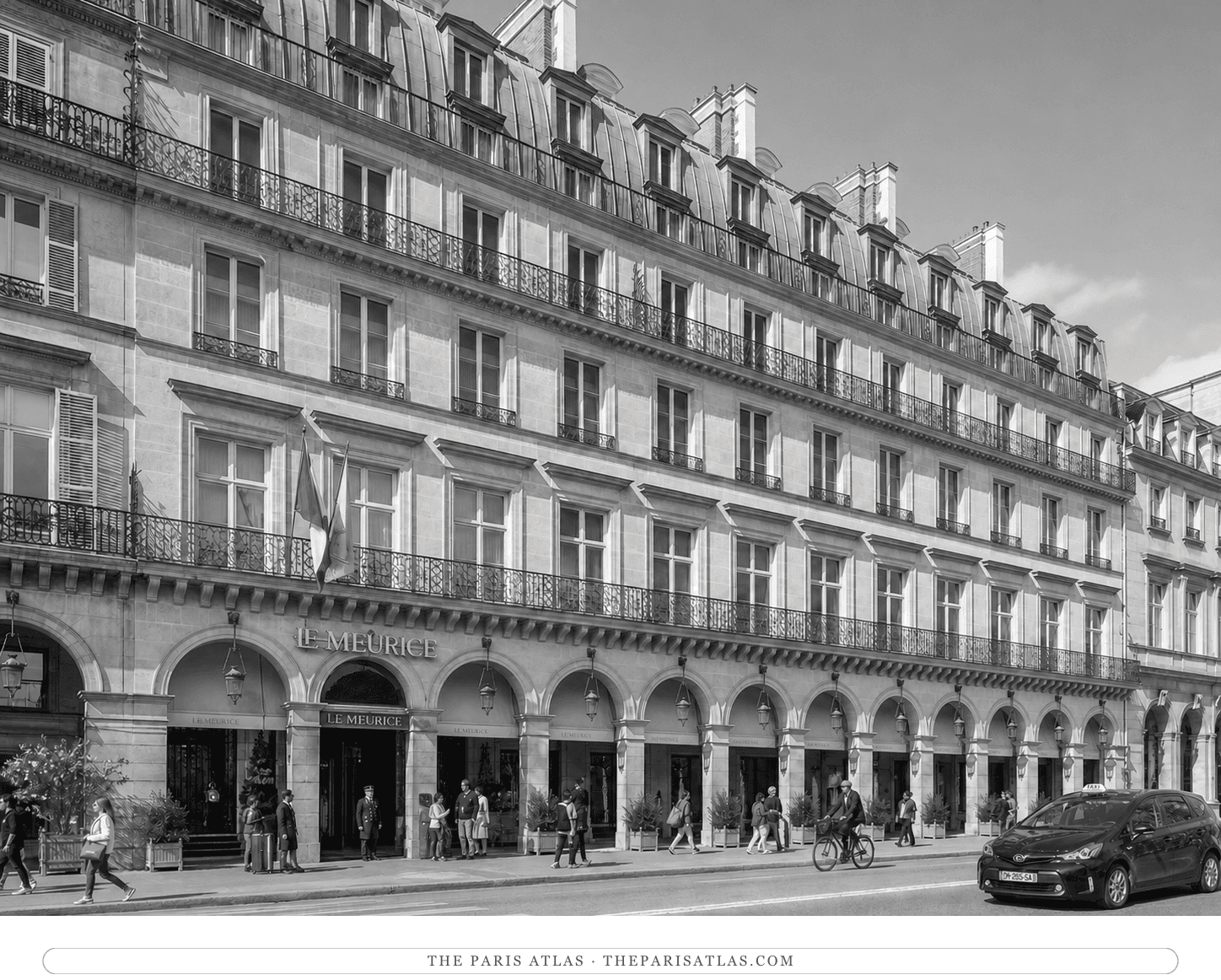
A grand hotel on the rue de Rivoli facing the Tuileries, and the Paris address Salvador Dalí returned to for roughly thirty years — arriving for a month at a time with a retinue, and treating the suite as a studio, a stage and a place to be seen.
Visit the place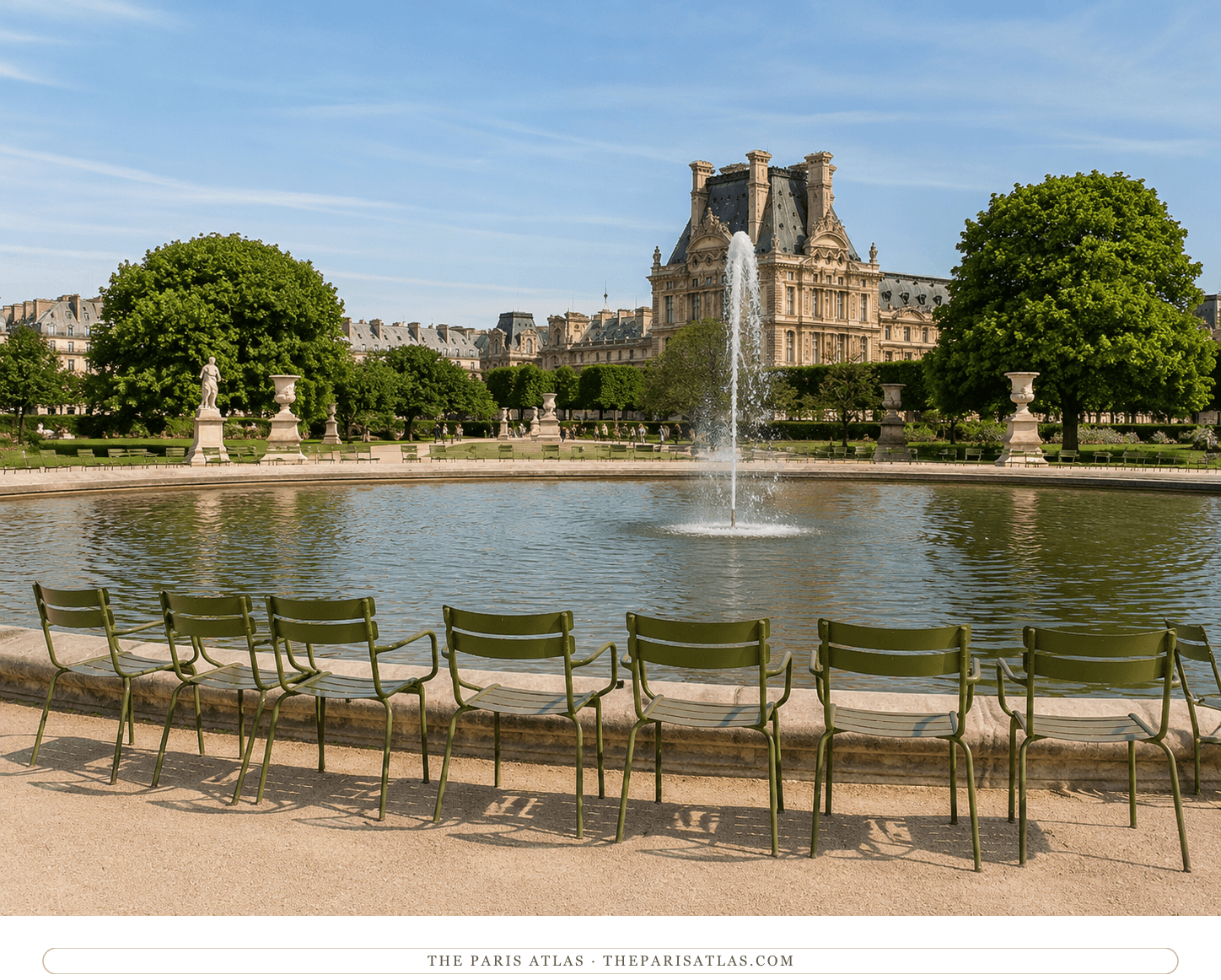
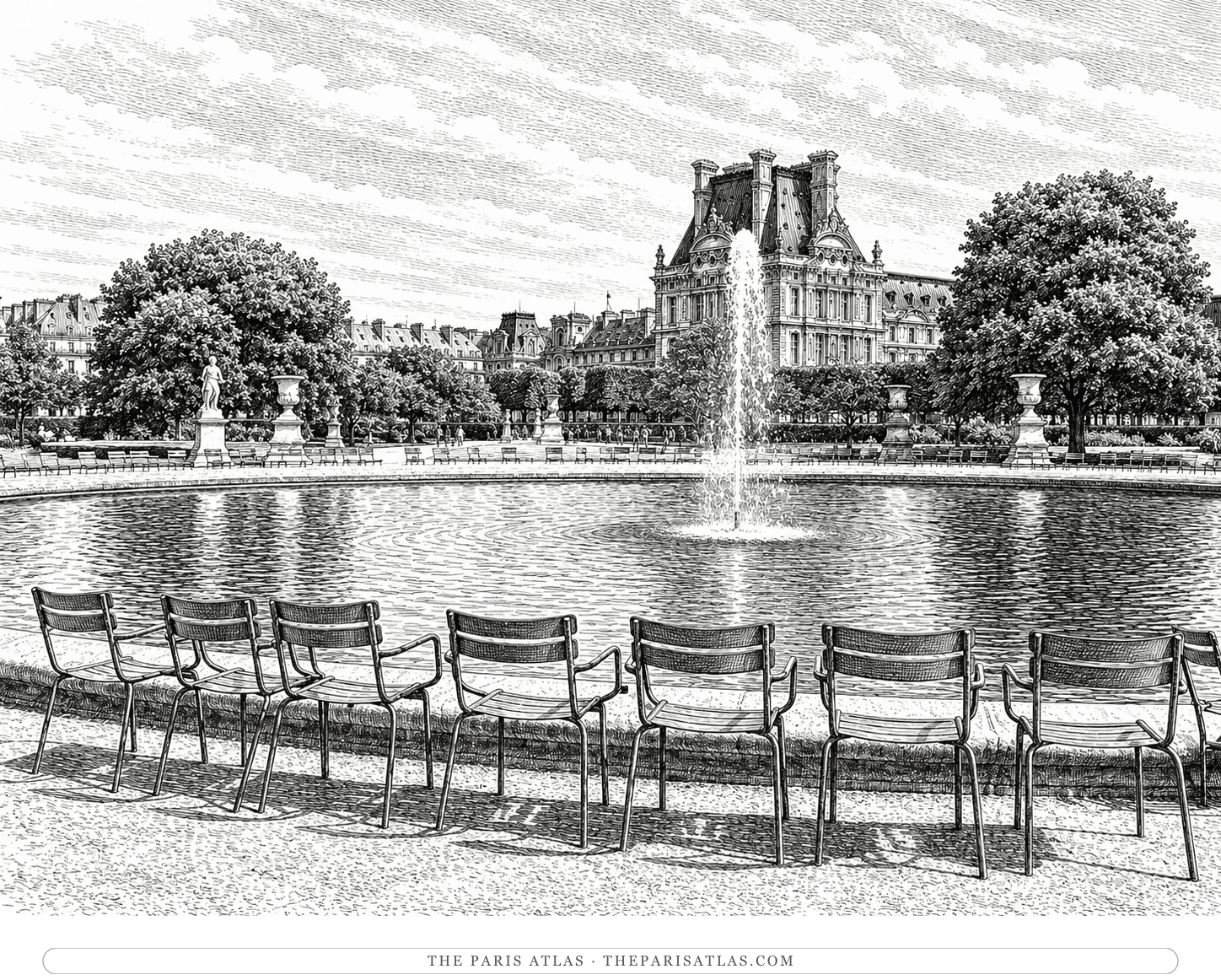
André Le Nôtre's great axis between the Louvre and the Concorde — the garden every walker in these pages crossed sooner or later, palace or no palace.
Visit the place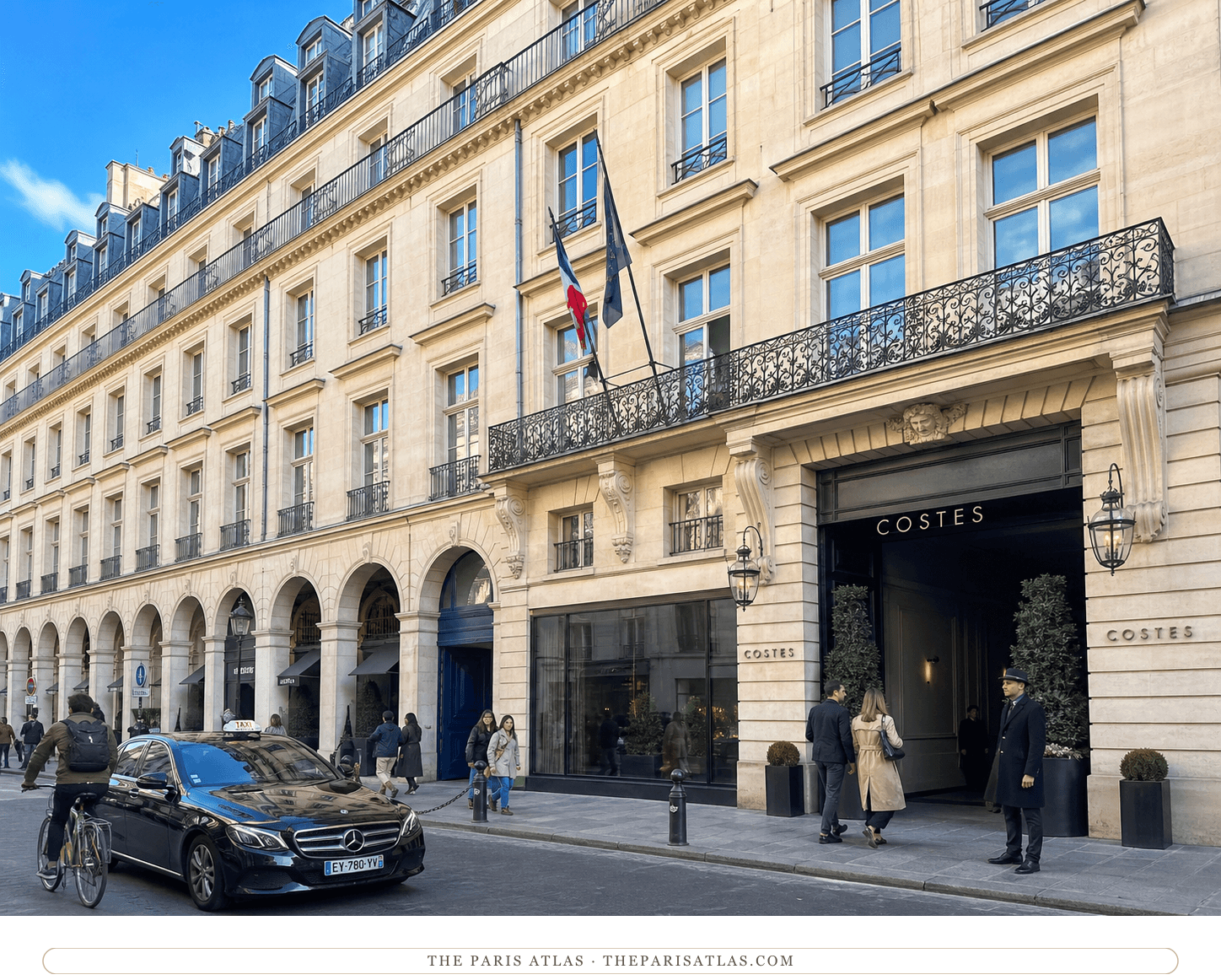
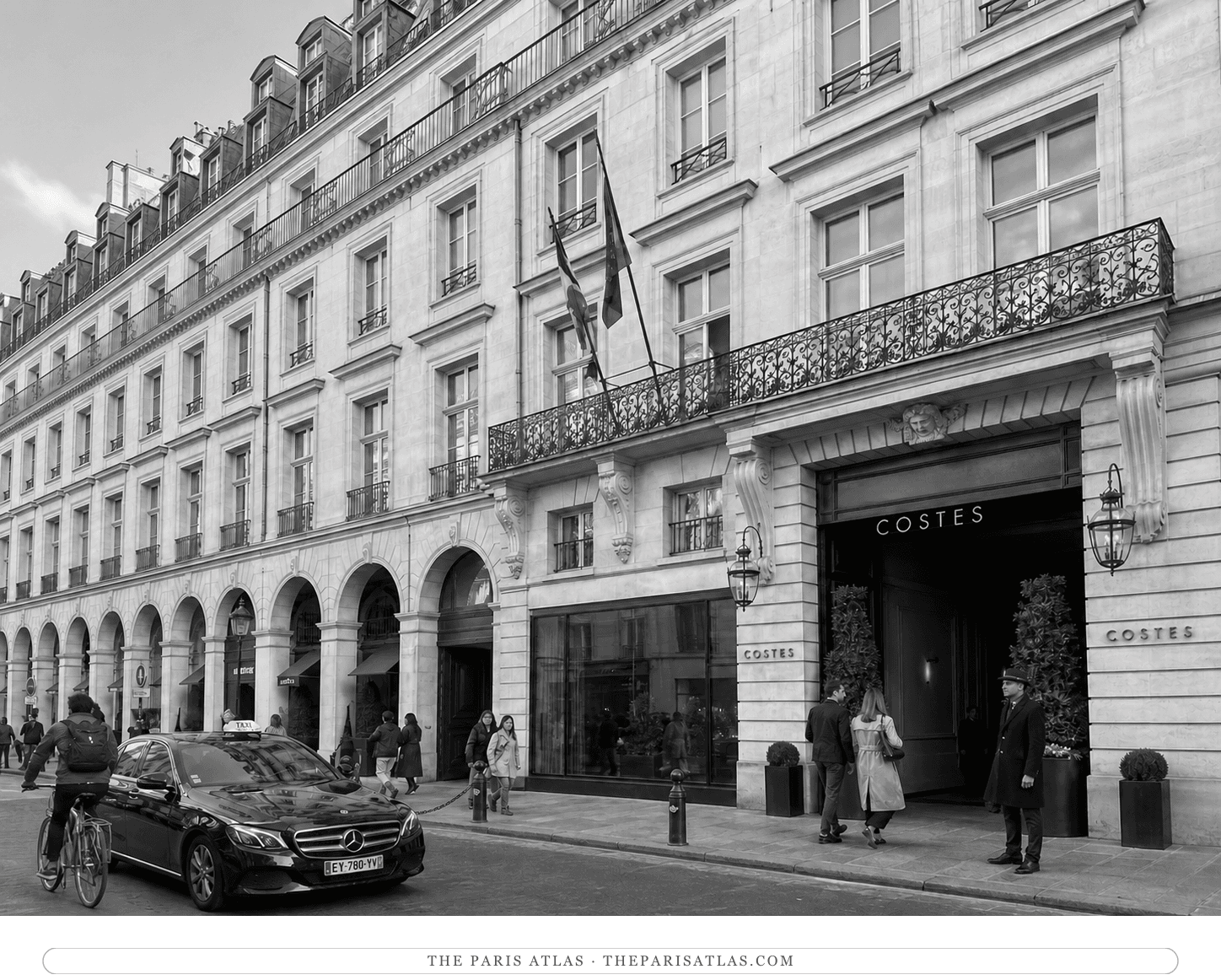
A luxury hotel on the rue de Castiglione, between the Tuileries and the place Vendôme. It is the strongest candidate for the "Hotel X" of Down and Out in Paris and London — the vast, filthy basement kitchen where George Orwell worked seventeen-hour days as a plongeur. It trades today as part of the Hôtel Costes.
Visit the place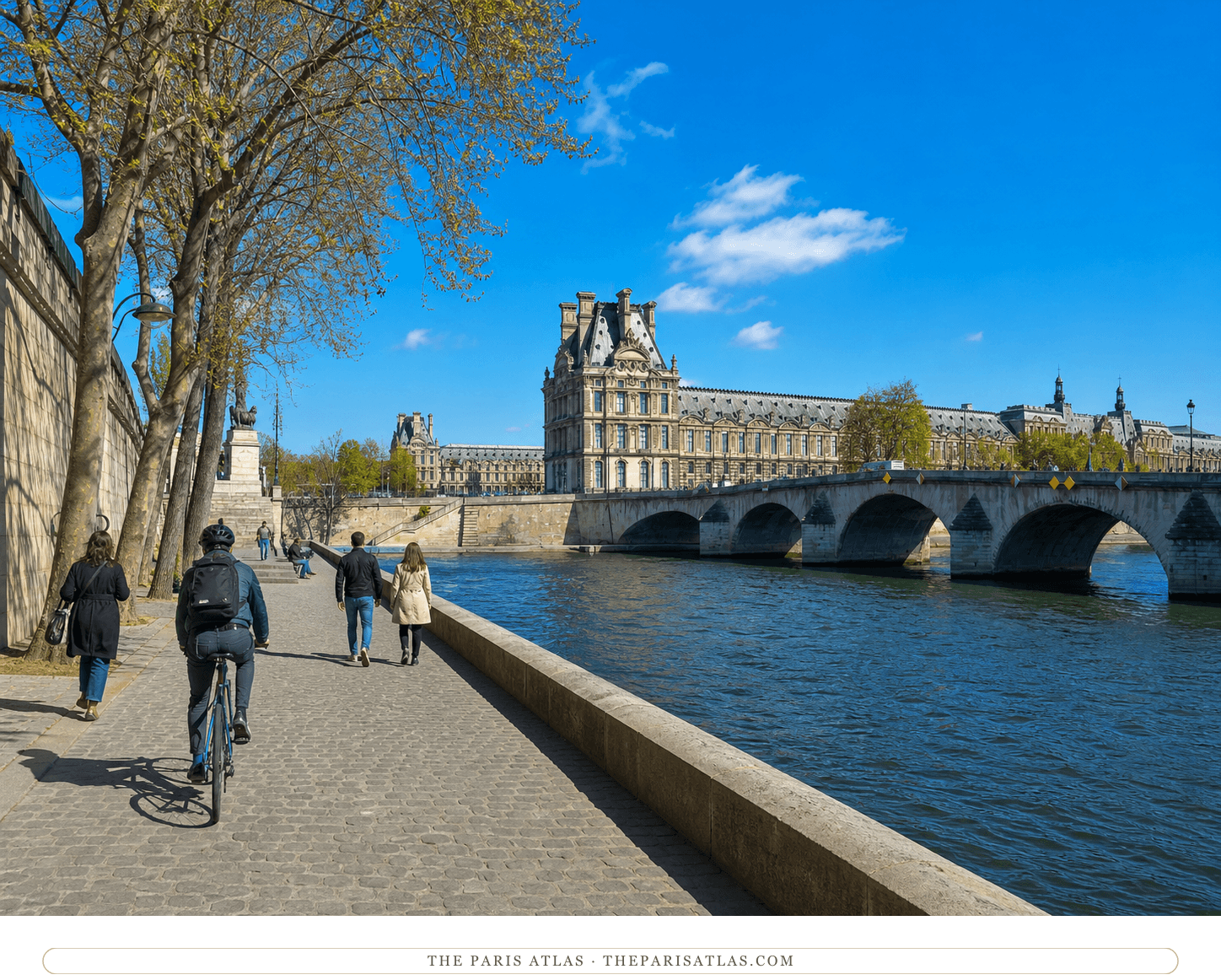
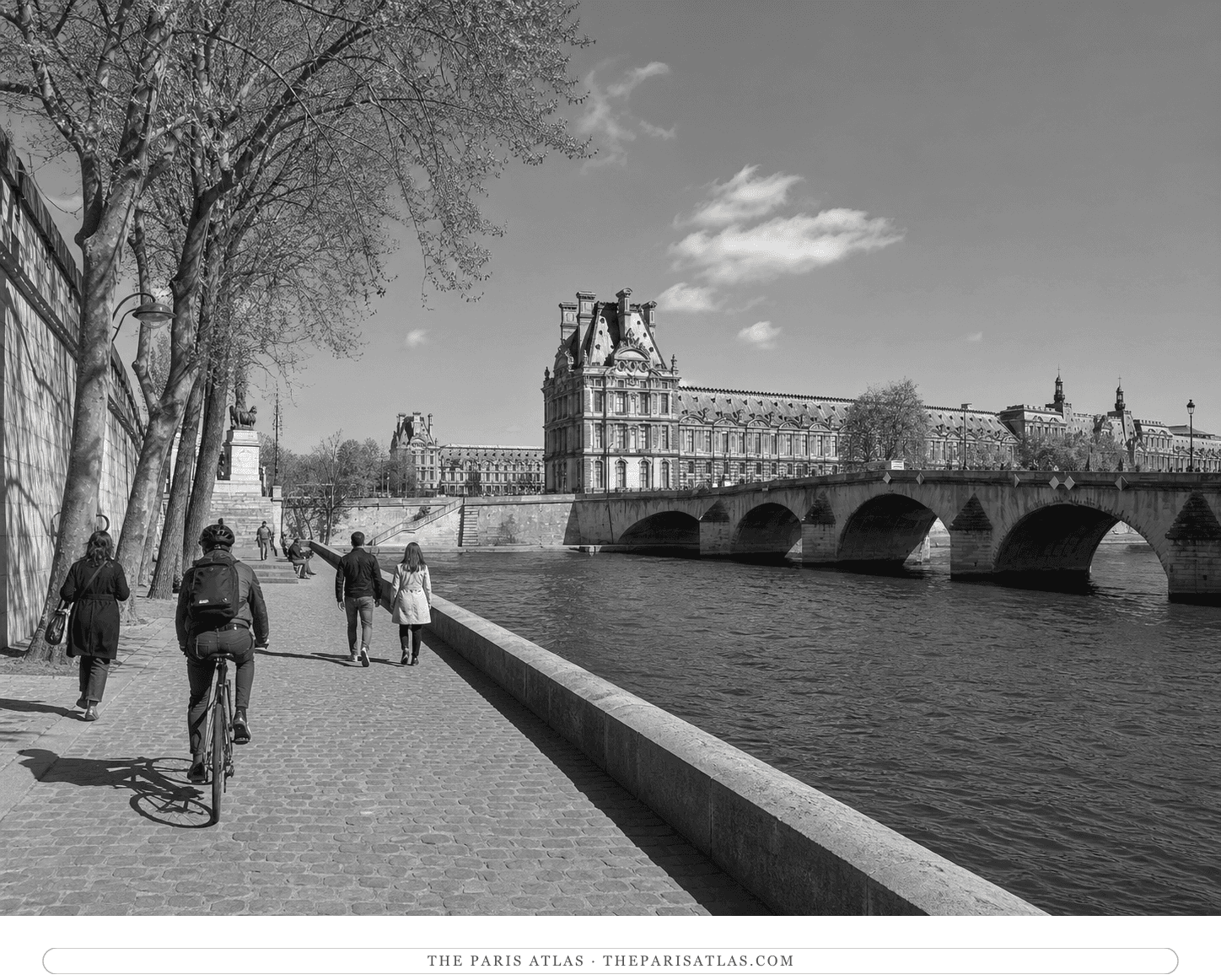
The houseboat Anaïs Nin rented from the actor Michel Simon on 28 February 1938, moored on the quai des Tuileries near the Pont Royal. She kept it until August, when boats were ordered out of the city and it had to be towed to Neuilly. Photographs of her aboard survive with her 1938 diary.
Visit the placeThe sources below include histories, archival materials, scholarly research, and official records that informed this page. They document 204 rue de Rivoli, the people connected to it, and its place in Paris.


Web source consulted for documented facts and historical context presented on the 204 rue de Rivoli page.
Web source consulted for documented facts and historical context presented on the 204 rue de Rivoli page.
Web source consulted for documented facts and historical context presented on the 204 rue de Rivoli page.
Web source consulted for documented facts and historical context presented on the 204 rue de Rivoli page.
These references provide the documented foundation for this page's history and context. Claim-level citations remain attached to the specific claims they support.
 Explore more resources
Newsletter
The cafés, studios, and walk-up flats where the work was made — one story from the map in every letter.