The place, briefly
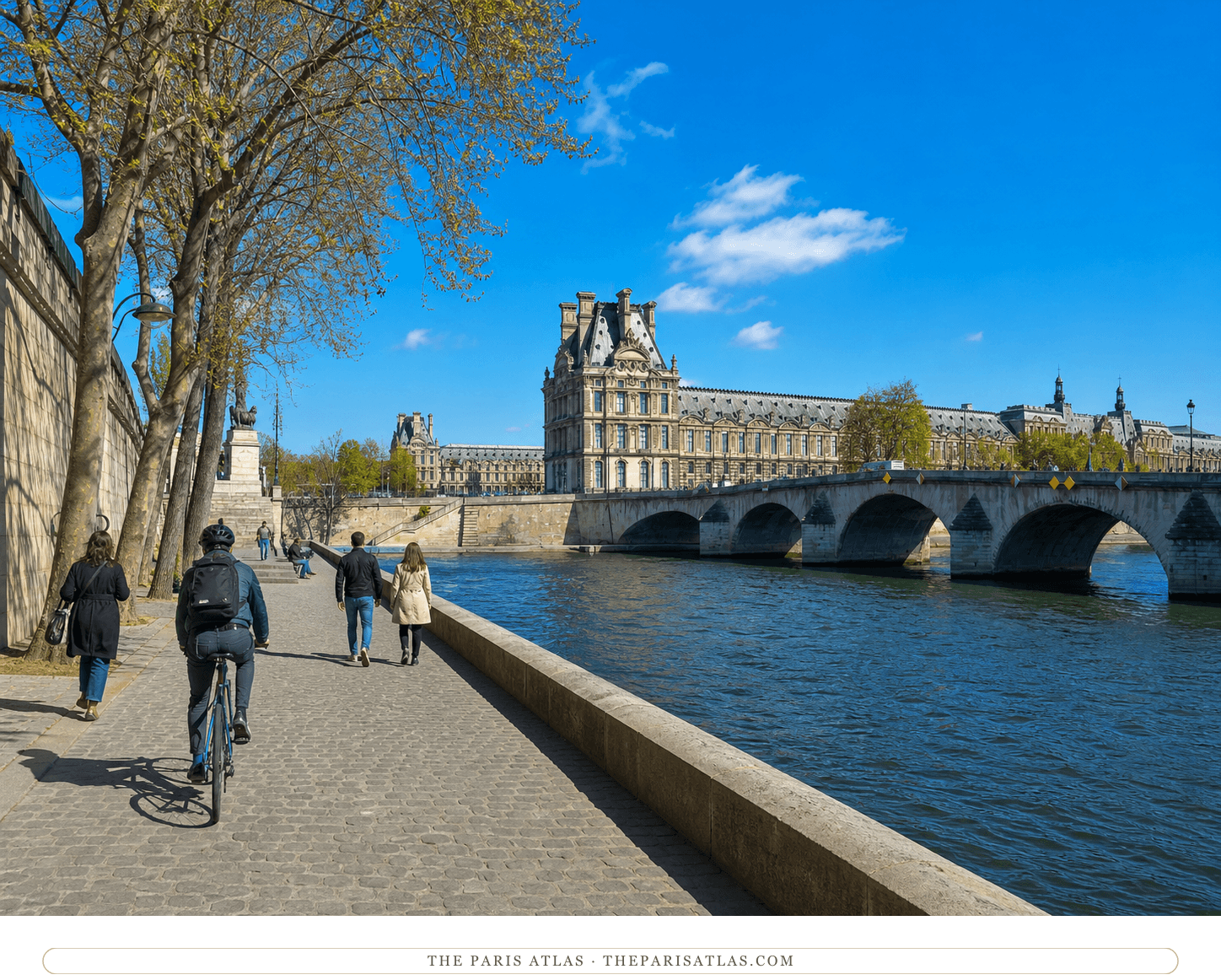
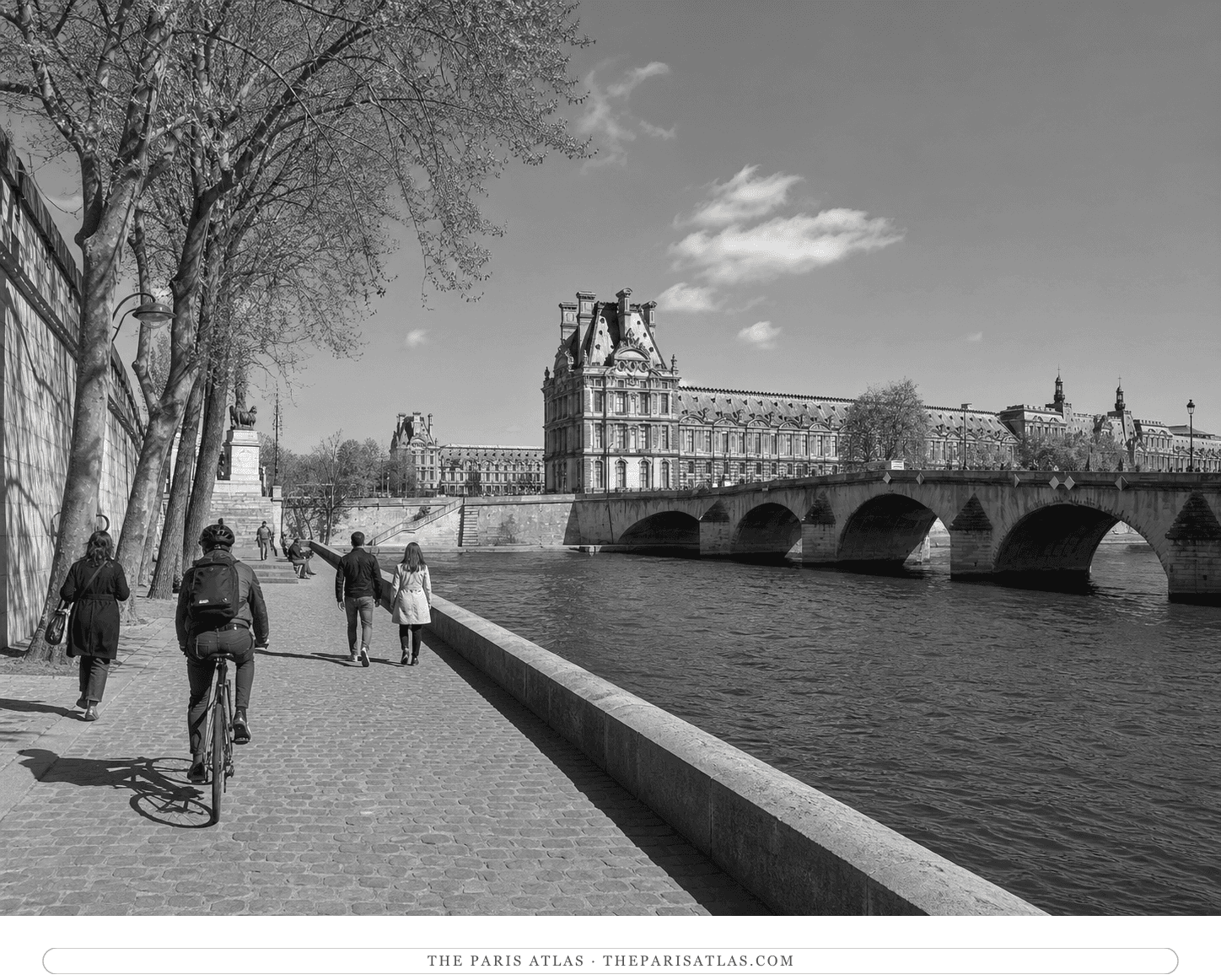
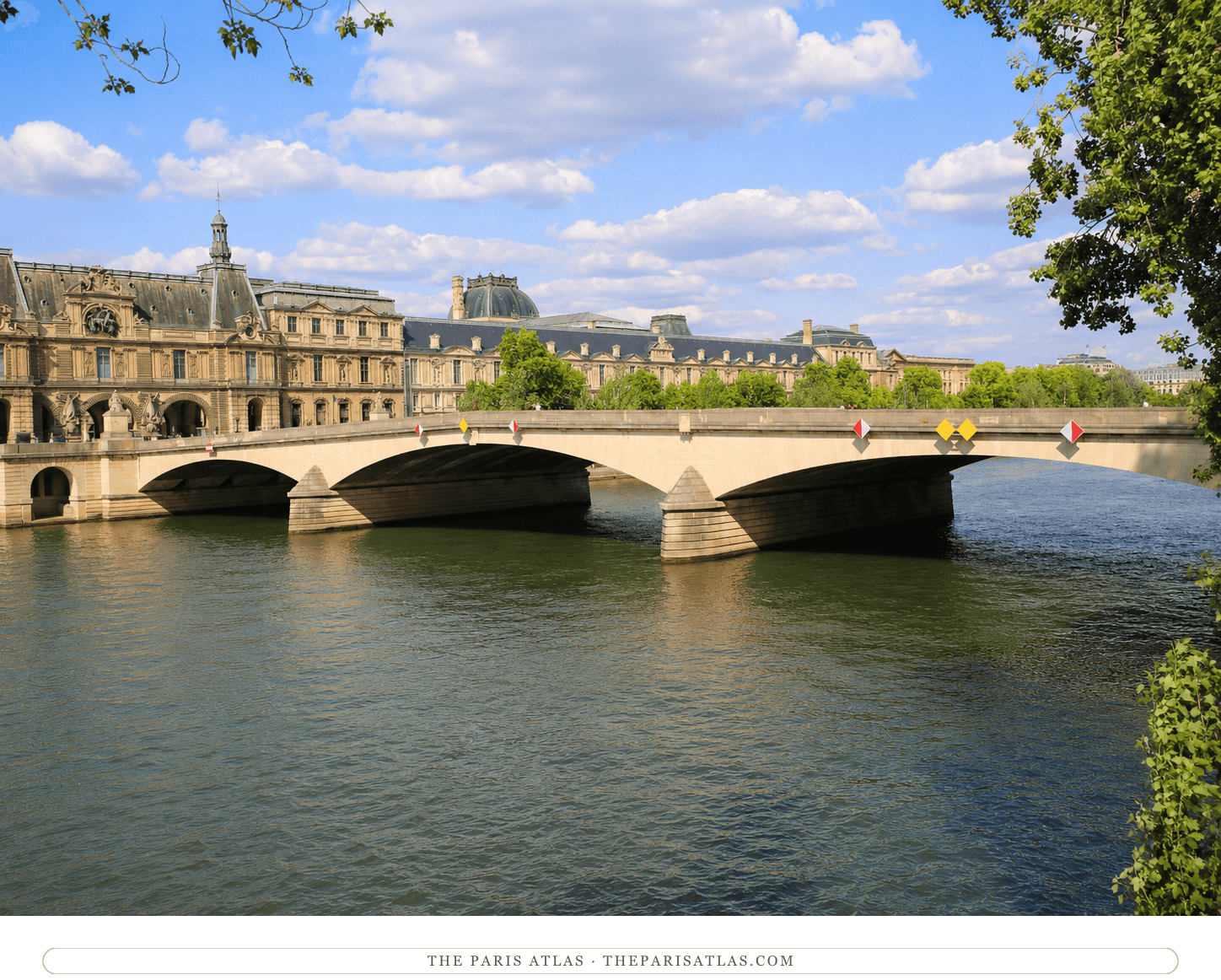
On 28 February 1938 Anaïs Nin answered an advertisement, negotiated a rent, and took possession of a houseboat called La Belle Aurore. It belonged to the actor Michel Simon, and it was moored on the quai des Tuileries, on the Right Bank below the garden, near the Pont Royal.[1]
The boat became what a boat can be and a flat cannot: a private room in the middle of a city, reached by a gangplank, with the current under it. Nin used it as a refuge and as a place to gather people, through the months when Europe was visibly moving toward war.[2]
It ended by municipal order. In August the boats on the Seine were told to leave the city for the visit of the King of England, and La Belle Aurore had to be hauled downriver to Neuilly. Nin gave it up.[3]
The evidence is unusually good for a vanished vessel: UCLA's Anaïs Nin Papers hold her diary for March to September 1938, and the file includes photographs of Nin and her husband Hugh Guiler aboard the boat.[4]
A correction worth making, because the retellings run the two together. Nin had two houseboats, not one. In autumn 1936 she rented an earlier boat, also on the quai des Tuileries near the Pont Royal, which her lover Gonzalo Moré nicknamed Nanankepichu — a Quechua word he glossed for her as something like "not a home". That naming is real and belongs to that boat: UCLA's catalogue of her papers titles the diary covering 31 August to 27 December 1936 "Nanankepichu". La Belle Aurore is a different, later vessel. Le Monde states plainly that Nanankepichu was succeeded by La Belle Aurore, rented from Michel Simon in 1938; Noël Riley Fitch calls it "another houseboat" and Deirdre Bair dates the taking independently. So Nanankepichu is not an alias for La Belle Aurore, and La Belle Aurore is not the 1936 boat — but Moré did name a boat, and it was the first one.
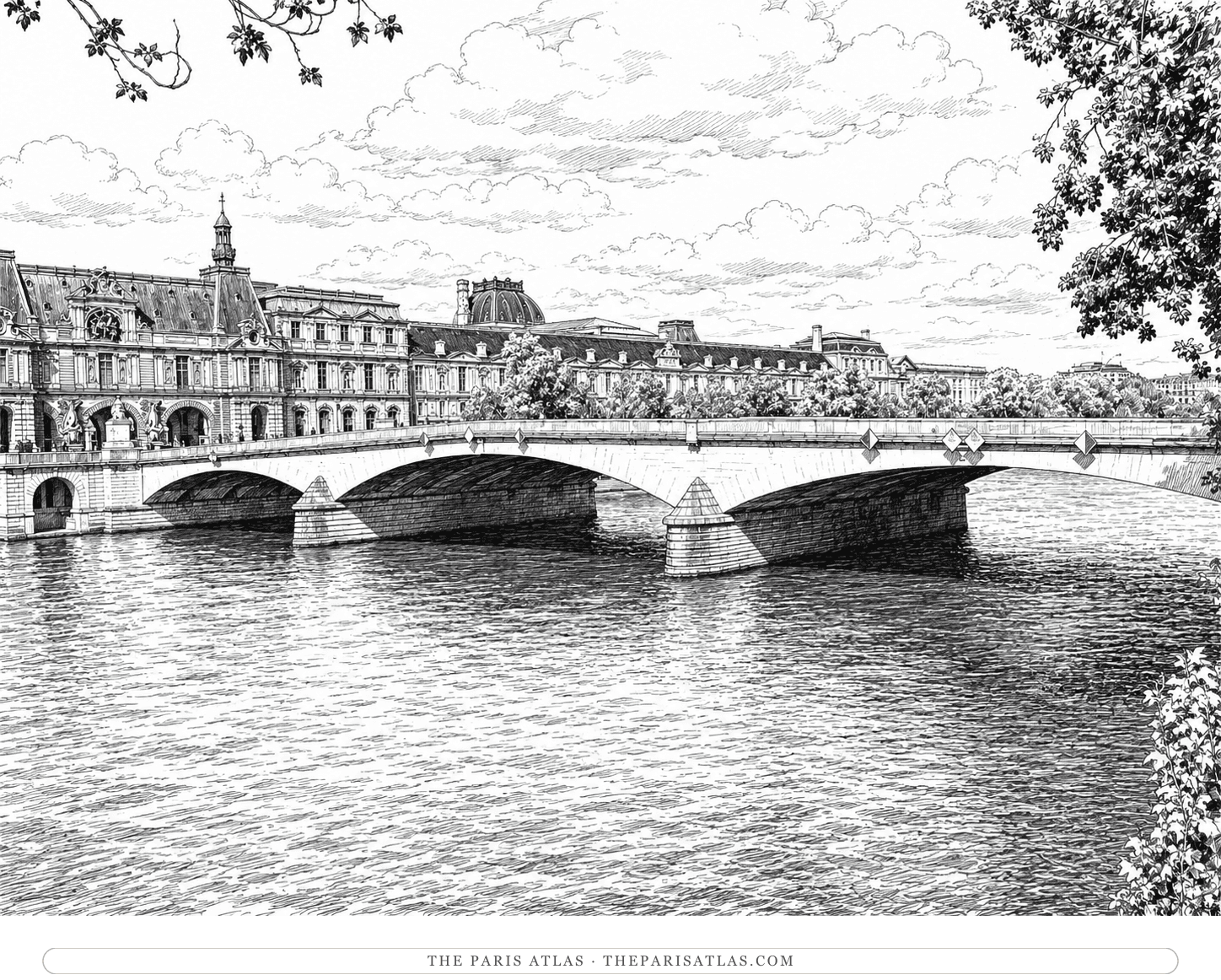
What the sources do not give is a berth. There is no numbered mooring, no bollard, no documented spot on the stone. The Pont Royal is the best orientation point available, and the coordinate here marks a stretch of quay rather than a place a boat was tied — which is the honest limit of what is known.[4]



 View source