The Paris AtlasCharting the artists, works, and places worth returning to.
  • Editor
  • Critic
  • Translator
· Greek · 1899–1978

George Katsimbalis

The Athens editor, critic and bibliographer who ran the journal that carried Greek modernism, and the man whose talk Henry Miller turned into The Colossus of Maroussi.

Details

Lived
1899–1978
Born
1899
Birthplace
Athens, Greece
Died
25 July 1978
Place of death
Athens, Greece
Nationality
Greek
Roles
EditorCriticTranslator
Also known as
Giorgos Katsimbalis · Georgios Konstantinou Katsimbalis · Γιώργος Κ. Κατσίμπαλης

About George Katsimbalis

George Katsimbalis was an Athens editor, critic and bibliographer who published very little under his own name and did a great deal to get other people published under theirs. He ran the journal that carried Greek writing into modernism in the 1930s, and he compiled the bibliographies that Greek literary scholarship still works from. Outside Greece he is known for a book he did not write: The Colossus of Maroussi, which the American writer Henry Miller assembled largely out of listening to him talk during the months Miller spent in Greece in 1939. The colossus of the title is Katsimbalis. Maroussi is Amaroussion, the town outside Athens where he lived.

A house full of poets

He was born in Athens in 1899, the son of the scholar Konstantinos Katsimbalis, and grew up among his father's books and his father's friends. The closest of them was Kostis Palamas, then the dominant figure in Greek poetry, and Palamas would occupy Katsimbalis as a subject for the rest of his life. He went to Paris and took courses at the university's law faculty without graduating, then came back to Athens and into its literary and artistic circles instead.

He had served on the Balkan front in the First World War and came out of it with a wounded arm. The detail reaches English through Miller, who heard about the war from Katsimbalis himself and from a doctor on Corfu who had been in the trenches with him.

Ta Nea Grammata

The Athens journal Ta Nea Grammata, or New Letters, began in 1935, and Katsimbalis directed it until 1944. It was the platform of the writers Greek criticism calls the Generation of the '30s, the group that brought European modernism into Greek writing, and it is where George Seferis published his literary criticism. Katsimbalis also printed translations of European writers who had not yet reached Greek readers at all.

After the war he directed a second periodical, the Anglo-Hellenic Review, from 1945 to 1952. It was published in Athens, and it sat where the Greek and the British literary communities in the city overlapped.

The bibliographies

His own published work is almost entirely about other people's. He took up his father's study of Palamas and carried it on, edited an anthology of contemporary Greek poetry, and compiled bibliographies of writers Greek scholarship had never properly catalogued. The subjects:

  • Alexandros Papadiamantis
  • Kostas Krystallis
  • Angelos Sikelianos
  • C. P. Cavafy
  • Edgar Allan Poe and Arthur Rimbaud, in their Greek versions

He also worked in the other direction, putting Palamas into English. A version of The King's Flute came out under the imprint of the Kostis Palamas Foundation in 1982, four years after his death.

The book Miller made of him

Miller sailed for Greece in 1939 at the invitation of Lawrence Durrell, and heard the name Katsimbalis on Corfu before he met the man. He was introduced to him in Athens, followed him around the country for most of the rest of the trip, and went home with a book. What Katsimbalis mainly did in it was talk: about the Balkan front, about a casino he had once run at Loutraki, about his liver and his taxes, and about his private habit of redrawing the street plans of cities he had never visited. Miller admits in the closing pages that he has enlarged the man well past his real proportions, and then says he has never met anyone more human.

The book closes on a letter from Durrell describing a drunken night on the steps of the Acropolis, when Katsimbalis walked to the edge, threw his head back and crowed like a cockerel until the roosters of the whole Attic plain answered him.

The record, and its gaps

He and Seferis wrote to each other from 1924 until 1970. The Athens publisher Ikaros brought the exchange out in two volumes in 2009, under the title Seferis used to open his letters: Αγαπητέ μου Γιώργο, My dear Giorgos. Katsimbalis died in Athens on 25 July 1978.

There is no English biography of him, and the Greek reference entries are short. They agree that he was born in Athens in 1899 and died there, and none of them records the day he was born; the date of his death comes from library authority files rather than from any of the literary sources. A man who spent his working life establishing other writers' dates is himself thinly dated.

Life events

  1. 1899

    Born in Athens, son of the scholar Konstantinos Katsimbalis.

    Κατσίμπαλης, Γιώργος Κ., 1899–1978; Katsimbalis, Georgios K. (1899–1978)

  2. 1935

    Ta Nea Grammata begins in Athens under his direction, the journal of the Generation of the '30s.

    Κατσίμπαλης, Γιώργος Κ., 1899–1978

  3. 1939

    Henry Miller arrives in Greece and follows him around the country for most of the trip.

    Henry Miller, The Colossus of Maroussi (1941)

  4. 1941

    Miller's The Colossus of Maroussi is published in San Francisco, naming him in its title.

    Henry Miller, The Colossus of Maroussi (1941)

  5. 1945–1952

    Directs the Anglo-Hellenic Review in Athens.

    Κατσίμπαλης, Γιώργος Κ., 1899–1978

  6. 1978

    Dies in Athens on 25 July.

    Giorgos Katsimbalis, 1899–1978; Κατσίμπαλης, Γιώργος Κ., 1899–1978

Featured in these books

Cover of The Colossus of Maroussi by Henry Miller

The Colossus of Maroussi

by Henry Miller

How George appears in its pages: The Greek talker of the title. A real man from Amaroussion, a town outside Athens, whose monologues Henry Miller followed around Greece in 1939. Miller says he wrote the book for him.

Read the character guide
People they knew

Documented connections — every one carries its source.

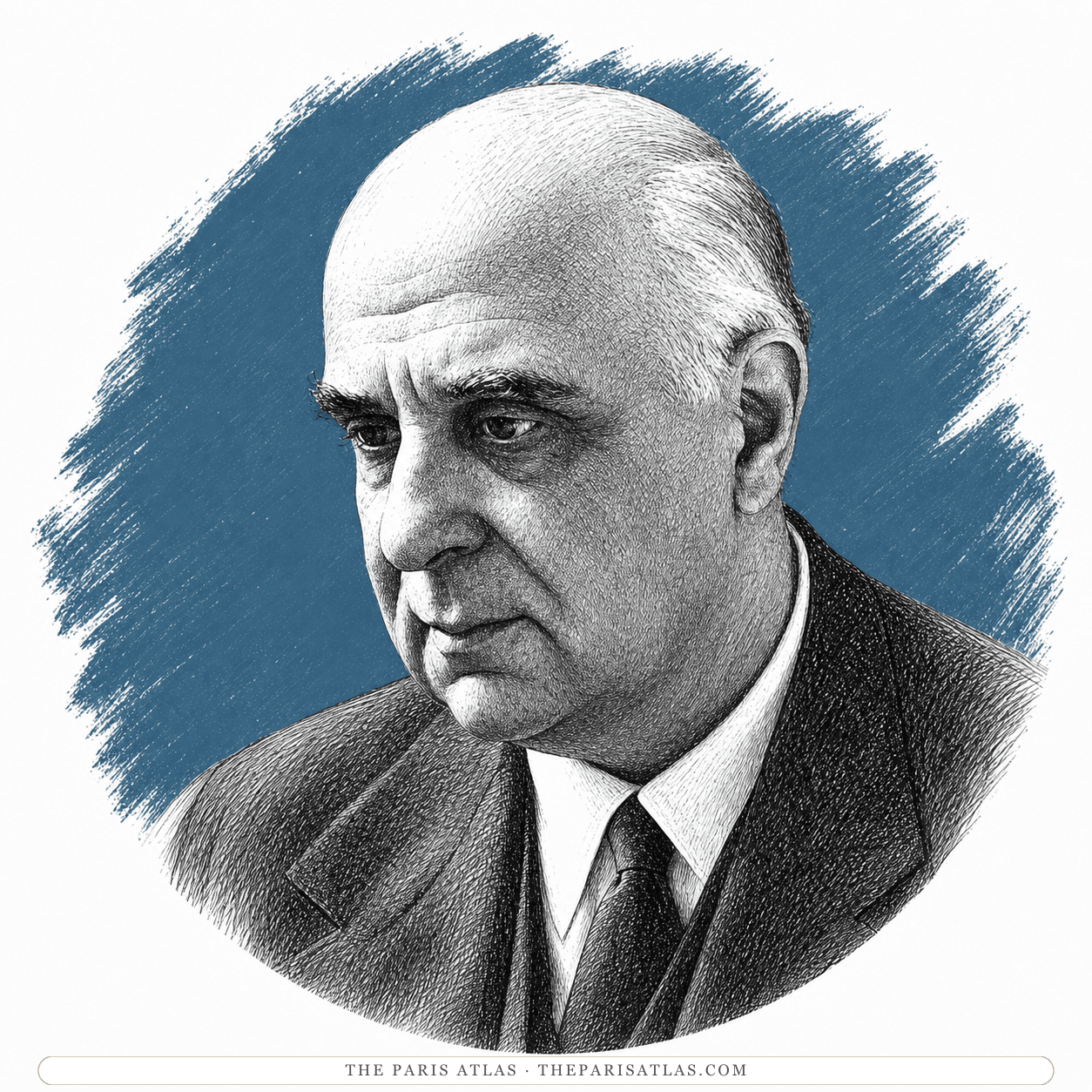
Illustrated portrait of George Seferis

George Seferis

  • Poet
  • Translator
  • Author

Met

The central friendship of both men's working lives: Seferis published his criticism in the journal Katsimbalis directed, and the two wrote to each other from 1924 until 1970. Ikaros published the correspondence in Athens in 2009.

Martha E. Klironomos, Seferis, George (13 March 1900 – 20 September 1971); Κατσίμπαλης, Γιώργος Κ., 1899–1978

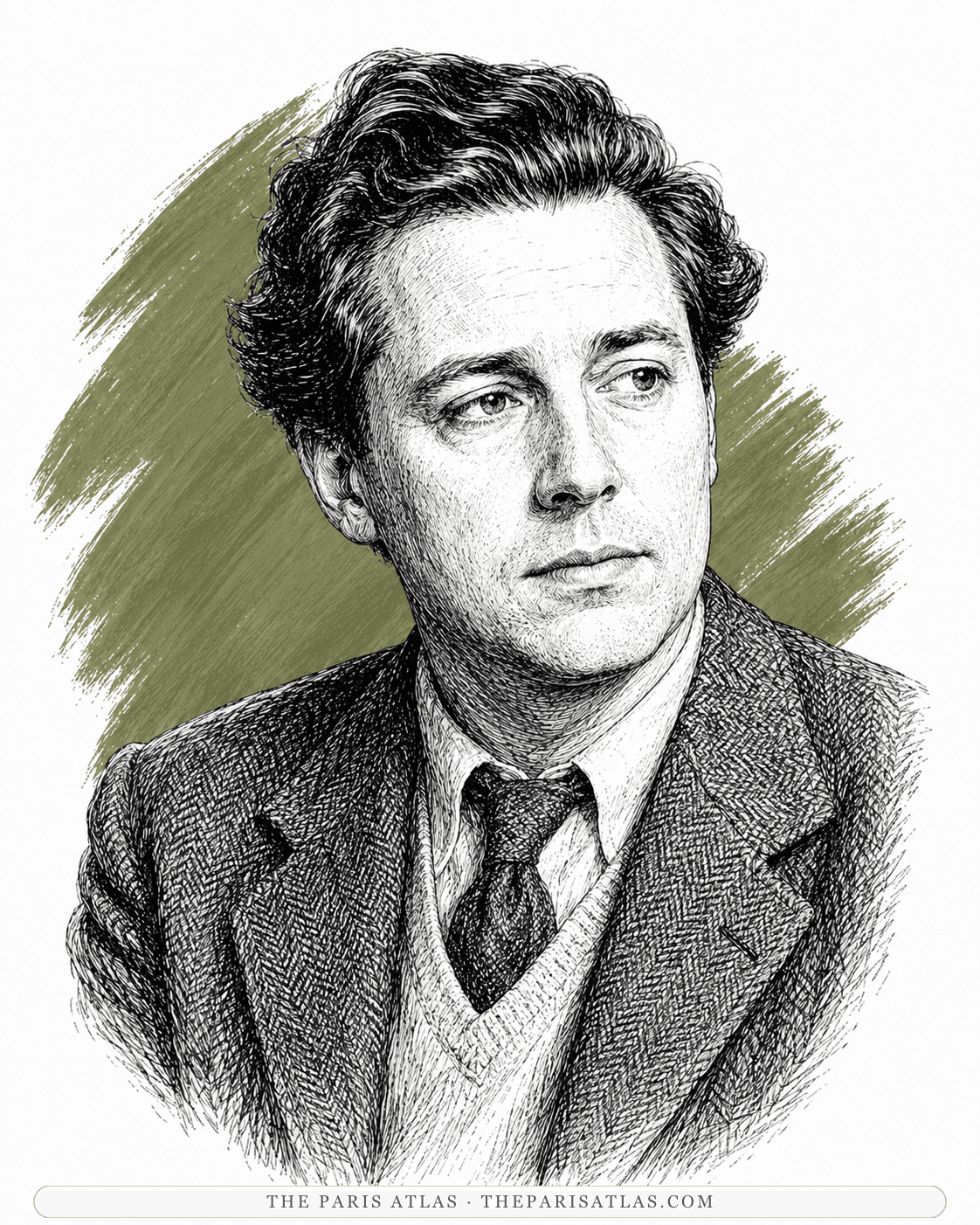
Illustrated portrait of Lawrence Durrell

Lawrence Durrell

  • Author
  • Poet

Met

Durrell was living in Greece before Miller arrived and was in the party for much of the 1939 trip. It is his letter, printed whole, that Miller uses to close the book.

Henry Miller, The Colossus of Maroussi (1941)

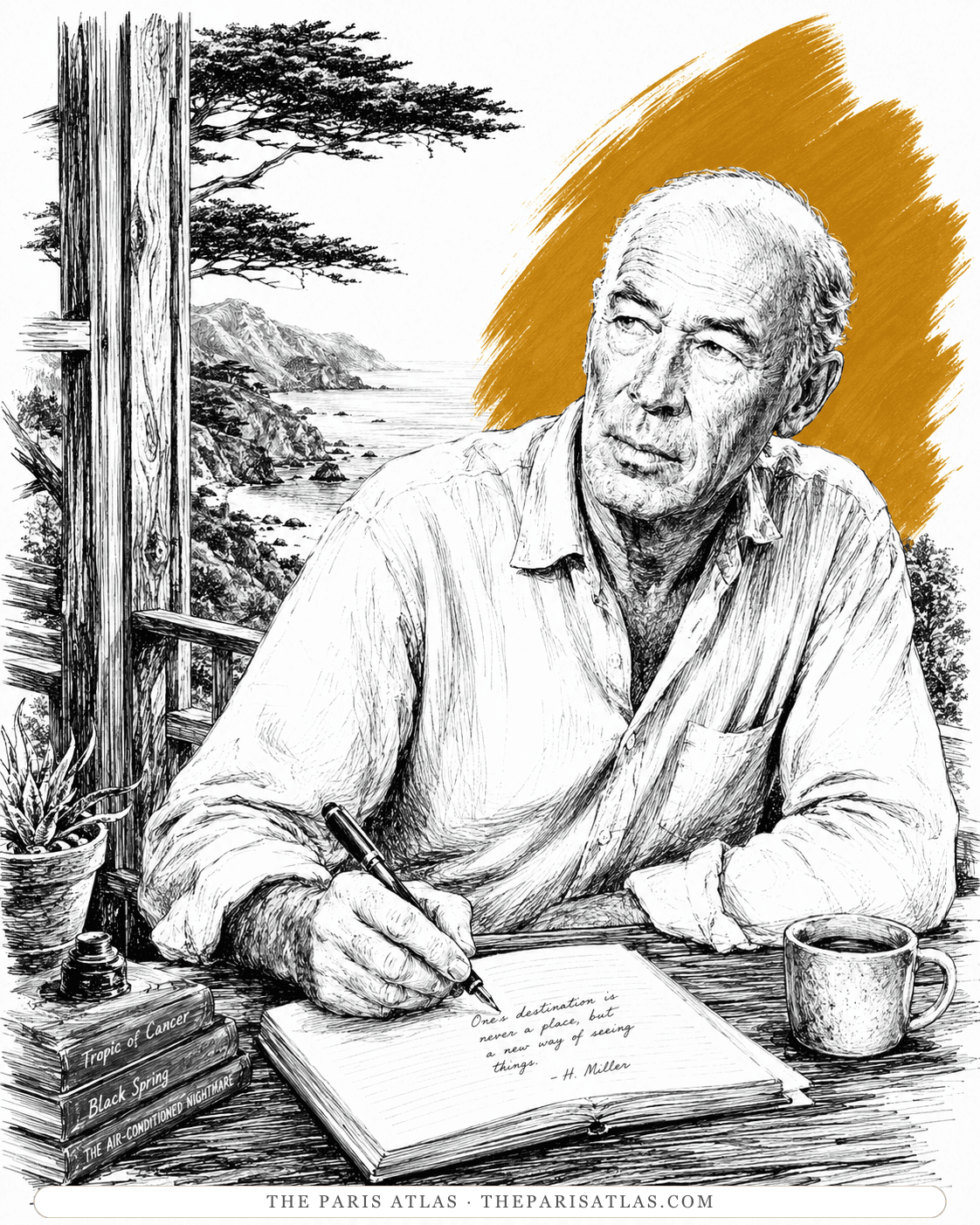
Illustrated portrait of Henry Miller

Henry Miller

  • Author

Met · 1939

They met one evening in Athens as Katsimbalis was heading home to Amaroussion. Miller ranked the meeting with two others in his life, Blaise Cendrars and Lawrence Durrell, and spent most of the rest of his stay in Greece listening to him.

Henry Miller, The Colossus of Maroussi (1941)

Questions about George Katsimbalis

Who was George Katsimbalis?

A Greek editor, critic and bibliographer (1899–1978) who directed the Athens journal Ta Nea Grammata from 1935 to 1944 and the Anglo-Hellenic Review from 1945 to 1952, and who compiled the bibliographies of modern Greek writers that scholarship still uses. Henry Miller made him the subject of The Colossus of Maroussi.

Why is he called the Colossus of Maroussi?

Because Henry Miller called him that. Maroussi is the town of Amaroussion outside Athens, where Katsimbalis lived, and Miller meant the scale of the man's talk rather than his stature.

Was Katsimbalis a real person?

Yes. The Colossus of Maroussi is a travel memoir, not a novel, and nobody in it is invented. Katsimbalis was a working figure in Greek letters for four decades before and after Miller's visit, and his correspondence with the poet George Seferis was published in Athens in 2009.

What did Katsimbalis actually write?

Very little under his own name, and almost all of it about other writers: bibliographies of Alexandros Papadiamantis, Kostas Krystallis, Angelos Sikelianos and C. P. Cavafy, studies of Kostis Palamas continuing his father's work, an anthology of contemporary Greek poetry, and English translations of Palamas.

What was Ta Nea Grammata?

An Athens literary journal, founded in 1935 and directed by Katsimbalis until 1944. It was the main platform of the writers known in Greece as the Generation of the '30s, the group that brought modernism into Greek literature, and George Seferis published his criticism in it.

Is there a biography of Katsimbalis in English?

No. The English-language record consists of Miller's book, the letters of the writers around him, and library authority files. The fuller entries are in Greek, in the Archive of Greek Authors and in the standard literary dictionaries, and they are brief.

Sourced claims

Every connection the graph holds for George, with the evidence behind it.

Met

George Seferis

The central friendship of both men's working lives: Seferis published his criticism in the journal Katsimbalis directed, and the two wrote to each other from 1924 until 1970. Ikaros published the correspondence in Athens in 2009.

Martha E. Klironomos, Seferis, George (13 March 1900 – 20 September 1971); Κατσίμπαλης, Γιώργος Κ., 1899–1978

Met

Lawrence Durrell

Durrell was living in Greece before Miller arrived and was in the party for much of the 1939 trip. It is his letter, printed whole, that Miller uses to close the book.

Henry Miller, The Colossus of Maroussi (1941)

Met · 1939

Henry Miller

They met one evening in Athens as Katsimbalis was heading home to Amaroussion. Miller ranked the meeting with two others in his life, Blaise Cendrars and Lawrence Durrell, and spent most of the rest of his stay in Greece listening to him.

Henry Miller, The Colossus of Maroussi (1941)

Depicted in

The Colossus of Maroussi

The book is named after him and built out of his talk. He appears throughout under his own name, and Miller says he wrote it for him.

Henry Miller, The Colossus of Maroussi (1941)

Sources and further reading

  • Κατσίμπαλης, Γιώργος Κ., 1899–1978
  • Katsimbalis, Georgios K. (1899–1978)
  • Giorgos Katsimbalis, 1899–1978
  • Henry Miller, The Colossus of Maroussi (1941)
  • Martha E. Klironomos, Seferis, George (13 March 1900 – 20 September 1971)