The Paris AtlasCharting the artists, works, and places worth returning to.
  • Pianist
  • Composer
· American · 1910–1981

Mary Lou Williams

The pianist and arranger who wrote for Duke Ellington and Benny Goodman, taught Thelonious Monk and Dizzy Gillespie in her Harlem kitchen, and spent her last twenty years writing jazz masses for the Catholic Church.

Details

Lived
1910–1981
Born
8 May 1910
Birthplace
Atlanta, Georgia
Birth name
Mary Elfrieda Scruggs
Died
28 May 1981 · aged 71
Place of death
Durham, North Carolina
Nationality
American
Profession
Pianist, composer and arranger
Major works
Zodiac Suite (1945), Black Christ of the Andes (1963), Mary Lou's Mass (1970), and the arrangements for Andy Kirk's Clouds of Joy
Married
John Overton Williams · married 1926Harold Baker · married 1942
Roles
PianistComposer

About Mary Lou Williams

American jazz pianist, composer and arranger who wrote for Ellington and Goodman and taught the first generation of bebop

Mary Lou Williams was an American jazz pianist, composer and arranger, born in Atlanta on 8 May 1910. She wrote hundreds of compositions and arrangements across a career of some sixty years, and made more than a hundred records. She is one of the very few jazz musicians whose playing kept pace with the music itself, from the stride and boogie-woogie of the 1920s through swing and bebop and into the freer playing of the 1970s.

She grew up in Pittsburgh, played professionally at fifteen, and made her name as pianist and arranger for Andy Kirk's Twelve Clouds of Joy in Kansas City, writing Froggy Bottom, Walkin' and Swingin' and Little Joe from Chicago. Duke Ellington and Benny Goodman both commissioned work from her, and Goodman tried and failed to sign her exclusively.

In 1940s New York she became the teacher of the musicians inventing bebop, holding sessions in her Harlem apartment for Thelonious Monk, Dizzy Gillespie, Charlie Parker, Bud Powell and Miles Davis. She converted to Catholicism in 1954, stopped playing for three years, and from the 1960s wrote sacred music, including three masses. She was the first jazz musician to be commissioned by the Catholic Church to write liturgical music. She died of bladder cancer in Durham, North Carolina, on 28 May 1981.

Pittsburgh and the Little Piano Girl, 1910–1925

Mary Lou Williams was born Mary Elfrieda Scruggs in Atlanta on 8 May 1910, the second of eleven children, and grew up in the East Liberty neighbourhood of Pittsburgh. Her mother taught her piano at three, and she could pick out tunes before that. She began playing for money at six, supporting her half-brothers and sisters by performing at parties, and by seven was known around Pittsburgh as the Little Piano Girl.

The playing started partly as a defence. White neighbours were throwing bricks through the family's windows, and the bricks stopped once she began playing piano in their houses. She turned professional at fifteen, naming the Chicago pianist Lovie Austin as the greatest influence on her, and went out on the Orpheum theatre circuit at twelve. One night in Harlem, playing with McKinney's Cotton Pickers at the Rhythm Club at three in the morning, Louis Armstrong walked in and stopped to listen to her.

Kansas City and the Clouds of Joy, 1926–1942

In 1926 she married the saxophonist John Overton Williams, whom she had met in Cleveland, and moved with him to Memphis. When he left in 1929 to join Andy Kirk's band in Oklahoma City, the nineteen-year-old Williams took over leadership of the Memphis group he had assembled. She followed him west, and while the band was based in Tulsa she took work driving bodies for an undertaker between jobs.

When Andy Kirk's Twelve Clouds of Joy settled into a long engagement in Kansas City, Williams began sitting in, then became the band's arranger and composer, and finally its pianist. She gave Kirk Froggy Bottom, Walkin' and Swingin', Little Joe from Chicago, Roll 'Em and Mary's Idea. On a 1930 trip to Chicago she cut Drag 'Em and Night Life as piano solos, and the records sold fast enough to make her a national name. It was Jack Kapp at Brunswick Records who told her to bill herself as Mary Lou.

She freelanced as an arranger throughout the swing years, for Earl Hines, Tommy Dorsey and Benny Goodman. Goodman asked her for a blues number for his band and got Roll 'Em, a boogie-woogie piece built on the blues, following her Camel Hop, named for the cigarette brand that sponsored his radio show. Goodman then tried to put her under exclusive contract. She refused, preferring to work for whoever asked.

Café Society and the bebop kitchen, 1942–1952

Williams divorced John Williams, left the Clouds of Joy in 1942 and returned to Pittsburgh, where she formed a six-piece group with the trumpeter Harold Baker and the drummer Art Blakey. Baker left for Duke Ellington's orchestra; Williams followed, married Baker in Baltimore, and spent a period arranging for Ellington. She wrote his 1946 Trumpet No End, a reworking of Irving Berlin's Blue Skies, and sold him on playing her Walkin' and Swingin'. Within a year she had left both the marriage and the band and gone back to New York.

She took a residency at Café Society Downtown and a weekly radio programme on WNEW called Mary Lou Williams's Piano Workshop. What she is most remembered for from these years happened off the stand. The young musicians building bebop came to her Harlem apartment around four in the morning, or collected her from the club after her last set, and played until noon. Dizzy Gillespie, Thelonious Monk, Charlie Parker, Bud Powell, Tadd Dameron and Miles Davis were all in that kitchen. She wrote In the Land of Oo-Bla-Dee for Gillespie.

Her own writing was getting longer. The Zodiac Suite of 1945 gave each of the twelve signs a movement, dedicating them to musicians she knew, Billie Holiday and Art Tatum among them. She recorded it with Jack Parker and Al Lucas, and performed it at Town Hall in New York on 31 December 1945 with an orchestra and the tenor saxophonist Ben Webster.

Paris, the silence, and the conversion, 1952–1957

In 1952 Williams accepted an engagement in England and stayed in Europe for two years, working in London and Paris. She was exhausted by then, mentally and physically, after nearly thirty years of continuous professional playing that had begun when she was a child.

It ended abruptly. During a performance in Paris in 1954 she stood up and walked away from the piano, and she did not play in public again for three years. She went back to the United States and converted to Catholicism that year, alongside Lorraine Gillespie, Dizzy Gillespie's wife. She spent hours at Mass and put her savings into the Bel Canto Foundation. It turned her apartment in Hamilton Heights into a halfway house for poor musicians and those struggling with addiction, funded partly by a thrift shop she ran in Harlem. The death of her friend and student Charlie Parker in 1955 may have deepened the withdrawal.

Two priests, Father John Crowley and Father Anthony, argued her back to the piano on the grounds that she could serve the Church through the gift she already had. Gillespie finished the job, and in 1957 she returned at the Newport Jazz Festival with his band.

Sacred music, 1962–1975

From the 1960s Williams wrote mostly hymns, masses and other sacred music, which almost nobody in jazz was doing. Black Christ of the Andes is a hymn to the Peruvian saint Martin de Porres. It was first performed at St Francis Xavier Church in Manhattan in November 1962 and recorded the following October, with the shorter Anima Christi and Praise the Lord. She became the first jazz composer the Catholic Church commissioned to write liturgical music in a jazz idiom.

Her manager and close friend from the 1960s was Father Peter O'Brien, a Jesuit priest, who found her places to play at a time when barely two clubs in Manhattan booked jazz full time. Through Bishop John Wright of Pittsburgh she got a teaching post at Seton High School, where she wrote her first mass, and help founding the Pittsburgh Jazz Festival.

The mass that made the most noise was Music for Peace, which Alvin Ailey choreographed and his company performed in 1971 as Mary Lou's Mass. Ailey's defence of it was a question: if there can be a Bernstein mass, a Mozart mass and a Bach mass, why not a Mary Lou's Mass. She played the revised version on The Dick Cavett Show in 1971 and appeared on Sesame Street in 1975. In April 1975 she conducted youth choirs performing it at St Patrick's Cathedral before more than three thousand people, the first time a jazz musician had played in that church.

How Williams worked

Williams described herself as a soul player, meaning that she stayed close to melody and the blues and used gospel harmony and rhythm sparingly. Her own account of it was direct: she was praying through her fingers when she played, going for a good soul sound and trying to touch people's spirits. She said it to Time magazine in 1964.

What separates her from most of her generation is that she kept moving. Musicians who make their name in one style usually stay in it. Williams played stride and boogie-woogie in the 1920s and wrote the arrangements that defined a Kansas City swing band in the 1930s. She taught herself bebop in the 1940s, at an age when her contemporaries were dismissing it. In 1977 she sat down at Carnegie Hall opposite the avant-garde pianist Cecil Taylor for a two-piano concert. The two clashed on stage and the recording came out anyway, as Embraced.

Duke University, death, and reputation

Williams played nightly at The Cookery in Greenwich Village through the 1970s, run by Barney Josephson, her old boss from Café Society. In 1977 she took an appointment as artist-in-residence at Duke University, teaching the history of jazz with Father O'Brien and directing the Duke Jazz Ensemble, and held it until her death. She performed at the White House for President Jimmy Carter in 1978 and played Benny Goodman's fortieth-anniversary Carnegie Hall concert the same year. Her last recording was a solo set at the Montreux Jazz Festival in 1978.

Mary Lou Williams died of bladder cancer in Durham, North Carolina, on 28 May 1981, aged 71. Dizzy Gillespie, Benny Goodman and Andy Kirk came to her funeral at the Church of St Ignatius Loyola in New York, and she was buried at Calvary Catholic Cemetery in Pittsburgh. Looking back near the end she said she had done it through muck and mud.

She was called the first lady of the jazz keyboard in her lifetime, and was one of the first women to build a major career in jazz on terms set by her own playing and writing rather than by singing. Duke University opened the Mary Lou Williams Center for Black Culture in 1983. The Kennedy Center has run an annual Mary Lou Williams Women in Jazz Festival since 1996, and her archive has been at Rutgers University's Institute of Jazz Studies since 2000.

Life events

  1. 1910

    Born Mary Elfrieda Scruggs in Atlanta on 8 May; the family later moves to Pittsburgh.

    Mary Lou Williams

  2. 1922

    Goes out on the Orpheum theatre circuit at the age of twelve.

    Mary Lou Williams

  3. 1929

    Takes over leadership of her husband's Memphis band at nineteen, then follows him to Andy Kirk's Clouds of Joy.

    Mary Lou Williams

  4. 1930

    Records Drag 'Em and Night Life as piano solos in Chicago and is billed as Mary Lou for the first time.

    Mary Lou Williams

  5. 1937

    Writes Roll 'Em for Benny Goodman, who then tries and fails to sign her exclusively.

    Mary Lou Williams

  6. 1945

    Composes the Zodiac Suite and performs it at Town Hall in New York on 31 December.

    Mary Lou Williams

  7. 1946

    Arranges Trumpet No End for Duke Ellington's orchestra.

    Mary Lou Williams

  8. 1952

    Takes an engagement in England and stays in Europe for two years.

    Mary Lou Williams

  9. 1954

    Walks away from the piano mid-performance in Paris, stops playing for three years, and converts to Catholicism.

    Mary Lou Williams

  10. 1957

    Returns to performing at the Newport Jazz Festival with Dizzy Gillespie's band.

    Mary Lou Williams

  11. 1962

    Black Christ of the Andes is first performed at St Francis Xavier Church in Manhattan.

    Mary Lou Williams

  12. 1971

    Alvin Ailey's company performs her mass as Mary Lou's Mass; she plays the revision on The Dick Cavett Show.

    Mary Lou Williams

  13. 1975

    Conducts youth choirs performing Mary Lou's Mass at St Patrick's Cathedral in April, before more than three thousand people.

    Mary Lou Williams

  14. 1977

    Becomes artist-in-residence at Duke University and plays a two-piano concert with Cecil Taylor at Carnegie Hall.

    Mary Lou Williams

  15. 1981

    Dies of bladder cancer in Durham, North Carolina, on 28 May, aged 71.

    Mary Lou Williams

People they knew

Documented connections — every one carries its source.

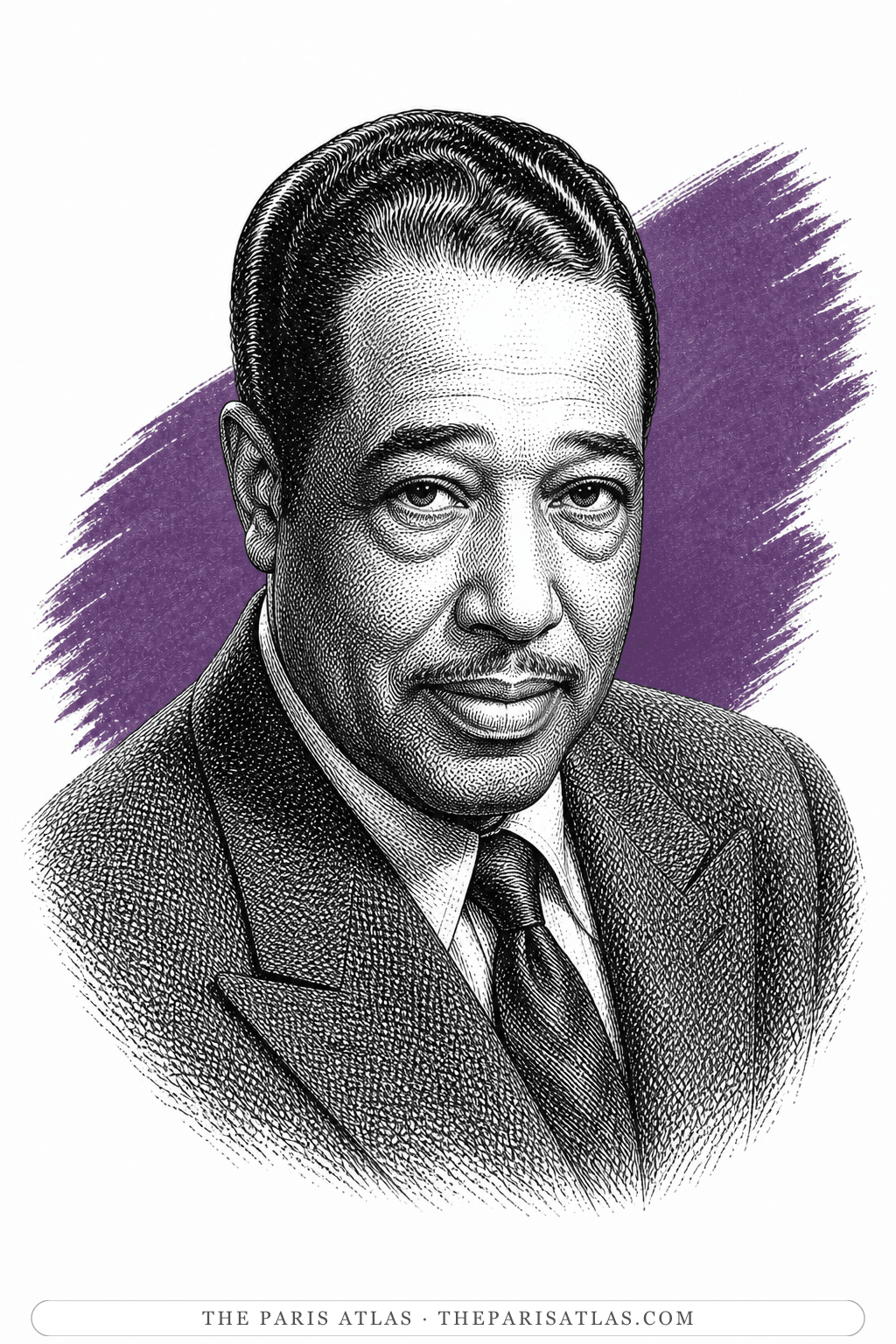
Illustrated portrait of Duke Ellington

Duke Ellington

  • Composer
  • Pianist

Collaborated with

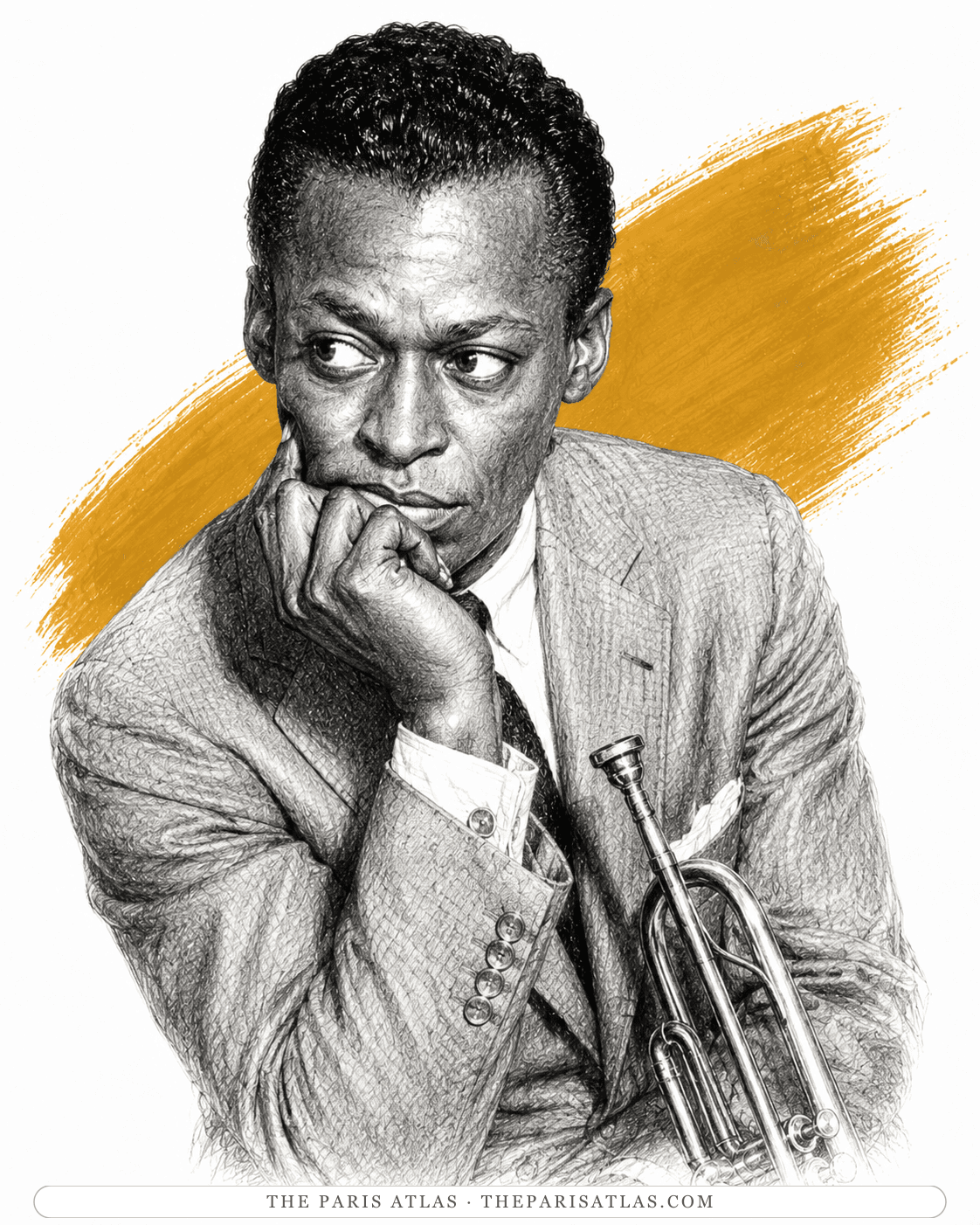
Williams played with Duke Ellington's early small band, the Washingtonians, in 1923, and travelled with his orchestra in the 1940s as an arranger. She wrote his 1946 Trumpet No End, a reworking of Irving Berlin's Blue Skies, and persuaded him to take up her own Walkin' and Swingin'.
Mary Lou Williams

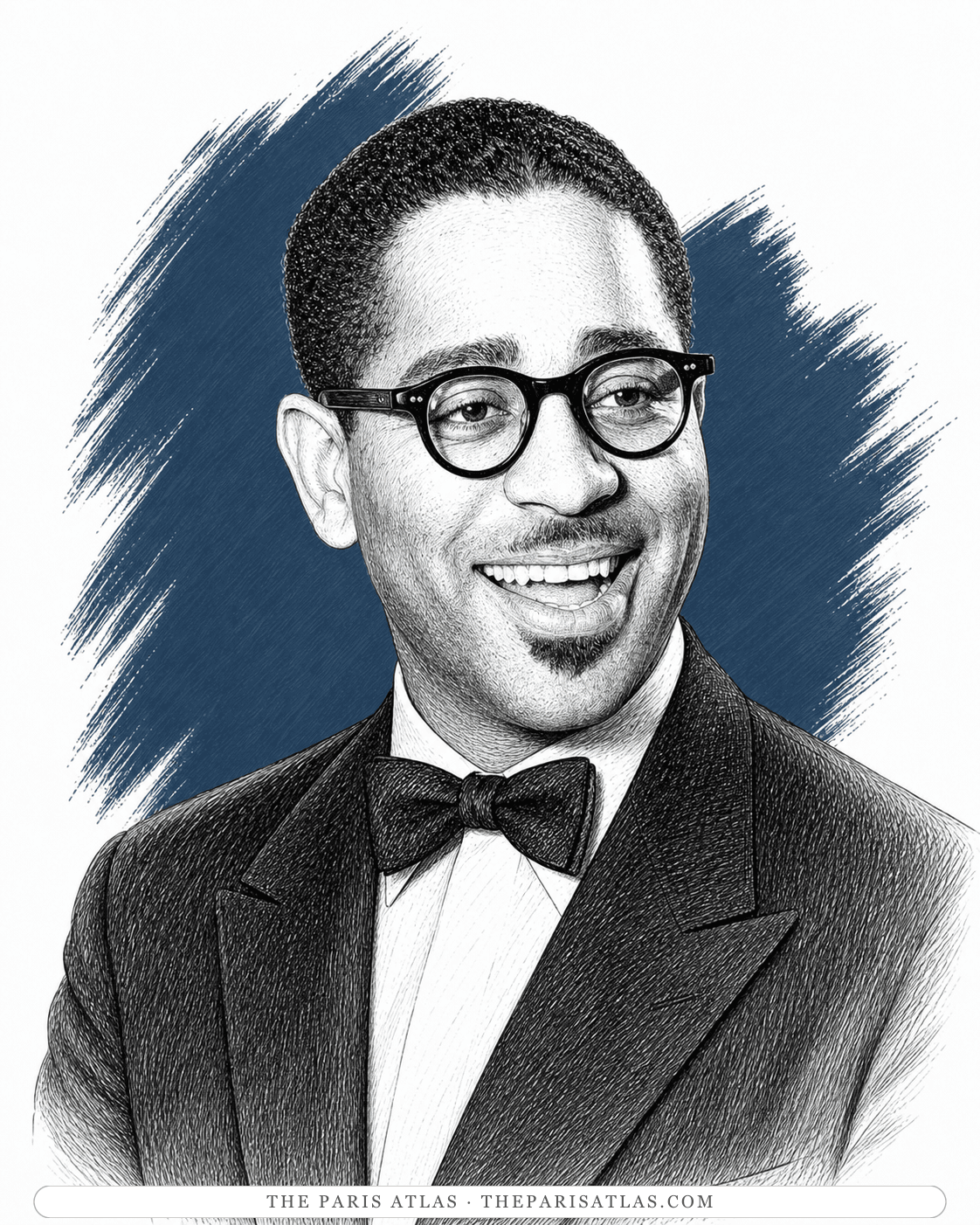
Illustrated portrait of Dizzy Gillespie

Dizzy Gillespie

  • Musician
  • Composer

Mentored

While Williams was playing at Café Society in the 1940s, the younger bebop musicians came to her Harlem apartment at four in the morning to work through ideas, Dizzy Gillespie among them. She wrote In the Land of Oo-Bla-Dee for him. He returned the favour in 1957, talking her out of a three-year retirement and putting her on stage with his band at the Newport Jazz Festival.

Mary Lou Williams

Illustrated portrait of Miles Davis

Miles Davis

  • Musician

Mentored

Williams was friend, mentor and teacher to the young bebop players who gathered around her in 1940s New York, Miles Davis among them, along with Thelonious Monk, Charlie Parker, Bud Powell and Tadd Dameron.

Mary Lou Williams

Illustrated portrait of Louis Armstrong

Louis Armstrong

  • Musician
  • Singer
  • Actor

Met

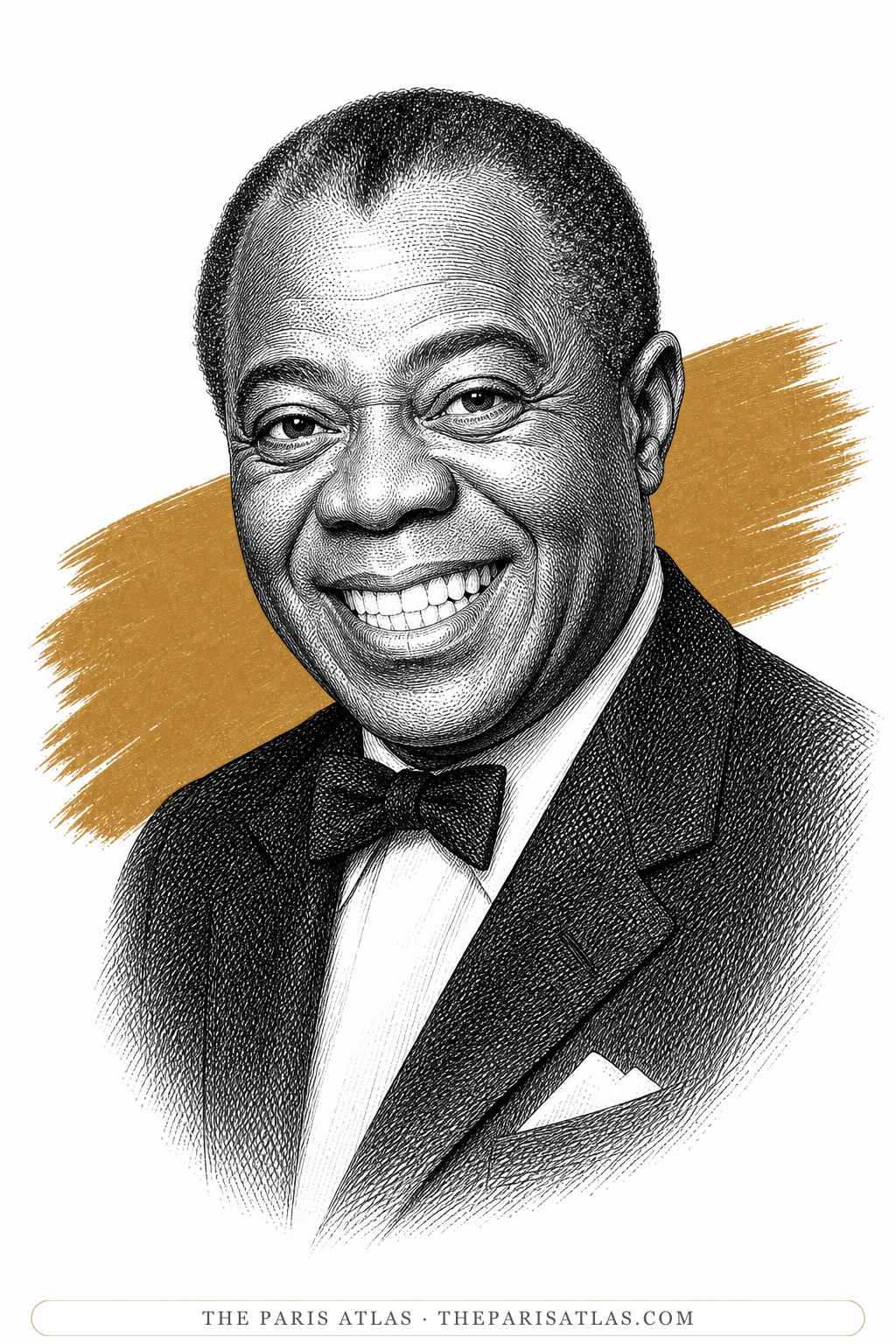
Williams was playing with McKinney's Cotton Pickers at the Rhythm Club in Harlem at three in the morning when Louis Armstrong came in, stopped, and listened to her.

Mary Lou Williams

Questions about Mary Lou Williams

Who was Mary Lou Williams?

Mary Lou Williams (1910–1981) was an American jazz pianist, composer and arranger. She wrote hundreds of compositions and arrangements over about sixty years, made her name with Andy Kirk's Twelve Clouds of Joy in Kansas City, wrote for Duke Ellington and Benny Goodman, and taught the musicians who created bebop. From the 1960s she composed sacred music, including three masses.

What is Mary Lou Williams best known for?

Two things. As a musician, for keeping pace with jazz across its whole history, playing stride and boogie-woogie in the 1920s, writing swing arrangements in the 1930s, learning bebop in the 1940s and performing with the avant-garde pianist Cecil Taylor in 1977. As a teacher, for the sessions in her Harlem apartment where Thelonious Monk, Dizzy Gillespie, Charlie Parker, Bud Powell and Miles Davis worked out the new music.

What did Mary Lou Williams write?

Her best-known band pieces are Froggy Bottom, Walkin' and Swingin', Little Joe from Chicago, Mary's Idea and Roll 'Em, the last written for Benny Goodman. Her longer works are the Zodiac Suite of 1945, which gives each sign of the zodiac a movement, and her sacred music. The latter includes Black Christ of the Andes of 1962 and the mass that Alvin Ailey choreographed in 1971 as Mary Lou's Mass.

Why did Mary Lou Williams stop playing in the 1950s?

She was exhausted. Williams had played professionally since she was fifteen and had been in Europe since 1952, and during a performance in Paris in 1954 she stood up and walked away from the piano. She did not play in public for three years. She converted to Catholicism that year and put her savings into a halfway house for musicians in Harlem. The death of her friend and student Charlie Parker in 1955 may have deepened the withdrawal. Dizzy Gillespie and two priests eventually persuaded her back, and she returned at Newport in 1957.

Was Mary Lou Williams religious?

She converted to Catholicism in 1954, alongside Lorraine Gillespie, and it shaped the rest of her work. From the 1960s she wrote mainly hymns and masses, becoming the first jazz composer commissioned by the Catholic Church to write liturgical music in a jazz idiom. She described her playing in the same terms, telling Time magazine in 1964 that she was praying through her fingers.

How did Mary Lou Williams die?

She died of bladder cancer on 28 May 1981 in Durham, North Carolina, where she had been artist-in-residence at Duke University since 1977, aged 71. Dizzy Gillespie, Benny Goodman and Andy Kirk attended her funeral at the Church of St Ignatius Loyola in New York, and she was buried at Calvary Catholic Cemetery in Pittsburgh.

Sourced claims

Every connection the graph holds for Mary, with the evidence behind it.

Collaborated with

Duke Ellington

Williams played with Duke Ellington's early small band, the Washingtonians, in 1923, and travelled with his orchestra in the 1940s as an arranger. She wrote his 1946 Trumpet No End, a reworking of Irving Berlin's Blue Skies, and persuaded him to take up her own Walkin' and Swingin'.
Mary Lou Williams

Mentored

Dizzy Gillespie

While Williams was playing at Café Society in the 1940s, the younger bebop musicians came to her Harlem apartment at four in the morning to work through ideas, Dizzy Gillespie among them. She wrote In the Land of Oo-Bla-Dee for him. He returned the favour in 1957, talking her out of a three-year retirement and putting her on stage with his band at the Newport Jazz Festival.

Mary Lou Williams

Mentored

Miles Davis

Williams was friend, mentor and teacher to the young bebop players who gathered around her in 1940s New York, Miles Davis among them, along with Thelonious Monk, Charlie Parker, Bud Powell and Tadd Dameron.

Mary Lou Williams

Met

Louis Armstrong

Williams was playing with McKinney's Cotton Pickers at the Rhythm Club in Harlem at three in the morning when Louis Armstrong came in, stopped, and listened to her.

Mary Lou Williams

References

References

The sources below include biographies, scholarly essays, interviews, and primary materials that informed this page. They reflect both the historical record and ongoing critical conversations about Mary Lou Williams and their work.

  1. 1Mary Lou Williams

    Website
    Wikipedia
    Used for

    Reference article cross-checked for the Pittsburgh childhood, the Clouds of Joy years, the Café Society sessions, the 1954 break, the sacred music and the death.

    View source
  2. 2Mary Lou Williams

    Website
    Encyclopaedia Britannica
    Used for

    Encyclopaedia Britannica's biography, used for dates and the outline of the career.

    View source
  1. 3Morning Glory: A Biography of Mary Lou Williams

    Biography
    Pantheon Books, 1999
    Used for

    Linda Dahl's biography, the standard full-length life.

  2. 4Soul on Soul: The Life and Music of Mary Lou Williams

    Biography
    Northeastern University Press, 2004
    Used for

    Tammy L. Kernodle's study of the life and the music, used for the arranging work and the sacred compositions.

i
Why these sources are here

These references anchor the page in the documented record and in the scholarly conversations around Mary Lou Williams. Every claim on this page traces back to one or more of the works listed here.

Explore more resources