The Paris AtlasCharting the artists, works, and places worth returning to.
  • Composer
  • Pianist
· American · 1899–1974

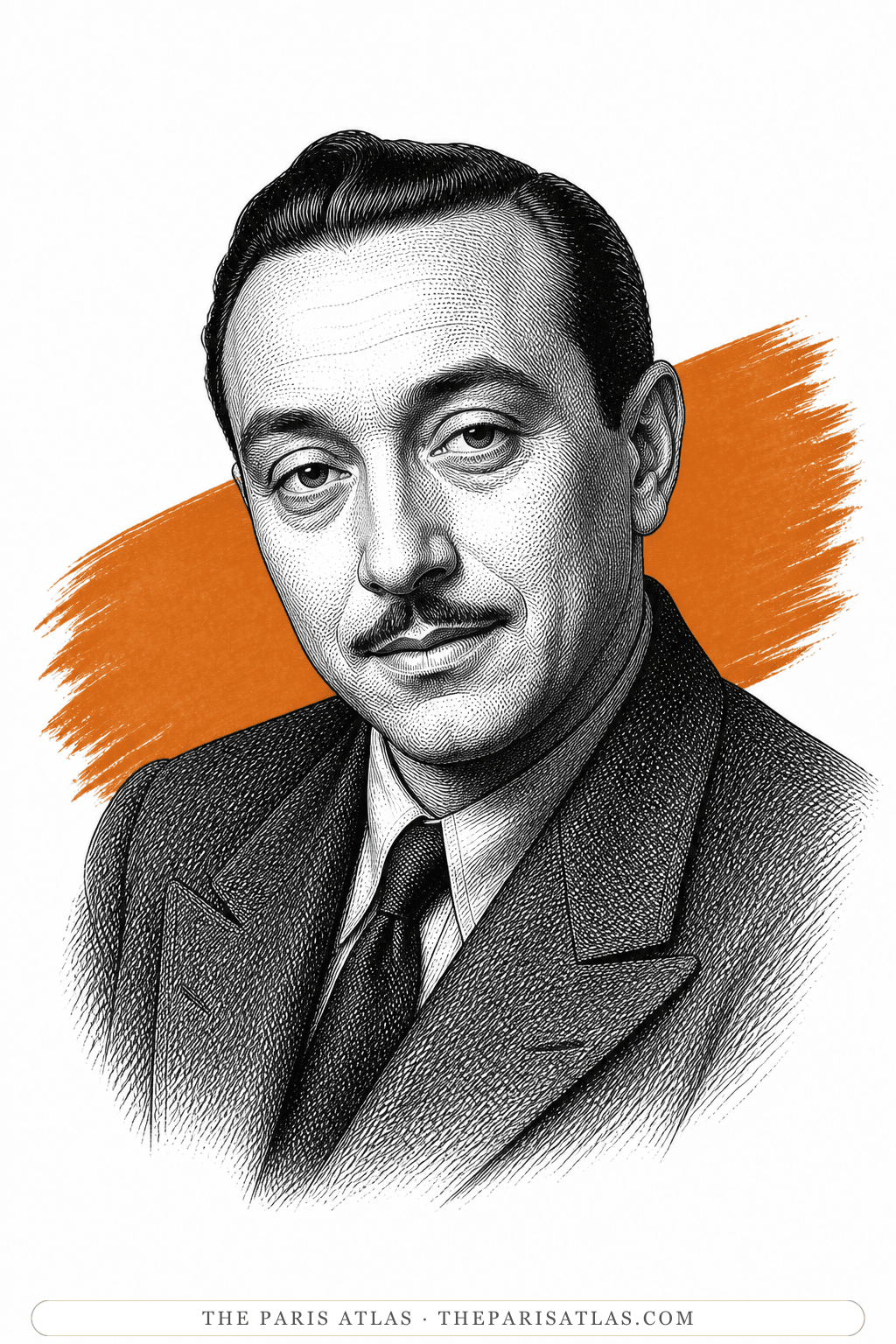
Duke Ellington

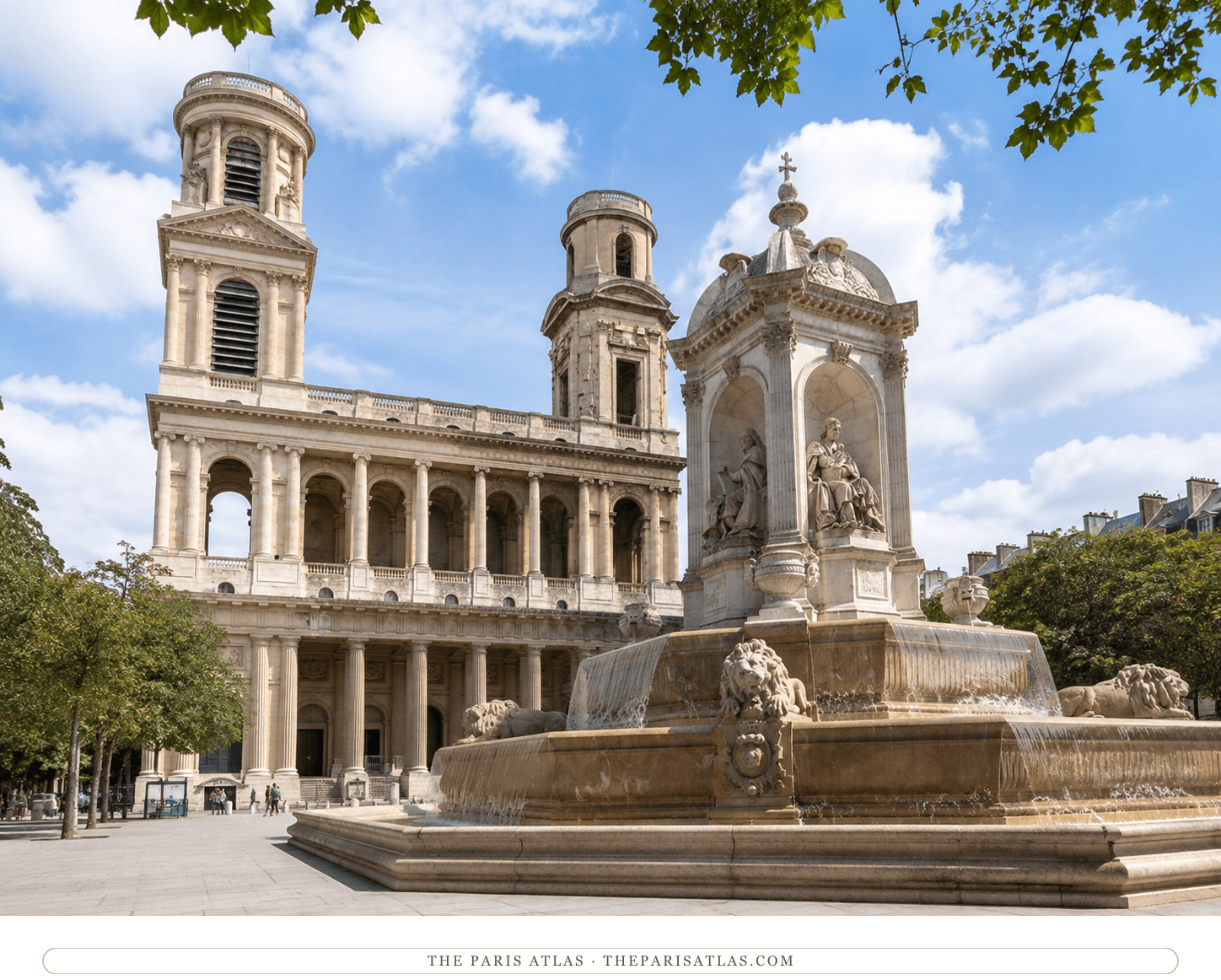
The composer who wrote for a band instead of for an instrument, producing some two thousand pieces for the particular players he employed for decades. France took him seriously from his first Paris concerts in 1933: he came back in 1939, wrote the score for the film Paris Blues in the city in 1960, and in 1969 gave a sacred concert inside the church of Saint-Sulpice.

Details

Lived
1899–1974
Born
29 April 1899
Birthplace
Washington, D.C.
Birth name
Edward Kennedy Ellington
Died
24 May 1974 · aged 75
Place of death
New York City
Nationality
American
Profession
Composer, pianist and bandleader
Major works
Mood Indigo, Black and Tan Fantasy, Black, Brown and Beige, the Paris Blues score, the Sacred Concerts
Children
Mercer Ellington
Roles
ComposerPianist

About Duke Ellington

Edward Kennedy Ellington — 'Duke' from schoolboy days, for the way he dressed — led the same orchestra for nearly fifty years and composed for it as other composers compose for the violin or the voice: not parts for saxophone and trumpet, but parts for his own saxophonist Johnny Hodges and his own trumpeter Cootie Williams, written to the sound of the individual men who would play them. The output runs to roughly two thousand pieces, and the band was the instrument.

Paris entered the story early and stayed. His first European tour, in the summer of 1933, brought the orchestra to the Salle Pleyel, the city's principal concert hall, where part of the audience whistled — in France a jeer, not applause — at the first concert, and Paris then argued about him in print for weeks. He returned in the spring of 1939 — that visit produced small-group records made in Paris by three of his players with the guitarist Django Reinhardt — came back to the city without his orchestra in 1960 to write and record the score for the film Paris Blues, and in the autumn of 1969, at seventy, gave one of his Sacred Concerts inside the church of Saint-Sulpice on the Left Bank.

A sign painter's apprentice in Washington

He was born in Washington, D.C. on 29 April 1899, took his first piano lessons at seven from a teacher remembered in every account of his life as Miss Clinkscales, and wrote his first piece, 'Soda Fountain Rag', at about fifteen while working behind a soda counter. His friends were already calling him Duke. At seventeen he won a poster competition and was offered an art scholarship in Brooklyn; he turned it down for music and for what he called the new art then being born, which was jazz.

By nineteen he had his own group, the Duke's Serenaders, a house, a car and a telephone — he was a working commercial musician before he was an artist. The move to New York came in stages from 1921, and in 1927 the orchestra was engaged at the Cotton Club in Harlem, the whites-only nightclub with Black performers where nightly radio broadcasts carried the band across the country five and six nights a week. That engagement, and the records made alongside it — 'East St. Louis Toodle-Oo', 'Black and Tan Fantasy', 'Creole Love Call', 'Mood Indigo' — made him nationally famous by the time he left the club in February 1931.

Paris, 1933: whistled at, then argued over

In June and July 1933 the orchestra made its first European tour — Britain, Holland and France — underwritten by the English bandleader Jack Hylton, who also presented it. It was not a smooth arrival: in London no decent hotel would take the whole band, and the first Paris gala at the Salle Pleyel was whistled at by part of the audience. The organisers restaged it without Hylton's involvement, and Ellington then asked for a further performance at popular prices so that people without money could get in.

The Paris press treated the visit as a public question rather than a night out. Writing in the communist daily L'Humanité on 4 August 1933, a critic praised the orchestra's 'richesse mélodique incroyable' — 'incredible melodic richness' — and noted, with some pleasure, that the sceptics who had come to prove that jazz was not music were carried away in spite of themselves. France's habit of taking this music seriously in print, years before American concert halls did, begins around these concerts.

1939, and the records with Django Reinhardt

He came back in March and April 1939, on a tour of France, Belgium, Holland, Sweden, Denmark and Norway — Sweden threw him a fortieth-birthday celebration, and the British Ministry of Labour would not let the orchestra play in England at all, the result of a musicians'-union ban between the two countries that lasted into the 1950s. Nineteen thirty-nine is also the year Billy Strayhorn joined him, the composer and arranger who became his working other half for the next twenty-eight years.

During the Paris stay, three of his players — the cornettist Rex Stewart, the clarinettist Barney Bigard and the bassist Billy Taylor — went into a studio with Django Reinhardt, the Manouche — French-Romani — guitarist who had built European jazz's first great band, and recorded a handful of small-group pieces including 'Finesse', 'I Know That You Know' and 'Solid Old Man'. Ellington met Reinhardt on that visit and remembered him: seven years later he brought him to America to tour with the orchestra.

Writing Paris Blues in Paris

In 1960 he came to Paris without his orchestra, to compose and record the music for Paris Blues — Martin Ritt's film, released in 1961, about two jazz musicians living in a Paris where a Black American could work and love without being told where to sit. Paul Newman and Sidney Poitier played the musicians; Louis Armstrong appears in it as a visiting trumpet star called Wild Man Moore; and the location scenes were filmed in the city. It is the rare Hollywood picture whose subject is exactly the reason Black American musicians had been coming to Paris since the 1920s.

The same Paris winter brought a stranger commission. Jean Vilar, who ran the Théâtre National Populaire — France's state-backed people's theatre — and had built the Avignon festival, asked Ellington for incidental music for a production of Turcaret, Alain-René Lesage's satirical comedy of 1709 about a crooked financier. He wrote and recorded it quickly at the end of December 1960. In 1961 he also made the records with Louis Armstrong that put the two most famous men in jazz in a studio together at last.

The Sacred Concerts, and Saint-Sulpice

From 1965 he gave most of his remaining energy to what he called his Sacred Concerts: full evenings of religious music for orchestra, choirs, singers and dancers, performed in churches. The first was at Grace Cathedral in San Francisco in September 1965; the second filled the Cathedral of St. John the Divine in New York with more than six thousand people in January 1968; the third had its première at Westminster Abbey in London in October 1973. He described them as the most important thing he had done, and he met resistance for them — in December 1966, when he took a sacred concert to Constitution Hall in his own home city, 250 Baptist ministers of Washington refused to support it on the grounds that his life was the opposite of what the church stood for.

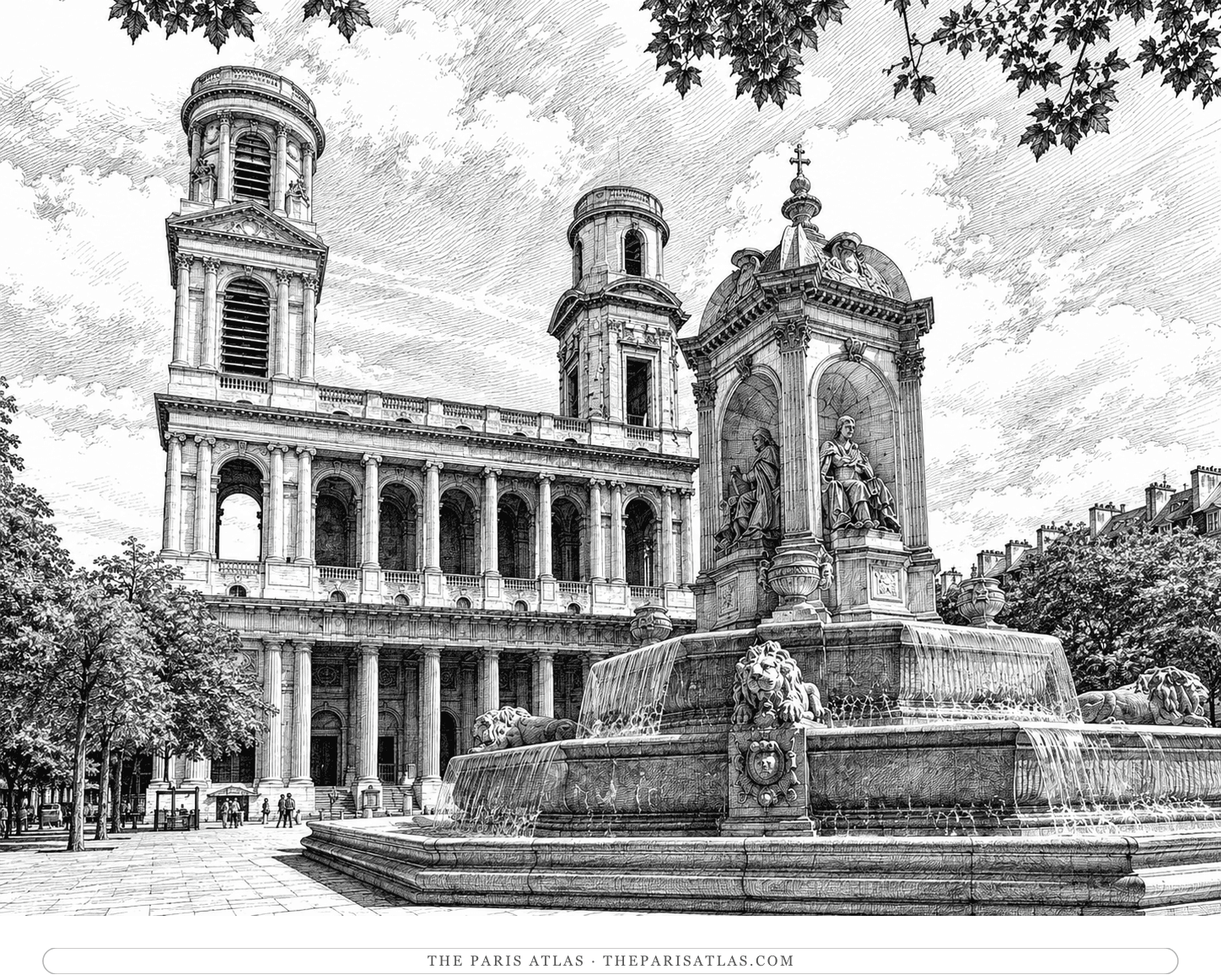
Paris got one. On the European tour of October and November 1969 — the year he turned seventy, was received at the White House by Richard Nixon and given the Presidential Medal of Freedom, the highest American civil honour — he gave a sacred concert in the church of Saint-Sulpice, the enormous seventeenth-century church on the Place Saint-Sulpice in the 6th arrondissement, and his birthday was celebrated afterwards at the Alcazar, a Paris cabaret. A jazz orchestra playing sacred music inside one of the great churches of Paris is a fair image of how far both the music and the man had travelled since the whistling at the Pleyel in 1933.

The end, and the size of the thing

He never stopped touring: the Soviet Union in 1971, the Far East and Australia in 1972, Europe and Africa in 1973. He published his memoirs, Music Is My Mistress, in 1973. In March 1974 he collapsed after a concert, finished the Midwest dates anyway, and was admitted to hospital with advanced cancer; he spent his seventy-fifth birthday there, still working — on a comic opera, Queenie Pie, among other things. He died at ten past three in the morning on 24 May 1974. Some sixty-five thousand people filed past his coffin, and the funeral was held on 27 May.

The scale is easy to state and hard to absorb: roughly two thousand compositions, half a century of one band, and a body of work that includes three-minute dance records, concert-length suites, film scores and church music without ever sounding like a man changing costume. The Pulitzer Prize board declined a special award to him in 1965; three members of the committee resigned over it. Ellington, who was sixty-six, said only that fate was being kind to him — it did not want him to be famous too young.

Life events

  1. 1899

    Born Edward Kennedy Ellington in Washington, D.C. on 29 April.

    Philippe Baudoin et Claude Carrière, Duke Ellington Panorama — chronologie sélective

  2. 1927

    Engaged at the Cotton Club in Harlem, and records East St. Louis Toodle-Oo, Black and Tan Fantasy and Creole Love Call. Nightly radio broadcasts carry the band nationally.

    Philippe Baudoin et Claude Carrière, Duke Ellington Panorama — chronologie sélective

  3. 1931

    Leaves the Cotton Club in February for a seven-month tour of the United States; the bandleader Cab Calloway takes the band's place at the club.

    Philippe Baudoin et Claude Carrière, Duke Ellington Panorama — chronologie sélective

  4. 1933

    First European tour in June and July — Britain, Holland and France — underwritten by the English bandleader Jack Hylton. Part of the audience whistles at the first Paris gala at the Salle Pleyel; the concert is restaged, and Ellington asks for a further performance at popular prices.

    Philippe Baudoin et Claude Carrière, Duke Ellington Panorama — chronologie sélective; C'était à la Une : Duke Ellington à Paris en 1933 (2017)

  5. 1939

    Second European tour in March and April. In Paris, three of his players — Rex Stewart, Barney Bigard and Billy Taylor — record with the guitarist Django Reinhardt: Finesse, I Know That You Know, Solid Old Man. Billy Strayhorn joins him this year.

    Philippe Baudoin et Claude Carrière, Duke Ellington Panorama — chronologie sélective

  6. 1946

    Brings Django Reinhardt to the United States to tour with the orchestra.

    Philippe Baudoin et Claude Carrière, Duke Ellington Panorama — chronologie sélective

  7. 1960

    In Paris without his orchestra, composing and recording the score for the film Paris Blues; Jean Vilar also commissions incidental music for Turcaret, written and recorded at the end of December.

    Philippe Baudoin et Claude Carrière, Duke Ellington Panorama — chronologie sélective

  8. 1961

    Paris Blues is released, directed by Martin Ritt, with Louis Armstrong on screen as Wild Man Moore and location scenes shot in Paris. Ellington and Armstrong also record together in the studio this year.

    Paris Blues (1961); Philippe Baudoin et Claude Carrière, Duke Ellington Panorama — chronologie sélective

  9. 1963

    Two European tours, in January–February and May–June; the February run of Paris concerts is released as the live album The Great Paris Concert.

    Philippe Baudoin et Claude Carrière, Duke Ellington Panorama — chronologie sélective; Tom Reney, Duke Ellington's Great Paris Concert

  10. 1965

    First Sacred Concert, at Grace Cathedral in San Francisco in September. The Pulitzer board declines a special award to him, and three members of the committee resign in protest.

    Philippe Baudoin et Claude Carrière, Duke Ellington Panorama — chronologie sélective

  11. 1968

    Second Sacred Concert in January at the Cathedral of St. John the Divine in New York, before more than six thousand people.

    Philippe Baudoin et Claude Carrière, Duke Ellington Panorama — chronologie sélective

  12. 1969

    Received at the White House on his seventieth birthday, 29 April, where Richard Nixon presents him with the Presidential Medal of Freedom. On the autumn European tour he gives a sacred concert in the church of Saint-Sulpice in Paris, with a birthday evening at the Alcazar.

    Philippe Baudoin et Claude Carrière, Duke Ellington Panorama — chronologie sélective

  13. 1973

    Première of the Third Sacred Concert at Westminster Abbey in London in October; publishes his memoir, Music Is My Mistress.

    Philippe Baudoin et Claude Carrière, Duke Ellington Panorama — chronologie sélective

  14. 1974

    Dies in New York at ten past three in the morning on 24 May, of advanced cancer, having worked in his hospital room to the end. Some sixty-five thousand people file past his coffin; the funeral is on 27 May.

    Philippe Baudoin et Claude Carrière, Duke Ellington Panorama — chronologie sélective

People they knew

Documented connections — every one carries its source.

Django Reinhardt

  • Musician
  • Composer

Collaborated with · 1939–1946

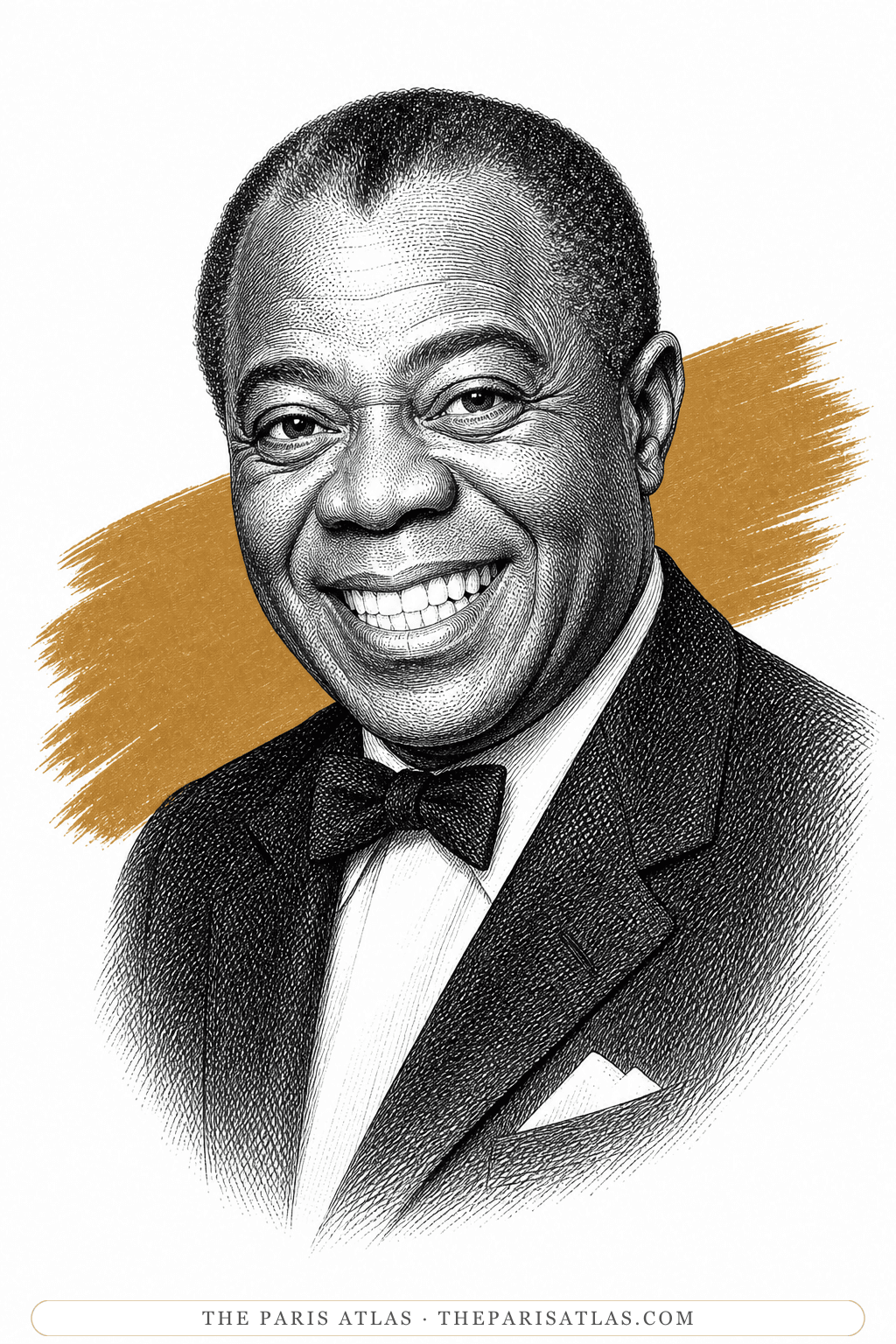
They met in Paris in April 1939, while Ellington's orchestra was touring Europe; during that stay three of Ellington's players — Rex Stewart, Barney Bigard and Billy Taylor — recorded small-group sides with Reinhardt in the city, including Finesse and Solid Old Man. At the end of October 1946 Ellington brought him to the United States to tour with the orchestra, Carnegie Hall included. The American tour is generally judged a disappointment: Reinhardt was a soloist dropped into a band with no arrangements written for him.
Philippe Baudoin et Claude Carrière, Duke Ellington Panorama — chronologie sélective; Exposition Django Reinhardt, Swing de Paris

Louis Armstrong

  • Musician
  • Singer
  • Actor

Collaborated with · 1961

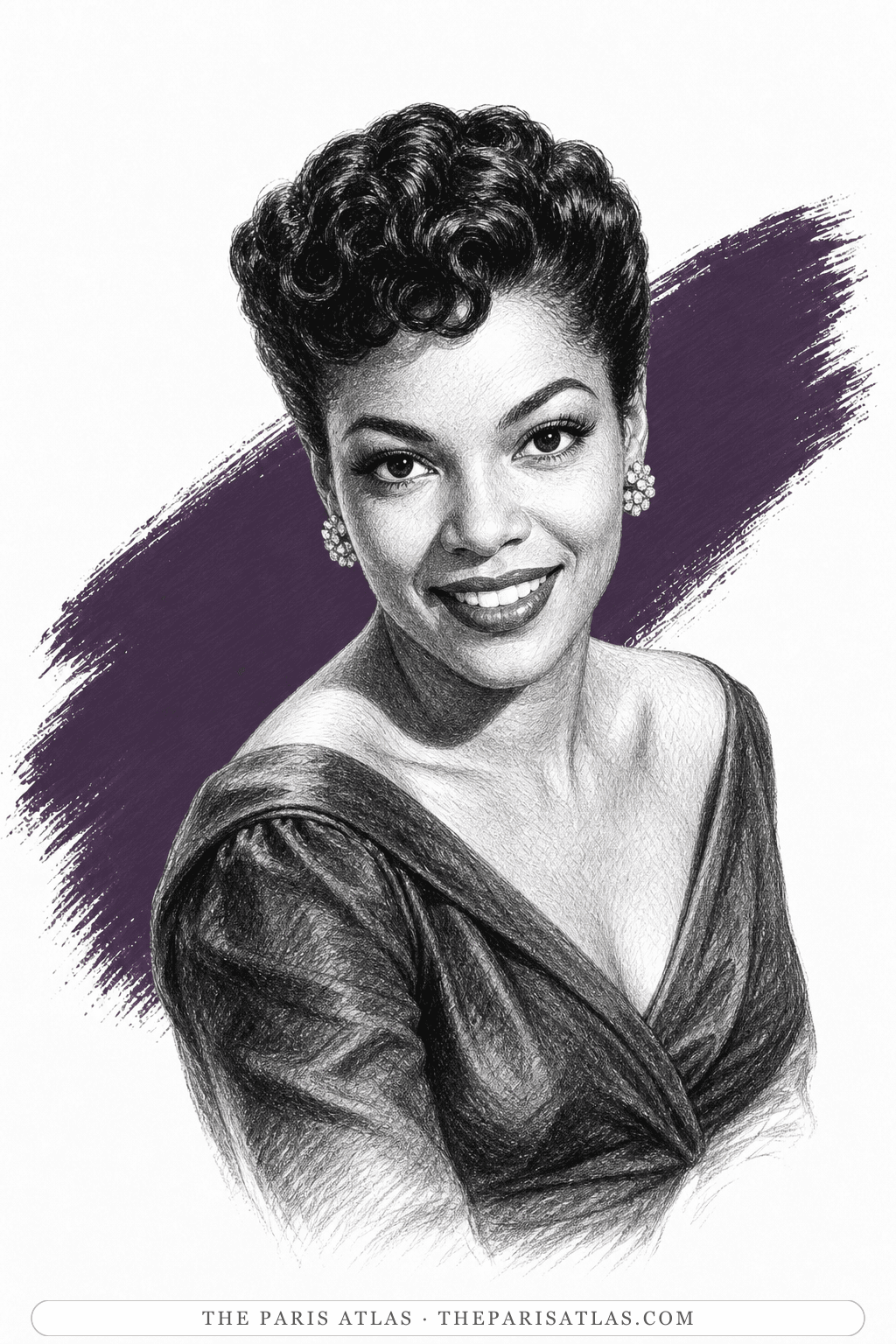
The two most famous men in jazz finally worked together in 1961, in the studio sessions issued as Louis Armstrong and Duke Ellington — Armstrong's All Stars playing Ellington's tunes with Ellington himself at the piano. The same year brought Paris Blues, Martin Ritt's film shot on Paris locations, for which Ellington wrote the score and in which Armstrong appears on screen as the trumpeter Wild Man Moore.

Philippe Baudoin et Claude Carrière, Duke Ellington Panorama — chronologie sélective; Paris Blues (1961)

Duke Ellington’s Places

The cataloged places connected to Duke Ellington — through the books, and through the documented record.

Places you can enter today appear first, followed by addresses to see from outside and sites that have vanished.

Questions about Duke Ellington

Why is Duke Ellington considered so important?

Because he composed for a band rather than for instruments. He led essentially the same orchestra for close to fifty years and wrote to the sound of the specific men in it — a part was for Johnny Hodges or Cootie Williams, not for alto saxophone or trumpet — and produced something like two thousand pieces that way, from three-minute dance records to concert suites, film scores and sacred music.

When did Duke Ellington first play in Paris?

In the summer of 1933, on his first European tour, at the Salle Pleyel. It went badly at first: part of the audience whistled at the opening gala, which the English bandleader Jack Hylton had presented. The concert was restaged without Hylton, Ellington asked for an extra performance at popular prices, and the Paris papers then spent weeks arguing about him — L'Humanité praised the orchestra's 'incredible melodic richness' on 4 August 1933.

Did Duke Ellington write the music for Paris Blues?

Yes. He came to Paris in 1960, without his orchestra, to compose and record the score for Martin Ritt's film, which was released in 1961 and whose location scenes were shot in the city. Paul Newman, Sidney Poitier, Joanne Woodward and Diahann Carroll star; Louis Armstrong appears as the visiting trumpeter Wild Man Moore.

Did Duke Ellington play in a Paris church?

He did. During the European tour of October and November 1969 he gave one of his Sacred Concerts inside Saint-Sulpice, the great seventeenth-century church on the Left Bank, and his seventieth-birthday evening was held afterwards at the Alcazar cabaret. The Sacred Concerts were full evenings of religious music for orchestra, choir, singers and dancers, performed in churches — the first at Grace Cathedral in San Francisco in 1965, the last at Westminster Abbey in 1973.

Did Duke Ellington play with Django Reinhardt?

They met in Paris in April 1939, when Ellington's orchestra was touring Europe, and three of Ellington's musicians — Rex Stewart, Barney Bigard and Billy Taylor — made small-group recordings with Reinhardt in the city, among them Finesse and Solid Old Man. In late 1946 Ellington brought Reinhardt to the United States to tour with the orchestra, including a Carnegie Hall appearance.

Did Duke Ellington and Louis Armstrong record together?

Yes, in 1961 — the sessions issued as Louis Armstrong and Duke Ellington, with Armstrong's All Stars playing Ellington's tunes and Ellington himself at the piano. The same year brought Paris Blues, whose score Ellington wrote and in which Armstrong acts.

What honours did Duke Ellington receive?

The Presidential Medal of Freedom, the highest American civil honour, given to him by Richard Nixon at the White House on his seventieth birthday, 29 April 1969; the NAACP's Spingarn Medal in 1959; election to the Swedish Royal Academy of Music in 1971, the first non-classical musician admitted. The Pulitzer Prize board refused him a special award in 1965 and three members of the committee resigned over the refusal.

How did Duke Ellington die?

Of advanced cancer, in New York, at ten past three in the morning on 24 May 1974, aged seventy-five. He had collapsed after a concert in March, finished the tour, and gone on working in his hospital room. About sixty-five thousand people came to file past his coffin.

Sourced claims

Every connection the graph holds for Duke, with the evidence behind it.

Performed at · 1969

Place Saint-Sulpice

On the European tour of October and November 1969 Ellington gave one of his Sacred Concerts — a full evening of religious music for orchestra, choir and singers — inside the church of Saint-Sulpice, the seventeenth-century church that fills the north side of the square. His seventieth-birthday evening was celebrated afterwards at the Alcazar. The performance was in the church itself, not on the square.

Philippe Baudoin et Claude Carrière, Duke Ellington Panorama — chronologie sélective

Collaborated with · 1939–1946

Django Reinhardt

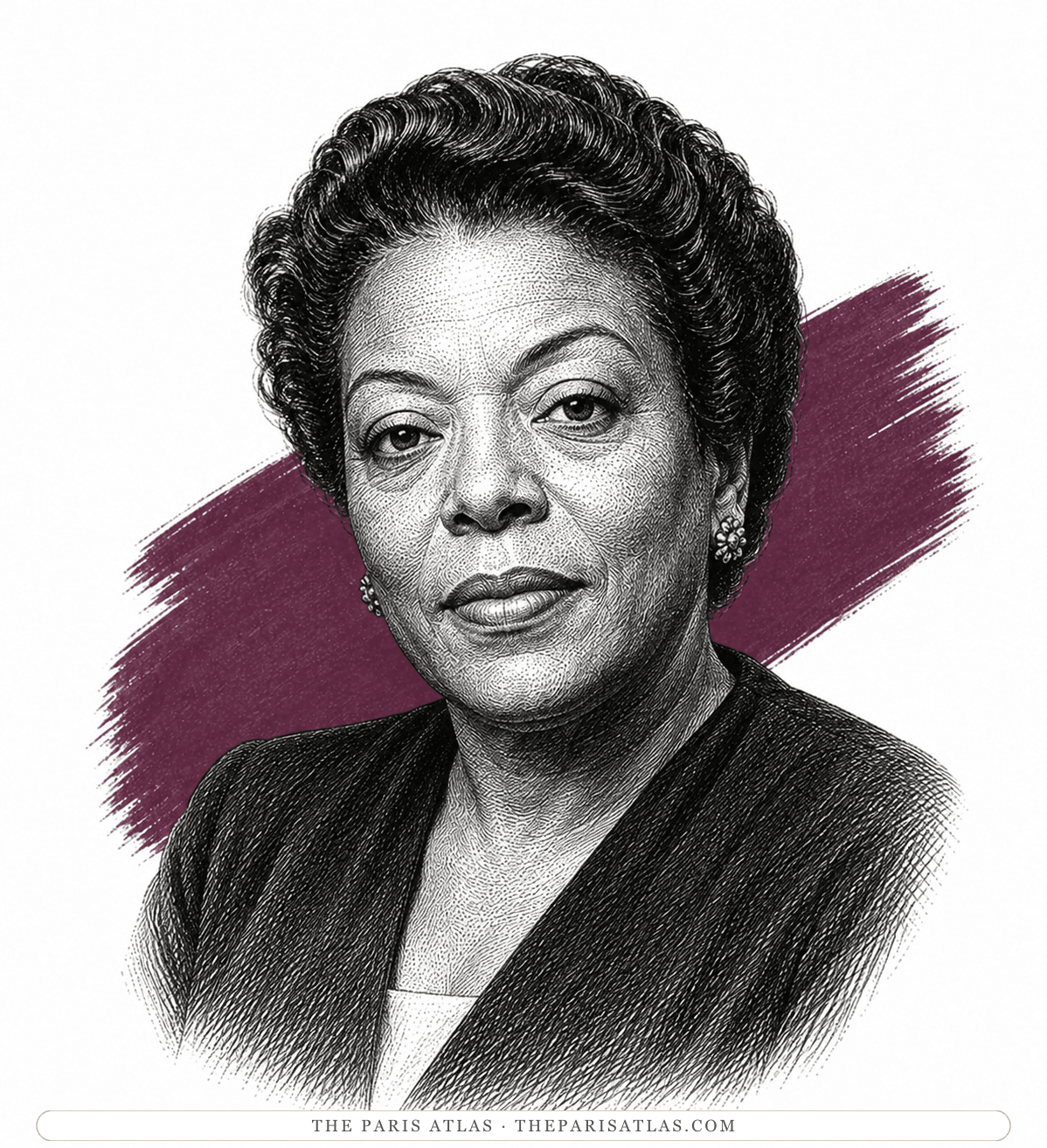
They met in Paris in April 1939, while Ellington's orchestra was touring Europe; during that stay three of Ellington's players — Rex Stewart, Barney Bigard and Billy Taylor — recorded small-group sides with Reinhardt in the city, including Finesse and Solid Old Man. At the end of October 1946 Ellington brought him to the United States to tour with the orchestra, Carnegie Hall included. The American tour is generally judged a disappointment: Reinhardt was a soloist dropped into a band with no arrangements written for him.
Philippe Baudoin et Claude Carrière, Duke Ellington Panorama — chronologie sélective; Exposition Django Reinhardt, Swing de Paris

Collaborated with · 1961

Louis Armstrong

The two most famous men in jazz finally worked together in 1961, in the studio sessions issued as Louis Armstrong and Duke Ellington — Armstrong's All Stars playing Ellington's tunes with Ellington himself at the piano. The same year brought Paris Blues, Martin Ritt's film shot on Paris locations, for which Ellington wrote the score and in which Armstrong appears on screen as the trumpeter Wild Man Moore.

Philippe Baudoin et Claude Carrière, Duke Ellington Panorama — chronologie sélective; Paris Blues (1961)

References

References

The sources below include biographies, scholarly essays, interviews, and primary materials that informed this page. They reflect both the historical record and ongoing critical conversations about Duke Ellington and their work.

  1. 1Duke Ellington Panorama — chronologie sélective

    La Maison du Duke, Paris

    The selective chronology by Philippe Baudoin and Claude Carrière for La Maison du Duke, the French Ellington association — the spine of the dates here.

    View source
  2. 2C'était à la Une : Duke Ellington à Paris en 1933

    RetroNews — le site de presse de la BnF, 2017

    The BnF press archive's reconstruction of how Paris received the 1933 concerts.

    View source
  3. 3Paris Blues (1961)

    AFI Catalog of Feature Films, American Film Institute

    The American Film Institute's record of Paris Blues, its credits and its Paris location shooting.

    View source
  1. 4Music Is My Mistress

    Doubleday, New York, 1973

    Ellington's own memoir, published the year before his death.

  2. 5Duke Ellington's Great Paris Concert

    tomreney.com

    For the February 1963 Paris stand released as The Great Paris Concert.

    View source
i
Why these sources are here

These references anchor the page in the documented record and in the scholarly conversations around Duke Ellington. Every claim on this page traces back to one or more of the works listed here.

Explore more resources