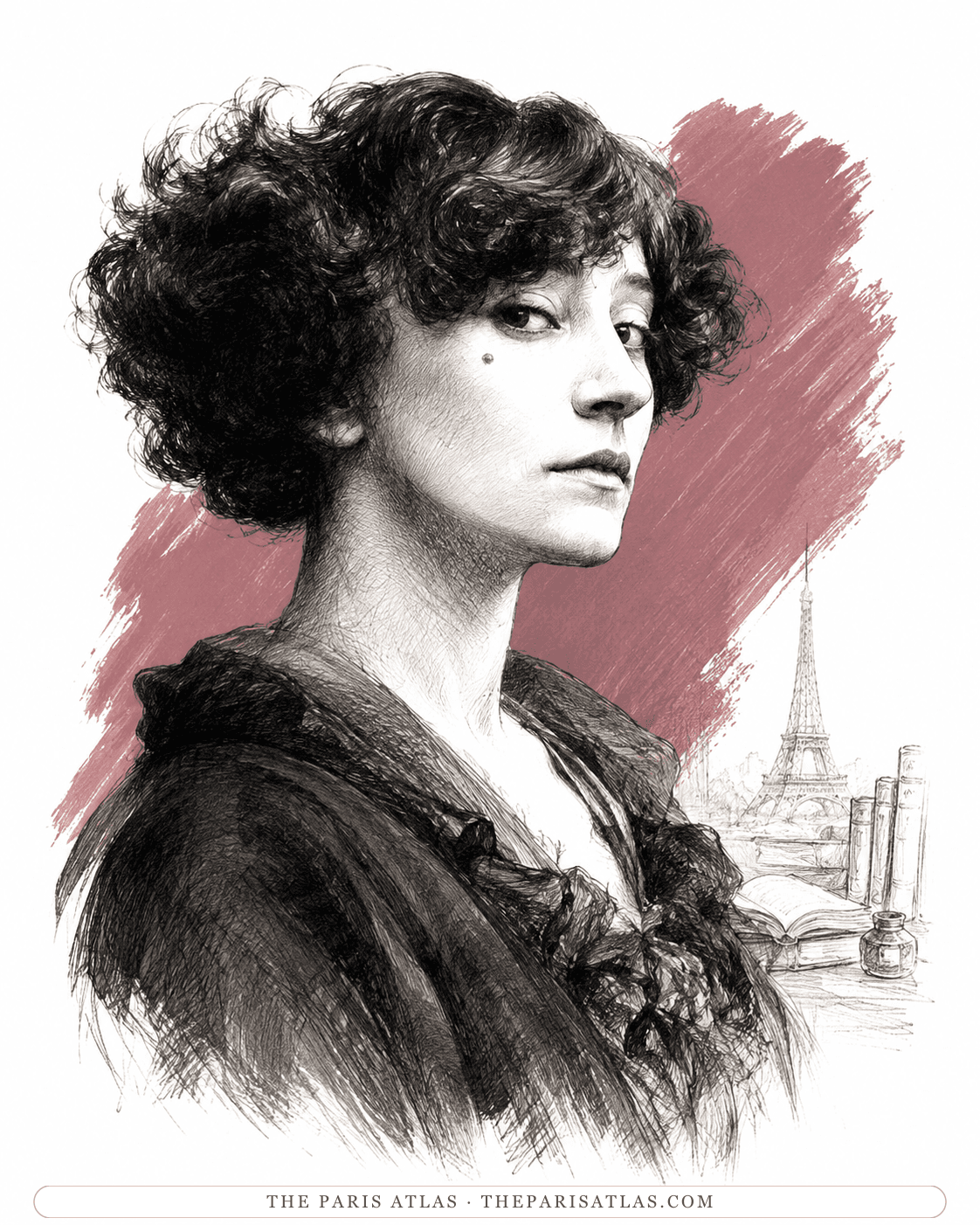
Colette
- Author
- Journalist
- Actor
- +1
Collaborated with · 1917–1925
Colette wrote the libretto and Maurice Ravel composed the music for L’Enfant et les sortilèges, first performed in Monte Carlo in 1925.
The French composer who set Colette’s libretto for L’Enfant et les sortilèges, premiered in 1925.
Collaborated with · 1917–1925
Colette wrote the libretto and Maurice Ravel composed the music for L’Enfant et les sortilèges, first performed in Monte Carlo in 1925.

Met
Younger contemporary, admirer, occasional friend and eventual rival. Ravel enthusiastically supported Pelléas, but their relationship cooled as critics compared them and personal tensions accumulated.
The influence was complicated and in some respects mutual, but Debussy's harmonic vocabulary and new approach to piano and orchestral color formed part of the environment in which Ravel developed. Ravel deeply admired Debussy even while insisting that their artistic personalities were fundamentally different.

Serge Koussevitzky commissioned Ravel to orchestrate Pictures at an Exhibition, and conducted the premiere at the Paris Opera in October 1922. Ravel's version turned a piano suite that was never performed in Mussorgsky's lifetime into one of the most played works in the orchestral repertory.
Collaborated with · 1917–1925
Colette wrote the libretto and Maurice Ravel composed the music for L’Enfant et les sortilèges, first performed in Monte Carlo in 1925.
Influenced by
The influence was complicated and in some respects mutual, but Debussy's harmonic vocabulary and new approach to piano and orchestral color formed part of the environment in which Ravel developed. Ravel deeply admired Debussy even while insisting that their artistic personalities were fundamentally different.
Met
Younger contemporary, admirer, occasional friend and eventual rival. Ravel enthusiastically supported Pelléas, but their relationship cooled as critics compared them and personal tensions accumulated.
Influenced by · 1922
Serge Koussevitzky commissioned Ravel to orchestrate Pictures at an Exhibition, and conducted the premiere at the Paris Opera in October 1922. Ravel's version turned a piano suite that was never performed in Mussorgsky's lifetime into one of the most played works in the orchestral repertory.
The sources below include biographies, scholarly essays, interviews, and primary materials that informed this page. They reflect both the historical record and ongoing critical conversations about Maurice Ravel and their work.


Web source consulted for documented facts and historical context presented on the Maurice Ravel page.
Web source consulted for documented facts and historical context presented on the Maurice Ravel page.

Contemporary reporting or criticism used to document the historical reception and context of Maurice Ravel.
Web source consulted for documented facts and historical context presented on the Maurice Ravel page.
These references anchor the page in the documented record and in the scholarly conversations around Maurice Ravel. Every claim on this page traces back to one or more of the works listed here.
 Explore more resources