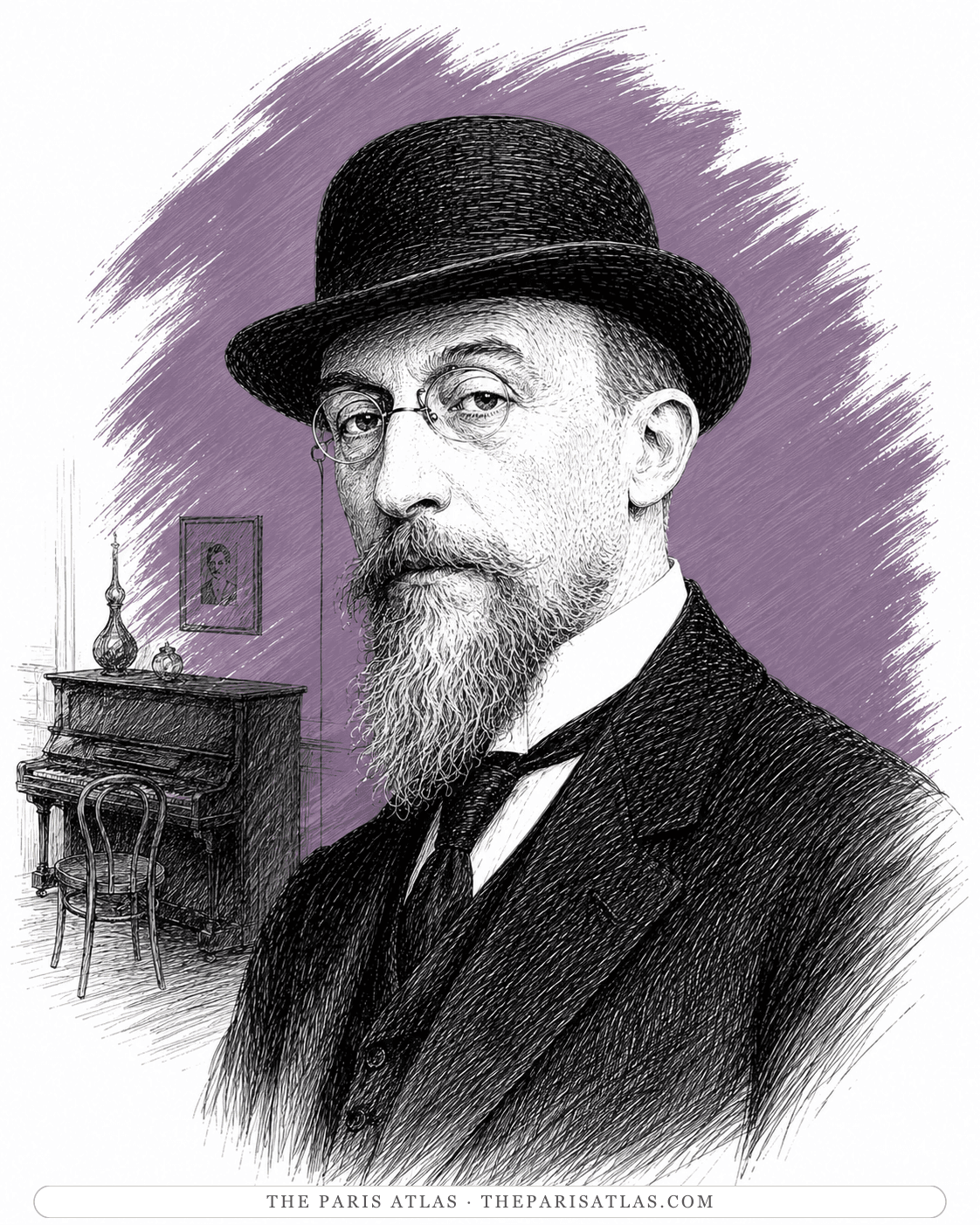
Erik Satie
- Musician
Patron of · 1924
De Maré commissioned Relâche in 1924, the Ballets Suédois's final production, for which Satie wrote a bar-by-bar score. It was the last gasp of the Dada spirit in Paris.
The Swedish millionaire who founded the Ballets Suédois and ran it in Paris from 1920 to 1925, commissioning Léger, Satie, Picabia and Milhaud to build ballets. Sometimes called the Swedish Diaghilev. He also owned Picasso's Man with a Pipe.
De Maré inherited one of Sweden's great fortunes and spent it on modern art and modern dance. He collected Cubism early — Picasso's Man with a Pipe passed through his hands, along with the bronze Head of Fernande and works by Braque and Léger — and in 1920 he founded a ballet company in Paris, the Ballets Suédois, to rival Diaghilev's Ballets Russes. With the young Swedish dancer Jean Börlin as his choreographer and only star, the company ran for five years at the Théâtre des Champs-Élysées and staged twenty-four ballets, most of them new commissions.
The commissioning is why he belongs in these pages. De Maré hired the Paris avant-garde to make dance: Fernand Léger designed Skating Rink in 1922 and La Création du monde in 1923, Erik Satie wrote the score for Relâche in 1924, and Francis Picabia supplied its scenario. Relâche carried, between its two acts, René Clair's film Entr'acte — which has a page of its own — so de Maré is the producer behind the one film in which the whole Paris avant-garde can be watched playing. When the company closed in 1925 he turned archivist, founding the Archives Internationales de la Danse in Paris in 1931, an early museum and research centre for dance. He died in 1964, and his art collection was dispersed.
Patron of · 1924
De Maré commissioned Relâche in 1924, the Ballets Suédois's final production, for which Satie wrote a bar-by-bar score. It was the last gasp of the Dada spirit in Paris.
Patron of · 1922
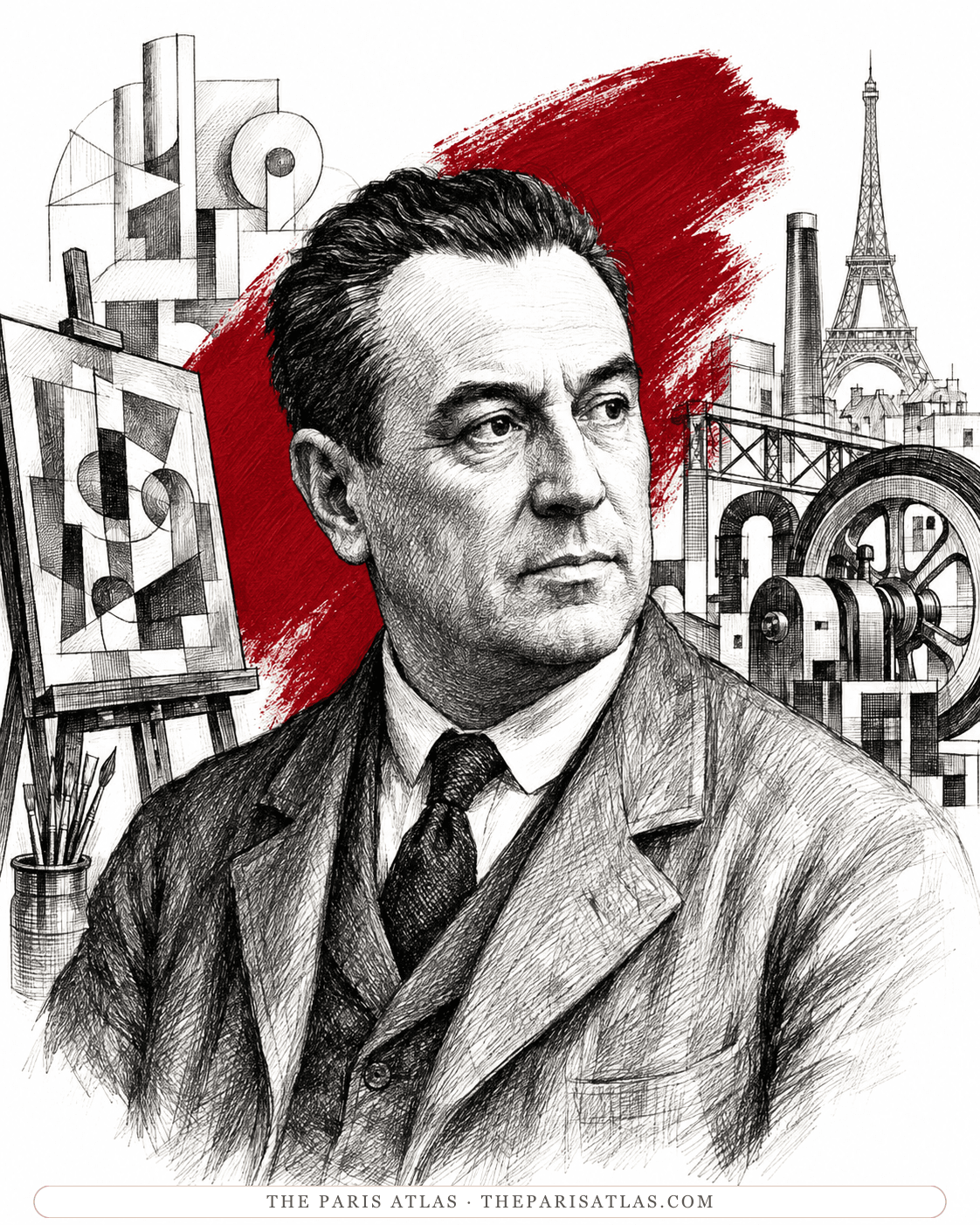
Léger designed the sets and costumes for two of the company's defining productions, Skating Rink in 1922 and La Création du monde in 1923. De Maré commissioned and paid for both.
Patron of · 1924
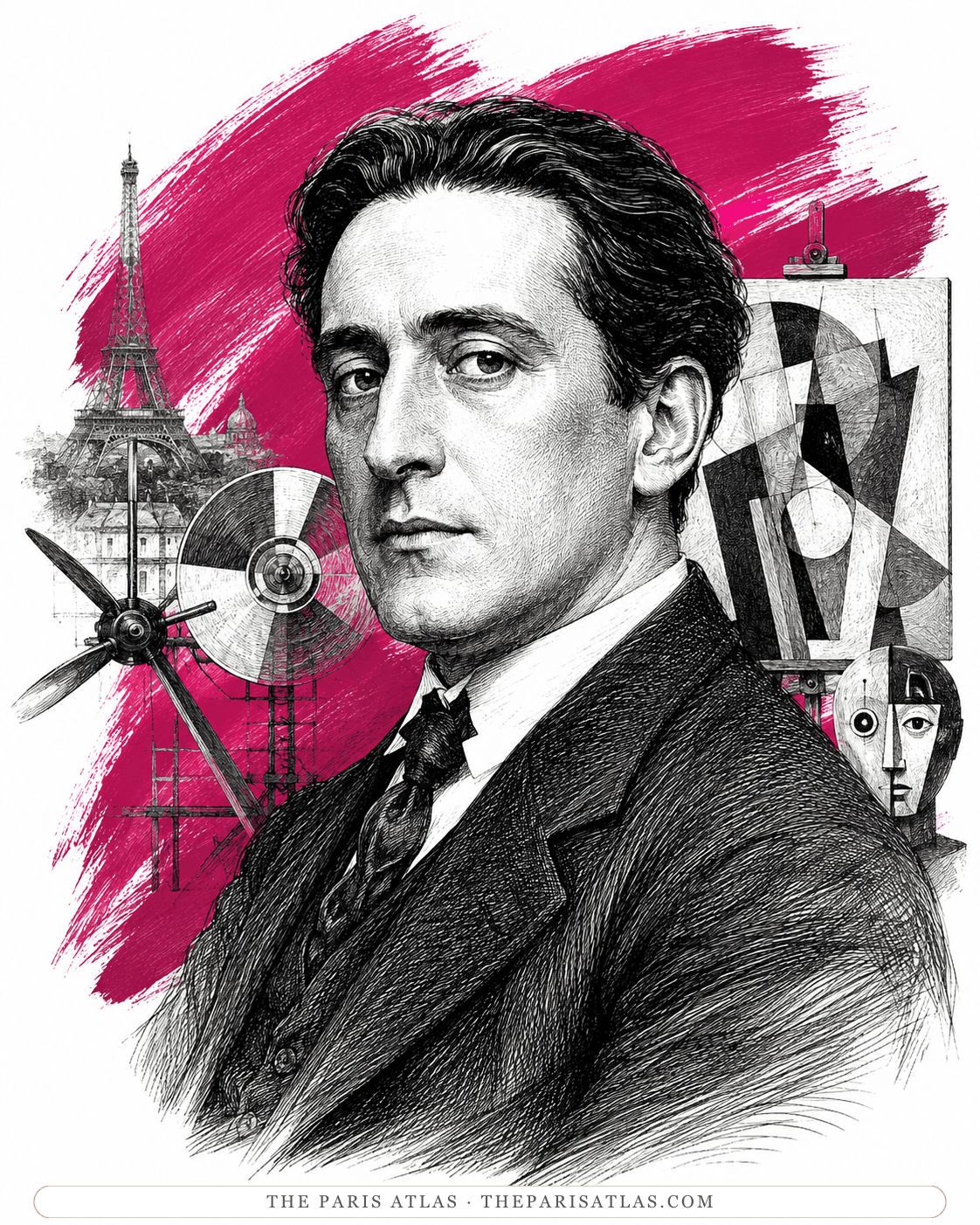
Picabia wrote the scenario for Relâche in 1924 and, for its interval, the film Entr'acte that de Maré's company had René Clair direct.
Patron of · 1924
De Maré commissioned Relâche in 1924, the Ballets Suédois's final production, for which Satie wrote a bar-by-bar score. It was the last gasp of the Dada spirit in Paris.
Patron of · 1922
Léger designed the sets and costumes for two of the company's defining productions, Skating Rink in 1922 and La Création du monde in 1923. De Maré commissioned and paid for both.
Patron of · 1924
Picabia wrote the scenario for Relâche in 1924 and, for its interval, the film Entr'acte that de Maré's company had René Clair direct.
The sources below include biographies, scholarly essays, interviews, and primary materials that informed this page. They reflect both the historical record and ongoing critical conversations about Rolf de Maré and their work.


Web source consulted for documented facts and historical context presented on the Rolf de Maré page.
These references anchor the page in the documented record and in the scholarly conversations around Rolf de Maré. Every claim on this page traces back to one or more of the works listed here.
 Explore more resources