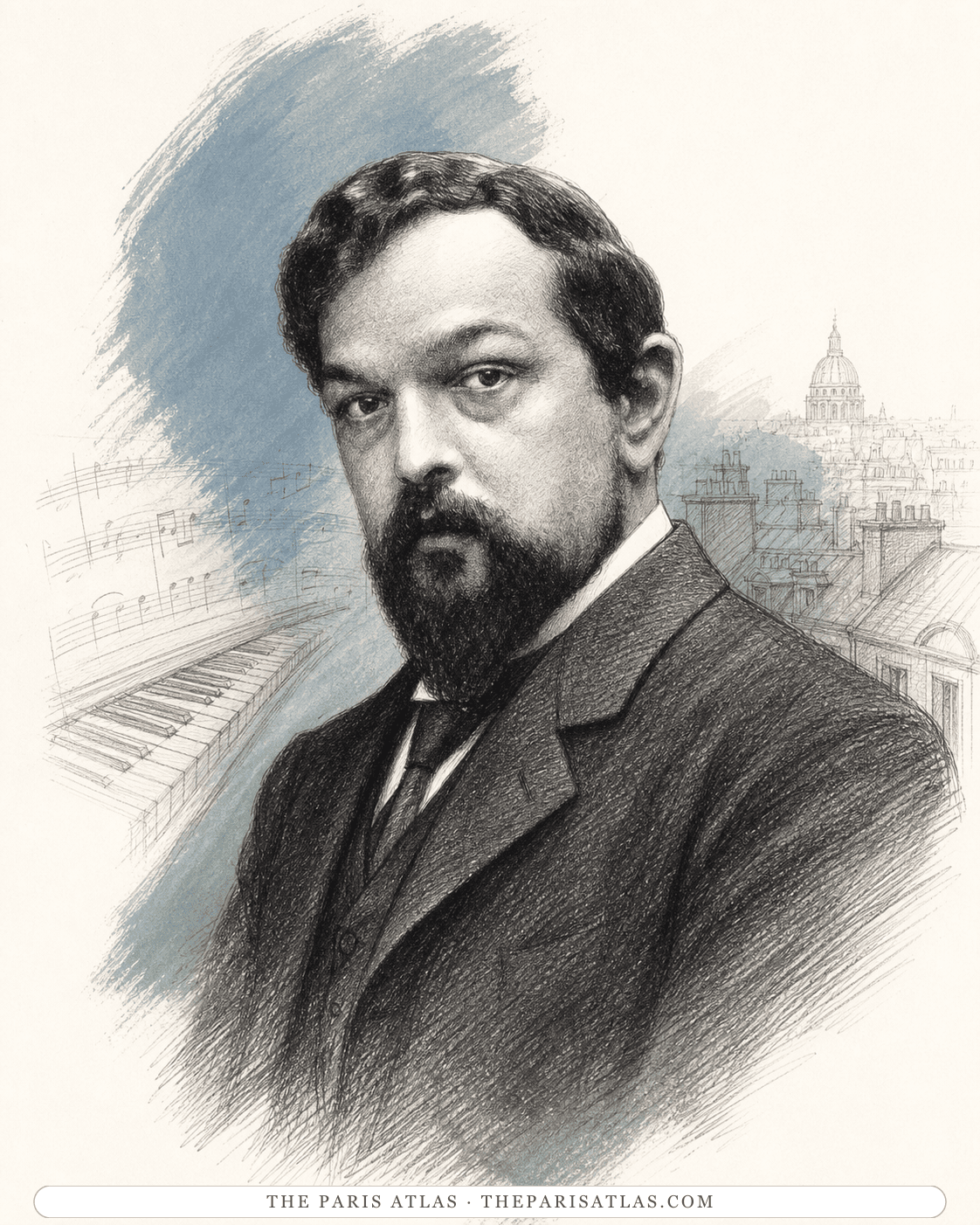
Claude Debussy
- Musician
- Critic
Met
A central intellectual influence. Debussy attended Mallarmé's Tuesday salon, and Mallarmé's L'Après-midi d'un faune inspired Debussy's breakthrough orchestral masterpiece.
The Symbolist poet whose Tuesday salon Debussy attended and whose L'Après-midi d'un faune inspired Debussy's breakthrough orchestral work.
Met
A central intellectual influence. Debussy attended Mallarmé's Tuesday salon, and Mallarmé's L'Après-midi d'un faune inspired Debussy's breakthrough orchestral masterpiece.
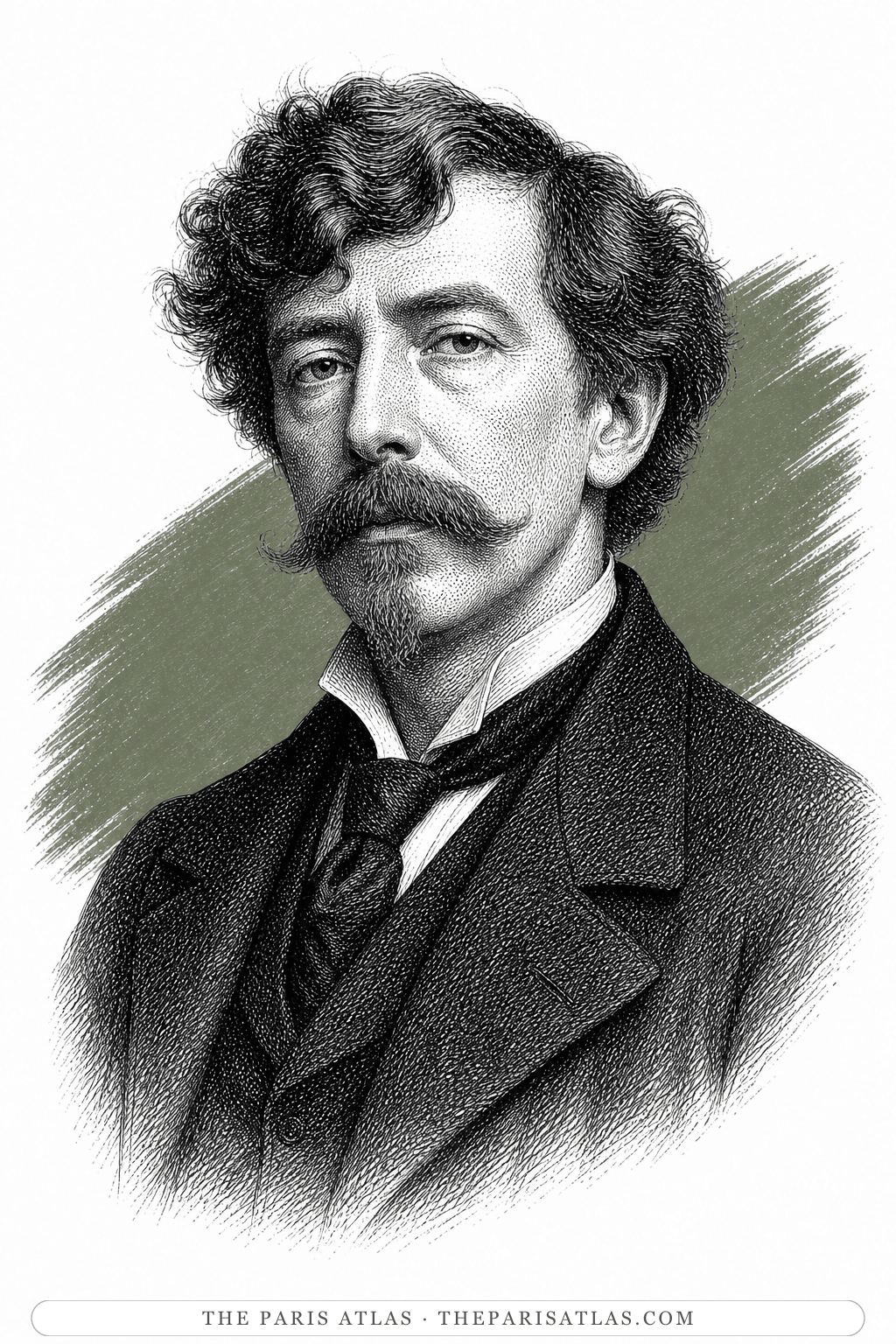
Collaborated with · 1888–1891
Mallarmé translated Whistler's 'Ten O'Clock' lecture — his argument that art owes nothing to morality or storytelling — into French, and introduced him to the Symbolist writers of Paris. The two then campaigned together to have the French state buy Whistler's portrait of his mother, which it did on 30 November 1891 for 4,000 francs.
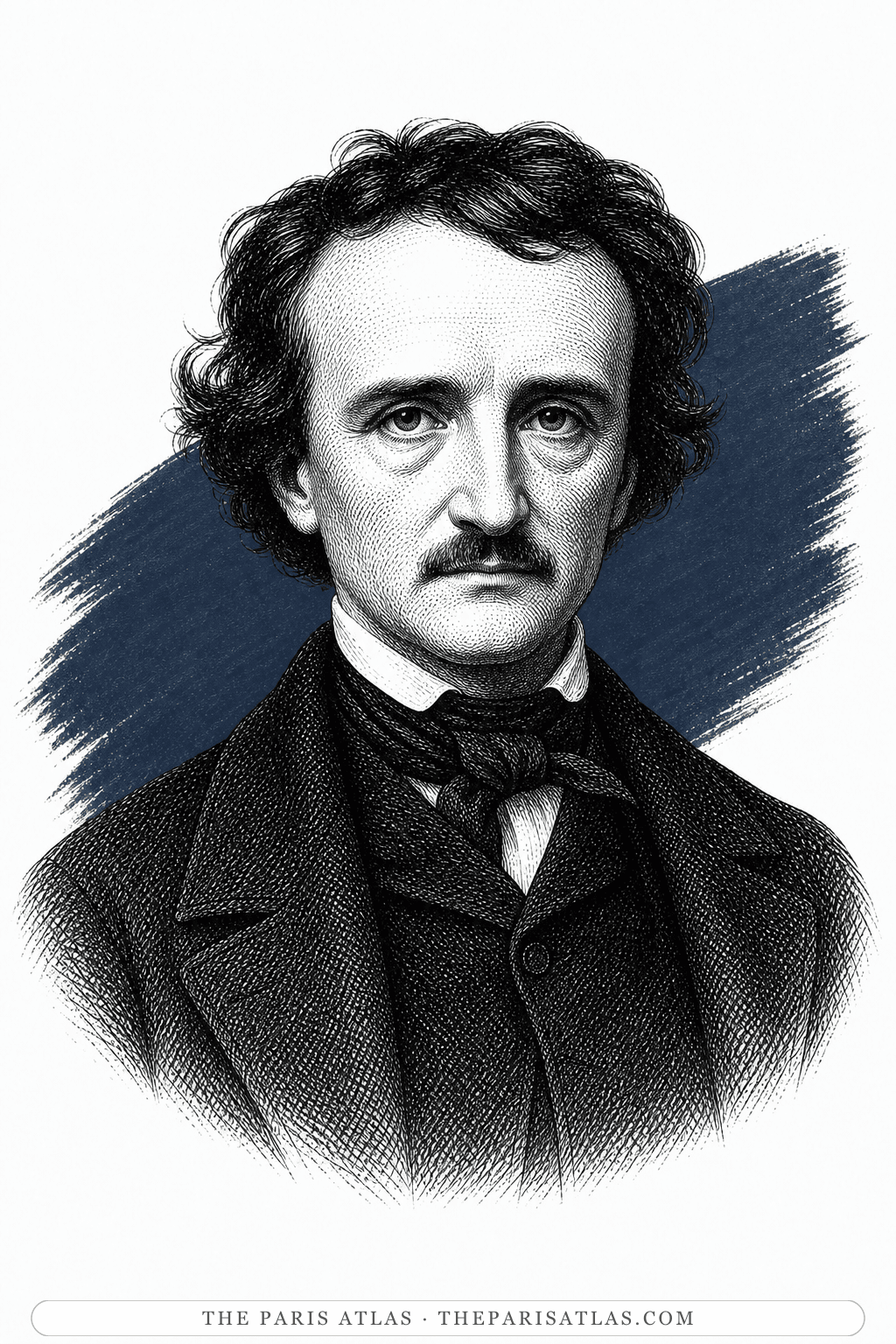
Baudelaire had taken the tales; Mallarmé took the poems, rendering them in rhythmic prose rather than forcing them into French rhyme — a version W. T. Bandy judged worthy of standing beside Baudelaire's translations. Richard Lesclide published his Le Corbeau ("The Raven") in Paris in 1875 with lithographs by Édouard Manet. His sonnet "Le Tombeau d'Edgar Poe" was written at the invitation of Sara Sigourney Rice, who was raising money for a monument over Poe's grave in Baltimore, and first printed in her Memorial Volume of 1877.
Mallarmé showed Debussy a form of art based on suggestion rather than explanation. Symbolist ambiguity, silence and indirect imagery helped Debussy conceive musical forms that evoke rather than narrate. Prélude à l'après-midi d'un faune grew directly from Mallarmé's poetry.
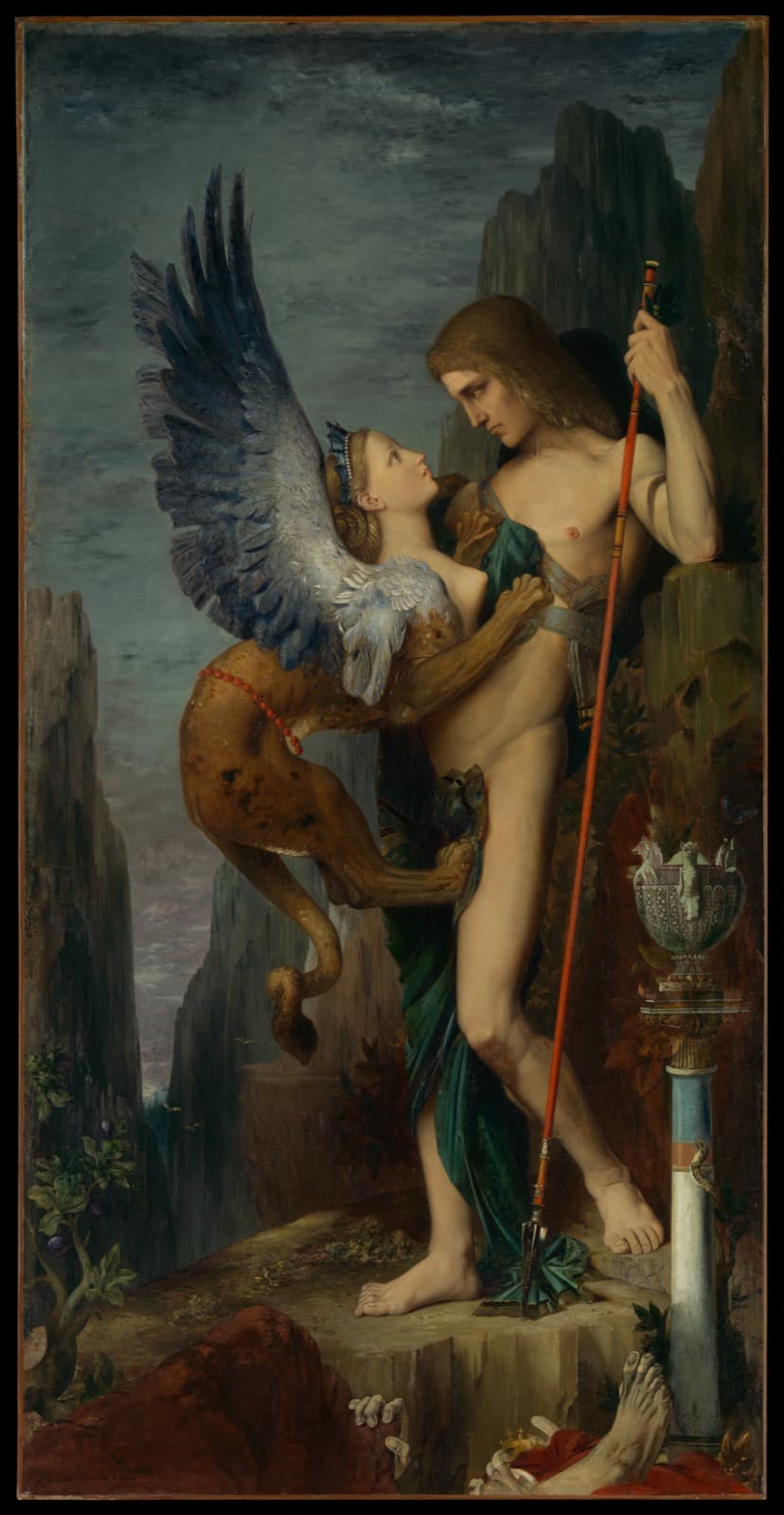
Art & literary movement · circa 1860–1910
Jean Moreas coined the term in 1886 to describe the poetry of Mallarme and Paul Verlaine. Mallarme's statement that naming an object destroys most of the pleasure of a poem became the movement's central principle.
Influenced
Mallarmé showed Debussy a form of art based on suggestion rather than explanation. Symbolist ambiguity, silence and indirect imagery helped Debussy conceive musical forms that evoke rather than narrate. Prélude à l'après-midi d'un faune grew directly from Mallarmé's poetry.
Associated with · 1886
Jean Moreas coined the term in 1886 to describe the poetry of Mallarme and Paul Verlaine. Mallarme's statement that naming an object destroys most of the pleasure of a poem became the movement's central principle.
Met
A central intellectual influence. Debussy attended Mallarmé's Tuesday salon, and Mallarmé's L'Après-midi d'un faune inspired Debussy's breakthrough orchestral masterpiece.
Influenced by
Baudelaire had taken the tales; Mallarmé took the poems, rendering them in rhythmic prose rather than forcing them into French rhyme — a version W. T. Bandy judged worthy of standing beside Baudelaire's translations. Richard Lesclide published his Le Corbeau ("The Raven") in Paris in 1875 with lithographs by Édouard Manet. His sonnet "Le Tombeau d'Edgar Poe" was written at the invitation of Sara Sigourney Rice, who was raising money for a monument over Poe's grave in Baltimore, and first printed in her Memorial Volume of 1877.
Collaborated with · 1888–1891
Mallarmé translated Whistler's 'Ten O'Clock' lecture — his argument that art owes nothing to morality or storytelling — into French, and introduced him to the Symbolist writers of Paris. The two then campaigned together to have the French state buy Whistler's portrait of his mother, which it did on 30 November 1891 for 4,000 francs.
The sources below include biographies, scholarly essays, interviews, and primary materials that informed this page. They reflect both the historical record and ongoing critical conversations about Stéphane Mallarmé and their work.


Published analysis and historical context used in preparing the Stéphane Mallarmé page.
Published analysis and historical context used in preparing the Stéphane Mallarmé page.

Primary text included as part of the documented record for Stéphane Mallarmé.

Web source consulted for documented facts and historical context presented on the Stéphane Mallarmé page.
Archival evidence used to document the historical record connected to Stéphane Mallarmé.
These references anchor the page in the documented record and in the scholarly conversations around Stéphane Mallarmé. Every claim on this page traces back to one or more of the works listed here.
 Explore more resources