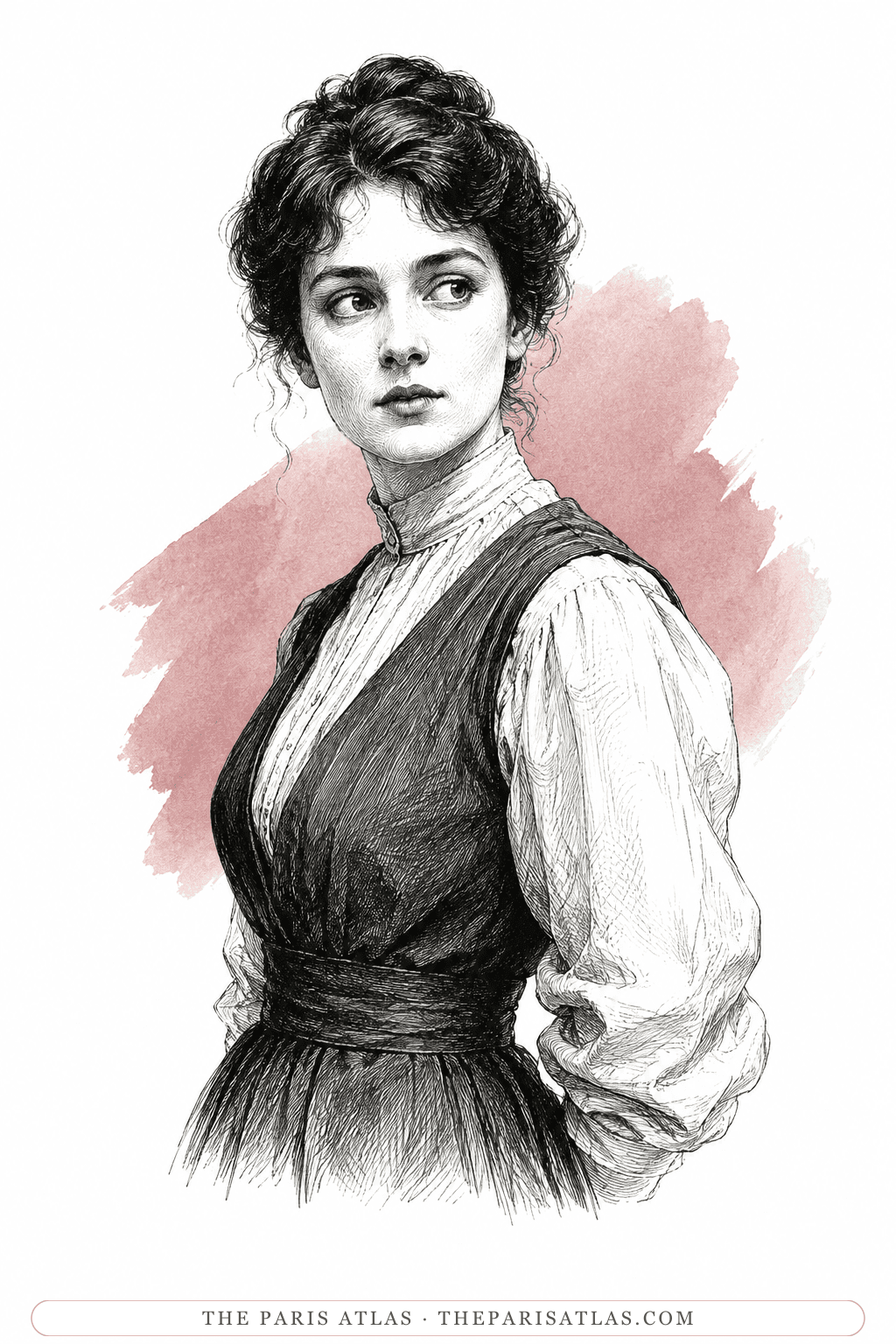
Margaret Dauncey
A young artist whose unexplained fascination with Haddo makes desire, agency, and coercion impossible to separate neatly.
To understand and act on the force drawing her toward Haddo, even as that force isolates her from the life she had chosen.
The book

At a glance
- Artist and student in Paris
- Arthur’s fiancée; later Haddo’s wife
- Whether fascination can still count as free choice under coercion
Who they are in the book
Spoiler-freeMargaret is studying art in Paris and initially appears secure in her love for Arthur. Her intelligence and independence make her sudden change toward Haddo more troubling, not less.
The novel does not offer a simple account of her choice. Hypnotic influence, fear, fascination, and attraction overlap, leaving her both a person with desires and a target of domination.
How Margaret Dauncey Is Portrayed
- Young Paris art studentHer practical studio dress reflects serious artistic work rather than society ornament.
- Intelligent expressionShe is not portrayed as merely passive or naïve.
- Increasing reserveHer inner life becomes harder for friends to read after meeting Haddo.
- Divided agencyChoice and coercion remain deliberately entangled.
- Independent trainingHer life in Paris already extends beyond marriage and domestic expectation.
- Unsettled attentionHer changing focus makes fascination visible before anyone can explain it.
Margaret leaves Arthur, marries Haddo, and dies under mysterious circumstances before Arthur can rescue her.
If you like The Magician


If you like W. Somerset Maugham
Explore authors with a similar voice, perspective, and influence.
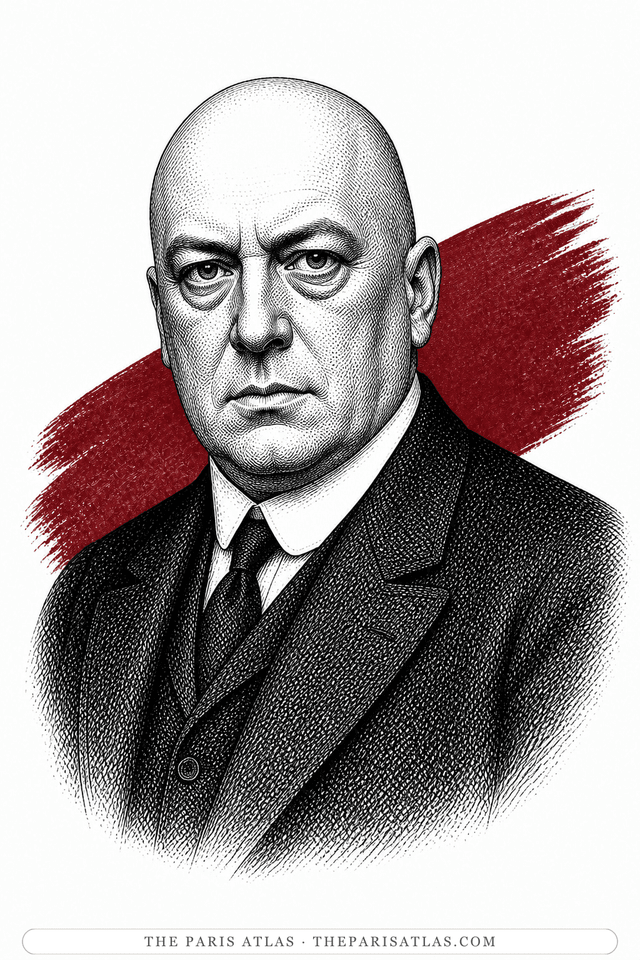
Aleister Crowley
English occultist, writer, mountaineer and founder of Thelema whose long relationship with Paris connected ritual magic to the city’s Belle Époque and interwar artistic worlds.
View author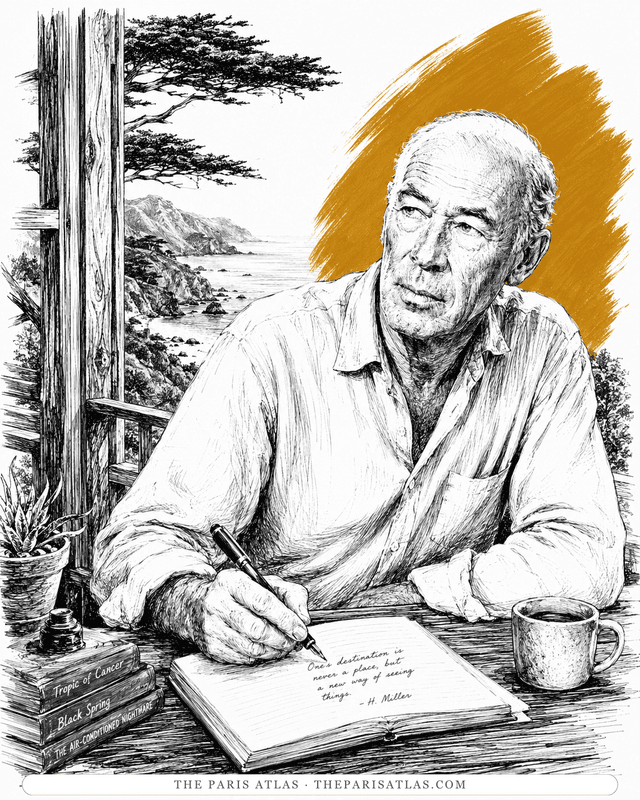
Henry Miller
The Brooklyn dropout who arrived in Paris broke at thirty-eight and wrote the exuberant, banned books that ended American censorship.
View author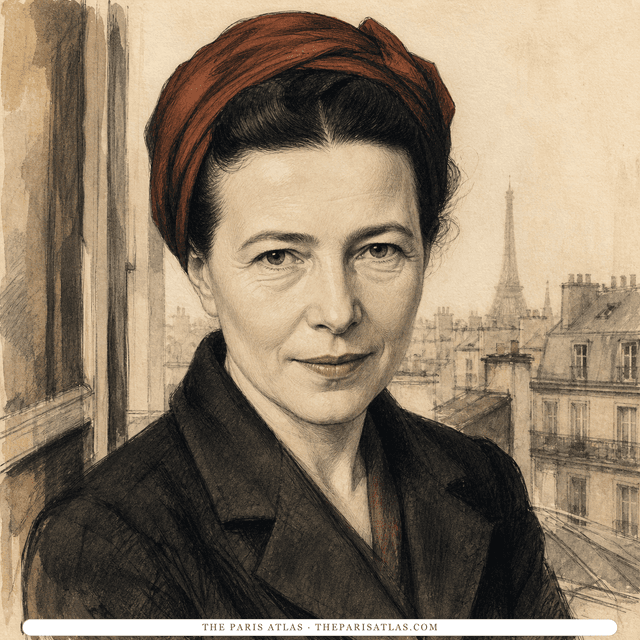
Simone de Beauvoir
French writer and philosopher whose novels, memoirs, and social analysis examined freedom, gender, responsibility, aging, and the material conditions that shape a life.
View author