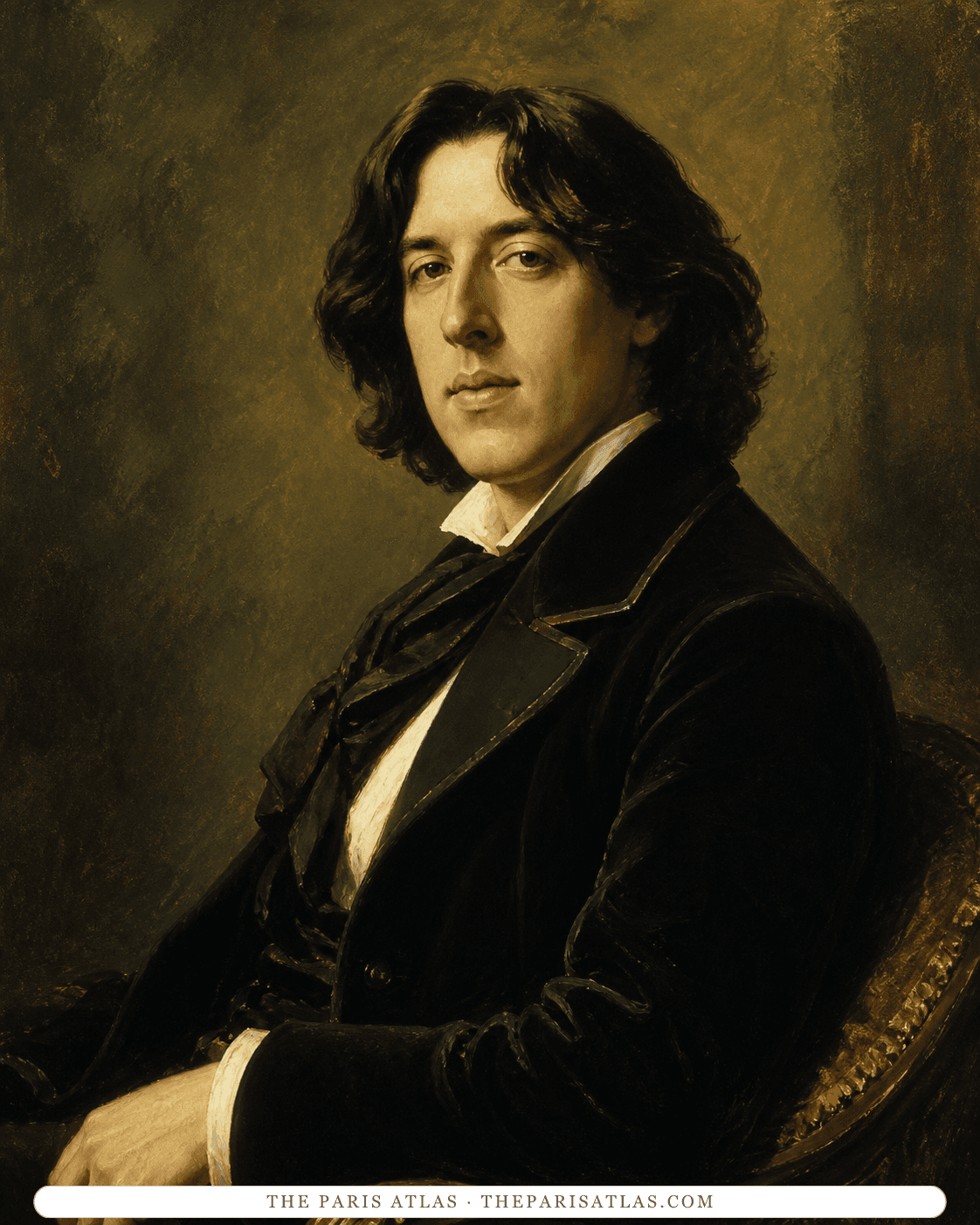

Intentions
Four essays and dialogues in which Oscar Wilde argues that criticism is creative, art need not copy life, and a work should not be reduced to a moral lesson.
Read our take
by Oscar Wilde
Oscar Wilde's only novel: a beautiful young man stays unchanged while his hidden portrait records age, cruelty, and guilt.
The Picture of Dorian Gray follows Dorian Gray, a wealthy young Londoner whose portrait ages and decays while his face remains young. Influenced by Lord Henry Wotton's praise of beauty and sensation, Dorian treats other people as material for experience while hiding the evidence in a locked room. The novel asks what happens when appearance is separated from responsibility — and it is the book the Crown would use against Wilde four years later in the 1895 trials.
The story first appeared as a novella of thirteen chapters in the July 1890 issue of Lippincott's Monthly Magazine, published simultaneously in Philadelphia and London. Reviews in the London press were hostile — the Daily Chronicle called it 'a poisonous book,' the St James's Gazette accused Wilde of writing for 'outlawed noblemen and perverted telegraph-boys,' and W. H. Smith withdrew the magazine from railway station bookstalls. Wilde replied in letters to the papers defending the book on aesthetic grounds.
For the 1891 Ward, Lock and Company book edition, Wilde expanded the text substantially — from thirteen chapters to twenty — adding the subplot involving Sibyl Vane's brother James Vane, the extended chapter set in an opium den, and the famous Preface (twenty-two aphorisms including 'There is no such thing as a moral or an immoral book. Books are well written, or badly written. That is all.'). He also softened some of the 1890 magazine text's most explicit passages about the intensity of Basil Hallward's feelings for Dorian.
The 1890 magazine text and the 1891 book text are two different books. A reader should choose which one they want: the shorter, more direct 1890 version now available through modern editions (the most influential is Nicholas Frankel's 2011 uncensored Belknap Press edition), or the longer and better-known 1891 version. In the 1895 trials, Wilde's own defence quoted from the 1891 preface; the Crown quoted from both versions.
Painter Basil Hallward makes a portrait of Dorian Gray, a beautiful young man of twenty he has been painting obsessively for the past year. Dorian, standing in Basil's studio and listening to Basil's brilliant sceptical friend Lord Henry Wotton talk about youth and beauty, wishes aloud that the image could grow old in his place. The wish appears to come true. When Dorian cruelly rejects the young actor Sibyl Vane after her bad performance in Romeo and Juliet, Sibyl kills herself that night; the portrait develops a first line of cruelty around the mouth.
The middle of the book compresses eighteen years into a series of episodes. Dorian keeps his youthful appearance while the portrait records each act he hides. He experiments with opium, sensation, occult books, jewels, tapestries, music. He is seen at all the right dinners and none of the wrong questions are asked out loud. Basil Hallward eventually confronts him about the rumours; Dorian shows him the portrait in the locked upstairs room and murders him with a knife. He blackmails an old friend, the chemist Alan Campbell, into destroying the body.
The final chapters are Sibyl Vane's brother James's pursuit of Dorian for revenge, and Dorian's decision to destroy the portrait. He stabs it with the same knife he used on Basil. The novel's closing paragraphs are the most famous passage of Wilde's fiction: the servants find an old, withered, unrecognisable man dead on the floor, with a jewelled knife in his heart, and the portrait on the wall restored to the beauty of Dorian's youth.
Basil paints Dorian's likeness while Lord Henry changes how Dorian understands it. The painter welcomes an arresting expression without grasping the conversation that produced it; artistic success and emotional danger occupy the same sitting. When Dorian sees the finished canvas, admiration turns into fear because Henry has taught him to measure beauty against its disappearance. The portrait therefore does not simply reflect an already settled self. It becomes a rival possession, preserving something Dorian now believes his living body must lose.
The coverlet turns a beautiful furnishing into an instrument of concealment. Its possible earlier use as a funeral pall makes hiding the portrait resemble a burial, but the image underneath will continue to change. Dorian's solution protects his reputation rather than answering the judgement he sees in the painted face. Moving the canvas also converts his childhood room into a locked compartment of adult secrecy. The practical business of keys, servants and carriers makes moral evasion a household operation.
There is only one thing in the world worse than being talked about, and that is not being talked about.
There is no such thing as a moral or an immoral book. Books are well written, or badly written. That is all.
The only way to get rid of a temptation is to yield to it.
It is Wilde's fullest treatment of beauty, influence, secrecy, art, and moral responsibility.
Read The Importance of Being Earnest next to see the same skill with language used for comedy instead of Gothic fiction.
It is the last book Wilde published as a free man — the revised 1891 edition came out four years before his 1895 trial, and the passages the Crown quoted in court came directly from the novel.
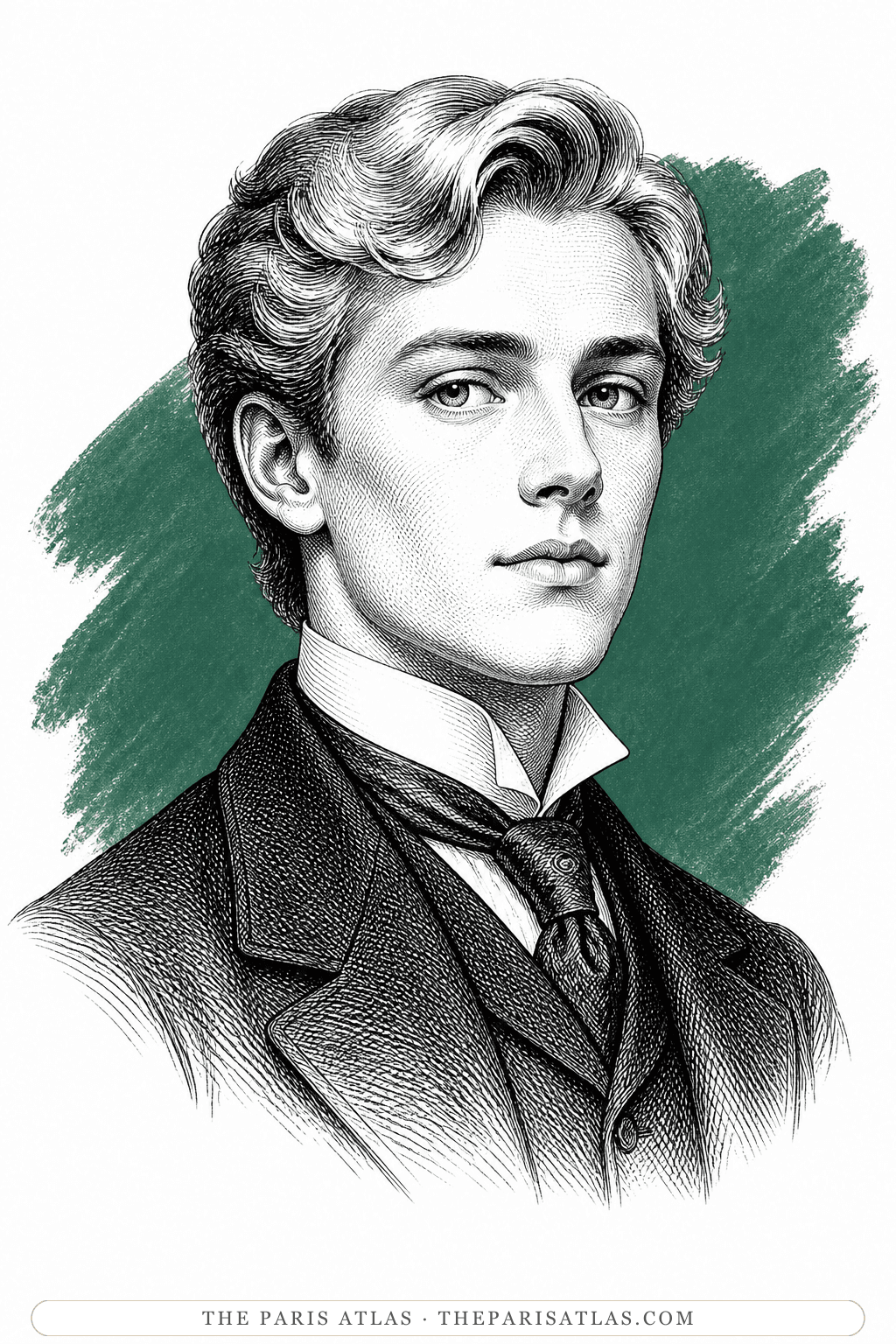
The wealthy young Londoner of the title, twenty at the novel's opening. His wish that the portrait age in his place appears to come true after Sibyl Vane's suicide. Over the next eighteen years he keeps his face while the portrait records every act he hides.
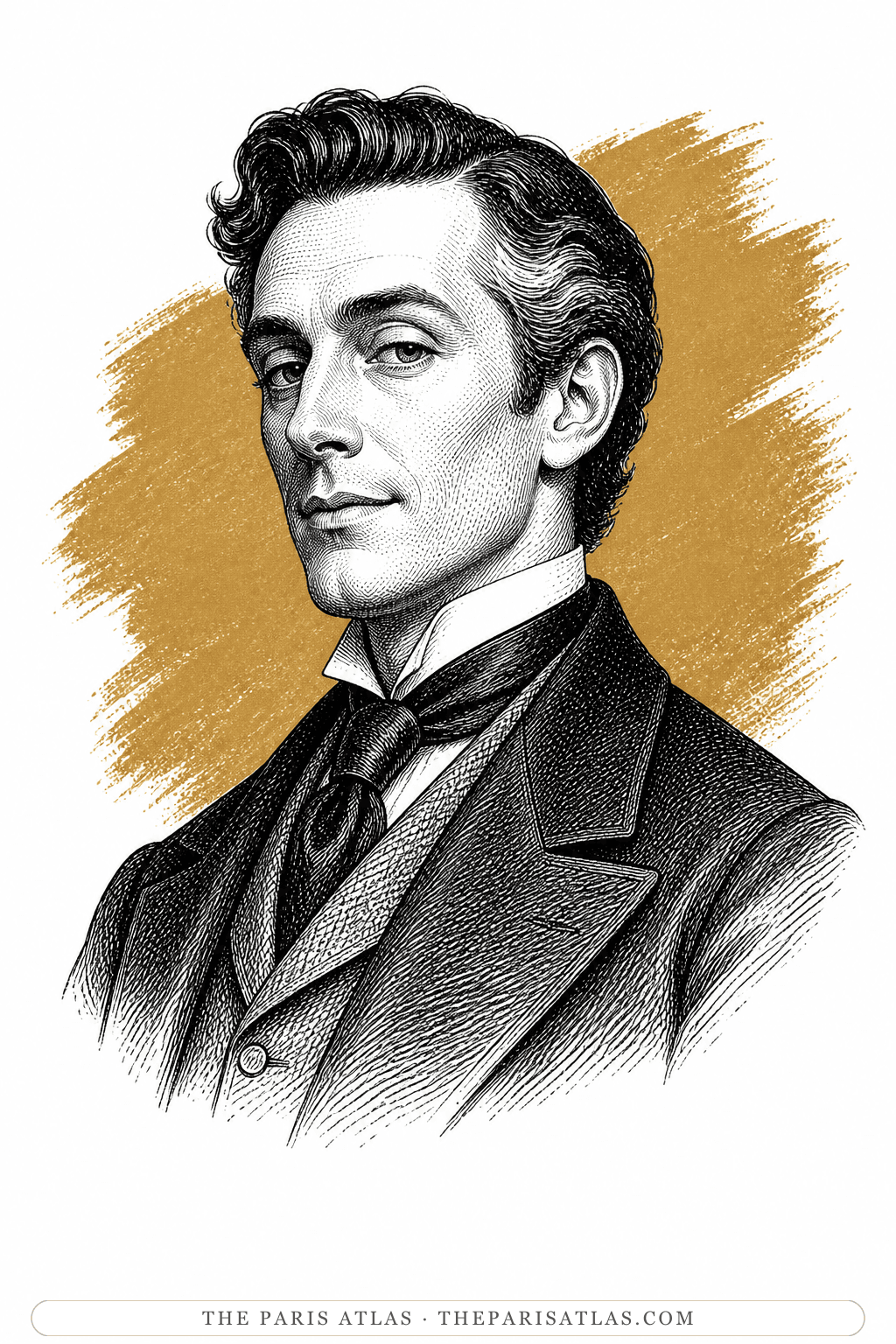
The brilliant, sceptical aristocrat whose Oxford-manner conversation about youth and beauty in the opening chapters gives Dorian the vocabulary he then acts on. Lord Henry does no harm himself; the paradoxes he tosses off in dinner conversation become Dorian's operating instructions.
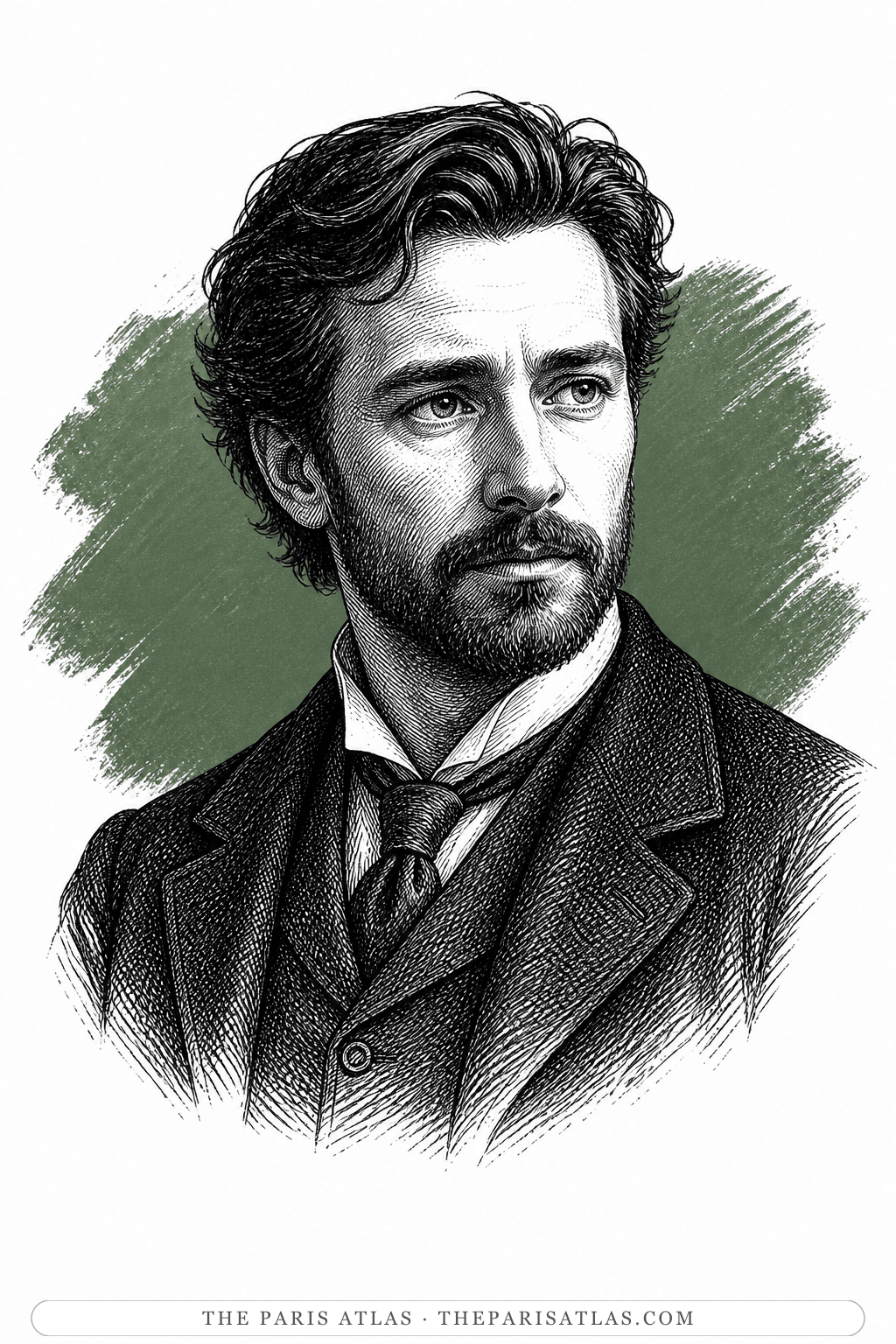
The painter of the portrait, in love with Dorian in a way the 1890 magazine text states more directly than the 1891 book. He is the moral centre of the novel — the one who eventually confronts Dorian about the rumours and asks to see the portrait — and Dorian murders him for it.
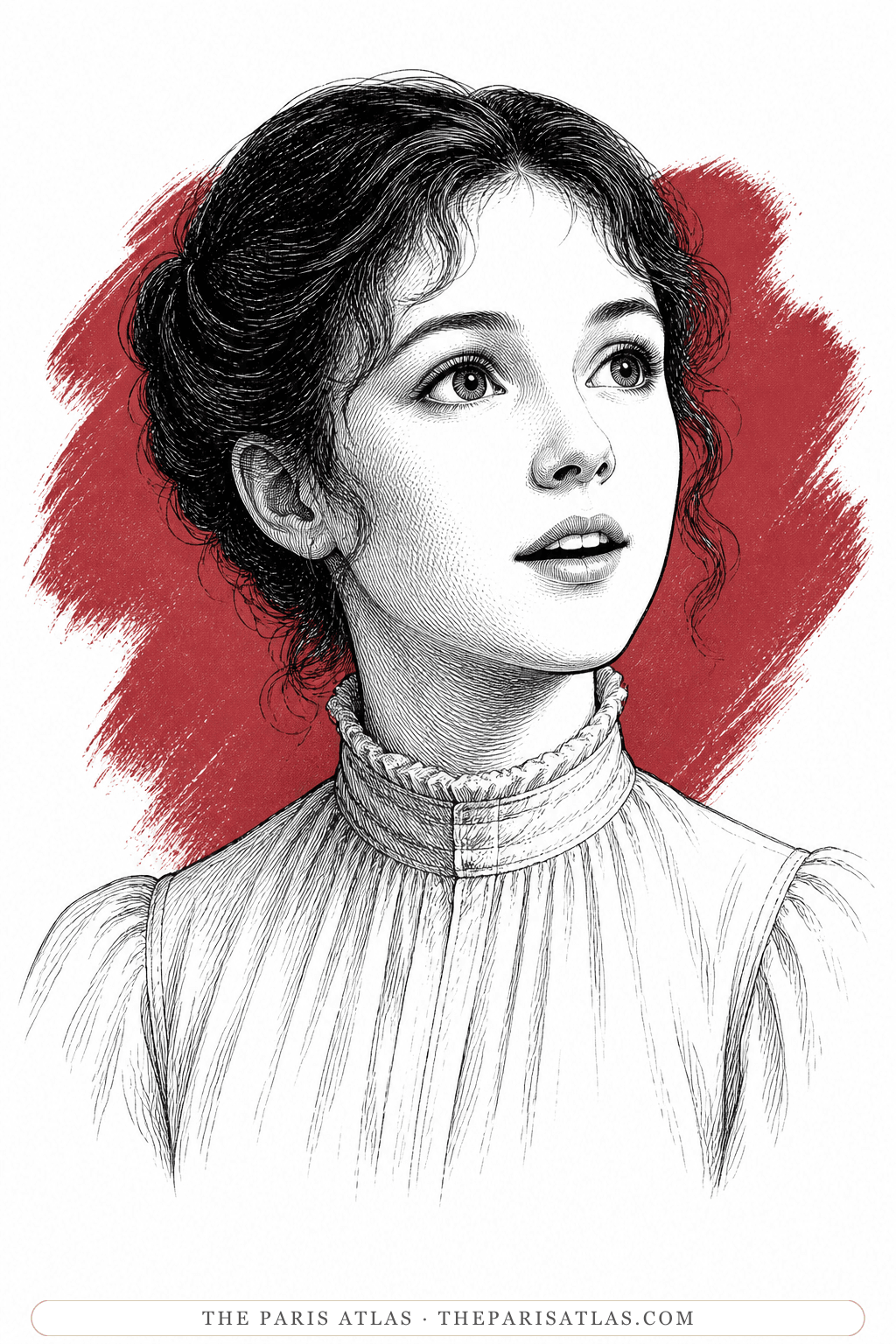
The seventeen-year-old actress Dorian falls in love with — Juliet, Rosalind, Imogen in a shabby East End theatre. He proposes; her one bad performance (she cannot act love once she knows it) makes him cruelly reject her. She poisons herself that night. The portrait's first mark appears the next morning.
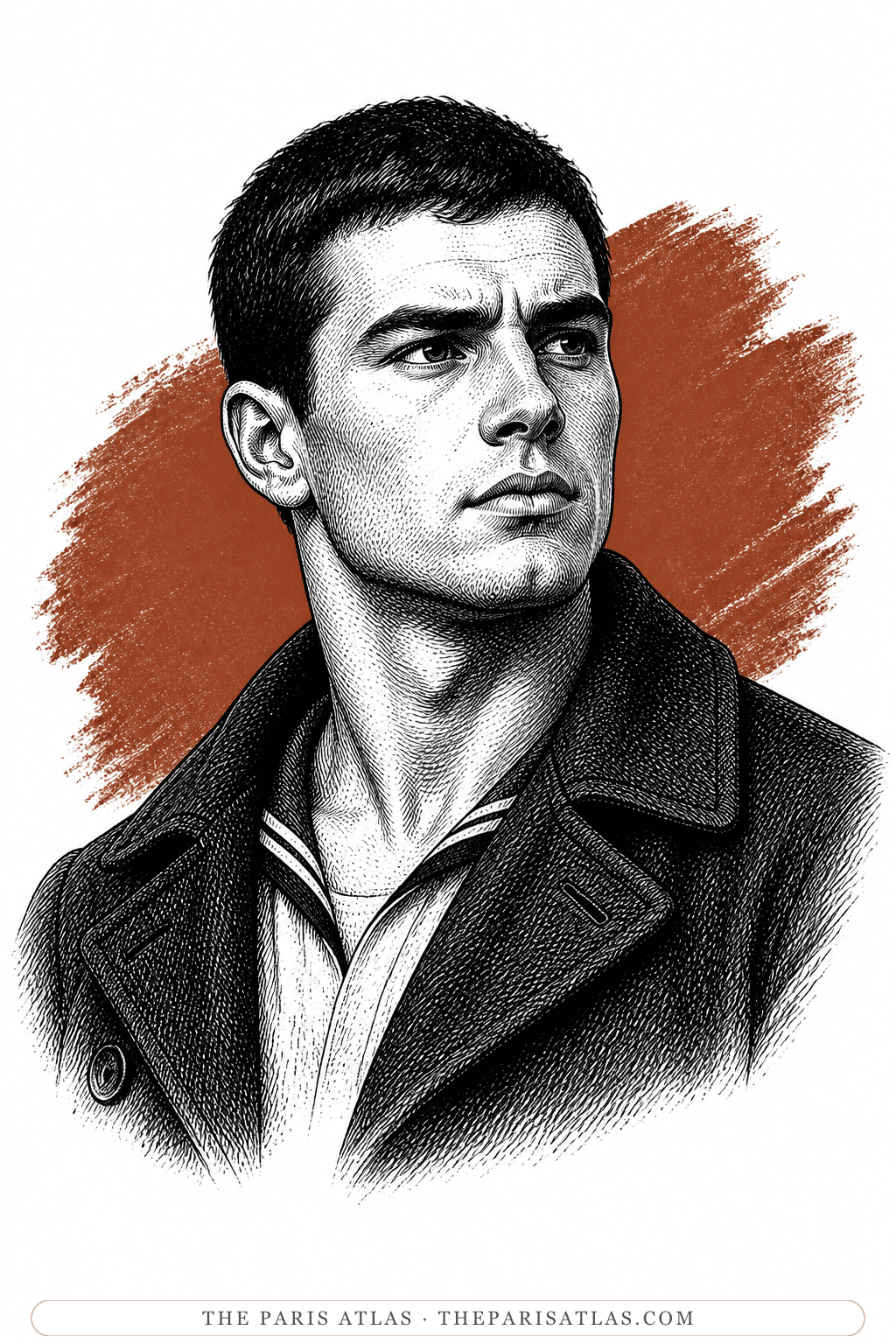
Sibyl Vane's sailor brother, who swears at the funeral to find and kill 'Prince Charming.' He tracks Dorian for years — the portrait's un-ageing face is what makes recognition impossible — and dies during a country-house shooting weekend, accidentally shot by a beater in the underbrush.
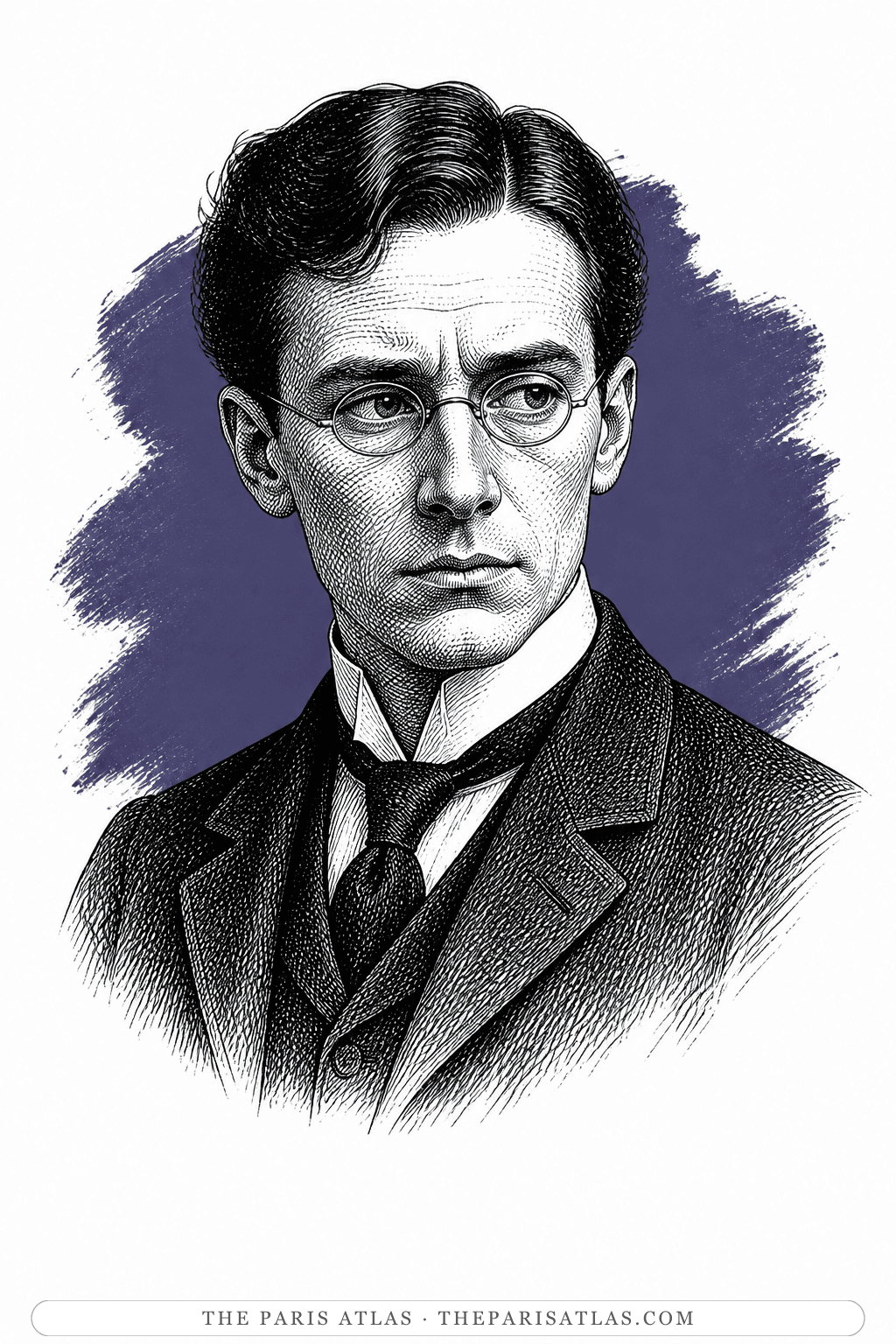
The chemist and Dorian's former close friend, blackmailed into destroying Basil Hallward's body in the locked upstairs room. Alan takes his own life afterwards. Dorian never learns why.
August 1889
Wilde and Arthur Conan Doyle both accept commissions from the American editor Joseph Marshall Stoddart of Lippincott's Monthly Magazine at a Langham Hotel dinner in London — Doyle's commission produces The Sign of the Four; Wilde's produces Dorian Gray.
July 1890
The novella version of The Picture of Dorian Gray runs in Lippincott's Monthly Magazine (thirteen chapters). Hostile reviews follow in the London press; W. H. Smith withdraws the magazine from railway bookstalls.
April 1891
Ward, Lock and Company publish the expanded twenty-chapter book edition with the new Preface. Wilde has added the James Vane subplot, the opium-den chapter, and softened some 1890 passages.
1892
Wilde begins writing his four society comedies (Lady Windermere's Fan opens in February 1892), turning the same brilliance with dialogue toward the stage.
April–May 1895
The three Wilde trials. Both defence and Crown quote from Dorian Gray. Wilde is convicted of gross indecency on 25 May and sentenced to two years' hard labour.
1908
Robert Ross issues the standard collected edition of Wilde's works through Methuen, using the 1891 text of Dorian Gray.
2011
Nicholas Frankel edits the uncensored 1890 Lippincott's Monthly Magazine text for Harvard's Belknap Press — the first modern edition to print what Wilde first wrote before the magazine's editors and Wilde himself softened it.
Four essays and dialogues in which Oscar Wilde argues that criticism is creative, art need not copy life, and a work should not be reduced to a moral lesson.
Read our take
Oscar Wilde's best-known comedy: two men invent useful false identities, two women insist on marrying someone named Ernest, and a handbag resolves the plot.
Read our takeIt is Oscar Wilde's only novel — the story of a beautiful young Londoner whose portrait ages and records his cruelty while his own face stays unchanged for eighteen years. Egged on by Lord Henry Wotton's philosophy of pure sensation, Dorian treats other people as material for experience while hiding the evidence in a locked upstairs room. The novel asks what happens when a person can enjoy the appearance of goodness without any of its consequences.
The 1890 Lippincott's Monthly Magazine text is thirteen chapters and more direct about Basil Hallward's feelings for Dorian. The 1891 Ward, Lock and Company book text is twenty chapters — Wilde expanded it to add the James Vane subplot, the opium-den chapter, and the famous Preface of twenty-two aphorisms about art and morality. He also softened some of the 1890 text's most explicit passages. A reader should decide which one they want; most modern editions print the 1891 book.
The 1890 magazine reviews attacked the book as immoral and homosexual. The Daily Chronicle called it 'a poisonous book,' the St James's Gazette accused Wilde of writing for 'outlawed noblemen and perverted telegraph-boys,' and W. H. Smith withdrew Lippincott's from railway bookstalls. Wilde defended the book in letters to the papers, and the 1891 preface — 'There is no such thing as a moral or an immoral book. Books are well written, or badly written. That is all.' — was his direct answer to the reviewers.
The novel was quoted extensively by both sides. In Wilde's libel case against the Marquess of Queensberry, Queensberry's counsel Edward Carson cross-examined Wilde on passages describing Basil Hallward's feelings for Dorian and used them to support Queensberry's plea of justification. In the second and third trials, in which Wilde was tried and convicted of gross indecency, the novel was referenced again. Wilde's own defence quoted the Preface's aesthetic aphorisms; the Crown quoted the narrative passages the Preface was defending.
Wilde said so himself. In an 1894 letter to Ralph Payne he wrote: 'Basil Hallward is what I think I am: Lord Henry what the world thinks me: Dorian what I would like to be — in other ages, perhaps.' The three men are read now as three sides of Wilde's own self-image, which is one reason the book is central to the biography as well as to Wilde's fiction.
Dorian tries to destroy the portrait with the same jewelled knife he used to murder Basil Hallward. His servants find the body of an old, withered, unrecognisable man dead on the floor with the knife in his heart, and the portrait on the wall restored to the beauty of Dorian's twenty-year-old face. The final paragraphs are among the most famous in English fiction.
Explore authors with a similar voice, perspective, and influence.
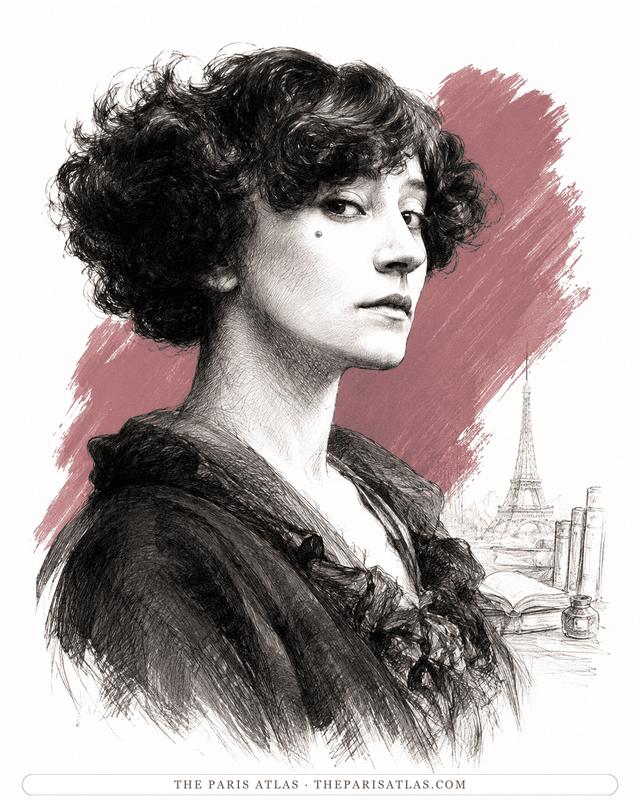
Both writers use style, performance, and social comedy to examine the roles assigned to women, artists, and people whose private lives do not fit public rules.
View author
The doctor of the Paris slums who wrote the century's blackest, funniest novel — and changed the sound of French prose.
View author
The Brooklyn dropout who arrived in Paris broke at thirty-eight and wrote the exuberant, banned books that ended American censorship.
View authorThe sources below include the primary text, editions, scholarship, archival materials, and other records that informed this page. They document The Picture of Dorian Gray, its publication, and its place in literary history.

The primary text represented by this page, used for descriptions of the work’s contents and for any quoted passages shown here.
Selected passages in chapters II and X of the twenty-chapter text; no version comparison.

A work-specific source used for The Picture of Dorian Gray's publication history, textual context, or critical reception.
Used for independent biographical, archival, or historical context surrounding Oscar Wilde's career and the period in which The Picture of Dorian Gray appeared.
Used to cross-check authorship, chronology, and the work's place in Oscar Wilde's wider catalogue.
Used to verify Oscar Wilde's bibliography and place The Picture of Dorian Gray within the broader chronology of Oscar Wilde's career.
The primary text is the baseline reference for every book page. Additional references document publication history, interpretation, and historical context where that evidence is available.
 Explore more resources