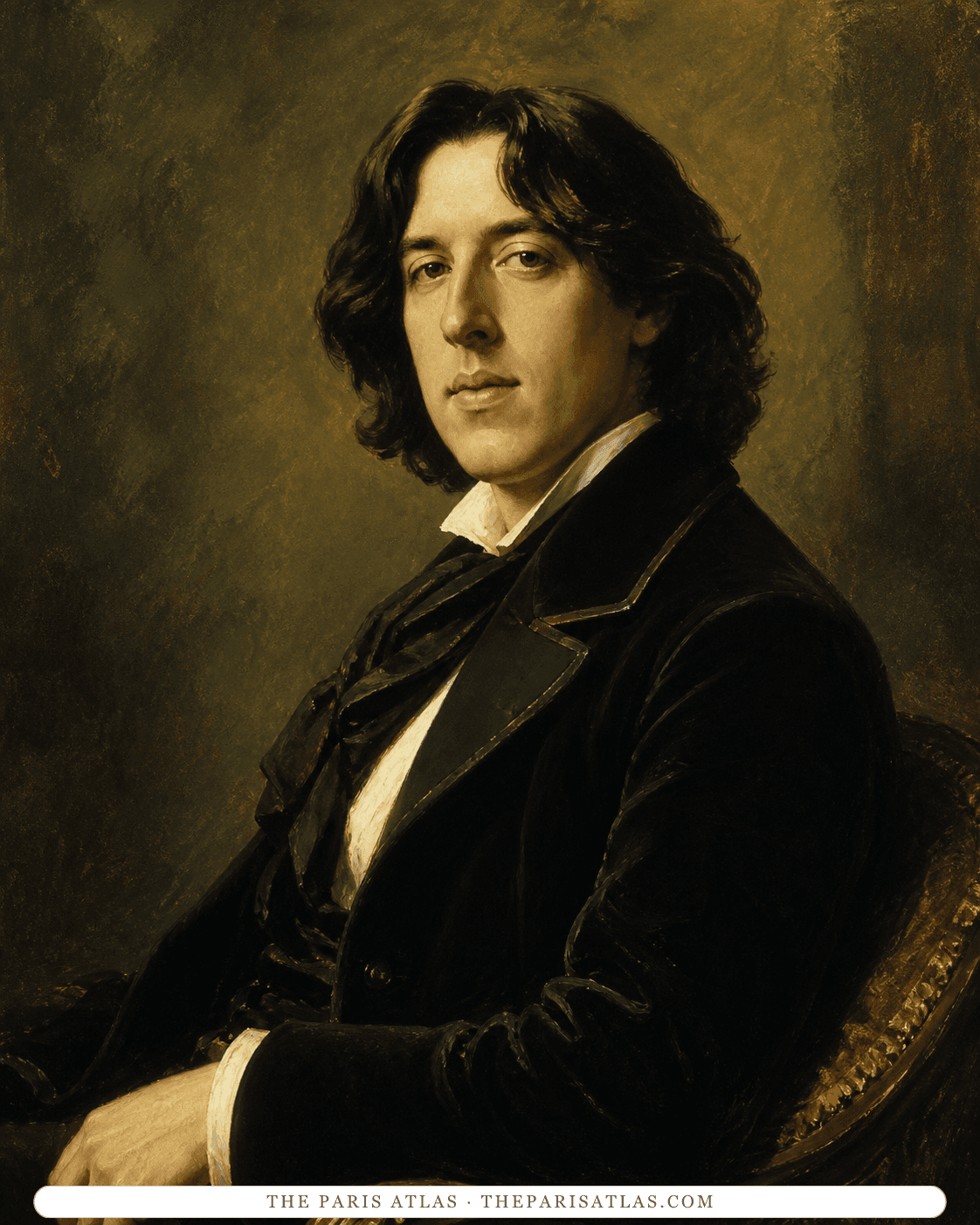

The Picture of Dorian Gray
Oscar Wilde's only novel: a beautiful young man stays unchanged while his hidden portrait records age, cruelty, and guilt.
Read our take
by Oscar Wilde
Oscar Wilde's one-act tragedy, written in French, in which Salome demands the head of the prophet Jokanaan after he rejects her.
Salome is a one-act play based on the biblical story of Salome, the stepdaughter of Herod Antipas. Salome desires the imprisoned prophet Jokanaan, who rejects her. After dancing for Herod, she claims the promised reward: Jokanaan's head. Wilde wrote the play in French in the summer and autumn of 1891, published it in Paris in 1893, and could not get it staged in London — the Lord Chamberlain's Examiner of Plays banned it under a Reformation-era statute forbidding the depiction of biblical characters on the English stage. The first production took place in Paris in 1896, while Wilde was in Reading Gaol.
Wilde drafted the play in French in Paris in the summer of 1891, during and around his first extended stays with Lord Alfred Douglas. He asked a small group of French writers — Adolphe Retté, Pierre Louÿs, and Marcel Schwob — to correct the French; Schwob's corrections were the ones Wilde accepted for the published text. The French edition appeared from the small Parisian publisher Librairie de l'Art indépendant in February 1893.
The 1894 English edition was translated by Lord Alfred Douglas. Wilde was dissatisfied with the translation and revised it heavily, but Douglas remained the credited translator. The edition is famous for Aubrey Beardsley's ten black-and-white drawings, which Wilde had not commissioned and did not entirely approve of. Beardsley and Wilde had a difficult professional relationship, and the drawings — which include a caricature of Wilde himself as the moon — belong to Beardsley's own reading of the play as much as to Wilde's.
The London stage rehearsals with Sarah Bernhardt in the title role were stopped by the Lord Chamberlain in June 1892. Wilde publicly threatened to renounce his British citizenship. The play was not staged in England until 1905, when Richard Strauss's opera made a private production possible; the public British premiere waited until 1931.
The play unfolds on the terrace of Herod's palace at Machaerus, in a single night. The young Syrian captain Narraboth watches Salome, watched in turn by the Page of Herodias. Below them, the imprisoned prophet Jokanaan speaks from his cistern.
Salome descends to the terrace to escape Herod's gaze and hears Jokanaan. She becomes obsessed with him — with his skin, his hair, his mouth. Jokanaan condemns Herodias and rejects Salome absolutely. Narraboth, unable to bear watching, kills himself.
Herod arrives and, in the play's central scene, promises Salome anything she wants if she will dance for him. She dances the Dance of the Seven Veils and claims Jokanaan's head. Herod, horrified, tries to substitute jewels, birds, half the kingdom. Salome refuses each substitute. When she is given the head, she kisses the dead prophet's mouth. Herod orders her killed on the spot.
In the English text, Jokanaan's emergence does not produce a shared conversation. He speaks accusation and prophecy; Salome answers with images of his eyes and body. Her comparisons turn the frightening speaker into something like sculpture, silver or moonlight, making distance coexist with attraction. The backward step therefore matters: looking is not immediate possession. When she asks him to speak again, she wants the voice that condemns her family to become a source of personal pleasure. His refusal resists that transformation.
Herod describes the emerald as an instrument for seeing distant things and boasts that it surpasses Caesar's. His bargaining offers both splendor and an image of superior power. Salome's short, repeated demand makes that elaborate description ineffective: she will not exchange the promised reward for something he finds easier to surrender. The contrast in their speeches matters as much as the jewel. His multiplying words seek a negotiable desire, while her repetition holds him to the oath he already made.
It is Wilde's strongest tragedy and his most important work written in French.
Read it beside The Picture of Dorian Gray for the darker side of beauty and possession.
It was banned from the English stage, forced into French to escape the ban, first staged in Paris after Wilde's release, and — with Aubrey Beardsley's 1894 illustrations — became the visual monument of 1890s decadence.
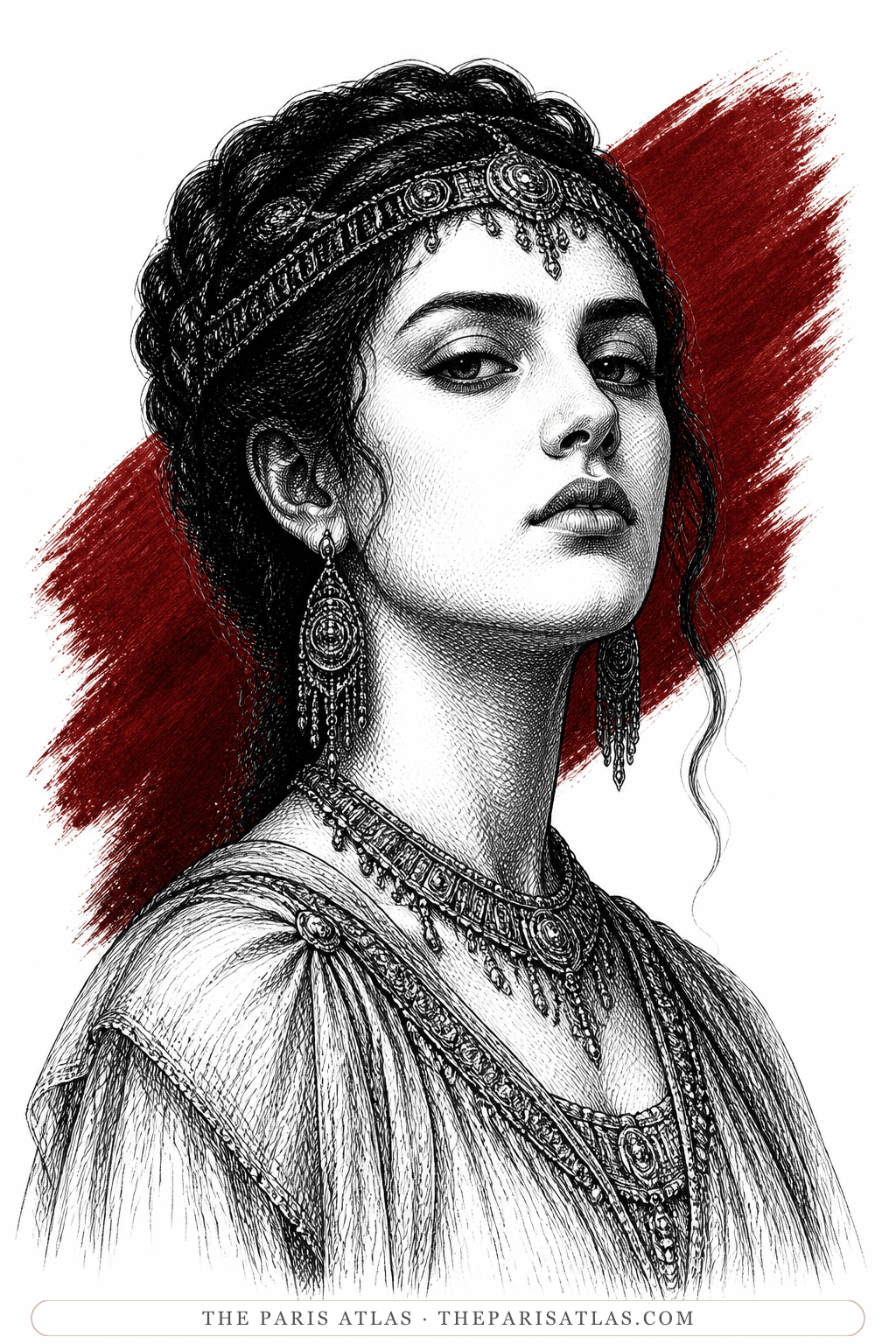
The stepdaughter of Herod Antipas, tetrarch of Galilee. In the New Testament she is named only as 'the daughter of Herodias'; the name Salome comes from the first-century Jewish historian Josephus. Wilde's Salome desires the imprisoned prophet Jokanaan, is rejected by him, and demands his head as her reward for dancing.
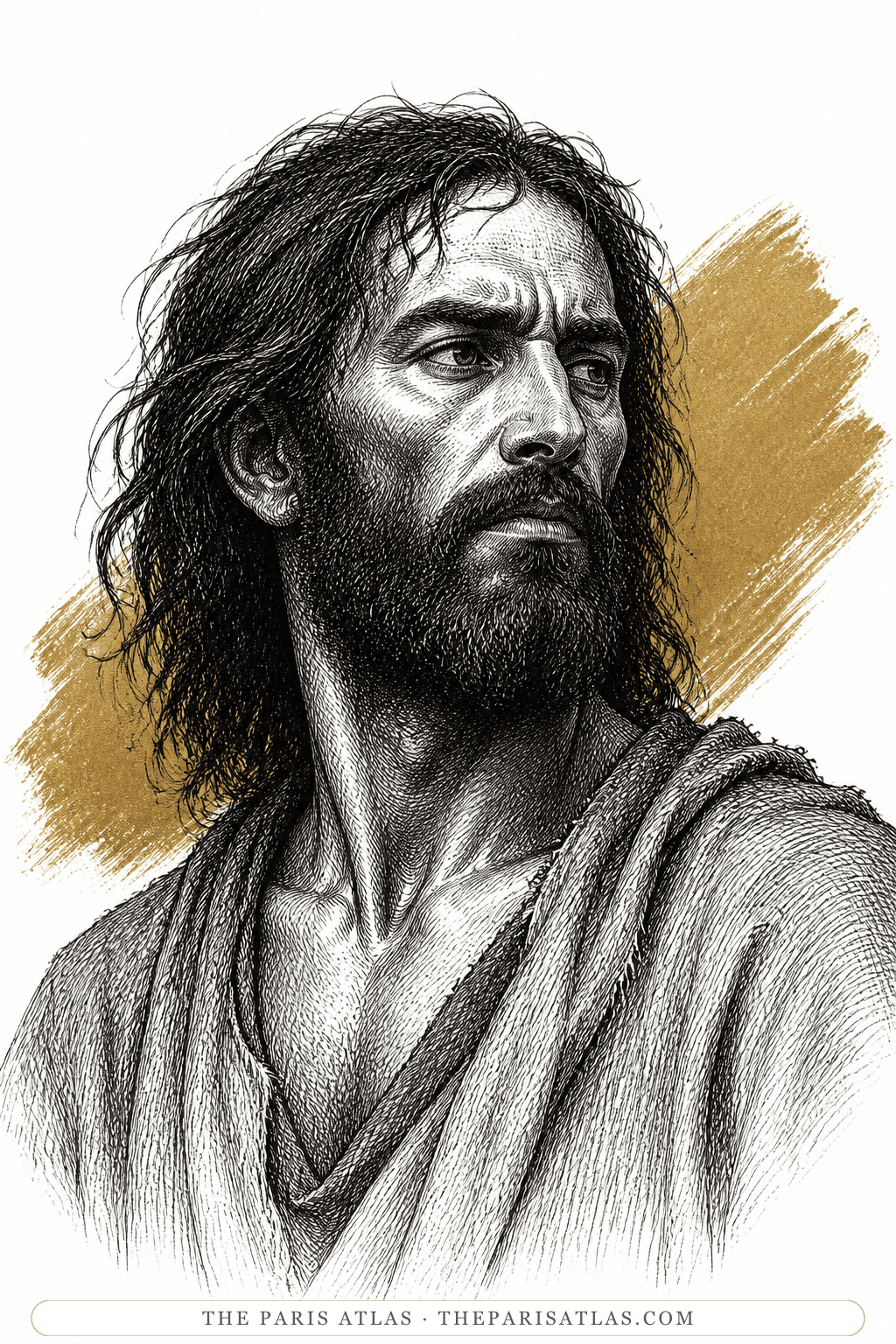
The imprisoned prophet in Herod's cistern — John the Baptist, called Iokanaan in the Greek and Jokanaan in Wilde's spelling. He condemns Herodias for her marriage to Herod Antipas, refuses Salome, and is beheaded on Salome's demand. Wilde's Jokanaan speaks almost entirely from the cistern until his head is brought up on the silver platter.
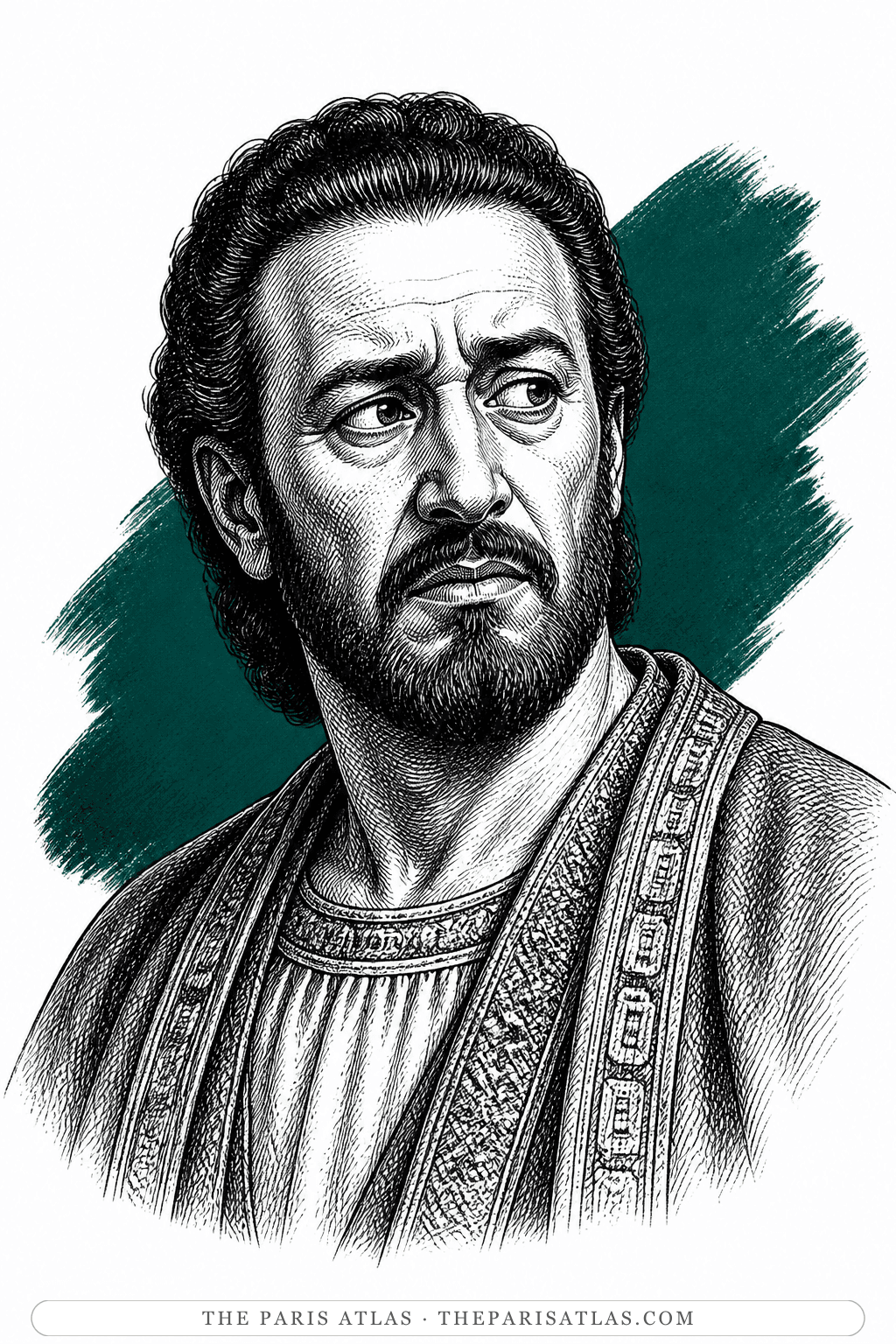
The tetrarch of Galilee (r. 4 BCE – 39 CE), Salome's stepfather. Wilde's Herod is superstitious, watching Salome with a desire he cannot admit and afraid of what Jokanaan is saying about him. His fatal promise to Salome — anything she asks for, if she dances — is the play's hinge.
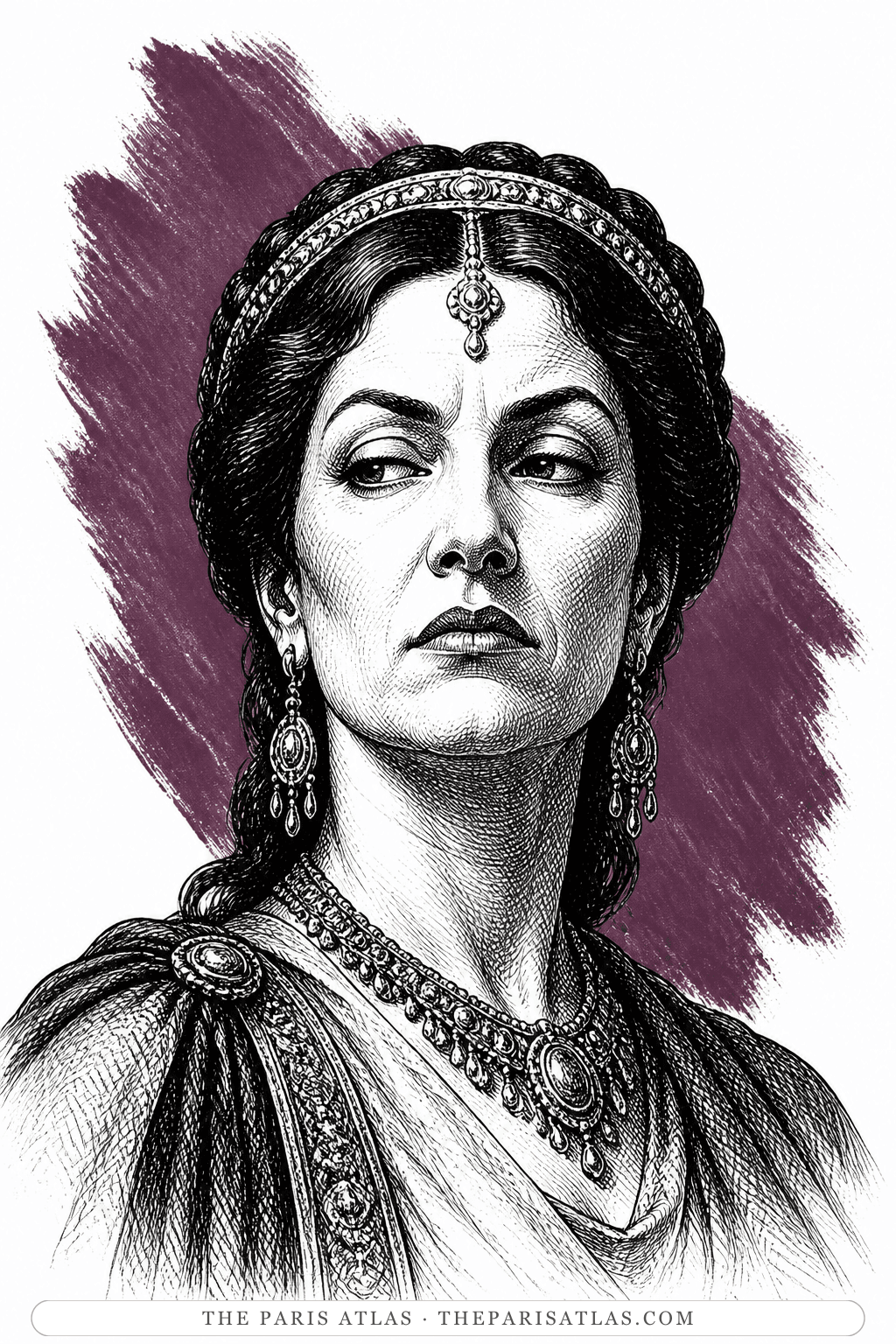
Salome's mother, Herod's wife (and previously the wife of his half-brother Philip). Wilde gives her the play's most bitter voice: she wants Jokanaan silenced, watches her second husband watching her daughter, and pushes Salome toward the fatal demand.
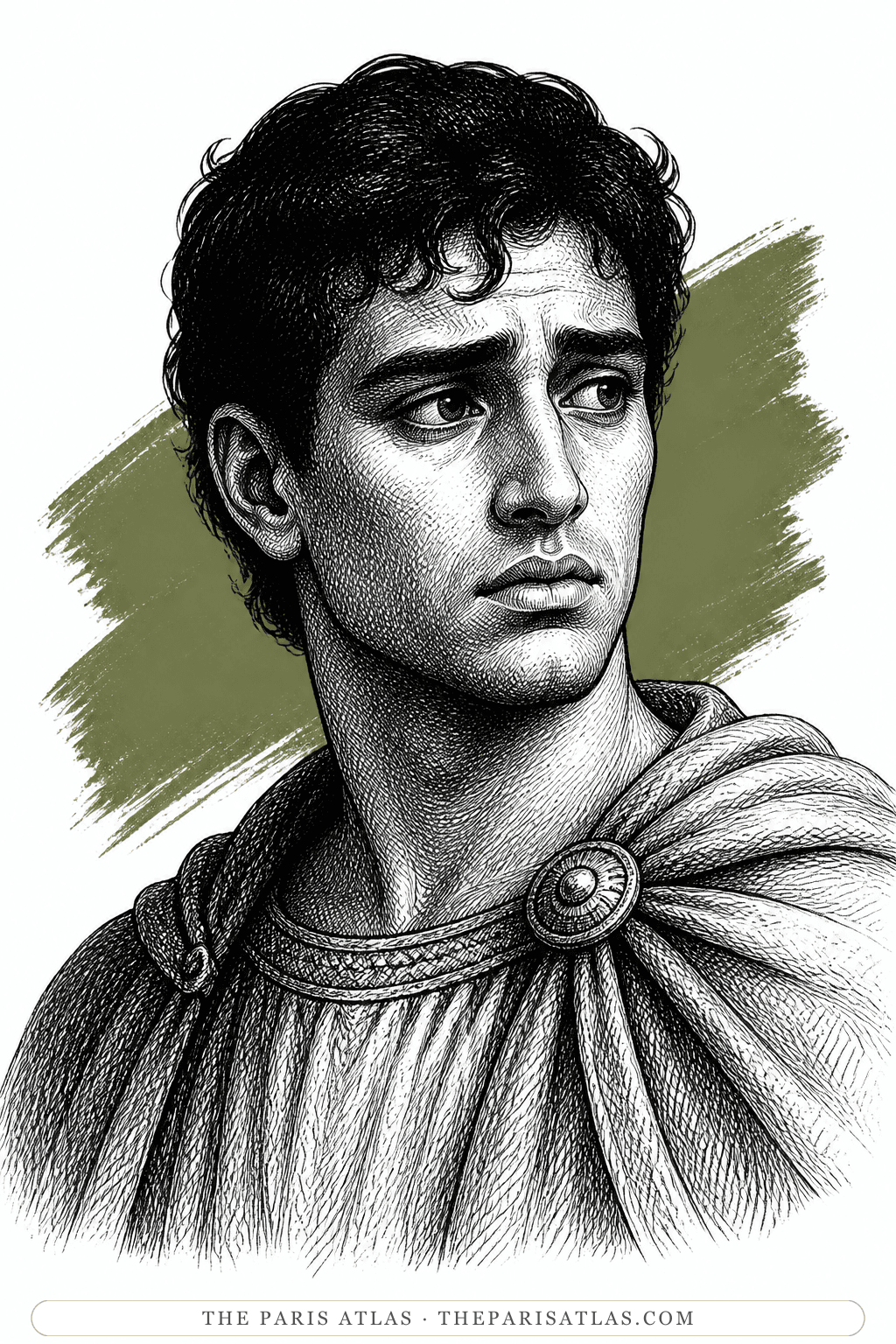
The young Syrian captain of the guard, in love with Salome. He is the first of the play's on-stage deaths — he stabs himself when Salome ignores him and gives her attention to Jokanaan.
Summer–autumn 1891
Wilde drafts Salome in French in Paris and London, with French corrections by Marcel Schwob.
June 1892
The Lord Chamberlain's Examiner of Plays bans Salome from the London stage. Rehearsals with Sarah Bernhardt in the title role are stopped.
February 1893
The French text is published in Paris by Librairie de l'Art indépendant.
1894
The English edition appears from John Lane in London and Elkin Mathews in New York, translated by Lord Alfred Douglas and illustrated by Aubrey Beardsley.
11 February 1896
The Théâtre de l'Œuvre in Paris stages the first production, directed by Aurélien Lugné-Poë. Wilde is in Reading Gaol.
9 December 1905
Richard Strauss's opera Salome (with a German libretto based directly on Wilde's play) premieres in Dresden.
1907
The first private London stage production is given by the New Stage Club.
1931
The Lord Chamberlain's ban lifts; the first public British production is staged in London.
Oscar Wilde's only novel: a beautiful young man stays unchanged while his hidden portrait records age, cruelty, and guilt.
Read our take
A long, highly decorated poem in which a speaker questions a sphinx about imagined lovers, gods, monsters, and ancient history.
Read our takeIt is a one-act tragedy set at Herod's palace at Machaerus in one night. The Judean princess Salome desires the imprisoned prophet Jokanaan (John the Baptist), is rejected by him, dances the Dance of the Seven Veils for her stepfather Herod, and claims Jokanaan's severed head as her reward.
Wilde drafted the play in Paris in the summer of 1891 in French, partly as a literary experiment and partly because he was working closely with French Symbolist writers at the time. He asked a small group — Adolphe Retté, Pierre Louÿs, and Marcel Schwob — to correct his French; Schwob's corrections were the ones he accepted. The 1894 English edition was translated by Lord Alfred Douglas.
The Lord Chamberlain's Examiner of Plays refused to license Salome for the London stage in June 1892 under a Reformation-era statute forbidding the depiction of biblical characters. Rehearsals with Sarah Bernhardt in the title role were stopped. Wilde publicly threatened to renounce his British citizenship. The play was not staged in public in Britain until 1931.
The first production opened at the Théâtre de l'Œuvre in Paris on 11 February 1896 while Wilde was in Reading Gaol. Aurélien Lugné-Poë directed and played Herod; Lina Munte played Salome. Wilde learned about the production from his prison correspondence and asked for reviews to be sent to him.
The English publisher John Lane commissioned Aubrey Beardsley to illustrate the 1894 English edition. Beardsley produced ten black-and-white drawings that include one caricature of Wilde as the moon. The drawings are Beardsley's own reading of the play as much as illustrations of it — Wilde had not commissioned them, and did not entirely approve of them. The drawings are now more famous than most productions of the play.
The Gospels of Mark (6:14–29) and Matthew (14:1–12) describe John the Baptist's execution but do not name the dancing daughter; the name Salome comes from the first-century Jewish historian Josephus's Antiquities. Wilde kept the outline — the dance, the promise, the head on the platter — and invented the psychological content: Salome's desire for Jokanaan, her rejection by him, her kiss to the severed head.
Explore authors with a similar voice, perspective, and influence.
Both writers use style, performance, and social comedy to examine the roles assigned to women, artists, and people whose private lives do not fit public rules.
View author
The doctor of the Paris slums who wrote the century's blackest, funniest novel — and changed the sound of French prose.
View author
The Brooklyn dropout who arrived in Paris broke at thirty-eight and wrote the exuberant, banned books that ended American censorship.
View authorThe sources below include the primary text, editions, scholarship, archival materials, and other records that informed this page. They document Salome, its publication, and its place in literary history.


The primary text represented by this page, used for descriptions of the work’s contents and for any quoted passages shown here.
Selected scenes in the 1907 English text; not a comparison with the French original or Beardsley's drawings.

A work-specific source used for Salome's publication history, textual context, or critical reception.
Used for independent biographical, archival, or historical context surrounding Oscar Wilde's career and the period in which Salome appeared.
Used to cross-check authorship, chronology, and the work's place in Oscar Wilde's wider catalogue.
Used to verify Oscar Wilde's bibliography and place Salome within the broader chronology of Oscar Wilde's career.
The primary text is the baseline reference for every book page. Additional references document publication history, interpretation, and historical context where that evidence is available.
 Explore more resources