
Five literary fairy tales about generosity, vanity, friendship, poverty, and the cost of seeing other people's suffering.
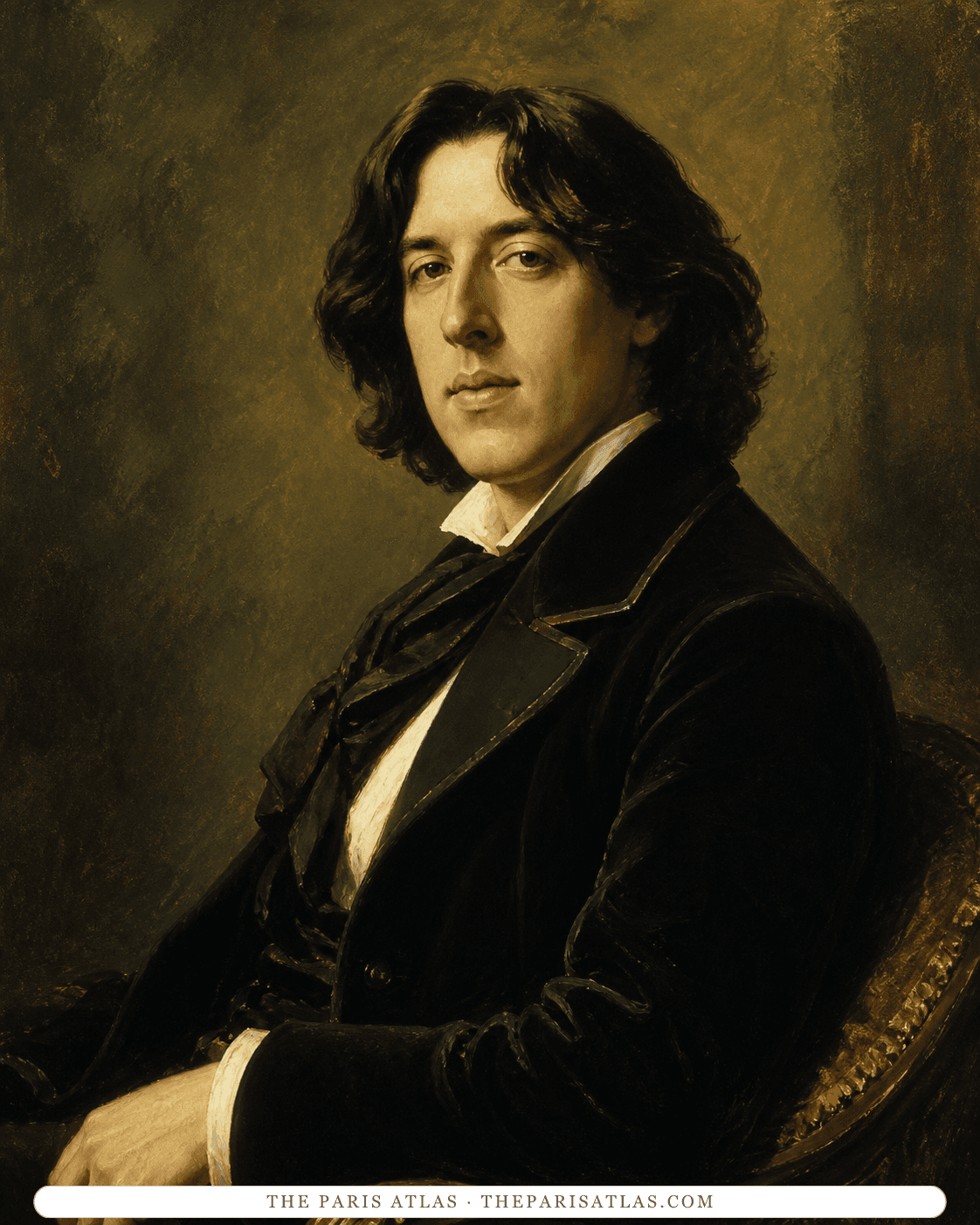
18 Oscar Wilde titles: 4 story collections, 7 plays and screenplays, 1 memoir or travel book, 3 volumes of nonfiction, and 3 books of poems. They are listed below by form, earliest first, and every one links to its own page.
Start with The Importance of Being Earnest if you want comedy, The Picture of Dorian Gray if you want a novel, or The Happy Prince and Other Tales if you want short fiction. Then read the other society plays, followed by Intentions for Wilde's ideas about art. Save De Profundis and The Ballad of Reading Gaol until you know the public writer whose life prison interrupted.

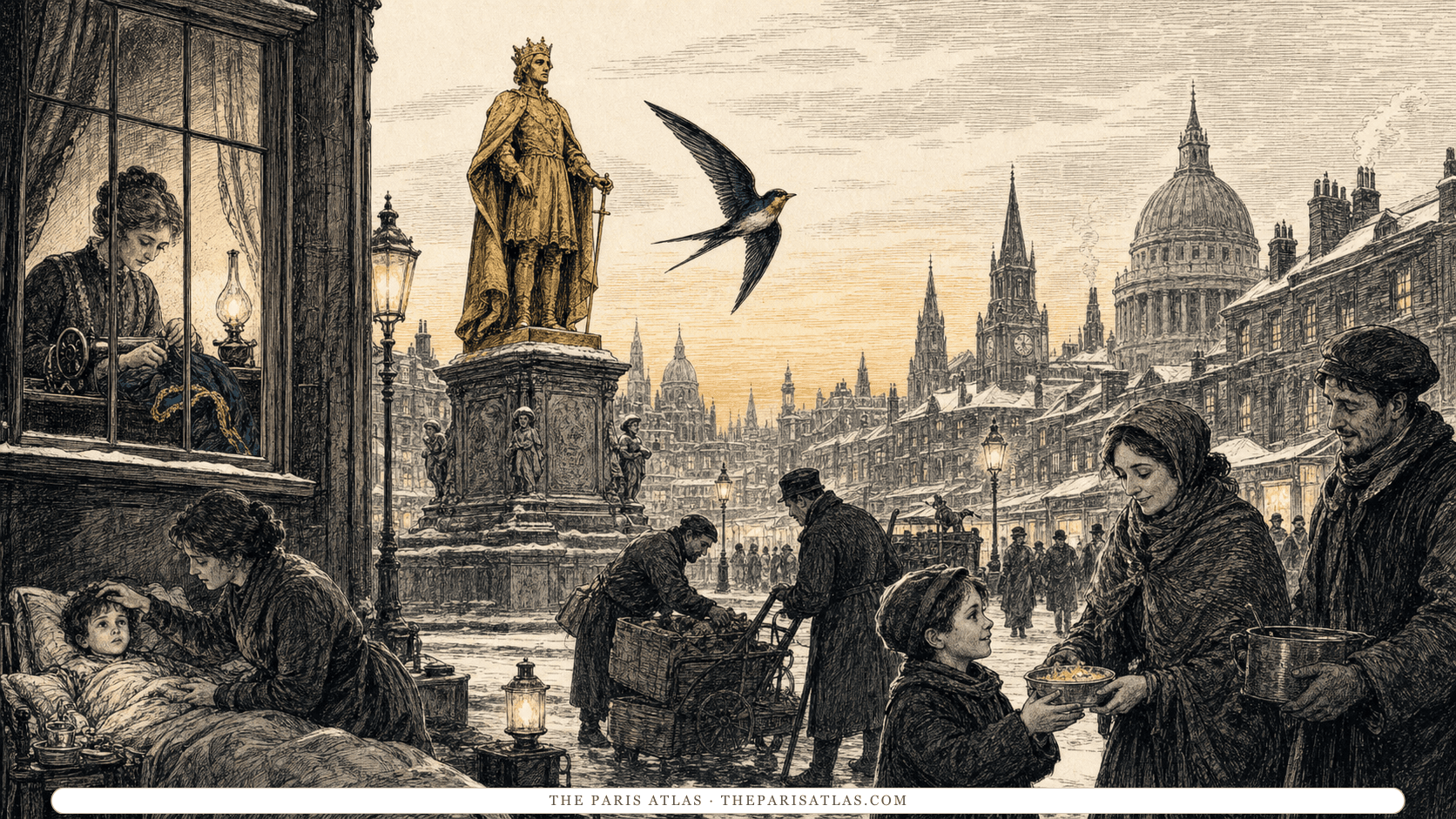
Five literary fairy tales about generosity, vanity, friendship, poverty, and the cost of seeing other people's suffering.

Four darker literary fairy tales about sacrifice, beauty, art, poverty, and the harm done when one life is valued above another.

Comic and supernatural stories about murder as duty, a ghost who cannot frighten Americans, a secretless socialite, and a disputed Shakespeare portrait.

Six very short parables that use biblical language to unsettle simple lessons about miracles, suffering, knowledge, and desire.


Oscar Wilde's first play, a Russian political melodrama about a revolutionary torn between a planned assassination and love for the future ruler.

An early five-act blank-verse tragedy in which a young man seeking revenge in Renaissance Italy falls in love with the wife of the ruler he plans to kill.

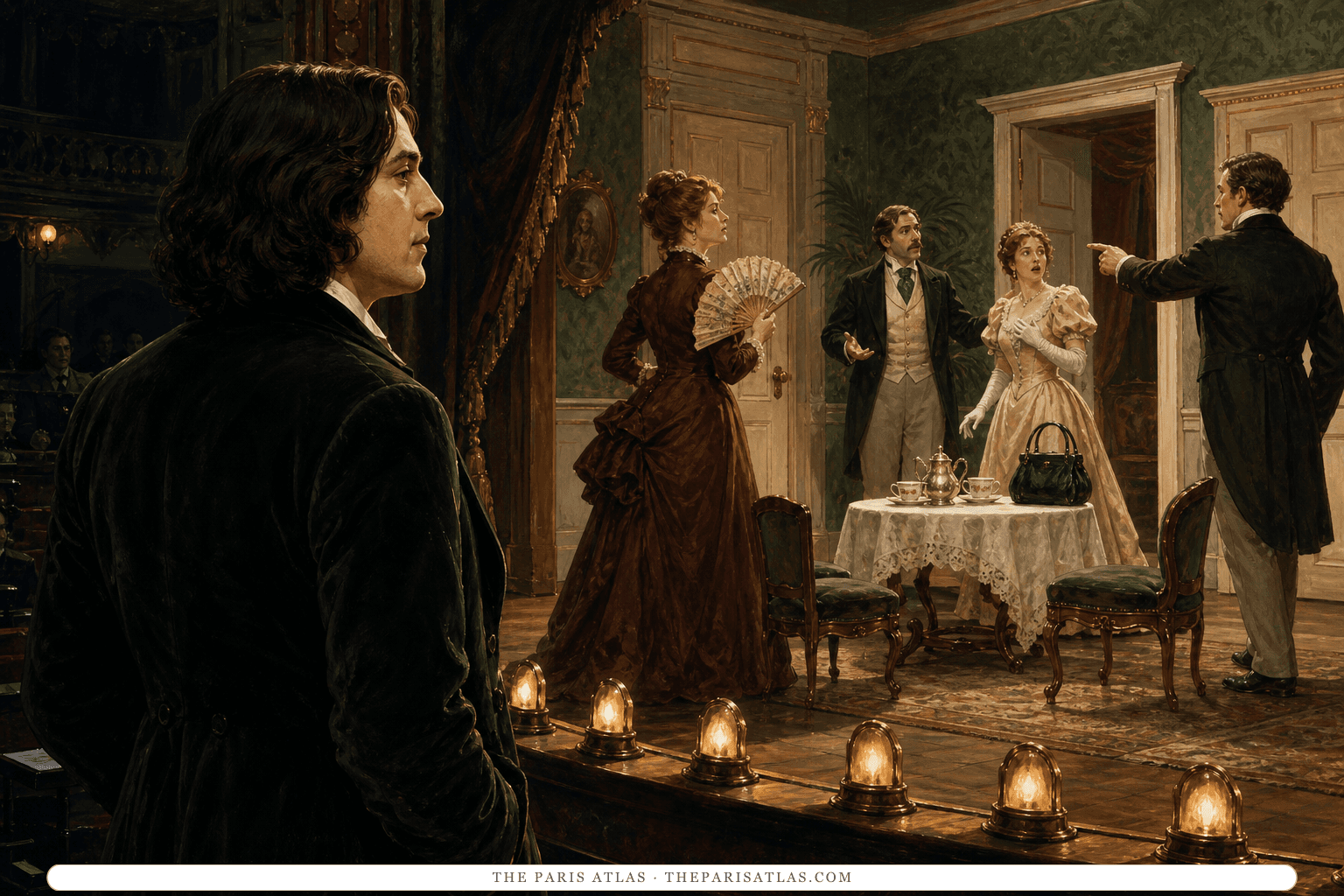
A society comedy in which a young wife suspects her husband, an excluded woman returns, and a fan becomes evidence that tells the wrong story.

Oscar Wilde's one-act tragedy, written in French, in which Salome demands the head of the prophet Jokanaan after he rejects her.

A country-house comedy that turns, in its second act, into an unsparing indictment of the double standard that punished the woman and promoted the man.

A political comedy about blackmail, a fortune built on a secret, and the damage caused by demanding moral perfection from another person.

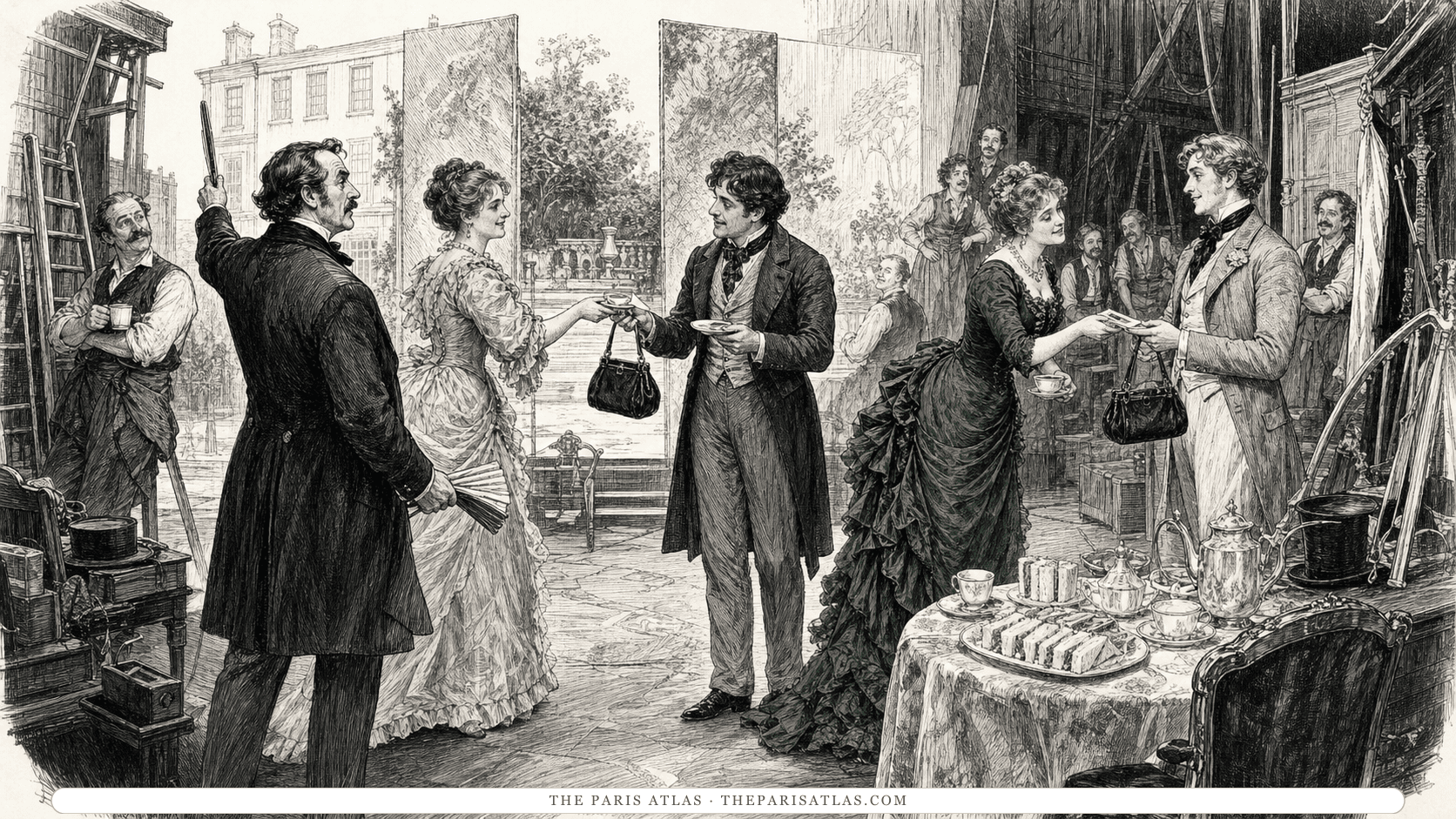
Oscar Wilde's best-known comedy: two men invent useful false identities, two women insist on marrying someone named Ernest, and a handbag resolves the plot.

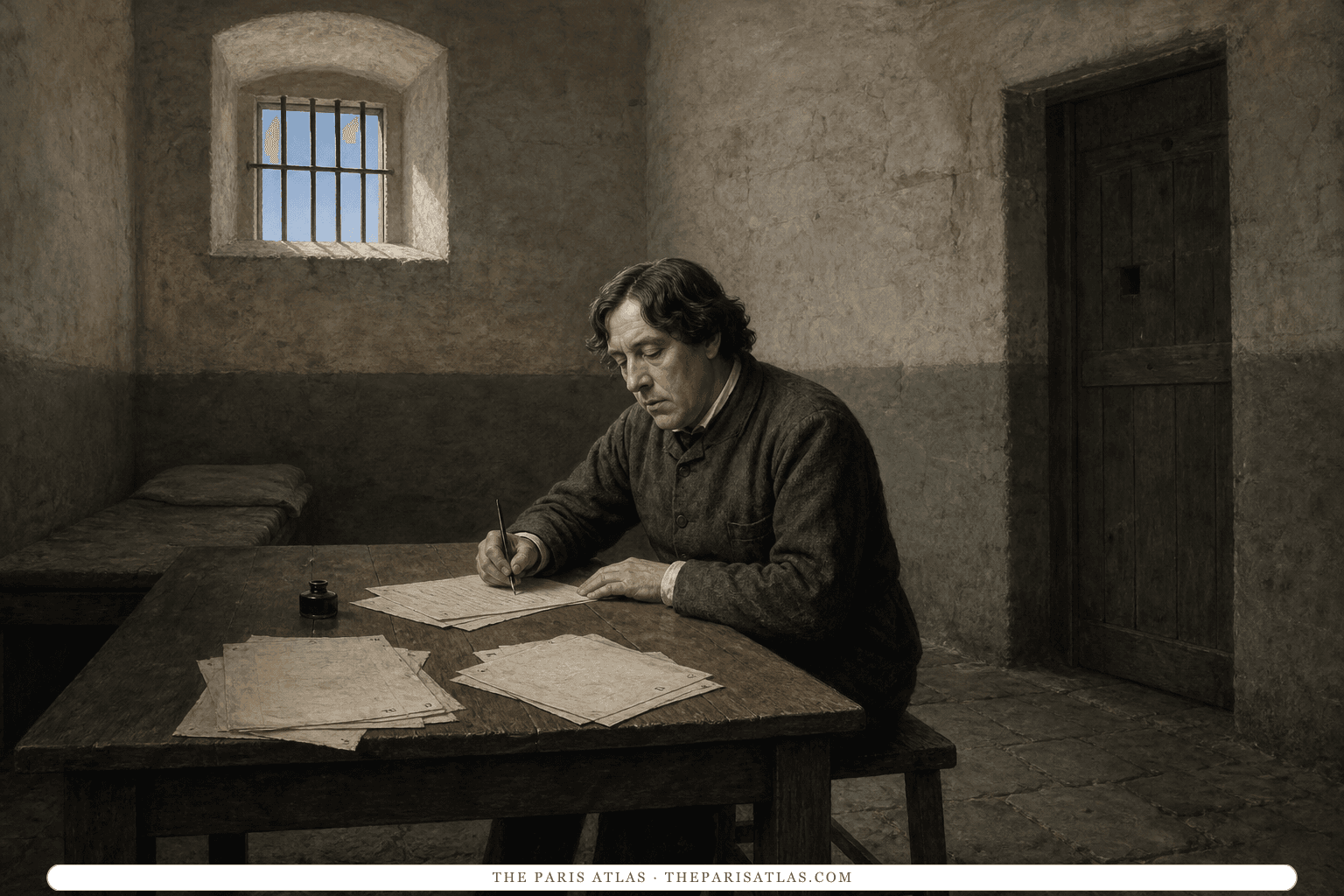
Oscar Wilde's long prison letter to Lord Alfred Douglas, combining accusation, self-criticism, memory, suffering, art, and a new interpretation of Christ.
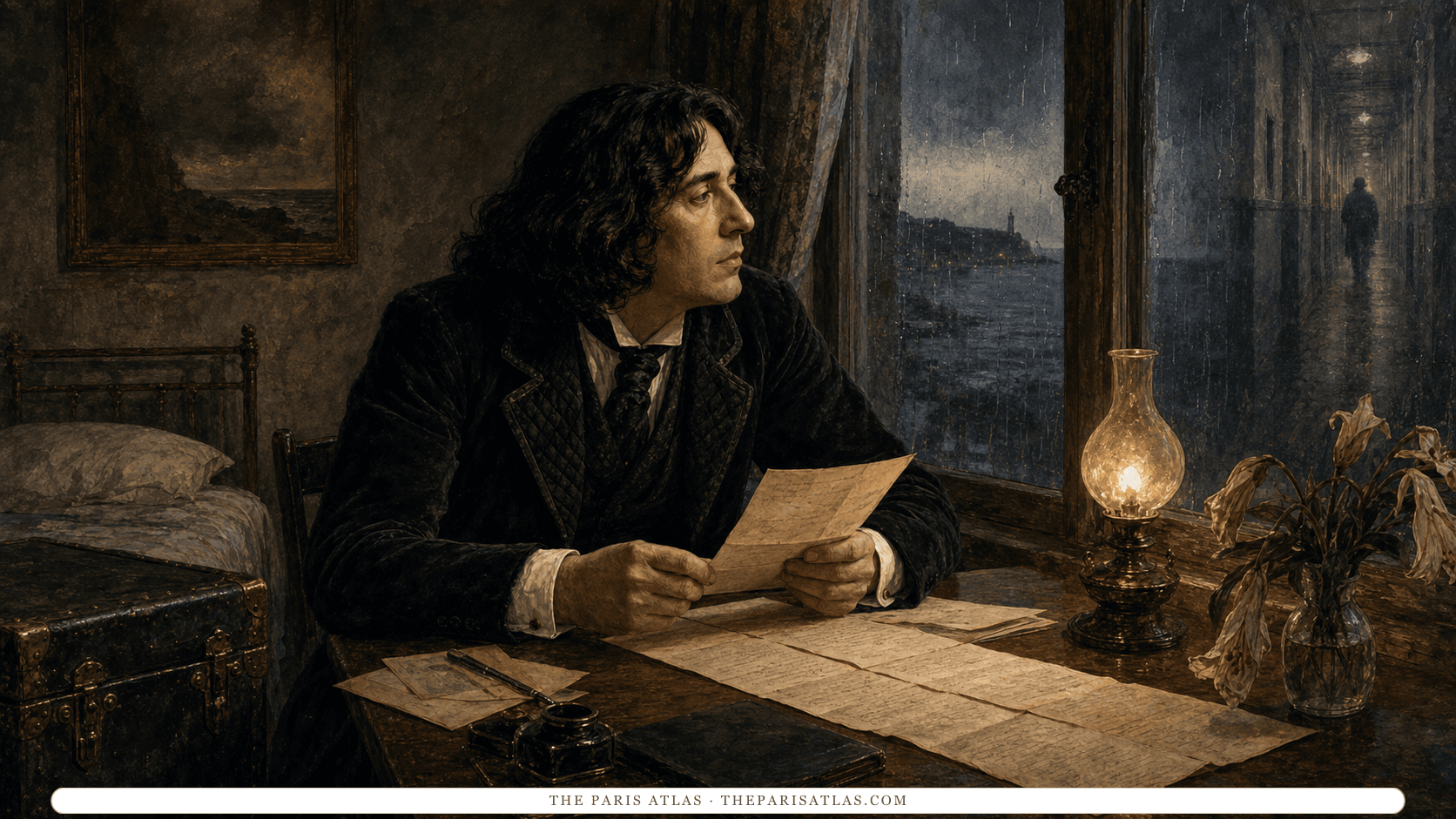

Four essays and dialogues in which Oscar Wilde argues that criticism is creative, art need not copy life, and a work should not be reduced to a moral lesson.

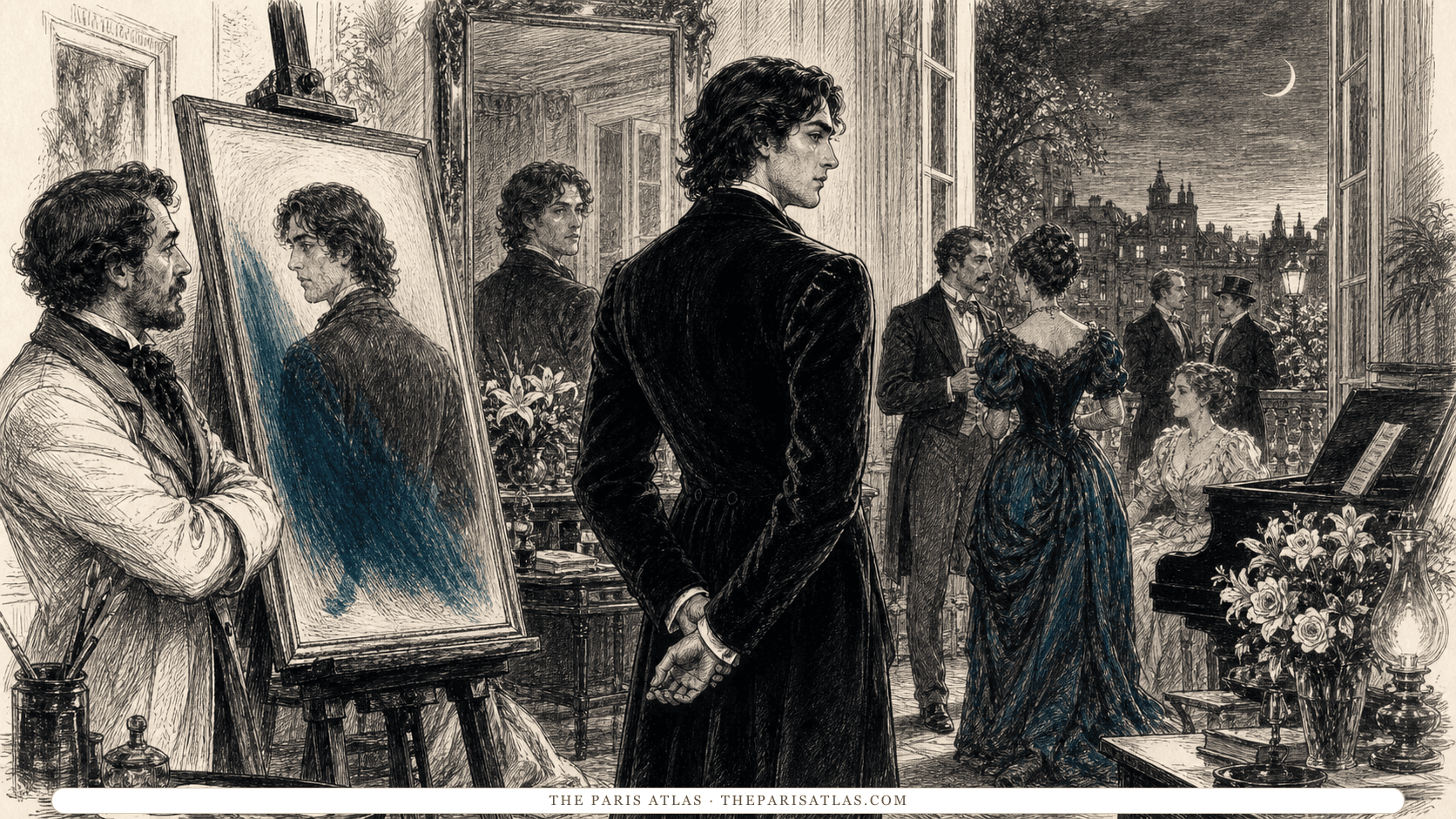
Oscar Wilde's only novel: a beautiful young man stays unchanged while his hidden portrait records age, cruelty, and guilt.

An essay arguing that poverty should be ended by changing property relations, not managed through charity, so each person can develop freely.


Oscar Wilde's first commercial book, a decorated collection shaped by classical myth, Catholic imagery, travel, love, and the Aesthetic movement.

A long, highly decorated poem in which a speaker questions a sphinx about imagined lovers, gods, monsters, and ancient history.

A long poem about a prisoner's execution and the institution that makes every person inside share the waiting, fear, shame, and isolation.
Your progress
The best general start: a short comedy about false names, courtship, family status, and a handbag that solves an identity problem.
Oscar Wilde's only novel, about a young man who remains beautiful while a hidden portrait records age and wrongdoing.
Five accessible fairy tales whose statues, birds, giants, and fireworks reveal poverty, generosity, vanity, and exploitation.
A suspected affair and a missing fan overturn the labels of good woman and bad woman.
An abandoned mother confronts the powerful father her adult son does not know.
Blackmail exposes the crime beneath a political career and the danger of expecting a flawless spouse.
The comic method at its cleanest: names and social forms matter until everyone discovers how arbitrary they are.
Adult comic and supernatural tales, including The Canterville Ghost.
Four darker fairy tales about luxury, labor, humiliation, and divided desire.
The political essay against charity, poverty, authoritarianism, and public control over individual life.
The ambitious 1881 debut, valuable for the classical and religious education behind the later work.
A dense Decadent poem built from ancient names, erotic fantasy, and elaborate book design.
The one-act tragedy written in French and first produced in Paris after British censorship blocked it.
The strongest poem: an execution becomes an account of what prison does to everyone inside.
An early political melodrama about revolution, assassination, and love; useful mainly for seeing where the playwright began.
An early Renaissance revenge tragedy, written before Wilde found the social-comedy form that suited him.
The long prison letter to Lord Alfred Douglas. Choose a complete text and read it as personal argument, self-criticism, and art—not a neutral record.

The Importance of Being Earnest is the best general starting point because it is short, funny, and shows how Oscar Wilde uses dialogue to expose arbitrary social rules. Choose The Picture of Dorian Gray if you prefer a novel.
Oscar Wilde wrote one novel, The Picture of Dorian Gray. It appeared first as a shorter magazine story in 1890 and then as a revised, expanded book in 1891.
Begin with The Importance of Being Earnest, then read Lady Windermere's Fan, An Ideal Husband, and A Woman of No Importance. Read Salome afterward as a separate tragedy, and save the early Vera and The Duchess of Padua for last.
Oscar Wilde wrote two fairy-tale collections read by children and adults: The Happy Prince and Other Tales and A House of Pomegranates. The stories use fantasy to address poverty, selfishness, love, labor, and cruelty.
After leaving prison in 1897, Oscar Wilde wrote The Ballad of Reading Gaol. He wrote the long letter later called De Profundis inside Reading Gaol; an edited version was published after his death in 1905.
The Picture of Dorian Gray exists in a shorter 1890 magazine text and a revised 1891 book. De Profundis first appeared in a heavily edited 1905 version; the complete prison letter was first published in 1962. A good edition states which text it uses.
The sources below include bibliographies, archives, publisher records, and scholarship used to verify the Oscar Wilde catalogue and publication order.

Official record used to verify names, dates, institutional details, or other factual information on this page.
Archival evidence used to document the historical record connected to Oscar Wilde books.
Archival evidence used to document the historical record connected to Oscar Wilde books.

Web source consulted for documented facts and historical context presented on the Oscar Wilde books page.
These references document which titles belong in the bibliography and when they appeared. The recommended reading order remains an editorial judgment by The Paris Atlas.
 Explore more resources
Newsletter
We will tell you when this guide adds a book, review, or new reading-order recommendation.