
An Ideal Husband
A political comedy about blackmail, a fortune built on a secret, and the damage caused by demanding moral perfection from another person.
Read our take
by Oscar Wilde
Oscar Wilde's best-known comedy: two men invent useful false identities, two women insist on marrying someone named Ernest, and a handbag resolves the plot.
The Importance of Being Earnest follows Jack Worthing and Algernon Moncrieff, two English gentlemen who use invented people to escape social duties. Jack calls himself Ernest in London; Algernon visits Jack's country house while pretending to be that invented brother. Their lies collide with Gwendolen Fairfax and Cecily Cardew, both of whom believe the name Ernest proves a man's character. The play opened at the St James's Theatre on 14 February 1895 and was still running when Wilde was arrested at the Cadogan Hotel two months later — the last work he would see performed as a free man.
Wilde wrote the play in the summer of 1894 during a stay at Worthing, on the Sussex coast, with his wife Constance and their two sons. The main character's surname is Wilde's private joke on the seaside town where the play was drafted. The original manuscript was in four acts; the actor-manager George Alexander, who staged and played Jack in the first production, persuaded Wilde to compress it into three by removing the entire 'Gribsby scene' — a fourth-act sequence in which a solicitor arrives to arrest Algernon for the Ernest character's unpaid Savoy Hotel bill. The cut scene survives in Wilde's manuscript.
The play opened at the St James's Theatre on 14 February 1895 in a triple bill programme with a curtain-raiser called In the Season. It was Wilde's fourth society comedy in three years and by common critical opinion the best of them; George Alexander's staging ran to full houses. On 18 April 1895, ten weeks into the run, Wilde's name was removed from the playbill after his arrest and criminal trial. The play closed on 8 May after eighty-six performances.
The 1899 book edition was published by Leonard Smithers and Company, one of the few English publishers still willing to associate with Wilde in the years immediately after prison. The book uses the three-act stage version rather than the four-act original manuscript, though the Gribsby scene has been printed in modern scholarly editions. New Directions and the Oxford University Press editions are the standard modern reprints.
Act I opens in Algernon Moncrieff's flat in Half-Moon Street, London. Jack (calling himself Ernest in town) proposes to Gwendolen Fairfax; her mother, Lady Bracknell, cross-examines Jack about his origin and rejects his suit on the ground that he was found as a baby in a handbag at Victoria Station. Meanwhile Algernon has extracted the country address of Jack's ward Cecily from the label of Jack's cigarette case.
Act II moves to the garden of Jack's country house in Hertfordshire. Algernon arrives claiming to be the fictional brother Ernest and proposes to Cecily; when Gwendolen also arrives, the two women compare notes and both discover their fiancés are named neither Ernest nor telling the truth. The act ends with the men eating muffins in silence.
Act III is the drawing room. Lady Bracknell tracks Gwendolen to the country house, refuses to permit Cecily to marry Algernon until she learns of Cecily's private fortune, and then recognises Jack's family through the handbag: Jack is her sister's lost son and Algernon's older brother, and his real first name is Ernest. The play ends with Jack's final line: 'I've now realised for the first time in my life the vital Importance of Being Earnest.'
Lady Bracknell conducts Jack’s courtship as an admissions interview. Income, property and family provenance matter more than the affection that brought him there; her notebook turns a prospective son-in-law into a set of acceptable or unacceptable answers. The handbag is disastrous because it interrupts that social accounting. Jack can explain where he was found but cannot supply the parents who would make his position legible. The joke exposes a system in which an accident of origin counts as a personal failing.
The ending does not require Jack to become a better man before he becomes an eligible one. What changes is the information available about his birth. His discovery that he is Lady Bracknell’s nephew restores a place within the very family that excluded him. Read this way, the recognition scene is less a triumph of moral reform than a demonstration of how quickly respectability can be reassigned when the correct family connection appears.
At tea, Wilde makes stage business do the work of an argument. Gwendolen declines sugar and asks for bread and butter; Cecily supplies four lumps and a large slice of cake. The service remains outwardly correct while its details become deliberate injuries. Because the audience can watch the contradiction between courteous speech and hostile action, the scene does not merely tell us that manners disguise aggression. It makes that disguise the mechanism of the comedy.
Their rivalry depends on a shared mistake: each believes herself engaged to Ernest. Once Jack and Algernon’s names are exposed, the women abruptly discover a common grievance and adopt the language of mutual sympathy. The speed of the change matters. Their confidence has not rested on secure knowledge, and polished declarations can serve a new alliance as readily as the old quarrel. The play repeatedly lets names and social performances outrun the people they supposedly describe.
The truth is rarely pure and never simple. Modern life would be very tedious if it were either, and modern literature a complete impossibility!
To lose one parent, Mr. Worthing, may be regarded as a misfortune; to lose both looks like carelessness.
The good ended happily, and the bad unhappily. That is what Fiction means.
It is the clearest display of Wilde's comic timing, dialogue, and attack on social rules.
It is the best first Wilde work for most readers and can be read in one sitting.
It opened at the St James's Theatre on 14 February 1895 and was still running when Wilde was arrested at the Cadogan Hotel two months later — the last work he saw performed while still a free man.
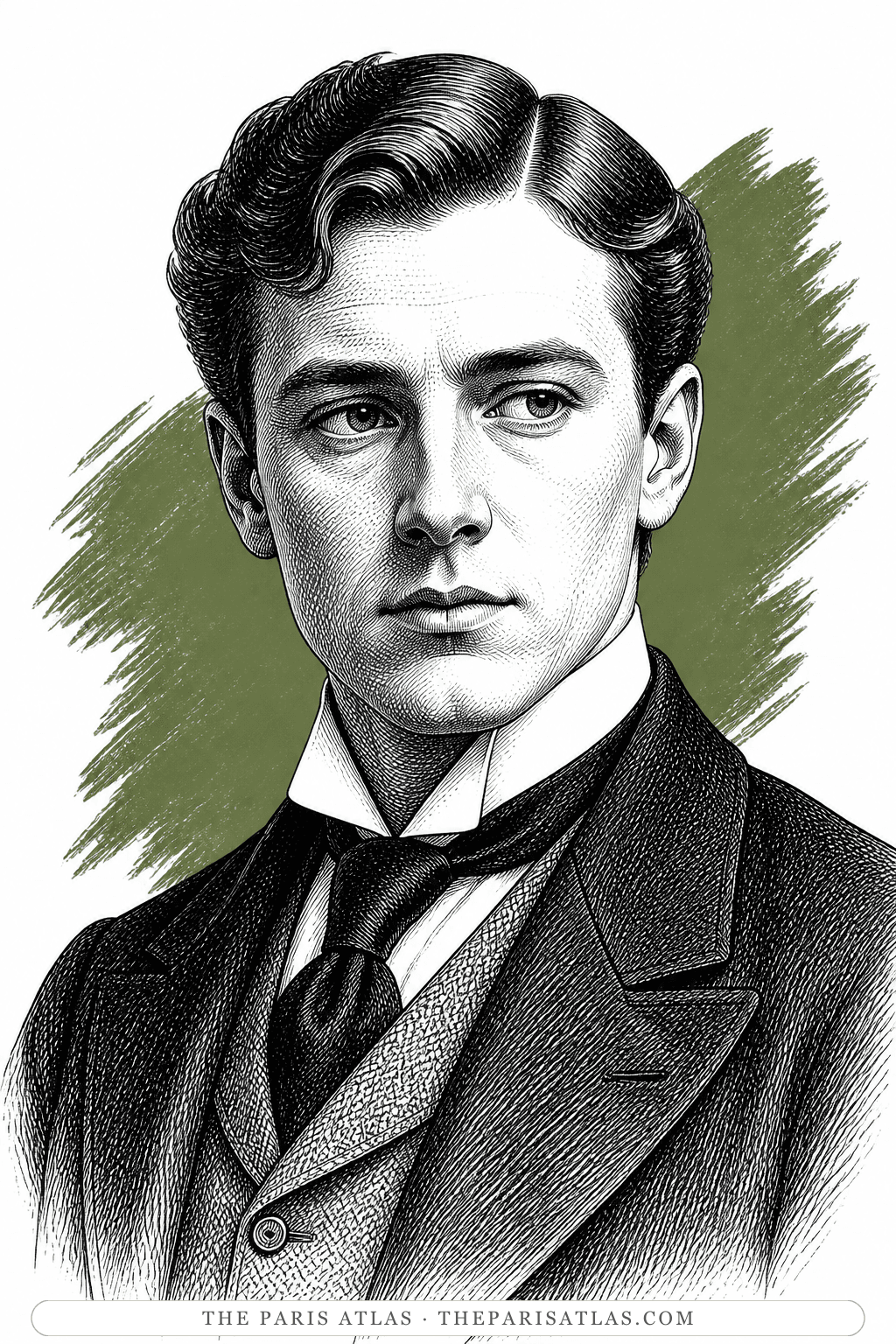
The country gentleman and Cecily's guardian, twenty-nine, in love with Gwendolen. He calls himself Ernest when he escapes to London — the fictional brother whose troubles justify Jack's trips away from the country. The final act reveals him as Lady Bracknell's sister's lost son, Algernon's older brother, and christened Ernest all along.
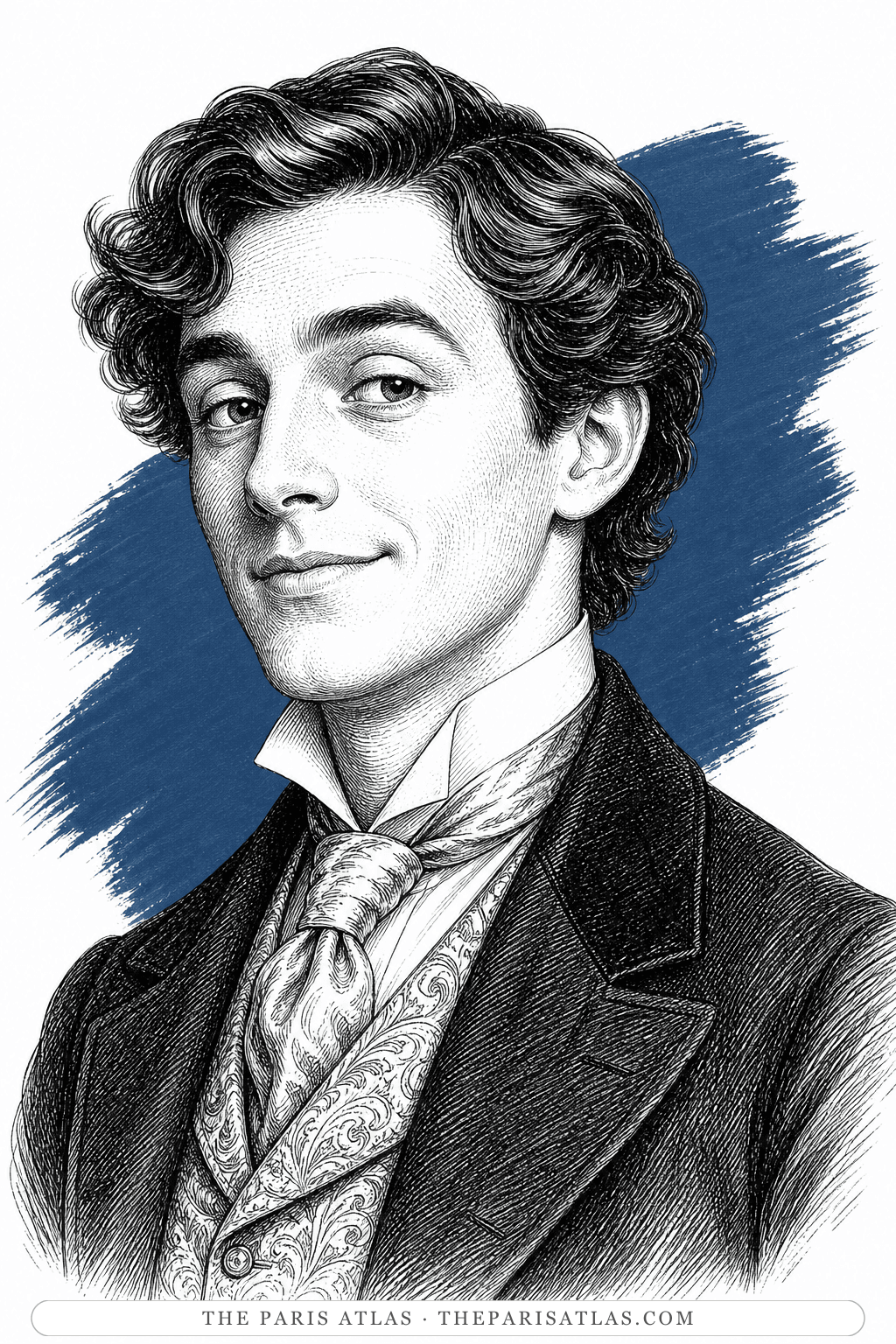
Jack's London friend, Lady Bracknell's nephew, in love with Cecily by reputation before they have met. He has invented a chronically ill friend called Bunbury whose sickbed he flees to when London social obligations require escape. He arrives at Jack's country house impersonating the invented Ernest.
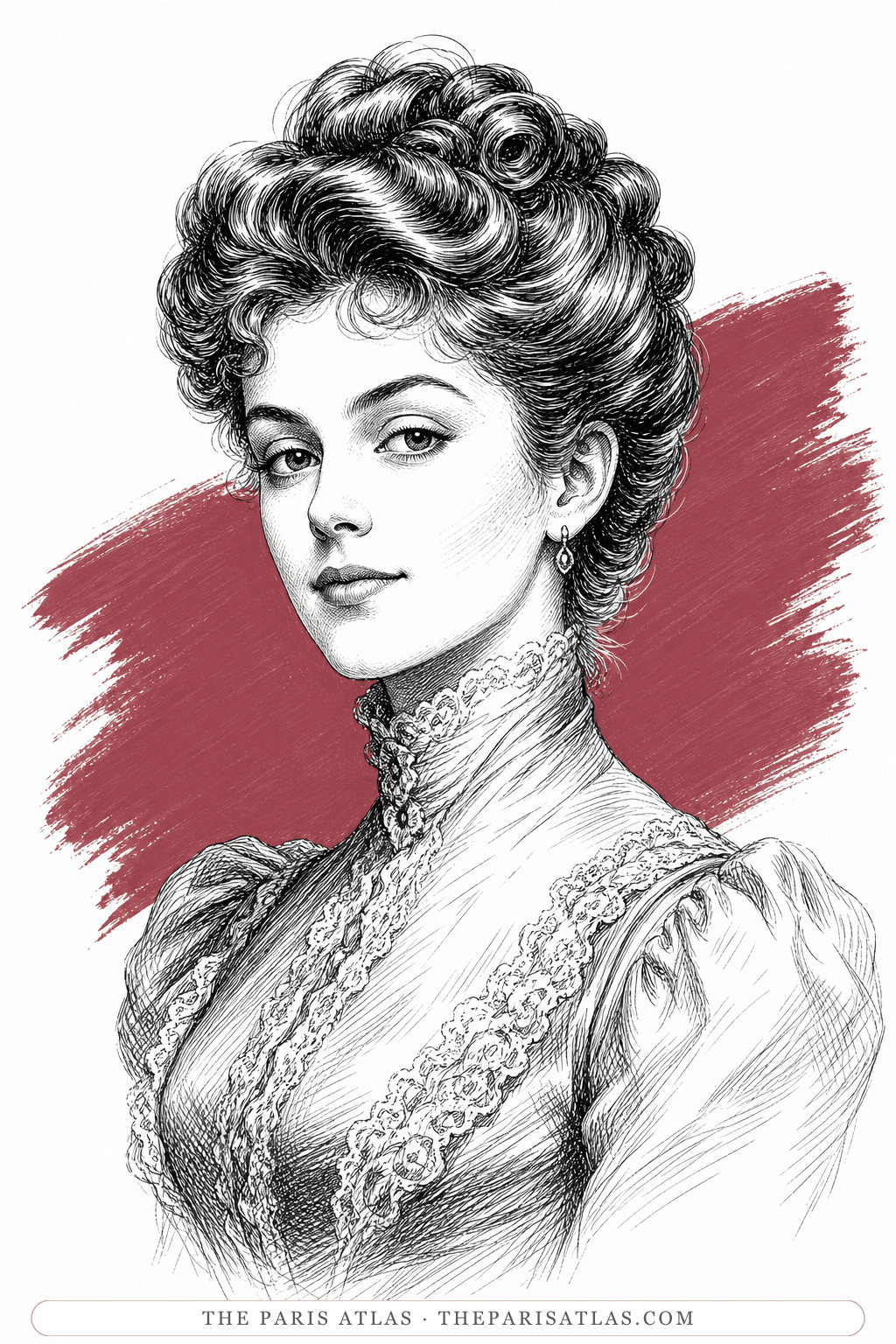
Algernon's cousin, Lady Bracknell's daughter, in love with Jack under his assumed name Ernest. Her insistence on the name is one of the play's central engines: 'My ideal has always been to love some one of the name of Ernest. There is something in that name that inspires absolute confidence.'
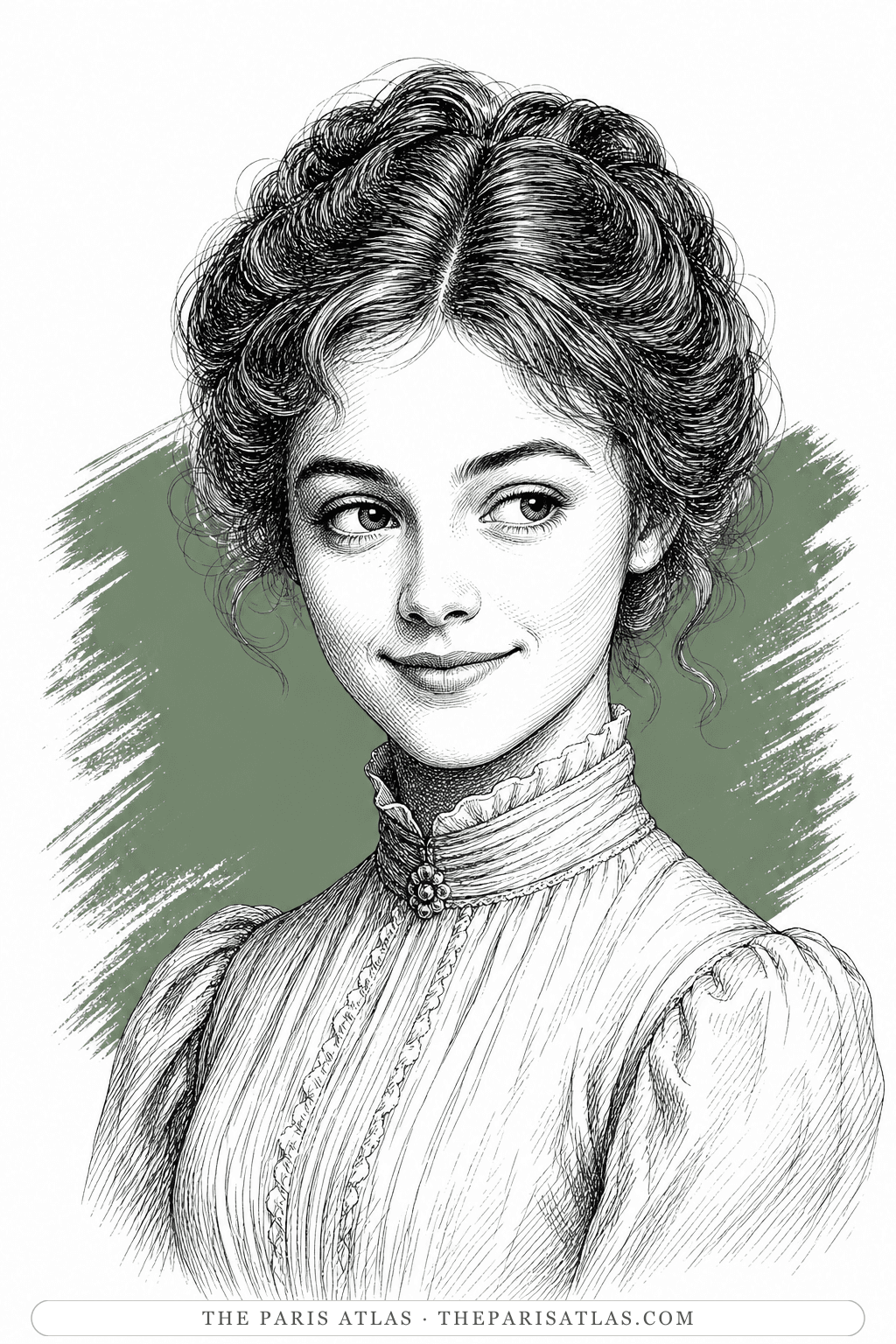
Jack's eighteen-year-old ward, living at the country house with her German-teacher governess Miss Prism. Cecily has invented, in her diary, an entire romance with the fictional Ernest and is engaged to him before Algernon (as Ernest) arrives.
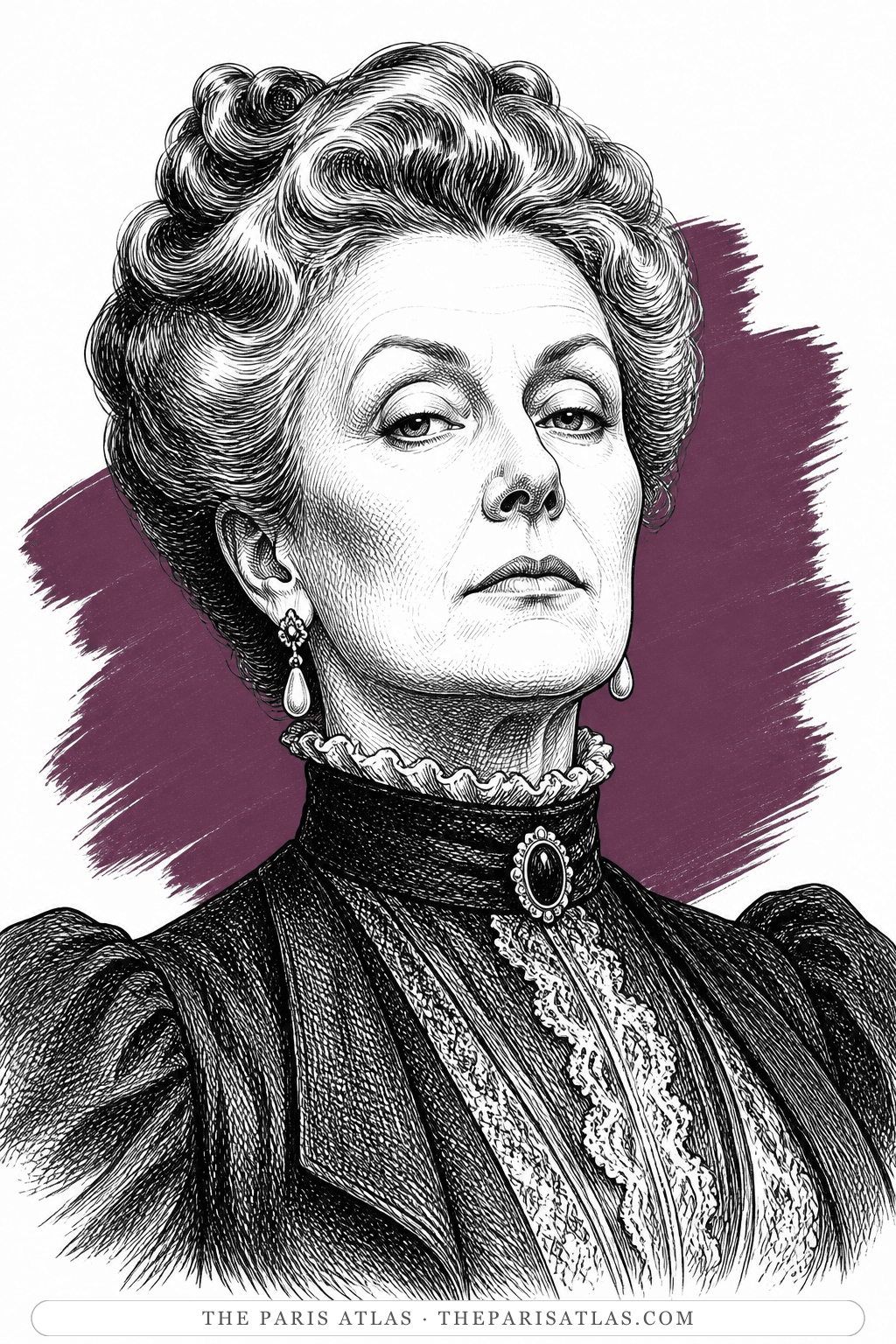
Gwendolen's mother, Algernon's aunt. Her cross-examination of Jack in Act I ('To lose one parent, Mr Worthing, may be regarded as a misfortune; to lose both looks like carelessness.') is the most quoted scene in the play. She is the play's institutional voice — social class, marriage rules, and the questions the middle acts spend three hours answering.
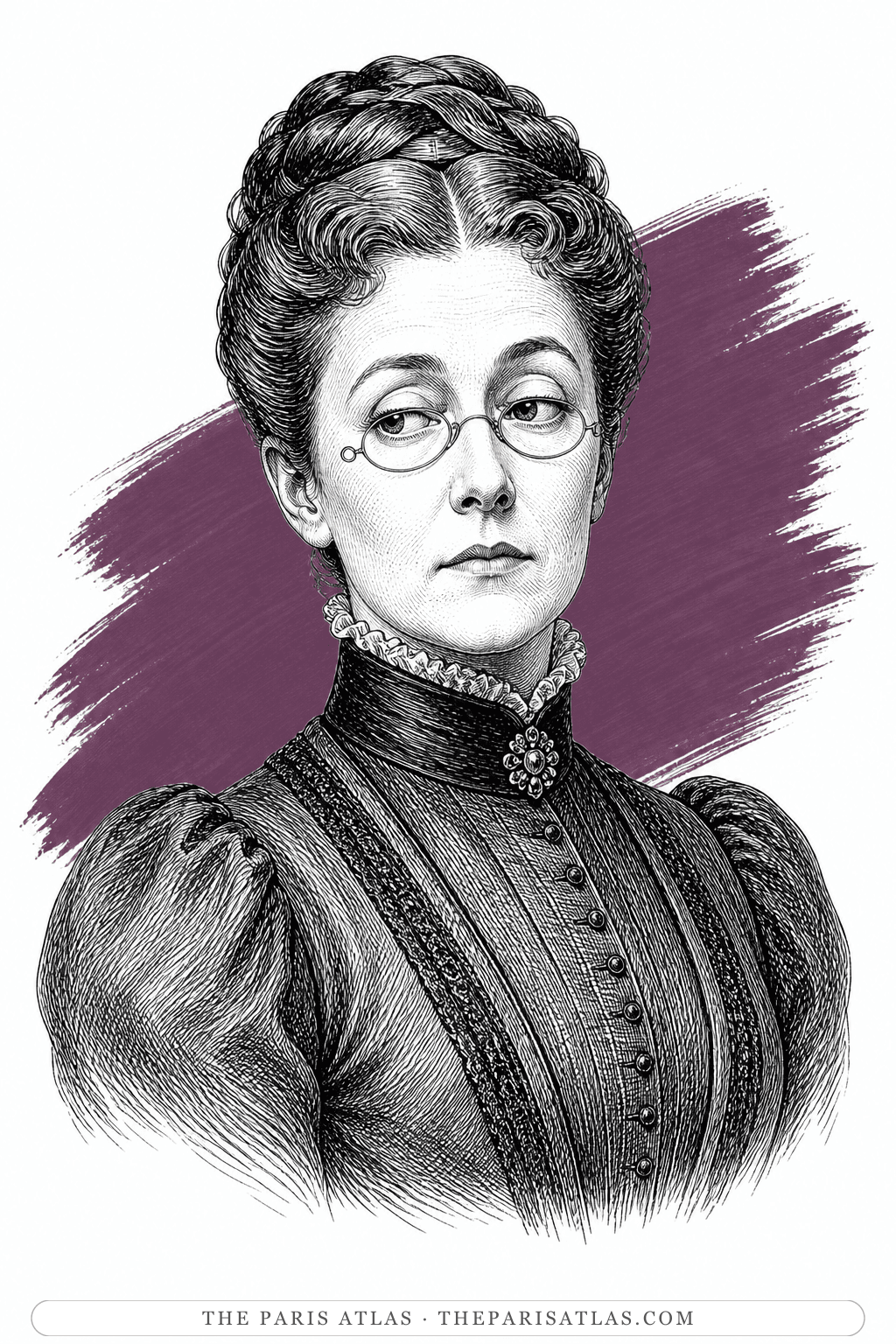
Cecily's governess, in love with Canon Chasuble. Twenty-eight years before the play begins she left a manuscript in her care in the pram and a baby in her care in a handbag at Victoria Station; the handbag is what identifies Jack in Act III.
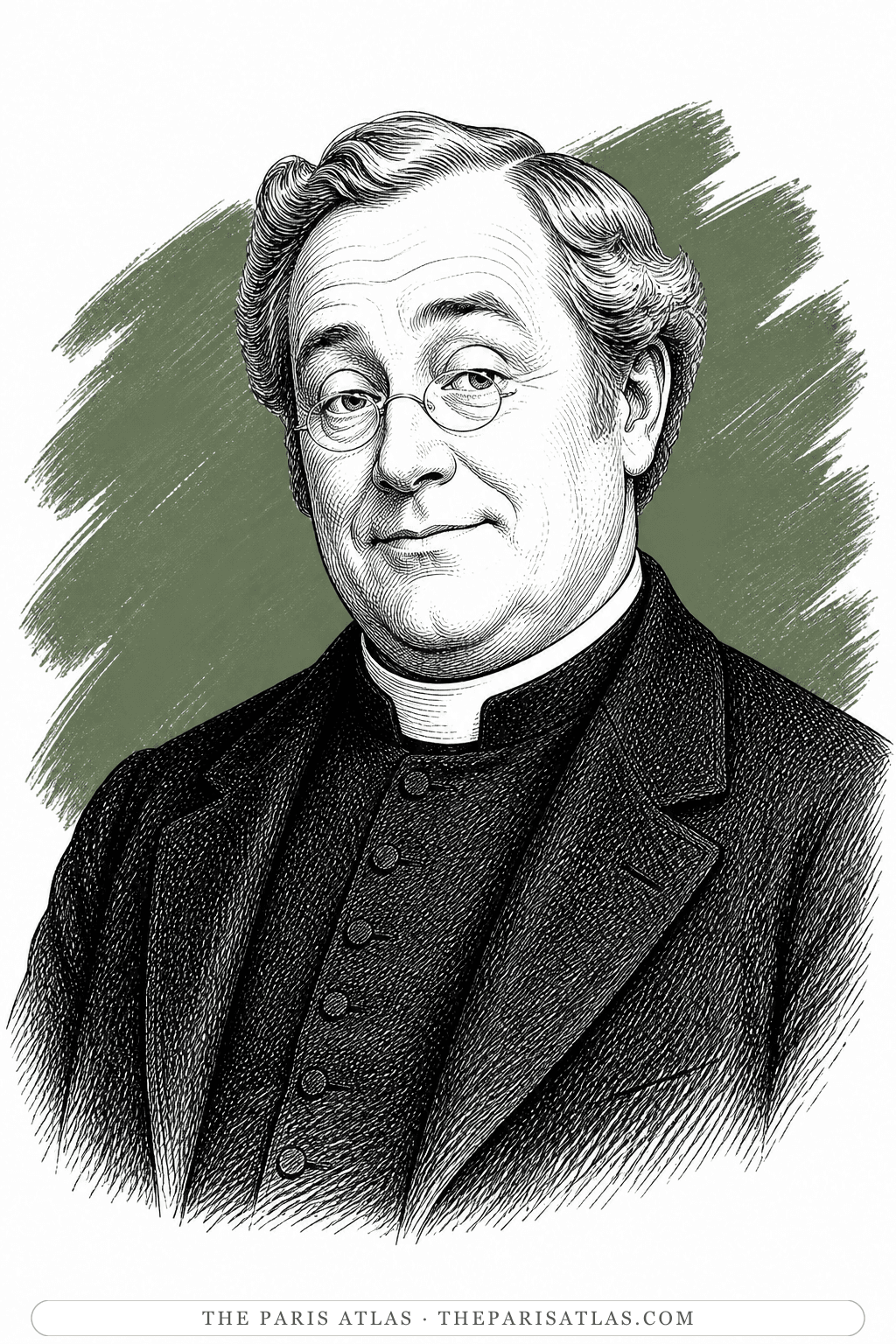
The local country vicar, willing to christen a grown adult on short notice. Jack and Algernon both request christenings under the name Ernest in Act II. He is engaged to Miss Prism by the play's end.
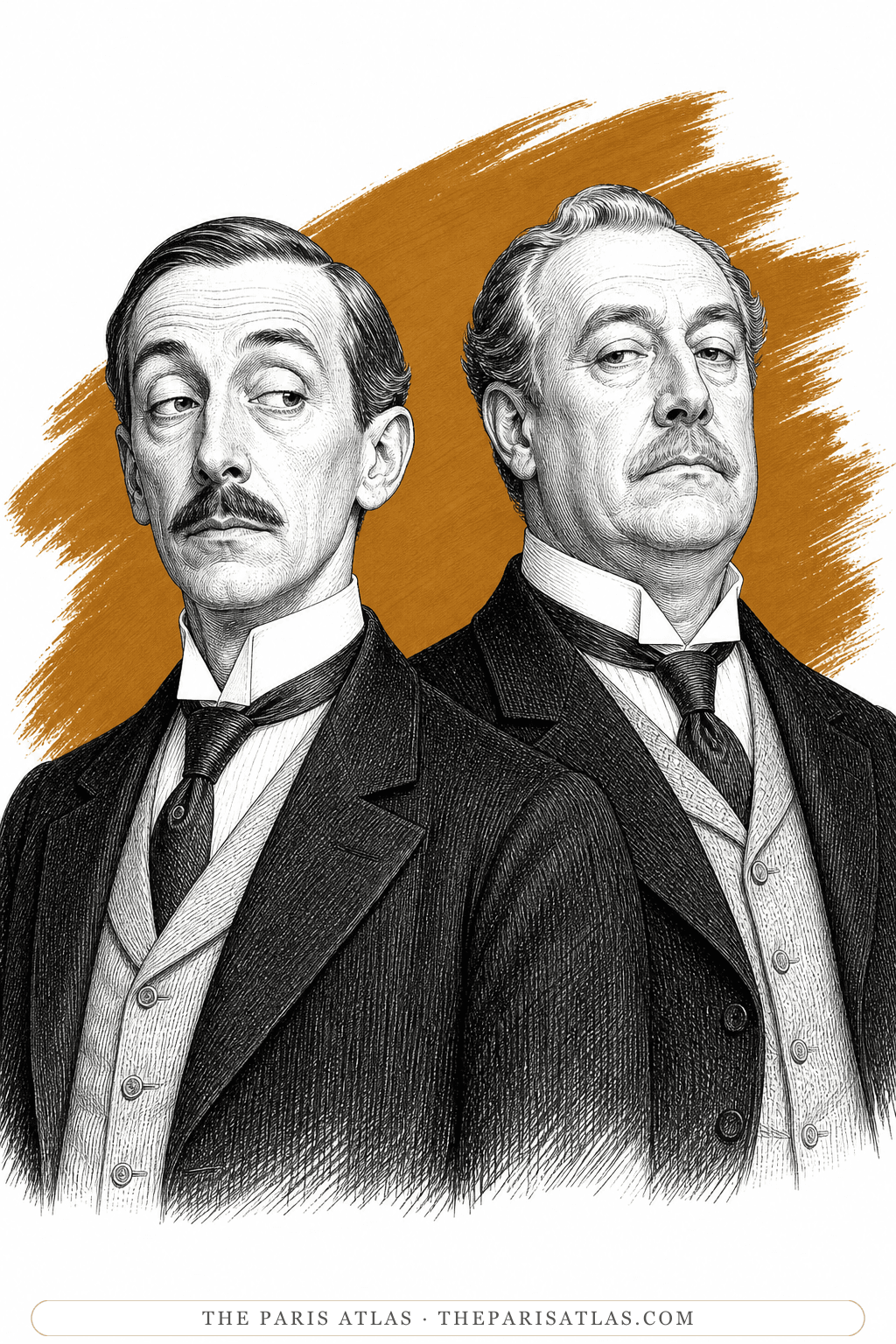
Algernon's London manservant Lane (Act I) and Jack's country butler Merriman (Acts II–III). Both are Wilde's straight men — the servants whose deadpan responses to their employers' idiocy carry a lot of the play's comic weight.
Summer 1894
Wilde writes the play in four acts during a family holiday at Worthing on the Sussex coast.
January 1895
George Alexander accepts the play for the St James's Theatre and asks Wilde to compress it into three acts by removing the Gribsby scene.
14 February 1895
The Importance of Being Earnest opens at the St James's Theatre, London, in a triple bill programme. George Alexander plays Jack; Allan Aynesworth plays Algernon; Rose Leclercq plays Lady Bracknell.
5 April 1895
Wilde is arrested at the Cadogan Hotel on charges of gross indecency. The play is still running.
18 April 1895
Wilde's name is removed from the St James's Theatre playbill.
8 May 1895
The first run closes after eighty-six performances.
1899
Leonard Smithers and Company publish the first book edition using the three-act version.
1902
The first revival, staged after Wilde's death (November 1900), returns the play to the London stage.
1952
Anthony Asquith's film with Michael Redgrave as Jack, Michael Denison as Algernon, Edith Evans as Lady Bracknell, and Joan Greenwood as Gwendolen is released — the definitive twentieth-century filmed version.
A political comedy about blackmail, a fortune built on a secret, and the damage caused by demanding moral perfection from another person.
Read our take
A society comedy in which a young wife suspects her husband, an excluded woman returns, and a fan becomes evidence that tells the wrong story.
Read our takeTwo English gentlemen — Jack Worthing and Algernon Moncrieff — invent fictional people to escape social duties. Jack calls himself Ernest when he's in London; Algernon has invented a chronically ill friend called Bunbury. When both women they love (Gwendolen and Cecily) turn out to insist on marrying a man named Ernest, and both men have been claiming to be Ernest to the wrong person, the play's comic mechanism starts. Wilde's title is the play's central joke: earnestness is being used to mean two things at once.
It opened at the St James's Theatre in London on 14 February 1895, produced and starring the actor-manager George Alexander (who played Jack). It was still running when Wilde was arrested on 5 April 1895 and closed on 8 May after eighty-six performances. Wilde's name was removed from the playbill on 18 April.
Yes. Wilde wrote it in four acts in the summer of 1894 at Worthing. George Alexander, who was staging the production, persuaded Wilde to compress it into three by removing the entire 'Gribsby scene' — a fourth-act sequence in which a solicitor arrives to arrest Algernon for the fictional Ernest's unpaid Savoy Hotel bill. The four-act manuscript survives and the Gribsby scene has been printed in modern scholarly editions.
Wilde wrote the play during a family holiday at Worthing on the Sussex coast in the summer of 1894. The main character's surname is a private joke on the seaside town where the play was drafted.
Algernon invented a chronically ill friend called Bunbury who lives in the country, so that Algernon can 'go down to see poor Bunbury' whenever he needs to escape a social obligation in London. Jack has done the same thing in reverse — invented a wayward younger brother named Ernest whose troubles bring Jack to London whenever he wants to leave the country. 'Bunburying' becomes the play's word for using an invented person to escape a duty.
Lady Bracknell recognises the handbag in which Jack was found at Victoria Station as one her sister's family had lost twenty-eight years earlier. Jack is therefore her sister's son, Algernon's older brother, and — checking the Army Lists — christened Ernest all along. He can now marry Gwendolen. Algernon marries Cecily. The play ends with Jack's line: 'I've now realised for the first time in my life the vital Importance of Being Earnest.'
Explore authors with a similar voice, perspective, and influence.
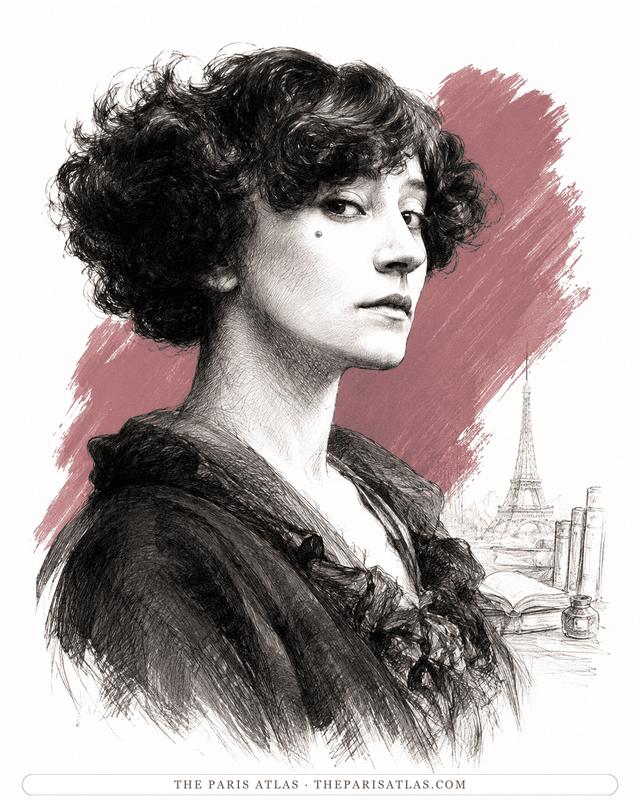
Both writers use style, performance, and social comedy to examine the roles assigned to women, artists, and people whose private lives do not fit public rules.
View author
The doctor of the Paris slums who wrote the century's blackest, funniest novel — and changed the sound of French prose.
View author
The Brooklyn dropout who arrived in Paris broke at thirty-eight and wrote the exuberant, banned books that ended American censorship.
View authorThe sources below include the primary text, editions, scholarship, archival materials, and other records that informed this page. They document The Importance of Being Earnest, its publication, and its place in literary history.


Primary text for the close readings alongside the illustrations.

Used to place The Importance of Being Earnest within Oscar Wilde's published work and verify its bibliographic context.
Used for independent biographical, archival, or historical context surrounding Oscar Wilde's career and the period in which The Importance of Being Earnest appeared.
Used to cross-check authorship, chronology, and the work's place in Oscar Wilde's wider catalogue.
Used to verify Oscar Wilde's bibliography and place The Importance of Being Earnest within the broader chronology of Oscar Wilde's career.
The primary text is the baseline reference for every book page. Additional references document publication history, interpretation, and historical context where that evidence is available.
 Explore more resources